REVIEW · CARTAGENA
Street Food Tour in Cartagena Walled City and Getsemani
Book on Viator →Operated by Gran Colombia Tours · Bookable on Viator
Cartagena is food that walks. This private street-food tour threads through the Walled City and Getsemani on foot, with short tastings and on-the-ground stories that make the Old Town feel real instead of postcard-only. You also get the handy rhythm of a guided route, so you’re not hunting for snacks while the heat wins.
What I like most is the mix of bites and context. In my favorite parts of the route, the guide connects what you’re eating to where it comes from and how people actually use it day to day. I also love the fact that it’s private, so guides like Mario and Nic could pace things to our interests and keep the group comfortable as we walked.
One thing to watch: this is a walking tour with “snacks,” not a full sit-down meal. Some guests felt the tastings were lighter than expected or came later than they wanted, so if you’re arriving starving, eat something small before you start.
In This Review
- Key things to know before you go
- Cartagena on Foot: why this tour works (even when it’s hot)
- Walled City route: from Torre del Reloj to sweets and coffee
- Getsemani: where the stories add flavor
- Plazas and landmarks: what those extra stops really do
- Price and value at $75: snacks, guide time, and why expectations matter
- Who should book this street-food walk, and who should eat first
- Practical tips for Cartagena: how to have a smooth, tasty day
- Should you book this Cartagena street-food tour?
- FAQ
- How long is the Cartagena street-food tour?
- What’s included in the price?
- Is it a private tour?
- Where does the tour take place?
- Is the tour walking?
- How do I find the guide, especially on a cruise?
- What kind of foods should I expect?
- What if plans change?
Key things to know before you go
- Private pacing and tailored stops: you’re not stuck in a one-size-fits-all group.
- Old Town street flavors, not tourist-only food: expect classics like arepa with egg, shrimp cocktail, and Caribbean sweets.
- Real neighborhood time in Getsemani: the walk includes life stories and long-standing culinary habits.
- Included pickup/drop-off helps with cruise chaos: less guessing where to meet, more time eating.
- Plan for heat and uneven streets: wear breathable shoes and expect cobblestones and sun.
- Vendor and performer tips can be part of the scene: you can politely decline and keep moving.
Cartagena on Foot: why this tour works (even when it’s hot)

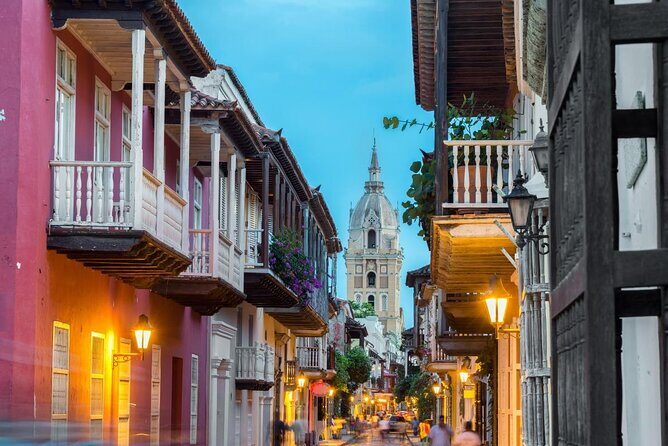
This tour’s best trick is simple: it turns two neighborhoods into a snack map. You’re walking through the Walled City, then crossing into Getsemani, where the vibe shifts from fortress walls and grand squares to a more everyday street scene. The route is designed so you’re never far from something to taste, while still getting that Old Town feel of “small streets, big atmosphere.”
Private also matters. When guides like Mario explained what people were eating and why, it didn’t feel like a lecture dumped on top of food stops. With a private group, the guide can slow down for questions, adjust the pace, or spend a little extra time where you’re most interested. That’s a real value point in Cartagena, where the streets can change character block by block.
Now the honest part: it’s not a buffet. The tour is built around included tastings (5 samples of typical foods and drinks are included), with short stops and walking segments between them. If you want a tour that leaves you stuffed like a meal marathon, you may need to set expectations. A few people even called it more history-with-snacks than a full food feast, and that’s something to keep in mind.
Other Walled City and Old Town tours in Cartagena

Walled City route: from Torre del Reloj to sweets and coffee
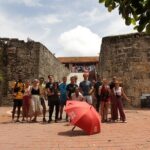
Your day starts in the Walled City with the kind of food-tour energy you want in Cartagena: small bites, quick explanations, and a route that feels like it’s been tested by locals. In that first Walled City stretch, you’ll make several tasting stops for the core flavors of the Caribbean coast. Think fruit, shrimp cocktail, deep-fried snacks, typical sweets, and coffee or beer depending on what’s being served at the time. Guides vary, but the theme is consistent: local street food, not fancy restaurant plates.
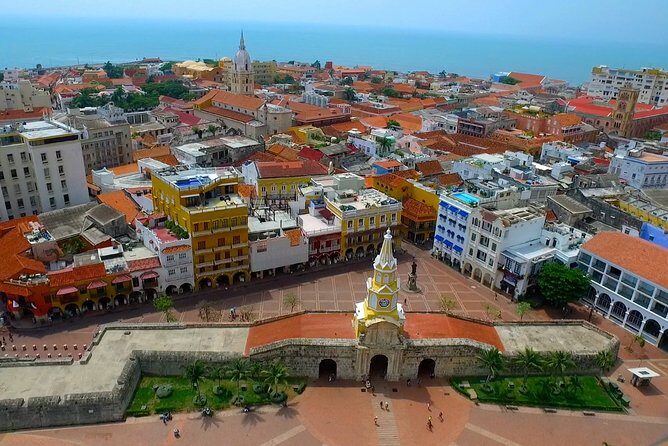
Then you hit a landmark moment at Torre del Reloj (Clock Tower). The stop is brief, but it’s targeted. One item highlighted here is arepa with egg. In the Caribbean region, the arepa is commonly deep-fried and stuffed, and that one bite gives you an instant feel for how Colombian comfort food travels from home kitchens to street stalls. You may also try shrimp cocktail or carimañola, a yucca-and-cheese finger food. It’s the kind of snack you eat while walking, which is exactly how Cartagena works.
Next comes the sweet break at Portal de Los Dulces. This is where cocadas show up, those coconut-based cookies or sweets that can also be made with local fruits. It’s a nice contrast to the savory bites from earlier. Some tours also include a coffee moment or a cold beer before you move deeper into the day. Either way, it’s a smart pacing move: you’re not just chasing calories, you’re resetting your appetite before the neighborhoods shift.
One practical note from the street side of the experience: the Walled City can also be performer- and vendor-heavy. One review detail I’d actually use: performers may step in front of you and expect a tip. Just say no gracias and keep walking. You’ll also see people selling stuff constantly, so don’t hover or make eye contact if you’d rather keep moving. It’s not rude to pass by quickly. It’s how you keep the tour time focused on food.
Getsemani: where the stories add flavor

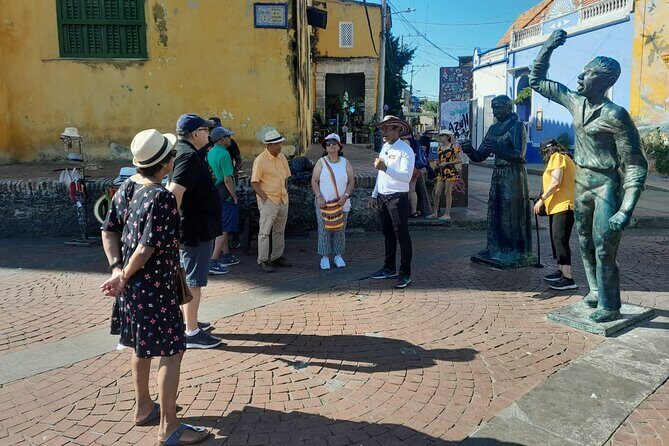
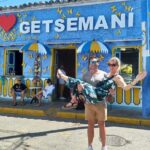
The biggest emotional payoff for many people happens when you reach Barrio Getsemani. This is the part of Cartagena where the tour shifts from landmark-hopping to neighborhood storytelling. You get time to understand how people live, what they cook, and how culinary habits pass through families.
The tour description leans hard into ancient techniques and family recipes, and multiple guides seem to bring that to life with real examples. One guest had Mario customize the tour toward street photography while still getting fresh juices, fruit, and arepas along the way. Another had Jhon connect the food to cultural lessons, and he also used local relationships to keep things comfortable while you’re around busy vendors.
This is also where you’ll likely feel the difference between a “food tour” and a “walking city tour with snacks.” If your guide leans more into history, you might notice you get fewer big pours and more short tastes. That’s not necessarily bad, but it changes the experience. Some guests loved that storytelling angle and said they left full. Others wished for more quantity, or more explanation tied directly to each food.
So here’s my advice: go into Getsemani expecting culture through food, not a meal service. If you’re the type who enjoys learning what people eat daily, you’ll get a lot out of it. If your main goal is maximum calories, bring an earlier snack and treat this tour as a guided sampler.
Also, Getsemani is where the heat can feel intense. Even with breaks built into tastings, you’re still outdoors. Reviews also flagged that walking can be on uneven ground in hot, humid conditions. If you bruise easily or struggle with stairs and cobblestones, plan accordingly.
Plazas and landmarks: what those extra stops really do
Between tastings, you’ll walk through several key sights: Plaza de La Trinidad and Plaza Santo Domingo, plus additional stops that include the Sanctuary of Saint Peter Claver area and Las Bóvedas. These brief “see it while you’re there” moments matter because they help the food connect to place.
Here’s how: street food in Cartagena isn’t happening in a vacuum. It exists next to churches, plazas, and historic corridors where trade and migration shaped what’s available. When the guide points that out while you’re tasting, the day stops being random. It becomes a pattern you can remember: foods, then the neighborhood logic behind them.
Still, these sightseeing interludes can be a double-edged sword. If you were expecting a tour where every minute includes a new plate, these plaza stops might feel like you’re walking longer than you’re eating. That’s consistent with criticism that the experience can read more like a history-heavy walk with snack stops than a full “eat-everywhere” tour.
The upside: you’ll get context fast without having to research it yourself. And you’ll have time to take photos in proper spots instead of trying to squeeze pictures between food vendors.
Price and value at $75: snacks, guide time, and why expectations matter
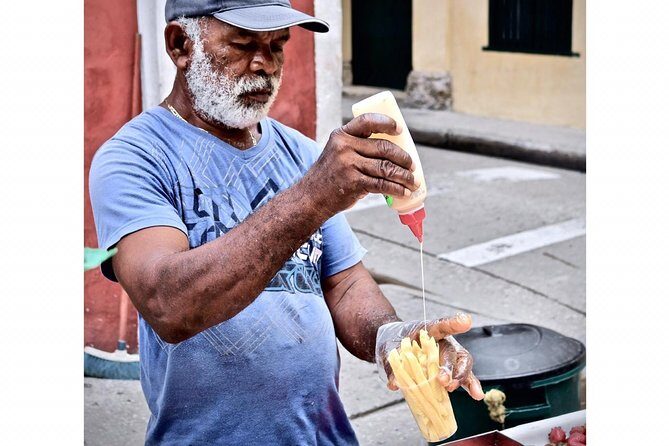
At $75 per person, you’re paying for more than food. You’re paying for a local guide, included hotel pickup and drop-off, all-risk insurance, and about five included samples of typical foods and drinks.
That’s solid value if you care about:
- not wasting time figuring out where to meet and where to eat,
- getting local explanations with each bite,
- and covering both the Walled City and Getsemani without building your own route.
It can also be great value for cruise passengers, because time is short and logistics can be annoying. One review praised how guides handled getting people back to the ship on time. Another highlighted clear cruise-terminal meeting coordination, with easy guide identification by WhatsApp.
But here’s the flip side: because the tour is built around tastings, not full portions, your satisfaction will depend on what you personally expect from a “food tour.” Several critical reviews said the variety or quantity felt limited, or that food arrived later than expected. One person felt coffee wasn’t clearly explained as included, which is the kind of surprise that can sour an otherwise nice walk.
So treat this like a curated tasting walk with storytelling. If that sounds fun, $75 feels reasonable. If you want a tour that replaces dinner, you might leave hungry.
Other Getsemani tours in Cartagena


Who should book this street-food walk, and who should eat first
This tour fits best if you:
- enjoy walking and can handle heat and cobblestones,
- like local food with short explanations,
- want to see both the Walled City and Getsemani in one go,
- and appreciate private-guide attention.
It can also suit solo travelers who want someone watching your back in a busy street environment. One guest specifically said Adalberto warned about scammers and helped them feel safe, and the guide made sure they stayed hydrated and entertained.
But I’d encourage you to eat a small snack before you go if:
- you get hangry easily,
- you expect big portions and lots of stops,
- or you’re the kind of traveler who wants to sit down and actually enjoy a full meal.
And if you’re super mobility-limited, the walking nature is a real factor. Multiple reviews flagged uneven ground and hot conditions. This isn’t an easy stroll on smooth pavement.
Practical tips for Cartagena: how to have a smooth, tasty day
A few small things can make this tour much better:
- Bring water. Even if the tour includes refreshments, you’ll still be outside for stretches.
- Wear shoes you trust on cobblestones. “Pretty streets” and “safe footing” don’t always match.
- Use WhatsApp if you have it. The guides often confirm details that way, and multiple reviews mention finding the guide through WhatsApp messages.
- Stay polite but firm with vendors and performers. Cartagena’s Old Town can come at you fast. A quick no gracias works.
- If photo ops come up, ask before you pose. One review noted Palenque ladies photos were not free, so it’s worth clarifying on the spot.
Also, if you’re coming by cruise ship, double-check your meeting details carefully. A couple reviews described confusion around finding the guide outside the terminal and highlighted the crowded, slow choke points when multiple ships are in port. Clear meeting-point instructions and being ready with WhatsApp go a long way toward preventing that kind of stress.
Should you book this Cartagena street-food tour?
Book it if you want a private walk through two of Cartagena’s key areas with included tastings, local guidance, and enough history to make the food feel meaningful. It’s a strong choice when you’re short on time, especially if you like guides who can explain what you’re eating and help you navigate the Old Town like a real person, not a tourist.
Skip it—or at least adjust your expectations—if you’re coming specifically for a big, plentiful, multi-plate food extravaganza. The structure is built around snacks and short stops, and some guests felt the quantity and variety didn’t match what they expected at the price.
If you want my quick decision rule: if you’d enjoy eating 4–6 small things while learning the neighborhood behind them, this is a good match. If you want dinner served through the streets, plan your own meal after.
FAQ
How long is the Cartagena street-food tour?
It runs about 3 to 4 hours.
What’s included in the price?
The tour includes a guide, hotel pickup and drop-off, all-risk insurance, and 5 samples of typical foods and drinks from the region.
Is it a private tour?
Yes. It’s private, so only your group participates.
Where does the tour take place?
It focuses on Cartagena’s Walled City and Getsemani, with walks through plazas and landmarks like the Clock Tower area, plus stops that include places near Saint Peter Claver and Las Bóvedas.
Is the tour walking?
Yes. Be aware you’ll be walking the whole time.
How do I find the guide, especially on a cruise?
The guide contacts you the day before (WhatsApp is mentioned in the experience details). If you’re on a cruise, select the cruise-only rate and use the correct cruise ship terminal pickup information.
What kind of foods should I expect?
Expect Caribbean and Colombian street-food favorites such as fruit, shrimp cocktail, arepa with egg, carimañola (yucca and cheese), deep-fried snacks, coconut sweets like cocadas, and coffee or beer depending on the stop.
What if plans change?
You can cancel up to 24 hours in advance for a full refund.