REVIEW · CARTAGENA
PALENQUE – Historical and Cultural Tour with African Natives
Book on Viator →Operated by Afro tour S.A.S. · Bookable on Viator
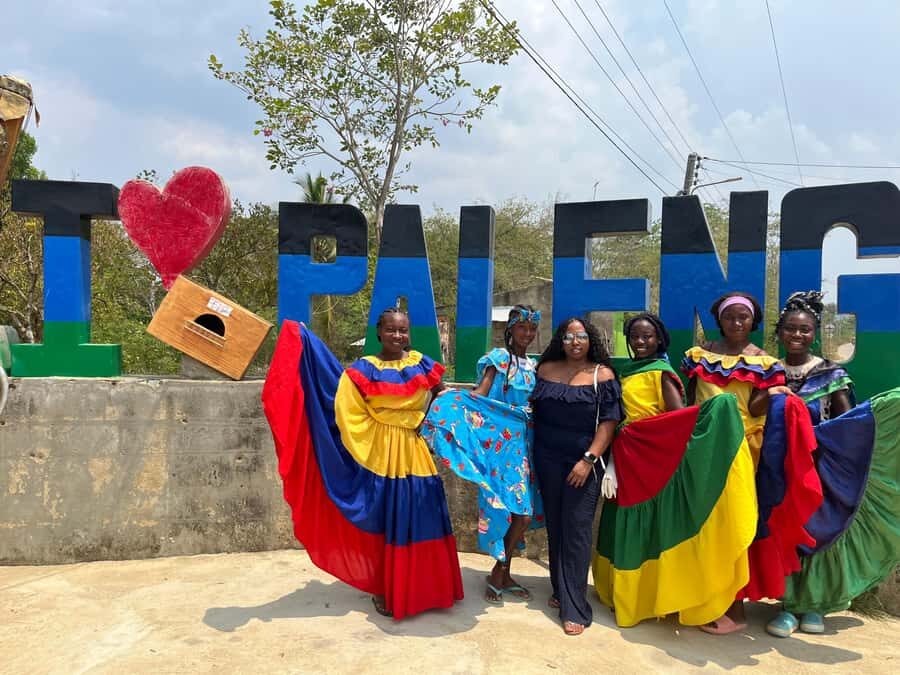
Palenque hits you in the heart fast. This six-hour trip from Cartagena feels human and real, especially with the music and dance welcome and the chance to see Benkos Bioho’s statue in the community context. I also like how the tour connects art (songs, murals, museum spaces) to lived culture, not just photo ops.
One thing to plan around is timing. The drive can get slow in morning traffic, and access to the traditional medicine part can depend on the day’s schedule, so I’d choose your departure time with that in mind.
In This Review
- Key highlights at a glance
- Entering San Basilio de Palenque: why this tour feels different
- How the tour runs from Cartagena (and why departure time matters)
- The music-and-dance welcome at the House of Palenquero Knowledge
- The Benkos Bioho stop: more than a landmark
- Palenquera language on the walls: murals you can actually learn from
- Musical House Museum: where sound becomes a story you can see
- Traditional medicine space: expect interaction, heat, and respectful curiosity
- The boxing gym and Palenquera House Museum: practical culture in everyday form
- Lunch and community value: what you’re really paying for
- Guides make the day: Terry, AhKee, and Gabriel
- Price and timing: how to get the best match
- Who should book this Palenque tour
- Should you book this Palenque tour?
- FAQ
- FAQ
- What is the price of the Palenque historical and cultural tour?
- How long is the tour?
- Where does the tour start?
- Is pickup included?
- Is this tour offered in English?
- Is the tour private?
- Do you get a mobile ticket?
- Does the tour include admission tickets?
- Is there lunch during the tour?
- What should I know about the traditional medicine stop?
- Is the tour affected by weather?
Key highlights at a glance
- Private group experience with only your party
- Music and dance welcome tied to maroon traditions
- Stop-by-stop community route: murals, museums, boxing gym, and more
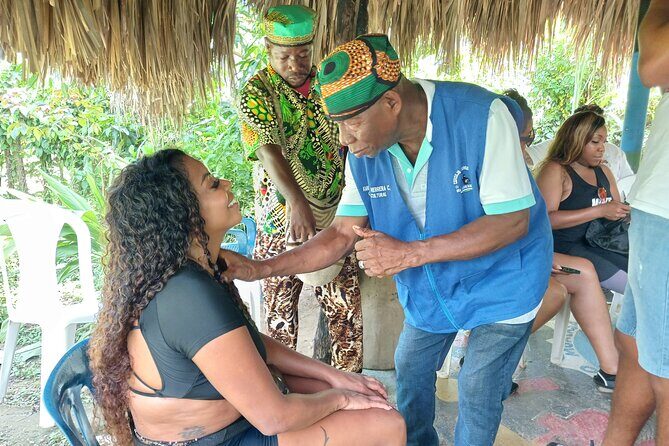
- Traditional medicine visit with a doctor interaction and bracelet
- Lunch included, with solid local-food options
- Free admission ticket for the scheduled stops
Entering San Basilio de Palenque: why this tour feels different
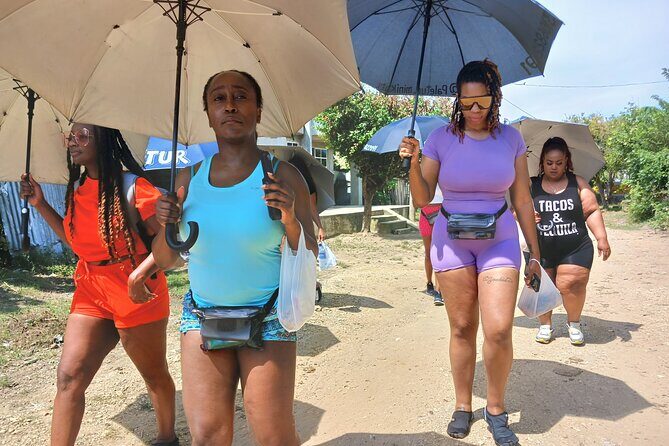
San Basilio de Palenque isn’t a history stop you can rush through. It’s a living community founded by maroons—communities that formed in resistance and then preserved African cultural roots after arriving in the Americas in the 1500s. In the middle of all that, you get music, storytelling, and practical cultural details that make the past feel close.
What I like most is the tone: it’s not a lecture. The welcome starts with a performance—music and dance—and you’re guided through what those songs meant historically, including the contrast between happy songs and funeral songs. That framing sets the day’s rhythm. You don’t just learn about Palenque; you feel how culture moves through daily life.
And yes, you’ll get the iconic photo points. Still, the tour works best if you go in ready to listen and slow down.
Other San Basilio de Palenque tours from Cartagena



How the tour runs from Cartagena (and why departure time matters)
This is a 6-hour tour from Cartagena, and it’s offered in English. It’s also a private tour/activity, meaning it’s just your group, not a big shared bus day. You’ll get a mobile ticket, confirmation at booking time, and you’re allowed to travel with service animals.
Pickup is part of the deal. Pickup happens two hours before the start time, so you should build in a buffer and keep your morning (or afternoon) flexible. The exact drive time can vary, but the trip is usually around the 1 hour 15 minute mark for the route portion—so add local traffic and you’ll see why departure time matters.
Here’s my practical tip: if you’re choosing between shifts, consider the later option if mornings are chaos for you. One traveler noted that an early departure meant extra road time due to morning traffic, while a later shift helped them experience Palenque with less crowd pressure. You’re still going at the same pace once you arrive, but the travel stress can be very different.
The music-and-dance welcome at the House of Palenquero Knowledge

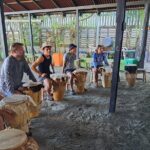
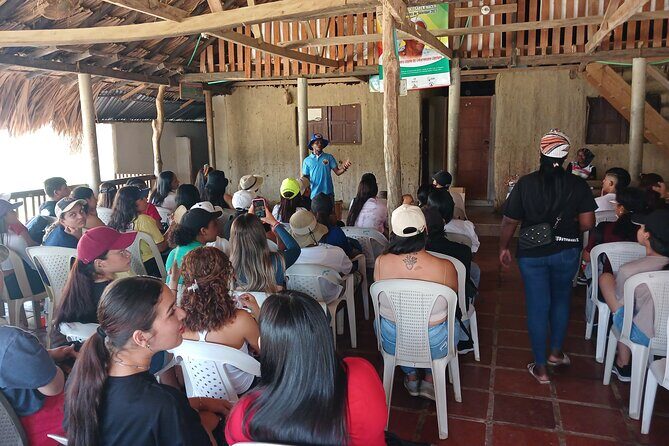
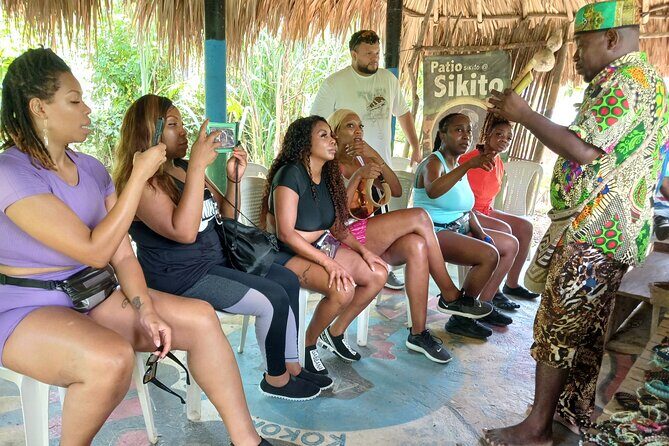
The day begins with a reception that feels ceremonial without being stiff. You’ll be welcomed with music and dance inside a house connected to palenquero knowledge—think of it as a cultural learning space rather than a formal show.
You’re shown the role of songs that historically were practiced by maroons, including both joyful songs and funeral songs. That matters because it shows how music isn’t just entertainment. It’s community memory. It’s how people mark important moments, hold identity, and carry meaning across generations.
If you want this to land, don’t treat the welcome like a warm-up for the “real tour.” It sets the context for why the stops later in the route are arranged the way they are.
The Benkos Bioho stop: more than a landmark
You’ll visit the statue of Benkos Bioho, one of Palenque’s most emblematic figures. This stop is where you start seeing the day’s theme in public form: resistance, leadership, and survival.
What I appreciate is that the guide’s explanation is meant to connect the statue to the community’s story, not just stand there as a photo marker. If you’re the kind of traveler who likes when your guides translate symbols into meaning, this is one of those moments.
Also, this is a good time to ask questions. Since the tour is a private group, you can usually get a clear answer instead of listening from the back of a crowd.
Palenquera language on the walls: murals you can actually learn from
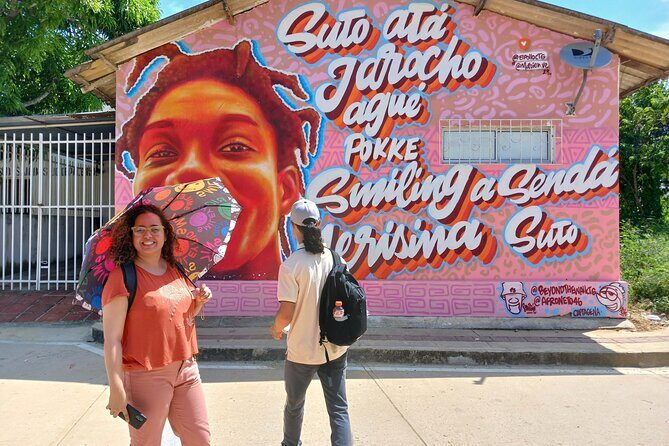
Next comes a mural with words in Palenquera language. This stop is powerful if you’re the type who likes language clues—letters, spellings, and phrases that show what’s been kept alive.
The key value here is that the mural isn’t just decoration. It’s a visible reminder that Palenque carried identity through time, not by freezing it, but by using it.
You’ll get guided context, and you can take your time reading and looking. I recommend doing at least one slow lap around the mural so your photos don’t become your only experience.
Other African heritage tours in Cartagena


Musical House Museum: where sound becomes a story you can see
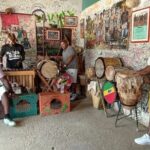
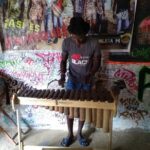
The Musical House Museum is another anchor stop. Even if you don’t consider yourself a museum person, this is the kind of place where the structure of exhibits supports what you already started learning with the welcome performance.
You’ll likely see how music traditions connect to social life and historical memory. If you’ve ever wished a museum would give you the “why,” not just the “what,” this kind of stop usually works well for you.
The best approach: listen to what your guide points out, then take your own look for a few minutes. The value is in the rhythm—guide explanations plus quiet time.
Traditional medicine space: expect interaction, heat, and respectful curiosity
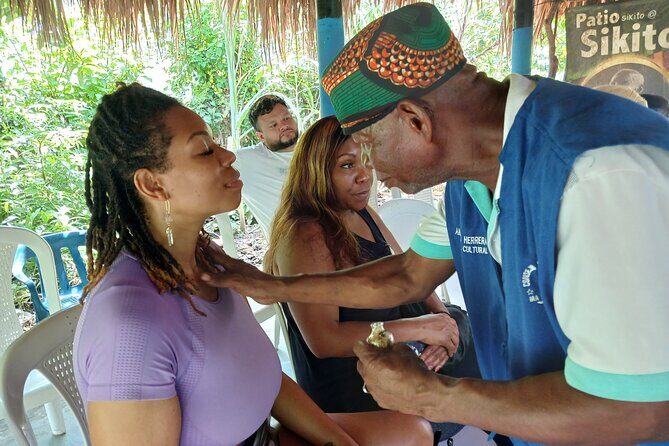
One of the most talked-about parts of this tour is the traditional medicine stop. Your guide takes you to the medicine doctor’s space, where you may receive a blessing, prayers, and even a bracelet presentation.
That bracelet moment is small, but it’s memorable because it signals you’re entering a living practice, not watching someone perform for your entertainment. If you’re curious, this is where you’ll want to be present and respectful.
Timing matters here. One traveler suggested booking the morning shift if you want a better chance that the medicine part is open. I can’t promise what will be available on every calendar day, but the lesson is clear: if this segment is a priority, pick a time that gives you the best odds.
Also bring practical comfort items. Heat is real, and one traveler suggested bringing fans. Even if you don’t plan to stay in the sun long, it’s the kind of day where shade and hydration help.
The boxing gym and Palenquera House Museum: practical culture in everyday form
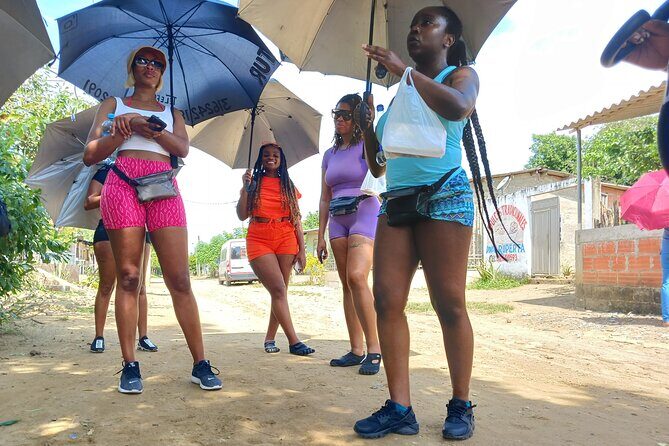
After the medicine segment, the tour continues through more community spaces, including a boxing gym and the Palenquera House Museum.
The boxing gym adds an interesting balance to a day that includes art, language, and ritual. It reminds you that culture shows up in training, discipline, and community energy. It’s not all ceremony—it’s also daily life and physical practice.
The Palenquera House Museum brings you back into domestic and cultural storytelling through a house setting. House museums are often where you understand how people lived, worked, and organized their community world. Even when details are explained quickly, the format helps you picture the human scale of history.
Lunch and community value: what you’re really paying for
Lunch shows up as a highlight. One person described it as amazing, and another said it was delicious with fresh fish options. So yes—plan to eat well. You won’t want to treat this as a “snack day.”
The bigger value in the price is less about the cost of the ride and more about how the day is built around community-run spaces and guided cultural interpretation. You’re spending time with people who are sharing their home in a structured way. That kind of access costs more than a standard sightseeing tour, and the payoff is clarity and context.
At $110 per person for about 6 hours, it’s not the cheapest option out there. But when you factor in a private group, English-language guiding, free admission ticket for the scheduled stops, and a full day including lunch, it starts to look like fair value—especially if you care about cultural accuracy.
Guides make the day: Terry, AhKee, and Gabriel
The guide quality is a major reason the tour scores so well. Names you may hear include Terry, AhKee, and Gabriel. The common thread: clear explanations, strong passion for teaching the town’s history and traditions, and patience as the group moves at a comfortable pace.
If you’re the type who likes to understand the “why” behind what you’re seeing, you’ll likely appreciate this. A detailed walk-through of history and traditions is part of the experience, not a bonus.
My advice: come with at least one question you care about—language, the music tradition, the medicine practice, or the modern life of Palenque. A good guide will tailor answers to what you’re curious about.
Price and timing: how to get the best match
Here’s how I’d think about value and timing before you book.
- If you want less travel stress and fewer crowds on arrival, pick the later departure when it’s available.
- If the medicine segment is your top priority, consider a morning shift so it’s more likely to run on schedule.
- If you hate rushing, the private group format helps. You’re not stuck in a crowd pacing someone else’s schedule.
Also, keep weather in mind. This experience requires good weather, and if it’s canceled for poor weather, you’ll be offered a different date or a full refund.
Who should book this Palenque tour
This is a strong fit if you:
- want African heritage and maroon history explained in community spaces
- prefer a guided route with multiple cultural stops
- like when tours include interaction moments (like the traditional medicine blessing)
- want a private group experience rather than a big bus day
It might be less ideal if you want a fast, checklist-style sightseeing trip. The value here is in learning and slowing down.
If you’re traveling with kids or older adults, most people can participate, and service animals are allowed. Still, bring basic comfort items for heat and plan for walking between community spaces.
Should you book this Palenque tour?
I’d book it if you want a respectful, guided day that actually teaches you something—songs, language, community museums, and a chance to understand modern Palenque through the lens of its African roots. The best part is that it’s not only about viewing culture. It’s about seeing how Palenquera identity shows up in daily life.
If you’re sensitive to schedule changes, do pay attention to departure time and the weather requirement. And if a specific segment like the medicine interaction matters a lot to you, choose a shift that gives it the best chance to be included.
FAQ
FAQ
What is the price of the Palenque historical and cultural tour?
It costs $110.00 per person.
How long is the tour?
The tour is about 6 hours.
Where does the tour start?
The experience is in Cartagena, Colombia, and pickup is offered.
Is pickup included?
Yes. All pickups take place two (2) hours before the experience starts.
Is this tour offered in English?
Yes, it’s offered in English.
Is the tour private?
Yes. It’s a private tour/activity, so only your group participates.
Do you get a mobile ticket?
Yes, a mobile ticket is offered.
Does the tour include admission tickets?
Admission Ticket is free for the scheduled stop.
Is there lunch during the tour?
Lunch is part of the experience.
What should I know about the traditional medicine stop?
You visit a traditional medicine space where a native medicine doctor may bless, pray, and present you with a bracelet.
Is the tour affected by weather?
Yes. The experience requires good weather, and if it’s canceled due to poor weather you’ll be offered a different date or a full refund.