REVIEW · CARTAGENA
Tour De Palenque, Road to Emancipation.
Book on Viator →Operated by La Perla Viajes y Turismo · Bookable on Viator
Palenque is history you can walk into. This Tour de Palenque, Road to Emancipation is built around a local Palenque guide and hands-on dance and drumming, not just sightseeing. I love how the day connects the story of Benkos Biohó to what you see and hear today, and I love the way the experience is interactive. One thing to consider: the cultural stops can come with strong encouragement around tips and souvenir purchases, and it can feel a bit pushy if you hate that.
Plan on a half-day with real road time and a structured flow. You get stress-free pickup from select spots in Cartagena, a capped group (up to 30), air-conditioned transport, lunch, and a local language element that actually feels meaningful. If your schedule is tight, this is still a manageable excursion, but pick-up mix-ups and late starts do happen, so I recommend building in a little buffer.
In This Review
- Quick reasons this tour clicks
- San Basilio de Palenque: the Road to Emancipation starts here
- The guide matters: translation, local names, and language lessons
- Dance, drums, and participation without the fake vibe
- Traditional medicine: where the tour gets real
- Museum house, Palenque Viejo, and the town’s physical story
- Lunch in Palenque: what you should expect and why it’s worth it
- Palenquito: a quick photo stop that still fits the theme
- The Cartagena-to-Palenque drive: timing, comfort, and road reality
- Pickup and logistics: make them easy on yourself
- Who this tour is best for
- Price and value: is $100 a fair deal?
- Tips, souvenirs, and how to handle the pressure
- Should you book Tour de Palenque: Road to Emancipation?
- FAQ
- How long is the Tour de Palenque, Road to Emancipation?
- What does the tour cost?
- Where do I meet for the tour?
- Is lunch included?
- Is tipping included in the price?
- Is the group size limited?
- Are service animals and young children allowed?
Quick reasons this tour clicks
- A Palenque guide who translates and explains so you do not miss what matters
- Dance show with drumming and participation, including learning traditional steps
- Real community stops like Palenque Viejo and traditional medicine
- Included typical Palenquero lunch (and it is often a highlight)
- A short photo stop at Palenquito for YO AMO A PALENQUE
- Capped group size (max 30) makes the day feel organized, not chaotic
San Basilio de Palenque: the Road to Emancipation starts here
San Basilio de Palenque is one of those places where the past is not trapped behind glass. This tour focuses on Palenque’s identity that has lasted for more than 400 years, and it connects that endurance to the story of the first free people of America. When you arrive, you are not just looking at “culture.” You are meeting a community that still teaches its own history.
The biggest value here is context. Palenque is described as the little corner of Africa in Colombia, tied to African roots and the legacy of Benkos Biohó, the founder tied to the town’s origin story. Instead of treating that as a fact drop, the tour frames it as something with language, music, and daily life attached.
You will also get structured stops around what makes Palenque feel like a living place, including the town square, the house of Kombilesa mi, the museum house, Palenque Viejo, and a traditional medicine stop. Those are the kinds of locations that help you understand how community knowledge gets passed down.
Other San Basilio de Palenque tours from Cartagena



The guide matters: translation, local names, and language lessons
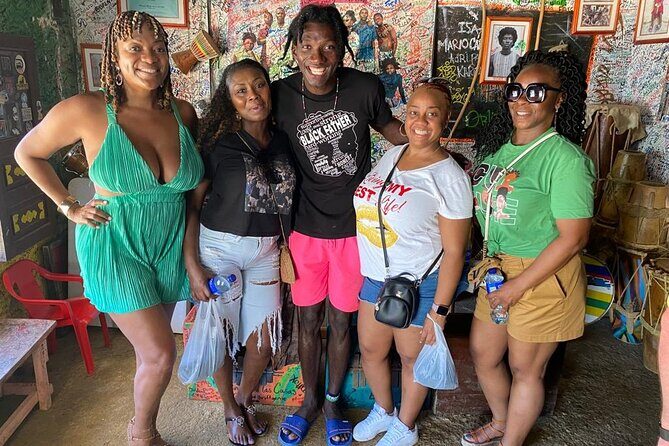
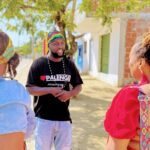
A tour can only go as deep as the guide running it. Here, you get a native Palenque guide (and the tour is advertised as multilingual). In practice, what you get is more than translation words. You get explanation of why people do what they do.
Guides you may hear referenced include Romeo and Roméo, plus Edwin Lempito. In at least a few cases, I’ve seen guides named as part of the experience, and that matters because it signals continuity and local hosting, not random itineraries. One person mentioned their guide shared language prep by teaching a few Bantu language elements, with support connected to Guinea and Congo, led with a native guide.
The language component is brief, but it changes how you watch. You are less likely to see singing or drumming as background entertainment, and more likely to notice how speech and rhythm carry meaning in the community.
Dance, drums, and participation without the fake vibe
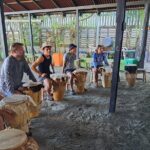
The performance portion is one of the most praised parts of this tour. Expect a dance show where you can learn traditional steps, and you may even get hands-on moments with drums or invited participation. This is not just a “watch from your seat” situation.
What I like about the format is that it usually makes people relax. When you learn a step or play along, the day shifts from lecture mode to shared experience. Several guides are noted as funny and high-energy, and the best tours use that energy to keep the group moving while still giving you time to understand what you are seeing.
One key detail: participation can make some people feel self-conscious at first. If that is you, no worries. You can usually watch closely first, then join when you feel ready. For many, the dance moment is the memory that cuts through the rest of the day.
Traditional medicine: where the tour gets real
If you want the moment that feels most specific to Palenque, it is often the visit connected to traditional medicine doctors and herbal remedies. This is where the tour stops being generic and starts feeling like community knowledge in action.
You will learn what kinds of remedies people use and how that knowledge is explained locally. People often mention this stop as a favorite, and it is easy to see why: it is not something you can easily recreate on your own in Cartagena. It also ties back to the big theme of the tour, because traditional systems are part of cultural survival.
When you go, keep an open mind. You do not need to treat it like a medical lecture. Think of it as learning how the community interprets the body, illness, and healing through traditional practices.
Museum house, Palenque Viejo, and the town’s physical story
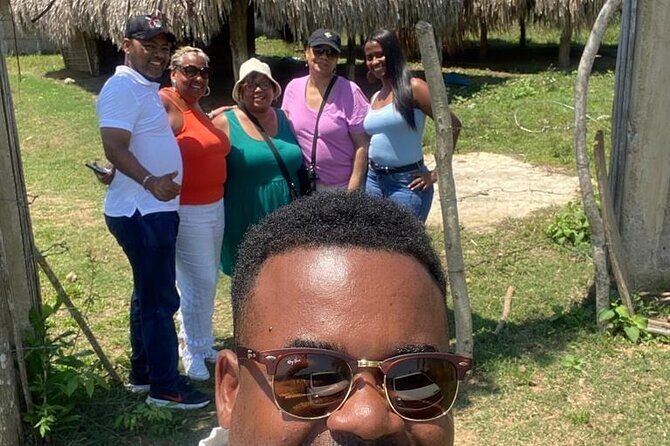
The tour does not lump everything into one stop. You get a sequence of places that help you piece together Palenque’s identity.
Here are the kinds of stops to look for:
- Town square: a snapshot of community life and shared space
- Museum house: a place to understand stories through artifacts or interpretation
- Palenque Viejo: an area that helps you connect today to earlier Palenque life
- House of Kombilesa mi: tied to a folkloric rap group, which adds a modern layer to how Palenque keeps speaking its story
This mix matters. You are not just learning about the past. You’re seeing how identity stays alive through both tradition and contemporary expression.
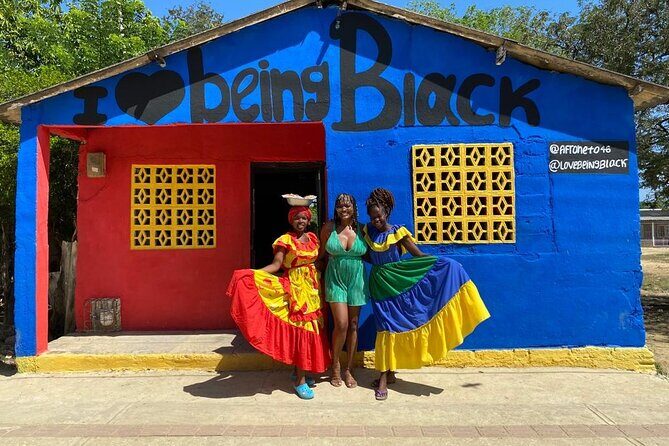
Also, pay attention to visuals like murals and street art, because they often make the place feel more human than a historical lesson.

Lunch in Palenque: what you should expect and why it’s worth it
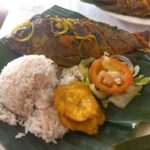
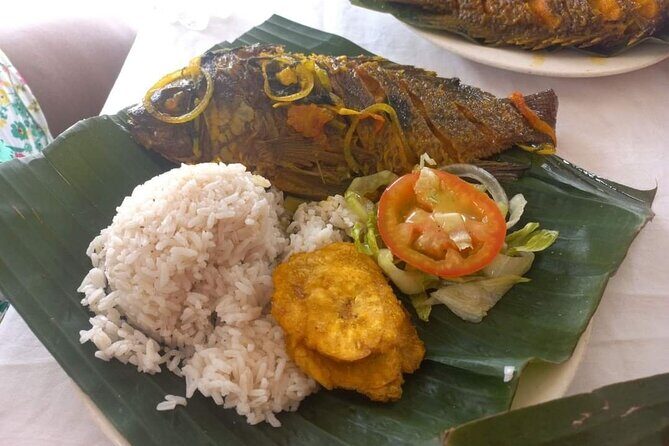
Lunch is included, and for many people it is one of the best parts of the day. You will eat a typical Palenquero dish, often described as flavorful and authentic. Fried fish gets called out repeatedly, and lemonade also comes up.
This lunch stop is valuable for two reasons. First, it gives you a real break after time on the road. Second, it turns Palenque from a cultural lesson into a shared meal moment, which is how culture sticks.
One useful detail for practical planning: someone mentioned the tour accommodated a totally plant-based diet with a meal option (beans, rice, salad, and patacones). The tour data does not promise every dietary need, but this tells you it is possible to arrange something if you communicate clearly ahead of time.
Palenquito: a quick photo stop that still fits the theme
On the way, you stop at Palenquito for photos at the letters YO AMO A PALENQUE. It is short, about five minutes, and it is mostly about capturing the moment quickly.
Think of this as your “I was here” checkpoint. It is not the heart of the day, but it helps you remember the places that do not fit easily into your memory when you only have a few hours.
The Cartagena-to-Palenque drive: timing, comfort, and road reality
This is a 5 to 6 hour excursion, and the ride is a real part of the experience. The tour includes transportation in an air-conditioned vehicle, and it is often described as organized and straightforward.
But be ready for road conditions. One person described the drive as roughly 1.5 hours each way and mentioned a bus that felt like it was moving hard enough to be unsettling. Another noted late starts when the vehicle needed attention.
Here is how I’d plan it:
- Bring water (a bottle is included)
- Expect curvy roads and take the ride as part of the day, not a nuisance
- Keep your phone charged in case pickup coordination needs a quick check
Pickup and logistics: make them easy on yourself
Pickup is advertised as stress-free from select locations, but the pickup details require attention. The meeting point at the start and end is the Monumento Torre del Reloj, Boca del Puente, El Centro, Cartagena de Indias.
After you book, you are told to contact the operator to confirm pickup details using +57 318 820 2888. That means you should not assume everything is automatically set. Do the confirmation early, not the night before.
Also, read this as a planning cue: even though the tour aims for a smooth schedule, people have reported confusion around meeting locations and delays when pickup instructions were unclear. If you want the least stress, confirm your pickup point in writing or by message, then set a reminder for the meeting time.
Who this tour is best for
This excursion is especially good if:
- You want a half-day culture trip from Cartagena without losing the whole day
- You care about Afro-Colombian history tied to Benkos Biohó and the first free people of America
- You like interactive experiences like dance and drumming
- You enjoy learning from locals who tell the story in their own way
It can also work well for cruisers because it is long enough to feel complete but short enough to fit cruise-day realities. Families often like it too, since it is interactive and guided.
If you dislike any pressure around tipping or shopping, go in with a plan. Decide what you will do before you arrive, and stick to your choice.
Price and value: is $100 a fair deal?
At $100 per person, you are paying for transport, a capped group experience, a native Palenque guide, a dance show, lunch, and bottled water. For a Cartagena day trip to a community outside the city, that is not a random price tag. It includes the hardest-to-buy parts: local hosting, language/interpretation elements, and access to multiple community stops.
Is it perfect value for everyone? Not always. If you are the type who hates any “buy or tip” pressure, the experience can start feeling like it is nudging you at multiple moments. That said, if you treat it as a way to fund community-run activities and you are comfortable with that style of tourism, it often feels like more than a sightseeing ticket. You get a structured story, not just a drive and a photo.
Tips, souvenirs, and how to handle the pressure
This is the one drawback that shows up more than once. People mention an emphasis on tipping and buying souvenirs, with a sense of pressure that can take the fun out of cultural learning.
My practical advice:
- Bring cash so you can tip confidently (or choose not to)
- Set a small souvenir budget ahead of time
- If you do not want to buy, be polite and move on—do not debate it in the moment
- Remember: your guide is trying to support the community while also running the schedule, so it can feel like a constant ask
If you can keep your boundaries calm and clear, the experience stays enjoyable.
Should you book Tour de Palenque: Road to Emancipation?
I’d book this tour if you want a real cultural day beyond Cartagena’s old city views. The strongest reasons are the hands-on dance/drumming, the traditional medicine stop, and the included Palenquero lunch that many people call the highlight after the history part. Add the fact that the group is capped and you have a native guide, and it becomes a solid way to spend a half-day.
Skip it or go in with extra caution if you know you get stressed by tipping and shopping pressure, or if you are extremely sensitive to schedule glitches. Do the pickup confirmation right after booking and build in a little buffer.
If you want flexibility, note the tour offers free cancellation up to 24 hours before the experience starts, so you can decide with less fear.
FAQ
How long is the Tour de Palenque, Road to Emancipation?
It runs about 5 to 6 hours.
What does the tour cost?
The price is $100.00 per person.
Where do I meet for the tour?
You meet at Monumento Torre del Reloj, Boca del Puente, El Centro, Cartagena de Indias, and the tour ends back at the same meeting point.
Is lunch included?
Yes. Lunch (almuerzo) is included.
Is tipping included in the price?
No. Tips (propinas) are not included.
Is the group size limited?
Yes. The tour has a maximum of 30 travelers.
Are service animals and young children allowed?
Service animals are allowed. Children ages 1 to 4 do not pay, but they must sit on their parents’ laps.