REVIEW · CARTAGENA
Private Street Food Tour in Walled City and Getsemani
Book on GetYourGuide →Operated by Gran Colombia Tours · Bookable on GetYourGuide
Street food in Cartagena comes with stories. This private 4-hour walk through the Walled City and Getsemani mixes classic Caribbean bites with stop-by-stop local context.
I especially like the way the food list moves across tastes: salty street snacks like arepa de huevo and carimañola, plus sweet hits like cocadas, and drinks like coffee or beer. Another big plus is the guide-led pace—there’s a quick history and diversity intro that makes the flavors feel personal, not random.
One thing to keep in mind: on very hot, muggy days (and depending on the guide’s style), the tour can feel more like a guided stroll with samples than a heavy food feast, and some narration/food volume may not match what you hoped.
In This Review
- Key things I’d watch for before you book
- What you’re paying $68 for in Cartagena
- Meeting in Cartagena: pickup that keeps the day easy
- The Walled City walk: where the tour earns its name
- The short history intro that helps you taste
- Arepa de huevo, shrimp cocktail, and carimañola: the savory core
- Cocadas, sweets, and the coffee or beer finish
- Getsemani vibes: tasting culture beyond the postcard
- Weather, pace, and guide style: the real swing factor
- Is it really a food tour? Yes, with caveats
- Who should book this private street food tour
- Quick packing and comfort tips for a 4-hour walk
- Price and value check: when $68 feels fair
- Should you book this street food tour in Cartagena?
- FAQ
- How long is the private street food tour?
- Does the tour include pickup and drop-off?
- Is this a private group?
- What languages is the live guide available in?
- What food and drinks are included?
- Is lunch included?
- What should I bring?
- Does the tour run in bad weather?
- What if I have allergies or food restrictions?
Key things I’d watch for before you book
- Clock Tower and main sights: you’re not just eating, you’re also getting your bearings fast in central Cartagena.
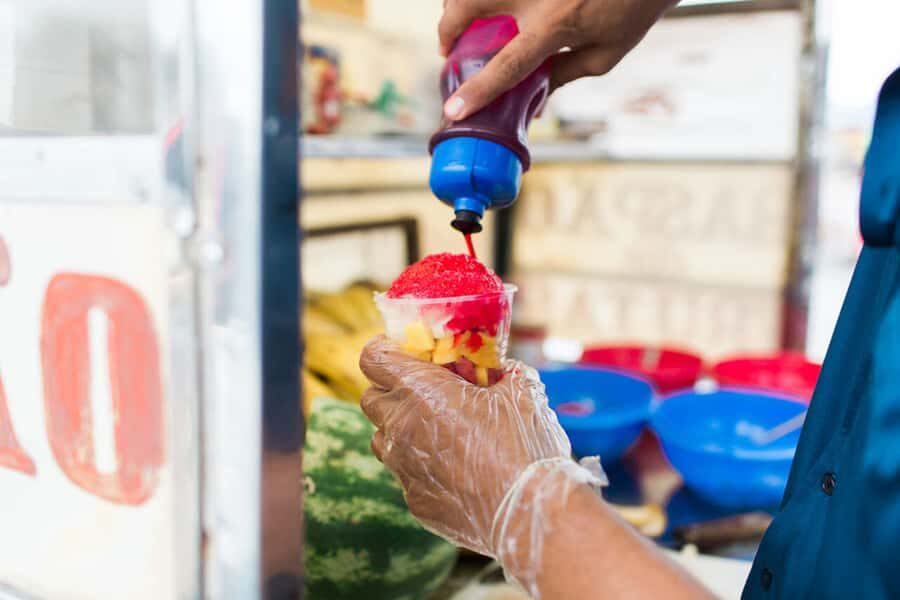
- Real street-food staples: arepa de huevo, carimañola, cocadas, shrimp cocktail, and other snack-style tastings.
- A guide who blends food with stories: you’ll hear why these foods show up again and again in Caribbean life.
- Short on time, strong on variety: it’s built around sampling, not a full lunch.
- Weather can change the flow: it runs in all weather, but heat can still affect timing.
What you’re paying $68 for in Cartagena
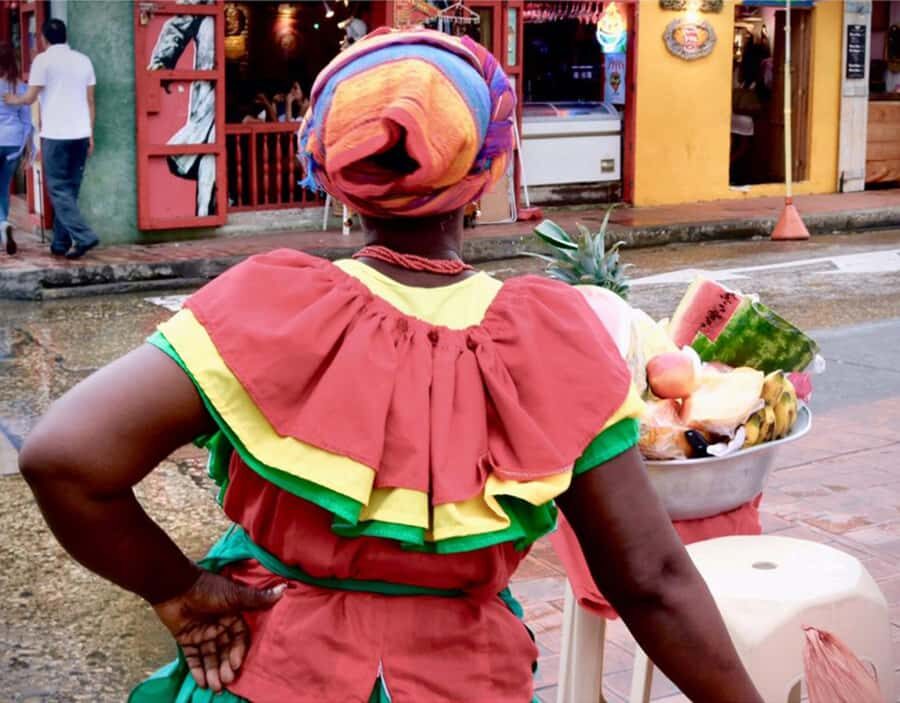
This is a private, 4-hour street food tour priced at $68 per person, and the value depends on what you expect from “food tour.”
If your dream is a full meal where you leave stuffed, this may not be it. The tour is designed around samples and tastings—fruits, desserts, finger foods, and refreshments—so you get breadth rather than one big plate after another. That said, when the pacing and guidance land well, you walk away with something more useful than food alone: you understand the local logic behind what you ate.
In practice, you’re buying three things:
1) a guide to translate the city through food,
2) organized stops so you don’t have to guess where to go, and
3) a guided tasting path that usually hits both the savory and the sweet.
For many people, that’s the sweet spot—especially in Cartagena, where walking neighborhoods with local guidance is often the fastest way to feel oriented.
Other Walled City and Old Town tours in Cartagena



Meeting in Cartagena: pickup that keeps the day easy
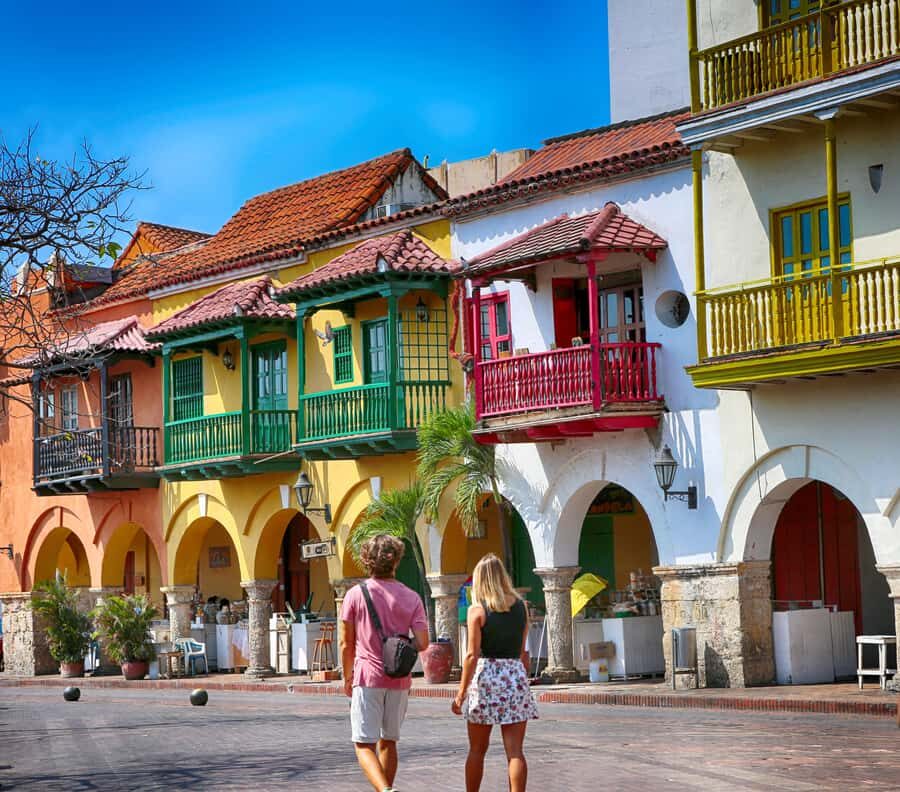
The tour starts in Cartagena with hotel pickup and drop-off included. If you’re arriving by cruise, pickup can be optional from the Cruise Terminal, and you’ll receive a map of the meeting point by email or WhatsApp.
Because this is a private group, you don’t have to time your day around the slowest person in a big crowd. And because it’s English and Spanish, you can expect clear explanations rather than silent wandering.
One practical tip: Cartagena mornings can start comfortably and turn steamy quickly. You’ll want to treat this like a warm-weather activity, even if the tour technically operates in all weather conditions.
The Walled City walk: where the tour earns its name

Your day begins with a local, friendly guide who leads you to the first tasting area in the Walled City. This is the part of Cartagena where you’ll get the quick “okay, I get the shape of the place” feeling.
One highlight is the stop along major landmarks, including the Clock Tower. Even if you’ve seen photos before, this is the best kind of sightseeing for a food tour: you’re moving through the sights while your guide points out what to notice, then you stop to eat something that connects to that moment.
What makes this portion work is the rhythm:
- sight stop,
- short context (how and why this food fits into Caribbean life),
- snack stop,
- then you walk again.
That flow matters because it turns the tour into a story you can remember, not just a collection of bites.
The short history intro that helps you taste
At some point during the walk, you’ll get a brief introduction to Colombia’s and Cartagena’s history of diversity—the idea that the city’s culture shows up in what people cook, sell, and share.
You might think history lectures have no place on a street food tour. But when it’s brief and tied directly to the food, it does something helpful: it explains why certain ingredients and techniques keep repeating across generations.
It’s also a sanity check. If you know a little about the region, then when someone hands you arepa, cocadas, or yucca-and-cheese snacks, you’re less likely to treat it like random street fare. Instead, you taste with context.
Arepa de huevo, shrimp cocktail, and carimañola: the savory core
The savory section is where this tour usually earns repeat bookings.
Here’s what you should expect as part of the typical savory lineup:
- Arepa with egg (arepa de huevo): a corn-based fried tortilla stuffed with egg. It’s one of the most traditional Colombian foods, and on the Caribbean coast it often comes deep-fried and street-ready.
- Shrimp cocktail: a cold, tangy, spoon-friendly option that cools you down after walking.
- Carimañola: a very typical snack made with yucca and cheese, shaped like a finger food and often fried.
- Plus other snack stops that may include ceviche, another arepa bite, and deep-fried finger foods.
This is the part of the tour that tends to feel most satisfying because it gives you multiple textures. You’ll go from crunchy fried items to fresh or chilled seafood flavors, and that contrast is what makes street tastings more memorable than one single dish.
A realistic expectation: these are still samples. You’ll get enough to understand what each item tastes like, but you likely won’t feel like you had a full entrée-style meal.
Other Getsemani tours in Cartagena


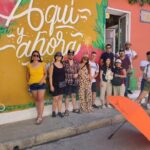
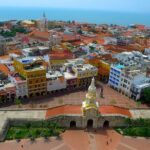
Cocadas, sweets, and the coffee or beer finish
Then the tour shifts toward the sweet side, which is where the Caribbean flavor profile shows its playful streak.
You should look out for:
- Cocadas: coconut-based cookies or candies made with dried coconut and often tied to local fruit flavors.
- Typical desserts and candies: the exact selection can vary, but the goal is to cover more than one sweet.
- Coffee or beer: a classic pairing for slowing down, sitting with the flavors, and making the walk feel like a proper experience instead of a snack sprint.
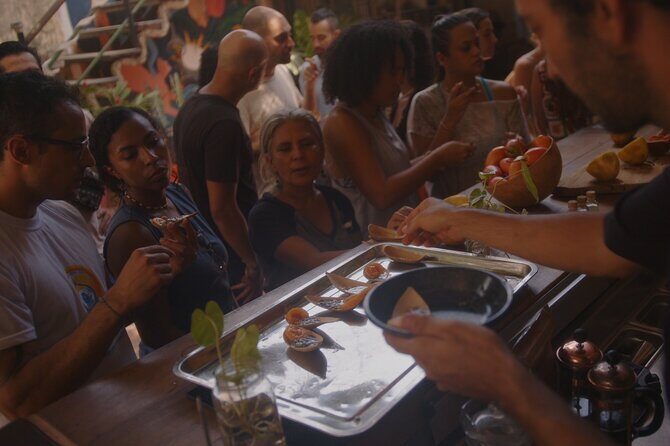
If you’re the kind of person who likes photos, the sweets section also gives you color. If you’re the kind of person who likes tastes, this section is where the coconut, fruit, and sugar notes stick in your memory.
One small consideration: sweet tastings can be more filling than you expect after salty snacks and seafood. If you’re sensitive to sugar, pace yourself and drink water between stops.
Getsemani vibes: tasting culture beyond the postcard
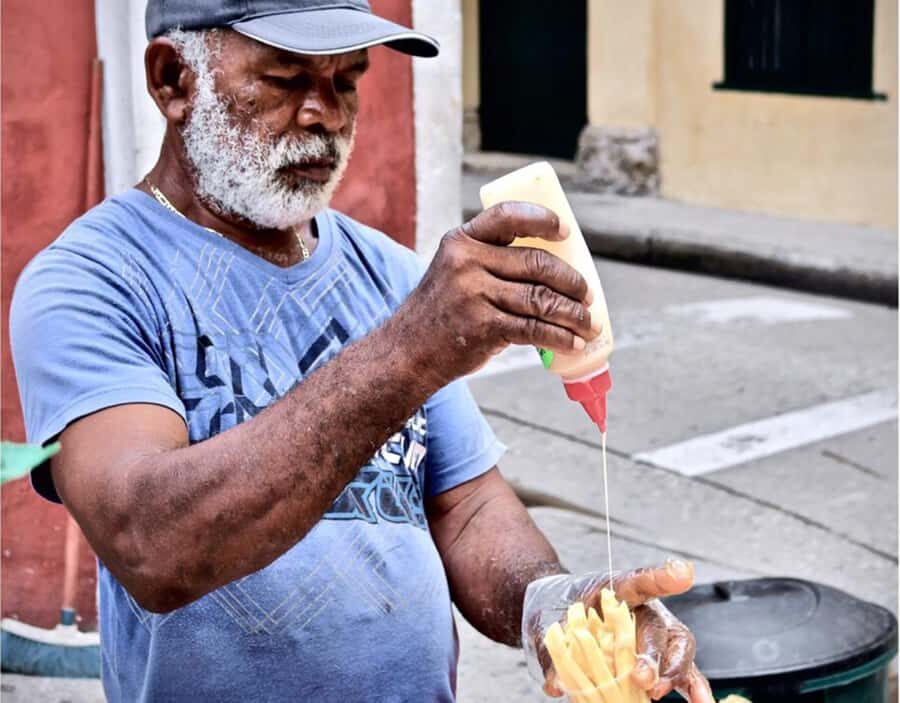
The tour includes the Getsemani side of Cartagena in its title and overall concept, and that’s where it starts to feel less like “old city sightseeing” and more like daily neighborhood life.
Even if you’re staying in the tourist core, Getsemani helps you understand Cartagena as a lived-in place. Street food is inherently social, and your guide’s job is to pull you into that social layer—by explaining family recipes, local customs, and why certain stalls keep operating year after year.
I like this approach because it makes the experience feel current. You aren’t just reading about the past in a museum. You’re tasting how people eat today.
Weather, pace, and guide style: the real swing factor
The biggest reason reviews don’t all match is simple: heat and pacing.
The tour runs in all weather conditions, but a hot, muggy day can change the rhythm. On some days, the tour can feel rushed or shortened. Even when the company operates as promised, real-world weather can still affect walking time and snack timing.
Guide style matters too:
- Some guides are energetic and quick to connect the dots between food and city life. Names that have come up include Alberto, John, and Adalberto.
- Other guides may feel slower or more sightseeing-forward, especially if the group is moving through landmarks at a more relaxed pace.
Here’s how to protect yourself from disappointment:
- If you want a more food-heavy experience, say it at the start. A private group means you can steer the emphasis.
- Bring water and comfortable shoes—this reduces the chance the day turns into endurance walking.
Is it really a food tour? Yes, with caveats
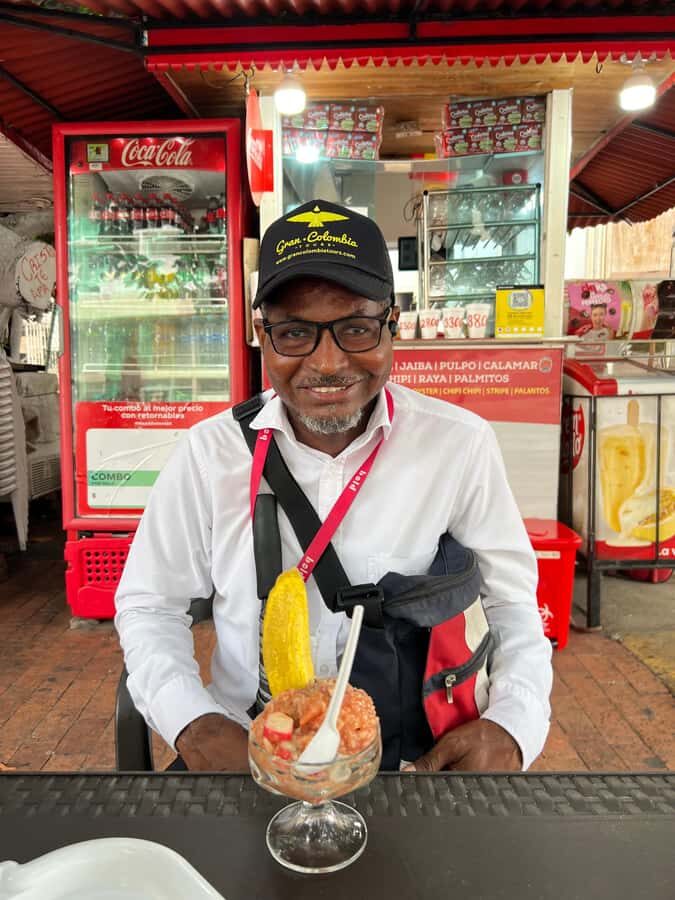
Let’s be honest: “food tour” can mean different things.
In this case, the tour is clearly built as a guided tasting tour:
- you sample typical regional foods and drinks,
- you visit local food stands,
- and you get a mix of sweet and savory.
But if you picture a food tour as nonstop bites that feel like a meal, your expectations might run long. Some people have found the amount of narration and the food volume not matching the price.
My take: the tour is best if you’re excited about variety, local context, and eating while walking. It’s not a substitute for lunch, and you shouldn’t plan your entire day around it unless you’re okay with leaving still hungry.
Who should book this private street food tour
This works best for you if you:
- want a private guide rather than a group scramble,
- enjoy walking and want tastings spread across neighborhoods,
- like learning how foods fit into local daily life,
- are curious about Caribbean staples like arepa de huevo, carimañola, shrimp cocktail, and cocadas.
It may not be ideal if you:
- only care about eating a lot (not just sampling),
- dislike heat and expect guaranteed timing regardless of weather,
- need lots of structured, long-form explanation at each stop.
Quick packing and comfort tips for a 4-hour walk
You’ll be walking, tasting, and stopping repeatedly. I recommend you:
- wear comfortable shoes (street unevenness and lots of foot traffic add up fast),
- bring sunscreen (Cartagena sun is not subtle),
- carry water (even if refreshment stops happen),
- tell the guide about any food restrictions or allergies ahead of time.
Also, because it’s an all-weather operation, dress for the day you get, not the forecast you hoped for.
Price and value check: when $68 feels fair
At $68 per person, this tour is fair if you value guidance and tasting variety more than a long meal.
You’re getting:
- hotel pickup and drop-off,
- a live English/Spanish guide,
- multiple food and drink samples across savory and sweet,
- a walk through central sights like the Clock Tower area.
What you’re not getting:
- lunch,
- extra purchases.
If you’d otherwise spend money on a taxi plus separate snack stops, a guide can pay off by saving time and helping you eat with confidence—especially in a city where it’s easy to miss the best rhythm if you go alone.
Still, if you’re comparing against tours that are heavier on food volume, you may want to adjust expectations before you book.
Should you book this street food tour in Cartagena?
Yes—with the right expectation.
Book it if you want a taste-and-walk experience that mixes iconic central sights with Caribbean street snacks, and you’re happy eating samples instead of a full lunch. The private format and the guide-led stories can make the flavors feel more meaningful than a random snack crawl.
Skip it (or choose a different style of tour) if you’re chasing a lot of food for the price or you expect long, stop-by-stop narration. Also be ready for heat. If you’re traveling in the hottest part of the year, consider starting early in your day plan and pack like you mean it.
If your goal is to leave Cartagena knowing what to order next time—arepa de huevo, carimañola, cocadas—this is the kind of tour that actually helps.
FAQ
How long is the private street food tour?
The tour duration is 4 hours.
Does the tour include pickup and drop-off?
Yes. Hotel pickup and drop-off are included. If you’re on a cruise, pickup can be optional from the Cruise Terminal, and you’ll get a map of the meeting point by email or WhatsApp.
Is this a private group?
Yes. It’s a private group experience.
What languages is the live guide available in?
The tour is guided in English and Spanish.
What food and drinks are included?
You get samples of typical foods and drinks of the region, including items like fruits, desserts, finger foods, and refreshments. Common tastings mentioned include arepa de huevo, cocadas, shrimp cocktail, carimañola, and options such as ceviche. Coffee or beer may also be included.
Is lunch included?
No. Lunch is not included.
What should I bring?
Bring comfortable shoes, sunscreen, and water.
Does the tour run in bad weather?
It operates in all weather conditions, so dress appropriately for the day.
What if I have allergies or food restrictions?
Tell the guide or note your restrictions when booking so they can adjust what you receive.