REVIEW · CARTAGENA
Historic Center & Getsemaní Shared Tour in Cartagena
Book on Viator →Operated by NEXPERIENCE · Bookable on Viator
Cartagena has a way of pulling you in. This shared walking tour strings together the historic core and Getsemaní street life with stories about the city’s walls, churches, and neighborhoods, plus a literary thread you’ll hear linked to Gabriel García Márquez. It’s a focused way to understand what you’re seeing before you wander on your own.
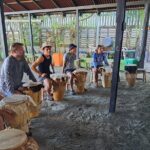
What I like most is how the tour balances serious history with moments that keep it fun. Guides like Legxy, Robert, and Liz stand out for energy, clear English, and answering questions, and some include interactive bits like dancing lessons that turn the walk into something you remember. I also love the route choices: you don’t just skim pretty streets—you hit spots tied to commerce, enslavement, art, and human rights.
One thing to consider: it’s still a walking tour, so heat and pacing matter. If you’re not into history-heavy storytelling (especially around slavery), or if you want something kid-friendly and lighter, this may feel like a lot, and a few people have left partway through.
In This Review
- Key things to know before you go
- A Small-Group History Walk From La Matuna to Getsemaní
- Meeting Point and the 2–3 Hour Timing Reality
- Entering Historic Cartagena: Walls, Myths, and García Márquez
- Camellón de los Mártires to the Clock Tower: The Route Sets the Tone
- Portal de los Dulces and Plaza de la Aduana: Commerce With a Cost
- Modern Art + Gold and Emerald Museums: A Culture Reset
- San Pedro Claver: Human Rights in a Sacred Setting
- Baluarte de San Ignacio and Plaza Bolívar: Defense Stories and a Break Spot
- Parque Centenario: Shade, Animals, and the Old Station Feel
- Getsemaní Ending: Umbrellas, Graffiti, Salsa, and Champeta
- Price and Value: How $11.70 Adds Up
- Who This Tour Fits Best (and When to Skip)
- What to Bring: Heat, Comfort, and a Smarter First Walk
- Should You Book This Historic Cartagena + Getsemaní Shared Tour?
- FAQ
- How long is the Historic Center & Getsemaní shared tour?
- Where does the tour start and where does it end?
- How big is the group?
- What locations are included?
- Is admission required for the stops?
- What if the weather is poor?
Key things to know before you go
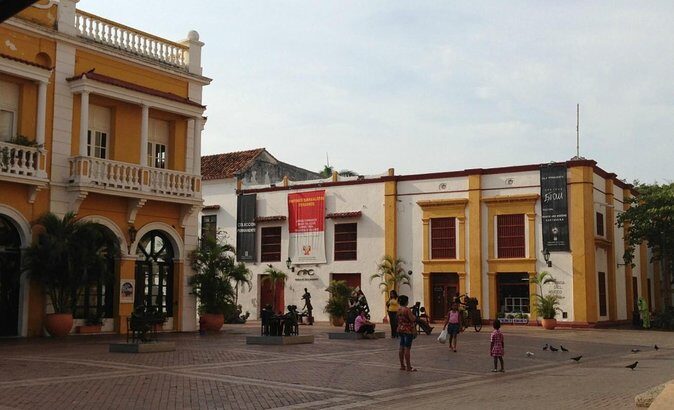
- Up to 25 people means you still get group attention without feeling lost in a crowd
- Old town + Getsemaní in one go helps you learn both sides of Cartagena fast
- Stops include major themes: walls and myths, commerce, enslavement, art, and human rights
- Guides are a highlight, with many mentioning Legxy, Robert, Liz, and Alvaro for keeping it lively
- You’ll end in the Getsemaní street corridor where salsa and champeta set the vibe
- This is a shared tour, so you’ll move at the group’s pace for about 2–3 hours
A Small-Group History Walk From La Matuna to Getsemaní
Start near La Matuna at Cl. 32 #841, then finish in Getsemaní at Plaza del Pozo. That end-to-end layout is smart: it helps you connect Cartagena’s fortified old town to the neighborhood that feels louder, more creative, and more street-forward. If you’re trying to plan your trip so you don’t waste your first day guessing where to go, this tour does the heavy lifting.
The shared format also matters. With a maximum of 25 people, you should be able to hear the guide and keep up without feeling like you’re being swept along by sheer numbers. And since the stops are close together, it works even if you’re not an expert walker—you’re moving block to block, not across town.
Other Walled City and Old Town tours in Cartagena

Meeting Point and the 2–3 Hour Timing Reality
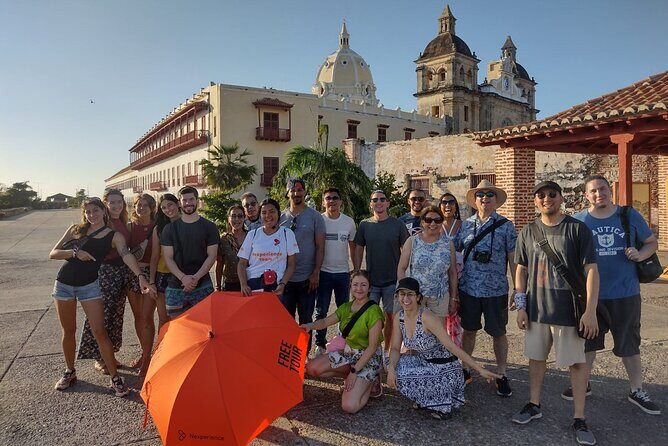
The duration is about 2 to 3 hours. That’s a sweet spot: long enough to learn the main stories behind the walled city and then transition into Getsemaní, but short enough that you can still do something else the same day—like a relaxed lunch or an evening stroll once the streets cool down.
You’ll want to arrive with a little buffer. One review mentioned the Google Maps pin may be a bit off, so double-check with your own map app and give yourself time to find the exact spot at Cl. 32 #841. If you show up late, you can end up stressed, and that’s the opposite of what you want for a history walk.
Entering Historic Cartagena: Walls, Myths, and García Márquez
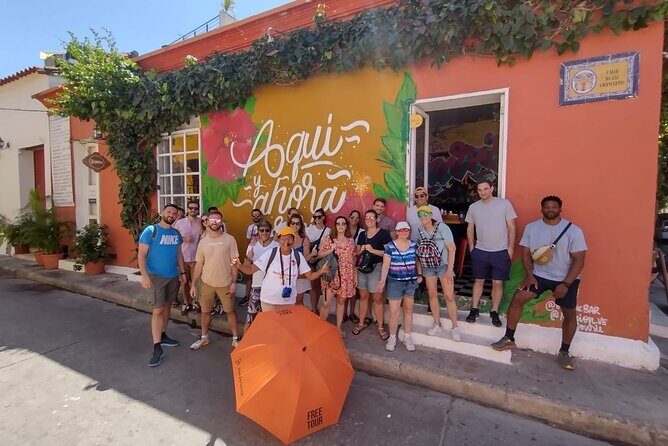
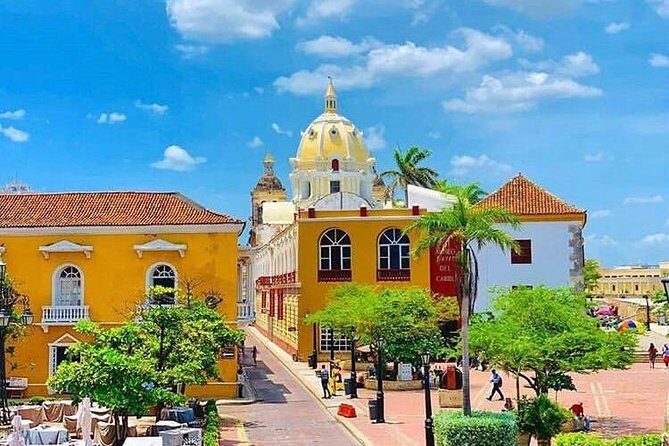
The tour’s first major segment is in Cartagena’s historic core, where you’ll learn how the city’s look and layout came from Spanish-era planning and then mixed with Caribbean culture. You’ll hear sayings and myths tied to walls, streets, convents, and houses inside the walled downtown—exactly the kind of background that makes your later wandering feel easier.
What makes this opening strong is the storytelling hook. The guide brings in a literary link to Gabriel García Márquez, including references to One Hundred Years of Solitude. Even if you don’t know the book deeply, that connection gives you a fresh way to think about Cartagena: not just as a set of sights, but as a place where stories stick to the stones.
What to watch for: while you’re listening, look around. Notice the way plazas and street corridors funnel you toward key buildings. The guide’s explanations help your brain “map” the space, so you’re not just walking—you’re building a mental model of the city.
Camellón de los Mártires to the Clock Tower: The Route Sets the Tone
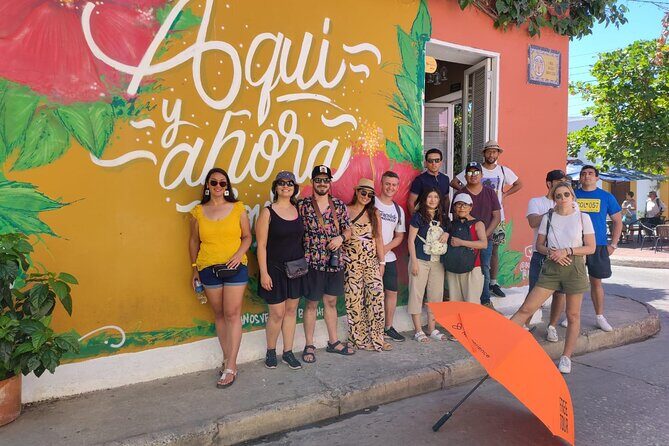
From Camellón de Los Mártires – Plaza de Cervantes, the tour starts with what came before Spanish arrival: indigenous people who were present before and during that transition. It’s a brief stop, but it matters because it changes how you frame Cartagena. You’re not just seeing colonial architecture—you’re seeing layers.
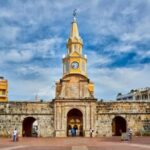
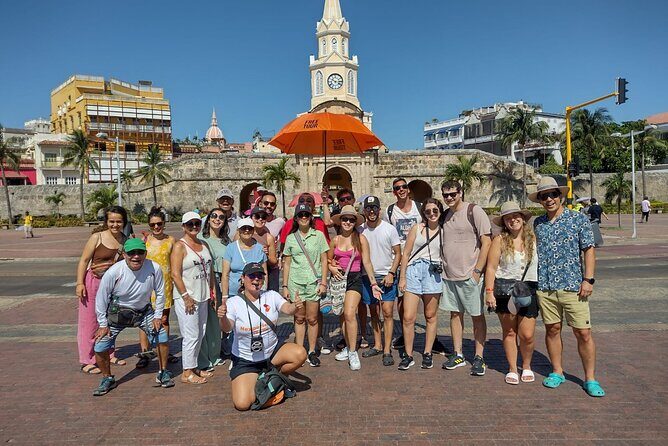
Then you move toward the Golden Key of Cartagena area and the Torre del Reloj (the Clock Tower). This is where the tour begins to preview Cartagena’s darker, more complex side. You’ll also get context for the enslavement route through streets connected with Porto Carrero and Candilejo, and the guide introduces Pedro de Heredia as part of the story.
Why this works: a lot of tours treat the old city like a postcard. Here, the guide keeps nudging you to connect buildings to human lives—trade, power, and forced labor included.
Portal de los Dulces and Plaza de la Aduana: Commerce With a Cost
Next comes the Portal de Los Dulces, described as a symbol of female activity in times of slavery, with traditions carried on by descendants. That wording matters. It points you toward a deeper understanding of how oppression didn’t erase community—it changed it, shaped it, and left marks.
After that, the tour reaches Plaza de la Aduana, tied to commercialization of merchandise, including that of the enslaved. You’ll see important buildings there, including the Municipal Hall. This stop is one of the clearest reminders that the walled city wasn’t only about defense and religion. It was also an engine of trade.
How to get more out of it: don’t rush this part. If you take a few extra seconds to look up at the façades and then listen to the explanation, the plaza stops being just a wide open space and becomes a place with a job—an urban system.
Other Getsemani tours in Cartagena



Modern Art + Gold and Emerald Museums: A Culture Reset
The tour includes the Museo de Arte Moderno Cartagena. Even though this segment is short, it introduces a different Cartagena energy: Caribbean and Latin American art from the 1950s, along with museum highlights that include indigenous pieces from the Colombian Caribbean and mentions of an Emerald Museum with stones described as among the most beautiful in the world (including references to celebrity wear).
This stop is valuable because it prevents the tour from becoming only heavy. You move from human suffering and commerce into creativity, identity, and artistic expression. That swing back into culture is one reason the overall route feels balanced rather than relentless.
Practical note: since the tour timing is tight, you’ll want to keep an eye on your guide and not plan for a long museum wander. Treat it like a guided taste that points you toward what you might return to later if you love the art scene.
San Pedro Claver: Human Rights in a Sacred Setting
San Pedro Claver, Slave of the Slaves, is a major stop. You’ll visit the sanctuary and get a look at the church architecture and the museum-monastery that carries his name and serves as a headquarters of human rights.
This is where the tour does something many visitors appreciate: it places religion inside a broader historical context instead of presenting it as only decoration. You can feel the shift from “old buildings” to “old actions,” because this stop ties the city’s faith tradition to a moral stance and a lasting institutional role.
If you’re sensitive to the topic: this part can feel weighty. That doesn’t mean you should skip it—just go in with the right expectations. It’s the most direct link on the walk between Cartagena’s past and the human-rights language you’ll hear today.
Baluarte de San Ignacio and Plaza Bolívar: Defense Stories and a Break Spot
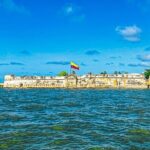
Next is Baluarte de San Ignacio, a bastion built to defend the Bay often described in dramatic terms as a place to protect from pirate attack. Here you’ll get history connected to the walls of Cartagena—Spanish military constructions and strategy.
After that comes Plaza de Bolivar, which is also used as a refresh moment. You’ll hear pirate and corsair references tied to what you just saw at the bastion, then you transition into a more reflective space dedicated to the precursor of independence.
This section is a good pacing tool. Bastion stories give your brain a break from the social-history focus without turning away from Cartagena’s reality. And plazas are naturally good spots to rest, rehydrate, and reset your attention before the later neighborhood vibe starts.
Parque Centenario: Shade, Animals, and the Old Station Feel
Parque centenario is a breather. It’s described as one of Cartagena’s important lungs, and it’s connected to a former railway station, with the area tied to a tropical dry forest relic.
The guide also points out wildlife you might see in the park, like sloths, squirrels, and iguanas. Even if you don’t spot every animal, the point is the shade and greenery break—something that matters in Cartagena, where walking in the hottest hours can drain you fast.
One review note that heat can be oppressive, so I’d treat this park stop as a sign: you’ll likely be happiest if you do this type of tour when the sun isn’t at its cruelest. If you can choose, late afternoon tends to feel more humane.
Getsemaní Ending: Umbrellas, Graffiti, Salsa, and Champeta
The last part moves into Barrio Getsemaní, one of the most colorful cultural corridors of the neighborhood. Here the focus shifts from grand institutions to street expression—umbrellas as a symbol tied to advertising, graffiti, and unique architecture.
Then the tour heads through Callejón Ancho, ending along Calle San Juan where you can hear salsa and African champeta. The neighborhood also includes the church and square of the Holy Trinity before the music vibe takes over.
Why this ending is worth it: you’re not leaving with only facts. You’re leaving with sensory memory. You can walk away knowing where the neighborhood energy comes from, not just where to take photos.
When the tour finishes at Plaza del Pozo in Getsemaní, you’ll be positioned well for your next steps—dinner, a casual drink, and a self-guided wander that feels more confident.
Price and Value: How $11.70 Adds Up
At $11.70 per person, this tour is priced like an efficient starter key for Cartagena. You’re paying for a guided route that touches a lot of themes in a small window: orientation in the walled city, slavery-era context, art exposure, human rights history, and then a clear transition into Getsemaní culture.
The value gets even better when your guide is strong. Many names show up again and again—Legxy, Robert, Liz, Alvaro, Ingrid, Dani, Mercedes, and others. People highlight English clarity, humor, and the way guides keep the group together. That matters, because in a shared tour, your experience rises or falls on how well the guide manages attention and timing.
Also, the stops are described as having free admission tickets. That means you’re not constantly paying extra at each location, which is a big deal when you’re trying to control your daily budget.
Who This Tour Fits Best (and When to Skip)
This is a great fit if you want a first-day plan that helps you navigate both the walled old city and Getsemaní. It’s also ideal if you like learning culture through stories, not through a rigid list of dates.
It may not be your best match if:
- you dislike slavery-history framing and want only lighter sightseeing
- you need a slower pace with lots of breaks (heat can be real here)
- you’re traveling with small kids, since one review said it wouldn’t work well for them
There’s also personal taste. One person found it boring and left early, which is a reminder: a history walk is still a history walk. If you’re not in that mood, save it for another day.
What to Bring: Heat, Comfort, and a Smarter First Walk
Bring water and wear a hat. That sounds basic, but it’s consistently the difference between a tour you enjoy and a tour you endure. Wear shoes you trust—this is a walking route with changes in streets and plazas.
If you can manage your schedule, consider doing it later in the day when temperatures feel less punishing. A late-afternoon start can make the same route feel easier, even if you’re still learning the same stories.
And if you care about seamless logistics, scan your map for the meeting point address and don’t rely only on the default pin. A small mismatch there can waste the first 10 minutes you could’ve spent settling in.
Should You Book This Historic Cartagena + Getsemaní Shared Tour?
Yes, I’d book it if you want a solid introduction that connects Cartagena’s buildings to real themes—Spanish-era planning, mixed Caribbean identity, trade and commerce, slavery-era history, human rights at San Pedro Claver, and then the street-life energy of Getsemaní.
Skip it if you want a purely casual stroll, you strongly prefer modern entertainment over history-heavy stops, or you travel with very young kids and need a less structured pace.
If you’re the type who likes to understand what you’re looking at before you wander, this tour is a smart, good-value move.
FAQ
How long is the Historic Center & Getsemaní shared tour?
It lasts about 2 to 3 hours.
Where does the tour start and where does it end?
It starts at Cl. 32 #841, La Matuna, Cartagena de Indias, and it ends at Plaza del Pozo in Getsemaní.
How big is the group?
The tour has a maximum of 25 travelers.
What locations are included?
The route covers Historic Cartagena and Getsemaní, with stops such as Camellón de Los Mártires, the Torre del Reloj, Portal de Los Dulces, Plaza de la Aduana, Museo de Arte Moderno Cartagena, the Sanctuary of Saint Peter Claver, Baluarte de San Ignacio, Plaza Bolívar, Parque centenario, and Getsemaní stops including Callejón Ancho and the Holy Trinity square.
Is admission required for the stops?
The tour description lists admission tickets as free for the stops.
What if the weather is poor?
The tour requires good weather. If it’s canceled due to poor weather, you’ll be offered a different date or a full refund. You can also cancel for a full refund up to 24 hours in advance.