REVIEW · CARTAGENA
Walled Cartagena: Group Tour with Live Audio System
Book on Viator →Operated by Beyond Colombia Free, Group & Private Tours · Bookable on Viator
Cartagena’s walls sound better with audio. This group tour through the Walled City uses a live audio system and a certified Spanish guide, weaving together quick stops at viewpoints, squares, and landmark buildings. Most admission is listed as free along the way, including a planned stop at Customs Square.
I like the built-in rhythm: short, timed pauses like the Clock Tower climb and the wall views at the baluartes keep the walk moving while still letting you take in the scenery. I also like the practical extras beyond sightseeing—an audio system you can pair with hearing aids if you prefer, plus a free walking tour map and local shop recommendations.
One consideration: this is a shared walk with a Spanish-speaking guide, and the time is outdoors. If you’re sensitive to heat or you need very clear narration, plan for extra buffer time at the start and bring sun protection.
In This Review
- Key highlights at a glance
- A Budget-Priced Walled-City Walk With Live Audio
- Your Route: Squares, Forts, Streets, and Panoramic Views
- Camellón de los Mártires and Torre del Reloj: Get Oriented Fast
- Plaza de los Coches and Plaza de la Aduana: Atmosphere and Administration
- Plaza de San Pedro Claver: Facing Cartagena’s People, Not Just Buildings
- Baluarte de San Ignacio: Fortified Walls and Real Views
- Museo Naval del Caribe: Maritime Cartagena Without the Overload
- Ladies Street and Colonial Architecture Stops: See the City Up Close
- Palacio de la Inquisición: A Stop With Teeth
- Plaza Santo Domingo and Baluarte de Santo Domingo: Social Life Meets Defense
- Guides, Language, and Why the Audio System Helps
- Price and Value: What $13 Really Buys
- Who This Tour Fits Best (and Who Might Want to Skip It)
- Should You Book Walled Cartagena?
Key highlights at a glance
- Live audio system helps you hear the guide in open squares
- Clock Tower climb and wall viewpoints for panoramic city photos
- Many stops list admission as free, including major landmarks
- Santo Domingo neighborhood + Historic Center focus instead of random wandering
- Max group size of 10 keeps the pace manageable
- Guide-led history on defense, administration, and people’s lives
A Budget-Priced Walled-City Walk With Live Audio
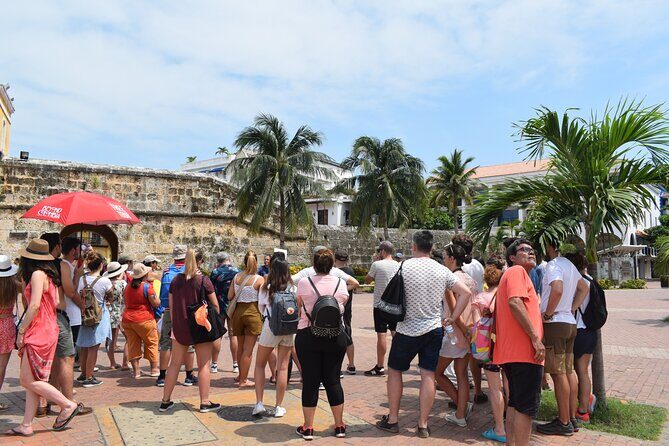
For $13 per person, this is the kind of tour you book when you want structure without spending museum-money all day. The biggest “value move” is the live audio system. Cartagena’s old streets and plazas can get loud or echoey, and standing still for a long explanation is easier when the guide’s voice is pushed to you clearly.
You’re also getting a set route through the historic core, not just a random stroll. The stops are designed to cover the Walled City’s main themes: how Cartagena defended itself, how it governed trade, and how different communities lived inside these walls.
This is also a smart first-day plan. In about 2 hours 40 minutes, you’ll see a lot of the shapes and places you’ll keep noticing later—tower, squares, forts, and landmark buildings—so you can navigate the area with more confidence.
Other Walled City and Old Town tours in Cartagena

Your Route: Squares, Forts, Streets, and Panoramic Views
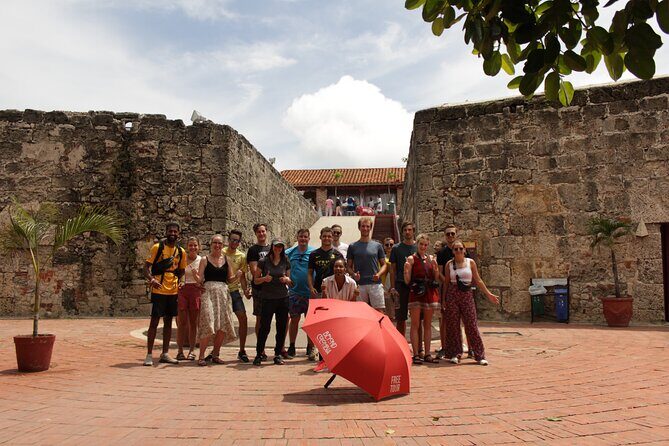
The itinerary is built from short segments (about 13 minutes each). That matters because the Walled City is compact but not easy walking when it’s hot and humid. Short explanations plus frequent visual anchors let you process what you’re seeing without losing the thread.
You’ll move through:
- viewpoint spots (the kind where you’ll understand why the fortifications mattered)
- administrative and religious squares
- defensive walls and strongholds
- museum time (naval history)
- streets that show daily life and architecture
- one of Cartagena’s most intense historical sites (the Palace of the Inquisition)
The tour covers the Santo Domingo neighborhood too, so you’re not stuck only with the most famous postcard streets. It’s a good balance of big names and the surrounding context.
Camellón de los Mártires and Torre del Reloj: Get Oriented Fast
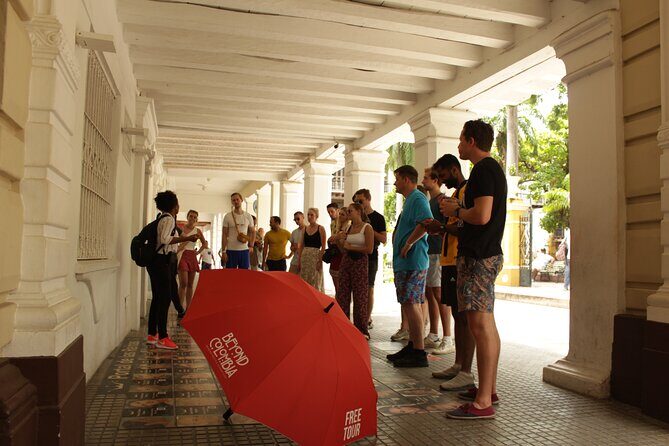
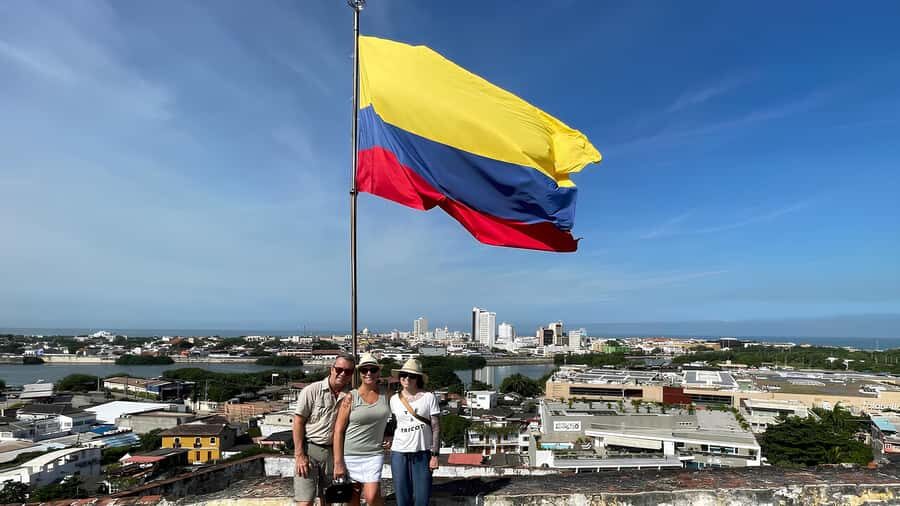
You start at Camellón de los Mártires, a place tied to historical events and designed for views over the city. Even if you only take in the panorama for a few minutes, it helps you understand the geography: Cartagena wasn’t built just for looks. The layout and visibility mattered for defense and for controlling movement.
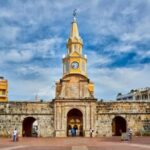
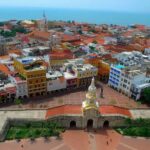
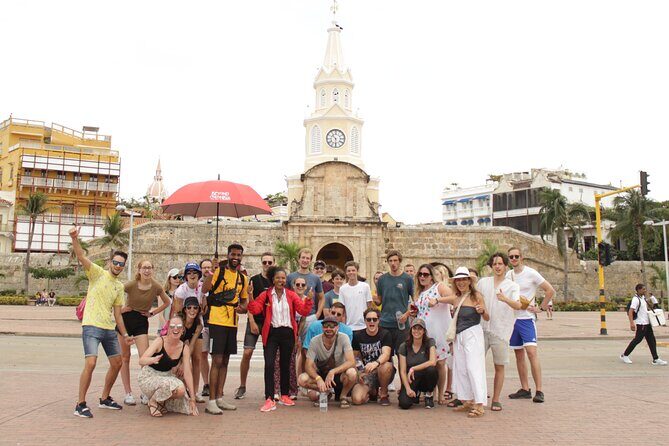
Then comes Torre del Reloj, Cartagena’s symbol. The tour includes a climb to the top, which is one of the most practical things you can do early. From above, the historic center becomes easier to read—streets line up more clearly, and you can see why the walls and forts protect certain approaches.
This is also where the audio system really earns its keep. You’re likely moving and adjusting your angle for photos, and clear narration helps you connect the view to the story you’re being told.
Plaza de los Coches and Plaza de la Aduana: Atmosphere and Administration
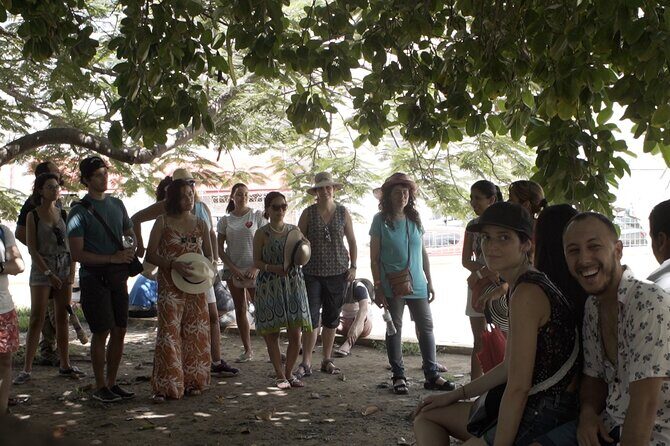
Next up is Plaza de los Coches, a social-feeling break in the route. The point here isn’t a museum-style stop—it’s atmosphere. You’ll get history of the plaza and see key buildings surrounding it, which helps you understand how public spaces functioned as stages for daily life.
Then you reach Plaza de la Aduana (Customs Square), described as the administrative heart of the city. The important practical detail: admission is included for this stop. That usually means less friction for you, because you’re not juggling extra ticket steps while you’re already navigating the heat and walking.
Customs Square is the place where you’ll connect Cartagena’s power to trade and control. Even in a short time, you’ll get the “why” behind the grand colonial architecture—this wasn’t just decorative. It was built to manage commerce and authority.
Plaza de San Pedro Claver: Facing Cartagena’s People, Not Just Buildings
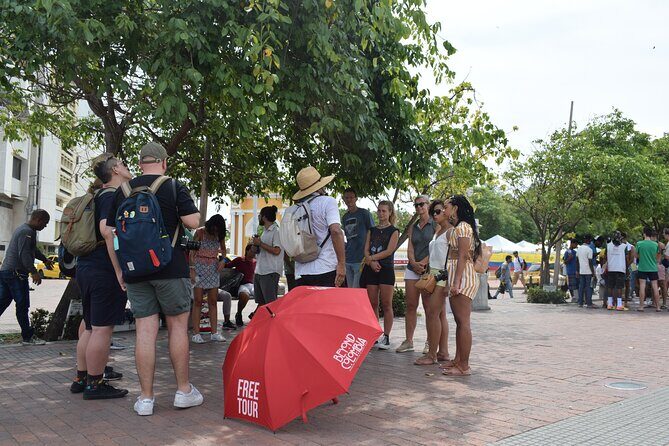
At Plaza de San Pedro Claver, the focus shifts toward reflection and respect, specifically through history tied to slavery in Cartagena and the struggle for equality.
This part of the tour can feel heavier than the fort-and-tower stops. That’s not a flaw—it’s the real point. If you’re only hunting for pretty walls, you’ll miss a big chunk of what made Cartagena’s story so complicated.
If you’re someone who appreciates context, this stop is worth your attention even if you’re ready for shade. The audio and the guide’s pacing help you absorb it without feeling like you’re being rushed.
A few more Cartagena tours and experiences worth a look


Baluarte de San Ignacio: Fortified Walls and Real Views
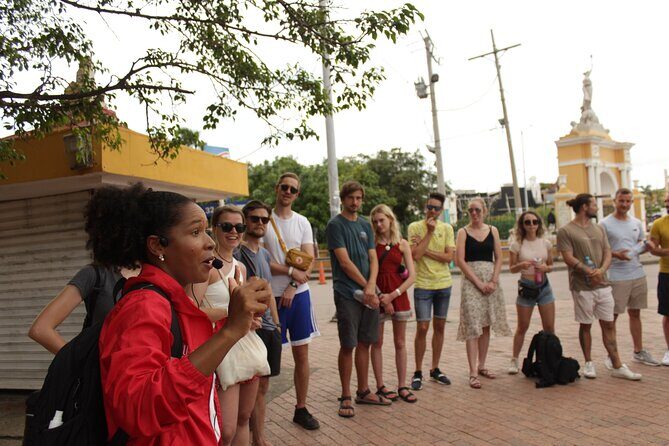
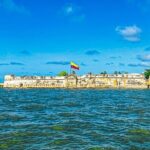
Baluarte de San Ignacio is one of Cartagena’s important fortifications. You’ll climb its walls for views and hear how it played a role in defending the city.
Fort stops can be either a quick photo opportunity or a meaningful lesson. In this case, the connection is clear: you see elevation and angles, then you’re told why those mattered. When you stand where soldiers would have watched, the city stops feeling like a backdrop and starts feeling like a defended system.
One small practical note: plan for more standing. Even though each segment is short, you might be in sun while you look out over the walls. Bring water and use sunscreen.
Museo Naval del Caribe: Maritime Cartagena Without the Overload
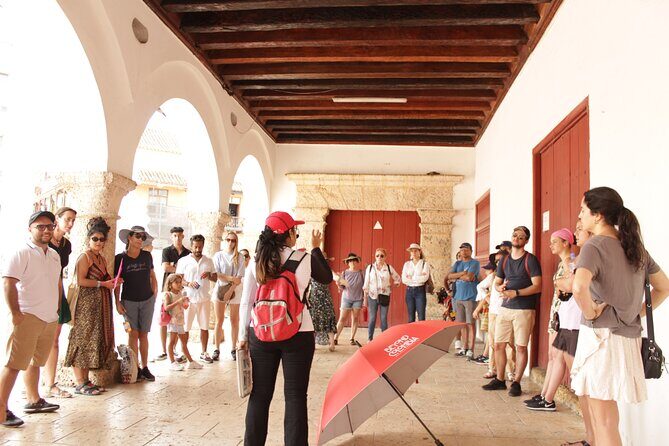
At the Museo Naval del Caribe, you learn about Cartagena’s naval history and view maritime objects and artifacts. This is your indoor-to-semi-indoor break in the flow, and it’s especially useful if you want the city’s defense story backed up with more than just talk.
The tour notes that the stop’s admission is free, which is great value for museum time inside a guided route. You’re not committing to a long self-guided museum session; you’re getting a guided orientation first, then you can decide what you want to linger over.
If you tend to get museum fatigue, keep it simple here: focus on the highlights you can photograph or the objects that visually match the stories you already heard about defense and trade.
Ladies Street and Colonial Architecture Stops: See the City Up Close
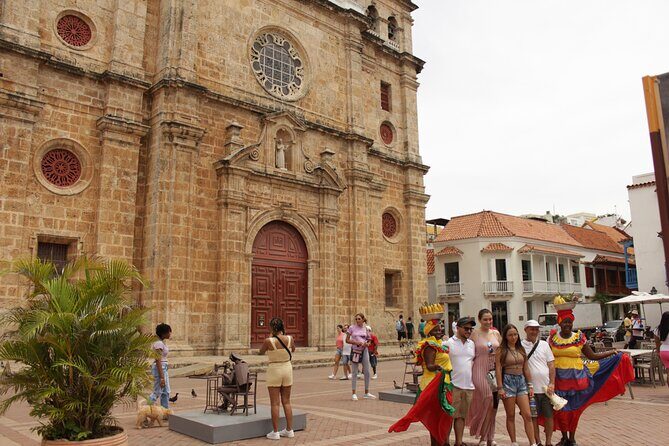
Two stops focus on streets and architecture:
- Centro Calle de las Damas (Ladies Street)
- a nearby street stop at Cl. 32 # 421
These are the kinds of moments that make the difference between a “seen it” trip and a “I get it” trip. From these street-focused points, you’ll pick up how Cartagena’s older buildings reflect different architectural styles and how daily life played out on the ground.
Ladies Street is described as one of the oldest streets in Cartagena, and the guide explains daily life of residents in earlier times. Even if you can’t picture every detail, you’ll start noticing patterns—balconies, facades, street width, and how buildings frame the public space.
It’s also a nice way to break up the big landmark stops with human-scale street understanding.
Palacio de la Inquisición: A Stop With Teeth
Palacio de La Inquisición is the most intense stop on the route. The tour includes visiting rooms and dungeons, and it covers the history of the Inquisition in Cartagena.
This is not a light “quick photo” stop. You’ll want to be mentally ready for what that history implies. The value of having a guide here is huge: you can make sense of what you’re looking at instead of just walking through dark rooms guessing what each space is.
Admission is listed as free for this stop, which helps the overall value of the tour. Still, the real cost here is emotional energy—so take your time and don’t feel pressured to rush through.
Plaza Santo Domingo and Baluarte de Santo Domingo: Social Life Meets Defense
Then the tour moves to Plaza Santo Domingo, described as the heart of Cartagena’s social life. You’ll see the sculpture of The Half-Blood and hear about the history of the place. After the heavier Inquisition stop, this can feel like a breath—life, culture, gathering.
But you don’t stay only in the social layer. The next stop is Baluarte de Santo Domingo, another major stronghold where you climb for views and learn about its defense role. So you get a two-part lesson: how people lived publicly in plazas, and how the city safeguarded itself at the same time.
This pairing works well because you start to connect street-level energy with the bigger defensive logic above it.
Guides, Language, and Why the Audio System Helps
A few guide names show up in different groups—Fernando, Pedro, Kayla, Eddy, and Elis. That’s a good sign for variety of teaching styles, from energetic and fun to more story-focused.
Because the guide is certified in Spanish, the narration is in Spanish. The live audio system makes a big difference here. You can hear the story clearly, and you can bring hearing aids if you prefer. If you’re relying on the audio, I’d strongly suggest you choose seats or standing positions that keep the speaker angle working for you.
One more practical reality: some people find heavy heat and long narration tiring, especially when groups are moving between plazas. Your best move is to treat the tour like a history walk, not a casual sightseeing stroll. If you want fast, relaxed wandering, you’ll probably feel impatient.
Price and Value: What $13 Really Buys
At $13 per person for roughly 2 hours 40 minutes, you’re paying for three things:
- a route through the Walled City’s key points
- guided explanations connecting the places to Cartagena’s story
- the live audio system and the practical add-ons
The most tangible value is that many stops list admission as free, and one stop (Plaza de la Aduana) lists admission as included. That means your money goes more toward the guidance and less toward ticket juggling.
You also get a free walking tour map, plus recommended partner benefits and discounts if you show them. The guide also gives local shop recommendations for lunch, coffee, souvenirs, and more—helpful because Cartagena’s “what should I eat today” question is real after you’ve walked a few hours.
Just remember: lunch and tips are not included, so you’ll want cash or card plans for your breaks.
Who This Tour Fits Best (and Who Might Want to Skip It)
This works best if:
- you’re seeing the Walled City for the first time and want structure
- you like history that connects buildings to power, defense, and daily life
- you appreciate a guided explanation rather than reading signs alone
- you want a small group (max 10), not a big bus-style crowd
It may be less ideal if:
- you need a fully English experience (the guide narration is in Spanish)
- you dislike long periods of standing and listening in heat and humidity
- you want a slow, leisurely pace with lots of free time between sights
One practical tip regardless: the Walled City is hot. Dress for sun, bring water, and don’t treat the start time as a suggestion. Early arrival reduces stress.
Should You Book Walled Cartagena?
If you want a smart first look at Cartagena’s Walled City with live audio, small-group pacing, and a route that hits viewpoints, forts, major squares, and one powerful historical interior, this is an easy yes. The price-to-time ratio is strong, and the “free admission” structure for many stops makes it feel like you’re paying mainly for the guidance.
I’d book it especially if you’re ready for history explanations in Spanish and you like having a plan. If you’re trying to avoid heat or need a fully language-accessible narration, consider your comfort level before committing.