REVIEW · CARTAGENA
Historical private Tour
Book on Viator →Operated by Tasting Cartagena with Julie Munera · Bookable on Viator
Cartagena history comes with a view. This private historical tour is built for a tight loop through the old-city highlights, starting with 360-degree panoramas from La Popa. You’ll also get pickup arranged by WhatsApp and an English-speaking guide, so you can focus on seeing instead of plotting your route.
I love that admission tickets are included for La Popa Convent and Castillo de San Felipe de Barajas, which cuts down on hassle during your 4 hours. I also love how Julie Munera blends the facts with real Cartagena context—history, local customs, and practical guidance—while staying flexible about what you care about most.
The main drawback to consider is the pace. Several stops are short plaza moments for photos and quick orientation, and you’ll spend some time moving between viewpoints, so comfortable walking helps.
In This Review
- Key Highlights You’ll Actually Feel During This Tour
- First Impressions: A 4-Hour Cartagena Loop That Makes Sense
- Price and Value: Why $130 Per Person Can Be a Smart Buy
- Your Guide: Julie Munera and a Route That Can Flex
- Stop 1: La Popa Convent—Start With the View, Then Get the Meaning
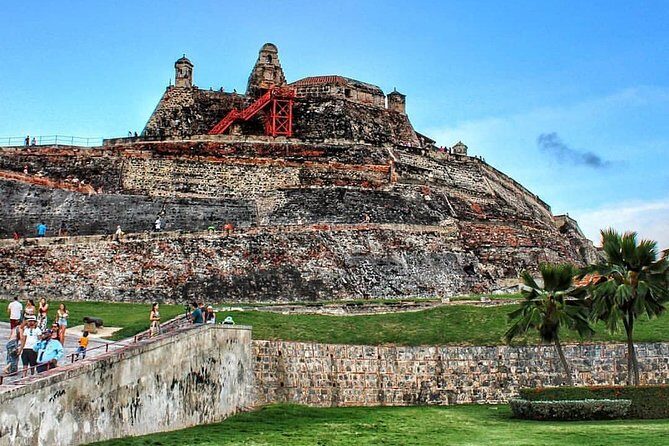
- Stop 2: Castillo de San Felipe de Barajas—The UNESCO Fortress Moment
- Stop 3: Plaza Santo Domingo—Botero in Front of a Famous Church
- Stop 4: Plaza de Bolívar—The Statue, the Birds, and the Colonial Layout
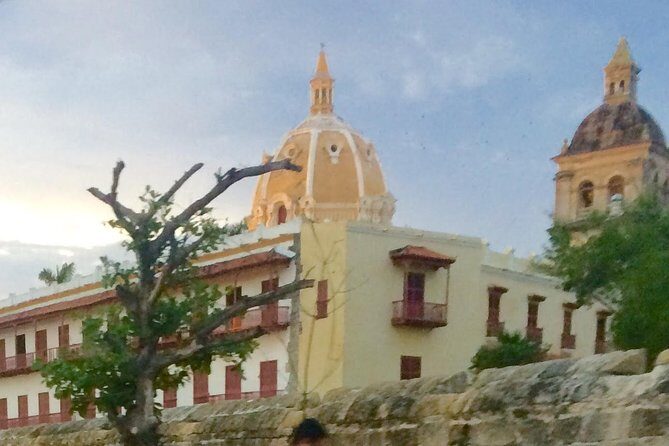
- Stop 5: Plaza de San Pedro Claver—A Catholic Temple With a Direct Connection
- Stop 6: Plaza de la Aduana—Columbus, Old Slave Trading, and a Cultural Shift
- Stop 7: Torre del Reloj—The Clock Tower as the Fortified City’s Gate
- Stop 8: Barrio Getsemaní—Color, Culture, and Where People Actually Meet
- Practical Tips: Timing, Weather, and How to Get Better Photos
- Who This Tour Fits Best (and Who Might Want Something Different)
- Should You Book This Private Cartagena Historical Tour?
- FAQ
- Is this a private tour?
- How long is the Cartagena tour?
- Is pickup included?
- What language is the tour in?
- Are admission tickets included?
- What if the weather is bad?
- Can most people participate?
Key Highlights You’ll Actually Feel During This Tour
- Private time with your group only, not a crowded bus shuffle
- La Popa’s viewpoint plus UNESCO Castillo, so you get both angles and architecture
- Included admission at two major sites, while other stops stay free
- Cartagena landmarks in one loop, from Botero to Bolívar to Columbus
- Barrio Getsemaní culture at the end, where locals and visitors mix
- WhatsApp pickup coordination, handy if you’re staying in the historic area
First Impressions: A 4-Hour Cartagena Loop That Makes Sense
This tour is designed for people who want the essentials of Cartagena without spending the day “hoping for the best.” In about four hours, you’ll cover big-viewpoints, fortress energy, and the postcard squares that define the historic center.
What makes it work is the flow. You start at a high vantage point, then move into heavier landmark territory with the castle, then finish with plazas and street-level culture in Getsemaní. It feels like getting your bearings fast, with enough stops to stitch the story together.
And since it’s private, you’re not stuck waiting on anyone else’s pace. The guide can slow down when you want photos, or speed up when you’d rather move on.
Other private tours in Cartagena

Price and Value: Why $130 Per Person Can Be a Smart Buy
At $130 per person for roughly 4 hours, the value depends on what you’d otherwise spend trying to DIY.
Here’s the clear win: tickets are included for La Popa Convent and Castillo de San Felipe de Barajas. Those two stops alone often cause the most friction on your own—finding the right entry points, timing, and figuring out what’s worth paying for. With this tour, you’re pre-aligned with the visit.
You also get pickup offered and an English-speaking guide, which is not just convenience. It’s time saved when you’re navigating a historic center full of twisting streets and overlapping landmarks. Even if you’re a confident navigator, having someone “translate” the city while you’re there is a big payoff.
One more value point: the tour includes several stops where entry is free, like the plazas featuring Botero, Bolívar, San Pedro Claver, Columbus, and the clock tower. So you don’t feel like you’re constantly paying to keep moving.
Your Guide: Julie Munera and a Route That Can Flex
The experience is powered by Julie Munera, and that matters. Based on what people loved, Julie’s style is part historian, part local connector. You get the timeline and the meaning, but you also get practical guidance and a sense of what to pay attention to as you walk.
You’ll also appreciate the flexibility. Even though there’s a clear route, Julie doesn’t feel trapped by it. People specifically praised the right blend of history and local culture, and the way she focuses on what you want more than a rigid script.
If you’re the type who wants a bit more context before photos, or you’d rather zoom through the plazas and spend more time at viewpoints, a private setup makes that easier.
Stop 1: La Popa Convent—Start With the View, Then Get the Meaning
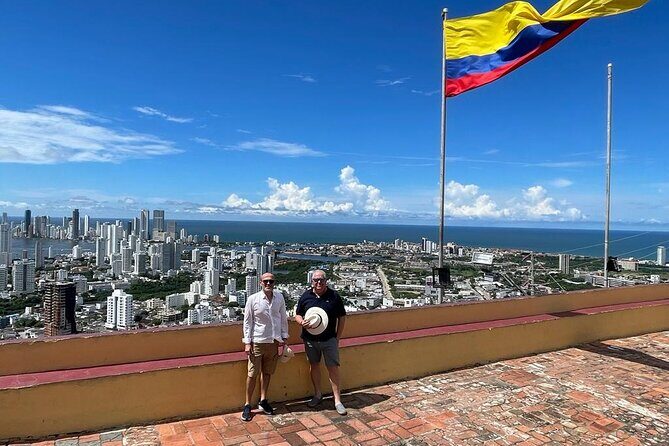
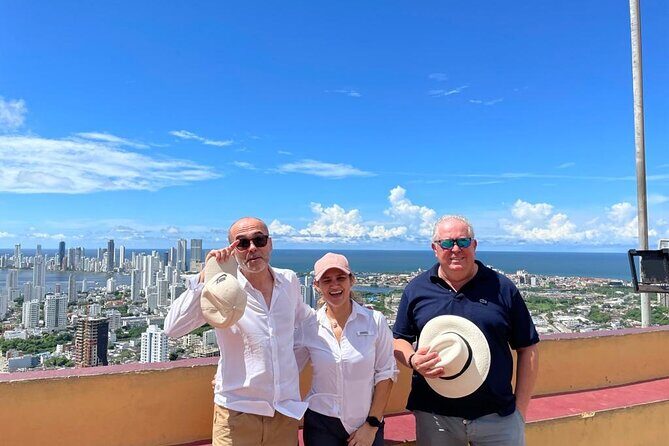
You begin at La Popa Convent, the highest point in Cartagena. The payoff here isn’t just that it’s up high—it’s that you get a 360-degree sense of where the city sits and how the old fortifications relate to the modern streets.
After the panorama, you visit an old monastery. The way the tour frames it is tied to how conquerors used religion as a tool, described as a main weapon against evil forces. You don’t just see a building—you’re given a lens for understanding why it mattered in that era.
Why I like this start: it sets your mental map early. Then when you head into the castle and the historic squares, you’re not just checking off places—you’re connecting them.
Possible consideration: being at the top means you should expect some walking up and down, and the view depends on weather. If the day is cloudy or rainy, your photo potential can drop.
Stop 2: Castillo de San Felipe de Barajas—The UNESCO Fortress Moment
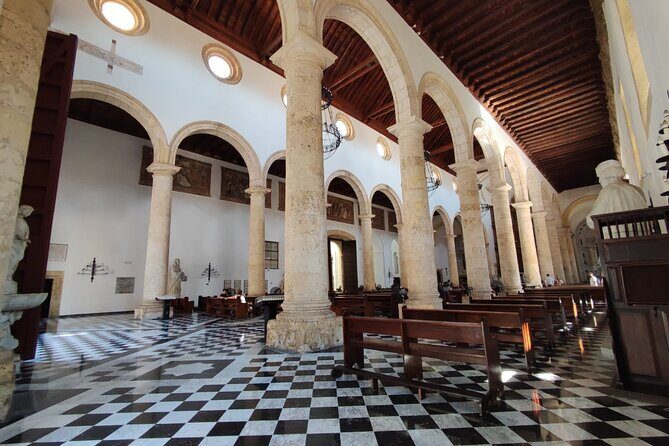
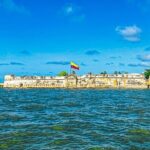
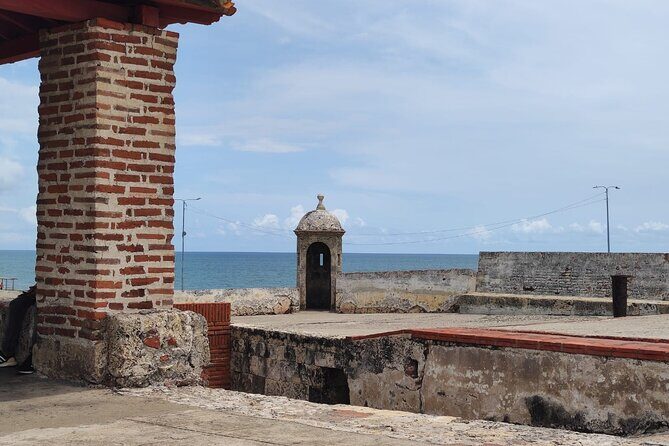
Next comes Castillo de San Felipe de Barajas, built in 1536 on the Hill of San Lázaro. The tour notes the strategic location, and it’s also declared by UNESCO as a World Heritage Site, which signals that this isn’t just a pretty ruin—it’s a key piece of Cartagena’s defensive story.
At around an hour, you’ll have time to understand what you’re looking at without feeling like you’re rushed through the basics. The fortress setting also helps you grasp why Cartagena had to defend itself so seriously. You’ll see the city’s priorities made visible in stone.
What to watch for: fortress architecture can feel repetitive if you don’t get context. The guide’s job here is to give you talking points—why this position mattered, how the castle fits into Cartagena’s larger defense logic, and what to focus on as you move around.
If you’re short on time in Cartagena, this is one of the stops that makes your day feel “complete.”
Other historical tours in Cartagena




Stop 3: Plaza Santo Domingo—Botero in Front of a Famous Church
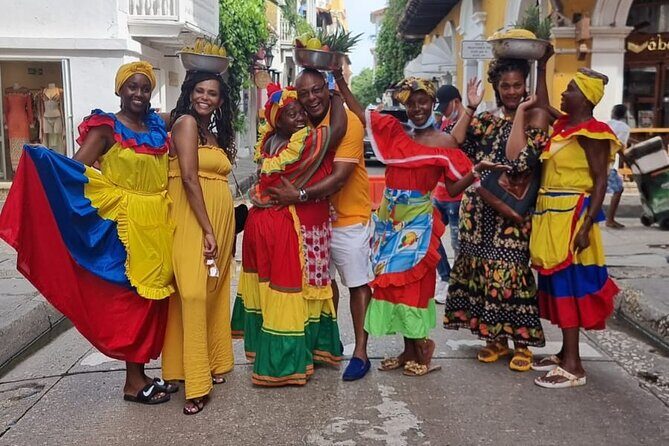
Then you transition to Plaza Santo Domingo, where you’ll spend about 20 minutes. This is a quick stop, but it’s a smart one because it gives you an easy culture hit.
You’ll see a sculpture by the famous Colombian artist Botero in front of one of Cartagena’s mythical churches. Even if you’re not a serious art person, Botero’s oversized, playful style tends to stick in your memory. It also breaks up the heavier fortress theme with something more human and playful.
The potential drawback: since the time is brief, treat this as a orientation-and-photos stop. If you want to study art slowly, you may wish you had more time—but that tradeoff is part of the tour’s efficiency.
Stop 4: Plaza de Bolívar—The Statue, the Birds, and the Colonial Layout
At Plaza de Bolivar, you get another quick but meaningful look. The tour highlights the Bolívar statue surrounded by nature and birds singing—details like that matter because they help you feel the square as a living place, not a stage set.
You’ll also notice it’s diagonal to the Palace of the Inquisition, described as baroque and colonial architecture. That relationship is useful: it helps you see how power and religion occupied the same urban space, just a short walk away.
If you enjoy historic squares as “story hubs,” this stop will feel worth it even in a short time window.
Stop 5: Plaza de San Pedro Claver—A Catholic Temple With a Direct Connection
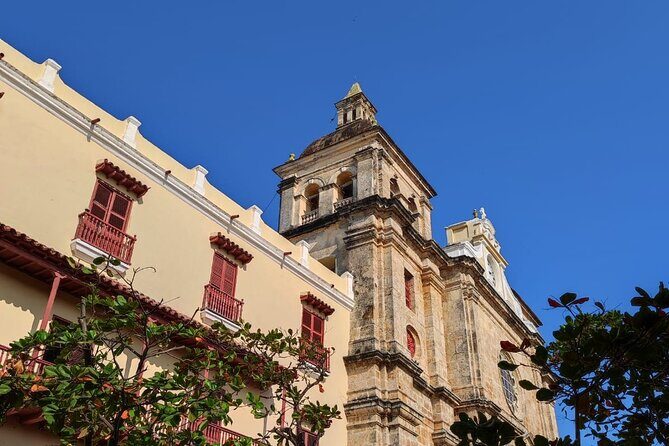
Next is Plaza de San Pedro Claver, a stop built around the Church of San Pedro Claver. The tour frames it as a Colombian Catholic worship temple dedicated to San Pedro Claver, and it notes that his remains are found on the main altar.
This isn’t just name recognition. When a stop includes that kind of direct connection, it tends to make the visit feel more grounded. You can tell the guide what you want—religious meaning, historical context, or just “what am I seeing”—and Julie can steer.
Time is again about 20 minutes, so don’t expect a long interior-focused experience unless you’re asking for extra attention while you’re there.
Stop 6: Plaza de la Aduana—Columbus, Old Slave Trading, and a Cultural Shift
At Plaza de la Aduana, the atmosphere changes. You’ll see wide colonial-era surroundings and a statue of Christopher Columbus.
What makes this square heavier is the tour’s note that it was historically a slave trading area, now centered on cultural manifestation. That contrast can hit you if you let it. It’s a reminder that Cartagena’s beauty and its pain share the same streets.
This stop is only about 20 minutes, but it’s one of those moments where you’ll likely remember the location more clearly because of the story attached to it.
Stop 7: Torre del Reloj—The Clock Tower as the Fortified City’s Gate
Then you reach Torre del Reloj, an iconic structure about 30 meters high. The tour describes it as the main gateway to the historic center of Cartagena de Indias and the original entrance to the fortified city.
This is the kind of landmark that helps you translate everything you saw earlier. You’re not only looking at a tower—you’re understanding it as a threshold, a reminder that this area was once about controlled entry and defense.
Expect another 20-minute photo-and-orientation window. If you’re photographing architecture, you’ll likely find good angles here.
Stop 8: Barrio Getsemaní—Color, Culture, and Where People Actually Meet
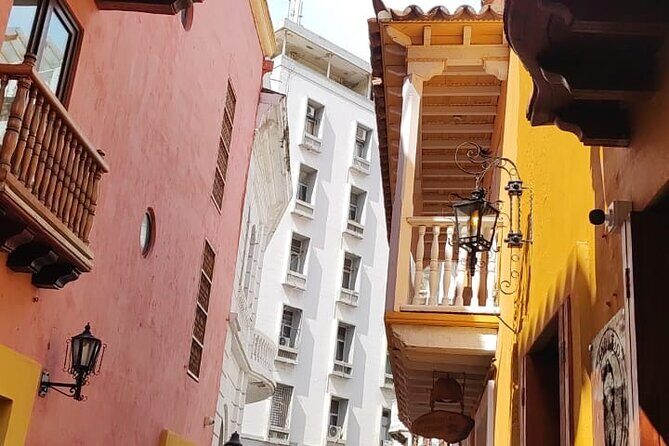
You finish in Barrio Getsemaní, described as Cartagena’s most colorful neighborhood. The tour explains that the houses originally served labor people and enslaved people, and today the area is a center for cultural events and a meeting point for both tourists and locals.
This ending matters because it pulls you out of “historic site mode” and back into the city as it lives now. You’re not only learning what the past was; you’re seeing what the neighborhoods have become.
Time is about 20 minutes, so it’s not a deep Getsemaní exploration, but it’s enough to give you a sense of where you’d want to go next on your own.
Practical Tips: Timing, Weather, and How to Get Better Photos
A few practical things will make this tour smoother.
First, good weather matters. If it’s canceled due to poor weather, you’ll be offered a different date or a full refund. Since you’ll be outdoors for multiple stops and viewpoints, cloudy or rainy conditions can affect both views and comfort.
Second, plan for a walking rhythm. The tour includes a very high viewpoint at La Popa and also hill territory around the castle. Even if the stops are time-boxed, you’ll still be on your feet between locations.
Third, bring a camera strategy. With quick plaza stops like Santo Domingo, Bolívar, San Pedro Claver, and Aduana, it helps to decide what you want in your photos before you arrive. Otherwise you’ll lose time switching between angles.
If you’re traveling with a group, the private format usually keeps things calmer. It also helps when you want to pause for questions without feeling rushed.
Who This Tour Fits Best (and Who Might Want Something Different)
This private historical tour is a great match if you:
- Want a 4-hour highlights route that includes both viewpoints and major landmarks
- Prefer a guided explanation over guessing your way through plazas
- Care about photos but also want meaning behind what you see
- Like the idea of an English-speaking guide and pickup coordination
It may be less ideal if you:
- Want hours inside museums or a slow, deep study of one site
- Hate walking between viewpoints or need long indoor breaks
- Are traveling on days when you can’t spare flexibility for weather
Think of this as a smart “connect-the-dots” tour. It helps you understand Cartagena faster, then guides you to what you should explore again later on your own.
Should You Book This Private Cartagena Historical Tour?
Yes—if your goal is to see Cartagena’s most recognizable landmarks with less stress, and you like the idea of having tickets handled for the two big stops.
Book it particularly if you’re a first-timer or if you want a guided route that still leaves you enough energy to keep exploring after. The included admissions and the private pace make the $130 feel more like value than just a sightseeing fee.
If you’re someone who hates quick plaza stops or you need lots of extra time at one single site, you might feel slightly rushed. In that case, consider booking a longer, single-neighborhood or single-site style tour instead.
FAQ
Is this a private tour?
Yes. It’s a private tour/activity, and only your group participates.
How long is the Cartagena tour?
The duration is about 4 hours.
Is pickup included?
Pickup is offered. You’ll need to contact the provider by WhatsApp to agree where to pick you up.
What language is the tour in?
The tour is offered in English.
Are admission tickets included?
Admission tickets are included for La Popa Convent and Castillo de San Felipe de Barajas. Other plaza stops listed are free.
What if the weather is bad?
This experience requires good weather. If it’s canceled due to poor weather, you’ll be offered a different date or a full refund.
Can most people participate?
Most travelers can participate, and service animals are allowed. The tour is also near public transportation.