REVIEW · CARTAGENA
Cartagena Private Tour of the Walled City & Getsemani
Book on Viator →Operated by NEXPERIENCE · Bookable on Viator
Follow the walls and the street art. This private walk threads Cartagena’s colonial defense story with Getsemaní’s murals, so you see graffiti and the reasons the city walls exist. I also like the human side: you stop in plazas, talk with your guide, and get practical tips for where to eat, drink, and what to see next. One thing to plan for: it’s mostly outdoors, and hot weather can affect pacing and timing.
A private format really helps here. Guides like William and Álvaro get praised for adjusting the pace, answering questions clearly in good English (and even other languages), and letting you pause for photos without feeling rushed.
In This Review
- Key highlights you’ll care about
- What you’re really getting in Cartagena’s Walled City and Getsemaní
- Price and value: what $50 means in real terms
- Getting there and ending at the defensive system
- The walk begins: Torre del Reloj and Plaza de la Aduana
- Modern art and resistance at Museo de Arte Moderno Cartagena and Plaza de San Pedro Claver
- Baluarte de San Ignacio to Plaza de Bolívar: why the walls mattered
- Calle de San Juan: art, champeta, salsa, and street rhythm
- Calle de la Sierpe and the umbrella alley: legend, craft, and color
- Parque centenario: a nature break with surprises
- Camellón de los Mártires and Calle del Pozo: statues, Pegasus, and pirate-era memory
- How the guides shape the experience (and who to ask for)
- Practical tips: heat, water, tips, and street sellers
- Should you book this tour or do it on your own?
- FAQ
- How long is the Cartagena Private Tour of the Walled City & Getsemani?
- What is the price per person?
- Is this tour private?
- Where does the tour start and end?
- Are there admission tickets included?
- What should I do if the weather is bad?
- When do I get confirmation after booking?
- Are service animals allowed?
- What is the cancellation window?
Key highlights you’ll care about
- Walled City + Getsemaní in one route: you’ll connect the colonial center to the colorful streets right outside it
- Street art stops with real context: murals aren’t treated like decoration; they’re part of the neighborhood story
- History tied to named places: you’ll hit sites tied to conquest, slavery, independence, and pirate-era defenses
- Food tasting during the walk: you’ll sample fried foods while learning about church-era importance
- Photo-friendly pacing: guides are known for slowing down when you want to stop and shoot
- Local wildlife moment: Parque centenario can offer sloth bears, iguanas, monkeys, and birds if you stay alert
What you’re really getting in Cartagena’s Walled City and Getsemaní
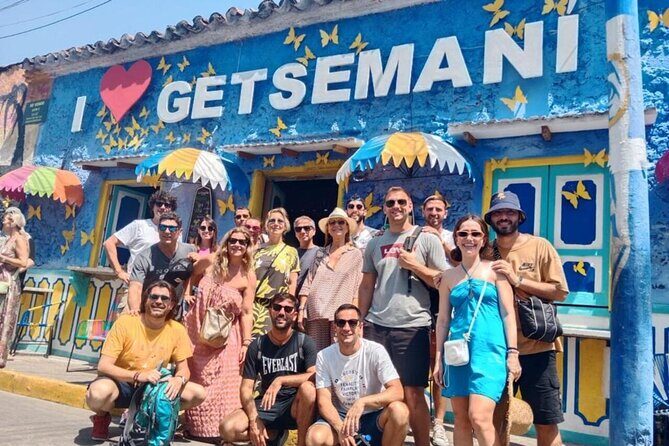
This tour works because it treats Cartagena like two chapters that belong together. The Walled City shows you how power, religion, and survival shaped the streets. Getsemaní shows you how people live with that past now—through murals, music culture, and everyday street life.
You’re not just sightseeing. You’re learning how people used these places: where the city tried to protect itself, where power was enforced, and where culture has kept changing. And since it’s private, you can steer toward what you care about more—history, art, or food—without losing the thread of the route.
Other Walled City and Old Town tours in Cartagena
Price and value: what $50 means in real terms
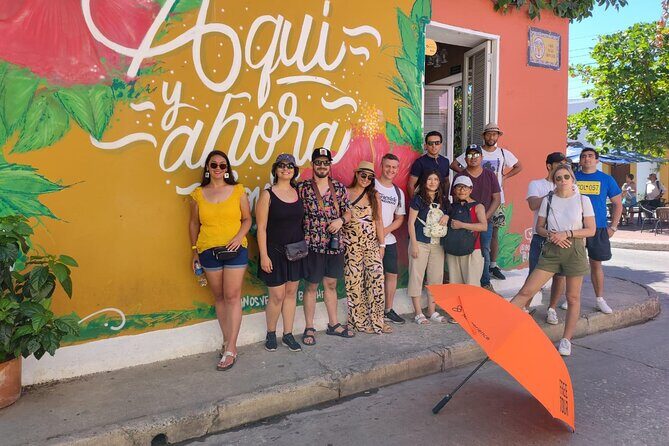
At $50 per person for about 2–3 hours, you’re paying for three things that are hard to replace on your own:
First, you get a guided walk that links art and architecture to specific people and events. That turns a pretty street into something you actually understand.
Second, the tour includes free admission tickets at multiple stops. That matters in Cartagena, where “free” can sometimes be rare once you start adding up site costs.
Third, you’ll leave with ready-to-use guidance: where to eat, what to drink, and what parts of Cartagena are worth a detour. Multiple guides have been praised for handing out strong recommendations, not generic “you should visit this” lists.
If you’re doing Cartagena for the first time, this price often feels like a time-saver. You’re buying clarity and momentum.
Getting there and ending at the defensive system
The start is in La Matuna at Cl. 32 #841. You’ll meet, then walk your way through the old quarters. The tour ends on Calle de San Juan in Getsemaní, with the final point at the Santa Bárbara Bastion, part of the defensive system that protected the main access road from the mainland.
This layout can be convenient if you’re staying around the old city area. It can also be useful if you want to keep exploring afterward on foot, since Getsemaní is where you’ll likely want to wander next.
The meeting point is near public transportation, and service animals are allowed. You’ll also get confirmation at booking time.
The walk begins: Torre del Reloj and Plaza de la Aduana
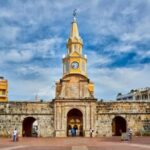
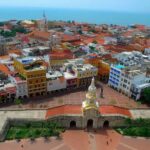
You kick off at Torre del Reloj, a place where the story reaches back before the Spanish conquest. The focus is on who lived here first, then how the conquest changed everything that followed. The goal is to help you read the city like a timeline, not a random collection of landmarks.
Next you head to Plaza de la Aduana. Here the story sharpens around conquest methods and slavery, with a direct thread to San Basilio de Palenque. Even if the names feel new, your guide’s job is to tie them to what you’re standing near—so you’re not just collecting dates.
Both stops are short, which is smart. You get the framework fast, then the route keeps moving so you don’t lose energy.
Modern art and resistance at Museo de Arte Moderno Cartagena and Plaza de San Pedro Claver
Cartagena doesn’t only remember battles with cannons. It also remembers with art, and you’ll feel that at the Museo de Arte Moderno Cartagena. The visit is brief, but it’s placed in the middle of the route for a reason: it’s a reminder that culture keeps evolving even when politics gets brutal.
Then you shift to Plaza de San Pedro Claver, centered on the story of San Pedro Claver, often described through the phrase slave of slaves—someone who fought against enslavement within the system of the Spanish empire. The plaza setting matters. It gives you a strong “this happened here” feeling, instead of keeping the subject trapped in a textbook tone.
This part of the tour can be heavy. It’s also one of the most important segments if you want a full picture of Cartagena beyond postcards.
Other Getsemani tours in Cartagena
Baluarte de San Ignacio to Plaza de Bolívar: why the walls mattered
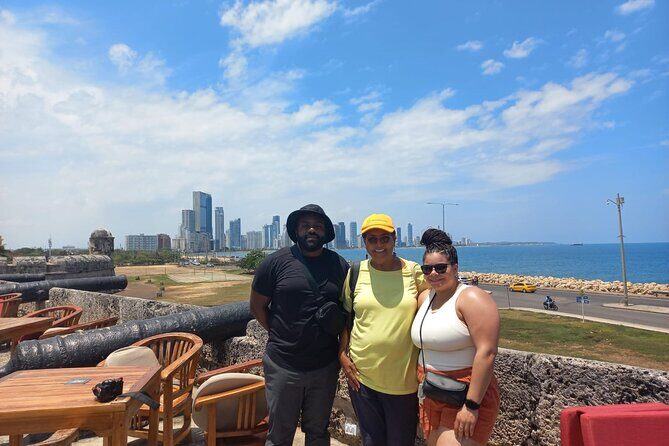
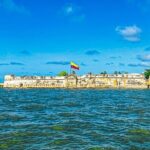
At Baluarte de San Ignacio, the focus moves to siege life—pirates and corsairs—and the logic behind Cartagena’s walls. You’ll hear how the city adapted its defenses to keep control of the access road. This is where you start connecting the geography to the history.
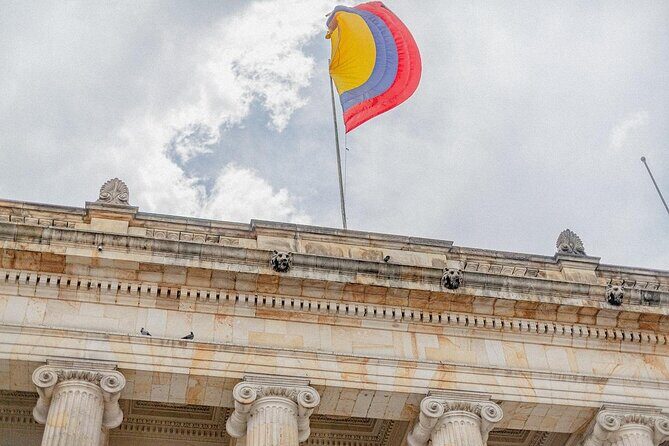
After that comes Plaza de Bolívar, where the tour turns from colonization into independence in Cartagena and Colombia more broadly. This stop helps you see the city as something people fought for, not just something built by outsiders.
If you like understanding the “why” behind the streets, this pairing is one of the most satisfying parts. The walls stop being a tourist attraction and start acting like evidence.
Calle de San Juan: art, champeta, salsa, and street rhythm
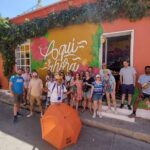
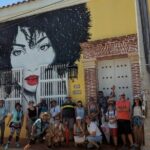
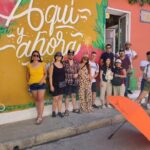
Calle de San Juan is where the route gets playful without losing purpose. You’ll talk about art and street culture, and how genres like champeta and salsa link people to identity. Then there are the visuals—graffiti and colorful details—that make this street feel like a moving gallery.
This is also one of the places where you’ll likely want to slow down. The tour style encourages you to notice what’s around you, not just listen while walking past it.
Calle de la Sierpe and the umbrella alley: legend, craft, and color
At Calle de la Sierpe, the walk centers on legends and graffiti. You’ll pass a Lemaitre soap and perfume store, which adds a more industrial and commercial angle to the neighborhood story. It’s a nice break from pure politics, because it shows how everyday business and culture share the same space.
Then you reach Plaza de La Trinidad. This stop includes a tasting of fried foods while your guide explains the importance of the church and the plaza. You’ll also hear about figures like Pedro Romero and Father Omaña, plus the graffiti of Maria Mulata. It’s a lot of names, but the setting makes them easier to remember.
Next up is Calle del Guerrero, where the conversation turns toward trades and customs—how people earned a living and what that tells you about the neighborhood’s social structure.
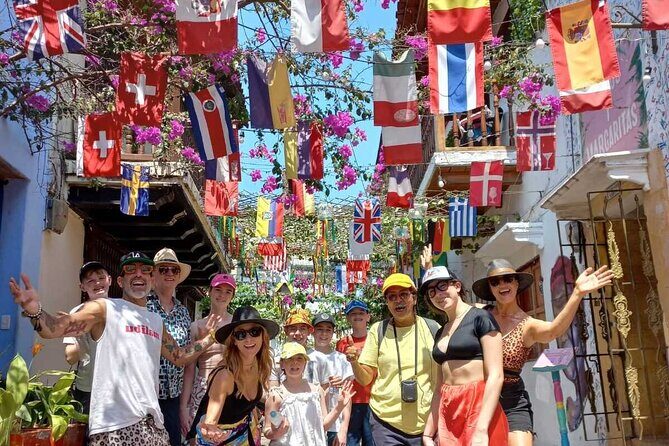
And if you love photo stops, the tour delivers at Calle de Las Sombrillas, the alley of umbrellas. The magic here is simple: bright objects above you, and the way the street frames your shot. Even if you’re not trying to take “perfect photos,” it’s a fun, easy pause.
Parque centenario: a nature break with surprises
Parque centenario slows things down. It’s tied to independence-era storytelling, but it also gives you a chance to look around like you live here.
Your guide may point out animals you might spot while you walk the park—sloth bear, iguanas, monkeys, and birds if you’re lucky and curious. Even when you don’t see wildlife, you’ll still feel the shift from stone plazas to a greener pace.
This stop is also a good moment to refresh your energy before the final Getsemaní-focused streets.
Camellón de los Mártires and Calle del Pozo: statues, Pegasus, and pirate-era memory
The tour meeting point introduction and statue talk come at Camellón de los Mártires, where you’ll get oriented to the busts and statues. Your guide will also explain Los Pegasos, which adds a layer of myth and symbolism to what could otherwise feel like a quick photo stop.
Then you close at Calle del Pozo. This segment connects the neighborhood to the Getsemaní anthem and to the square’s importance during pirate and corsair attacks. It’s the kind of ending that makes the final streets feel purposeful, not random.
From there, you finish near the Santa Bárbara Bastion, still tied to the same defense story you started with.
How the guides shape the experience (and who to ask for)
The best part of this tour is often the person walking beside you. Many guides have been praised for English ability, warmth, and story flow, with flexibility for pace and photo stops.
A few names that come up again and again include William, Álvaro, Legaxy, Mercedes, Dimas, Evelyn, Robert, Manuel, and Camilo. The common thread isn’t just facts. It’s how the guide uses the walk to make the city feel like it has a point.
One guide style you should hope for: patient pacing. Several accounts emphasize that guides don’t mind when people take their time, and they’ll often tailor the route to what you care about—history depth, more street art, or more food stops.
If you want a specific vibe, ask the operator which guide is available and mention what you prefer: art-heavy, food-heavy, or history-heavy.
Practical tips: heat, water, tips, and street sellers
This walk can feel warm even early. Bring bottled water and take breaks when you need them. One repeat theme in the feedback is that it can be hot enough to push schedule changes.
Also, keep small cash for tips. There can be local folks nearby who enjoy posing for photos when murals or local history come up. A small tip is appreciated, and it keeps things friendly.
Plan for street selling. You’ll see vendors while you move through popular streets. It’s totally fine to say No, gracias and keep walking.
Finally, don’t panic if the timing runs slightly short on a very hot day. The tour is designed around a walk between key points, and your guide may adjust.
Should you book this tour or do it on your own?
Book this tour if:
- you want street art with context, not just photos
- it’s your first time in Cartagena and you want the city to make sense fast
- you like your guide to give practical recommendations for food, drinks, and what to see next
- you prefer a private pace over crowds
Skip it or think twice if:
- you’re very heat-sensitive and don’t do well with outdoor walking
- you dislike guides who talk to people around you while you’re moving (some situations can get a little pushy in busy tourist zones)
One more timing note: this activity tends to sell, often booked about a month in advance, so locking it in early can be smart, especially if you’re traveling during peak weeks.
FAQ
How long is the Cartagena Private Tour of the Walled City & Getsemani?
It runs about 2 to 3 hours.
What is the price per person?
The price is $50.00 per person.
Is this tour private?
Yes. It’s a private tour, so only your group participates.
Where does the tour start and end?
It starts at Cl. 32 #841, La Matuna, Cartagena de Indias. It ends on Calle de San Juan, Getsemaní, near the Santa Bárbara Bastion.
Are there admission tickets included?
The tour stops list free admission tickets for each included site.
What should I do if the weather is bad?
The experience requires good weather. If it’s canceled due to poor weather, you’ll be offered a different date or a full refund.
When do I get confirmation after booking?
You’ll receive confirmation at the time of booking.
Are service animals allowed?
Yes. Service animals are allowed.
What is the cancellation window?
You can cancel for a full refund up to 24 hours before the experience starts.