REVIEW · CARTAGENA
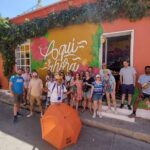
Cartagena Antigua & Barrio Getsemani group with audio system
Book on Viator →Operated by Beyond Colombia Free, Group & Private Tours · Bookable on Viator
Cartagena has corners you might miss. This 3-hour group walk links the walled center and Getsemaní with a certified guide plus an audio system, so you can follow the story even when the streets get loud. It’s the kind of tour that helps you make sense of plazas, churches, alleys, and viewpoints fast—without wasting half a day getting oriented.
I especially liked two things. First, the guide energy matters here, and Arthur’s style of teaching stands out for me—focused, lively, and full of real detail. Second, the audio system makes the whole route easier to enjoy, including the climb up to the Clock Tower for city views.
One possible drawback: it’s a shared walking tour, so you’ll move at a group pace and spend time on a few short stops. If you don’t like stairs or you’re sensitive to heat, plan for that—especially with the Clock Tower climb.
In This Review
- Key highlights I’d plan around
- Meeting at Plaza Santo Domingo, then walking the story
- Plaza Santo Domingo: the photo moment and the first context
- Biblioteca Bartolomé Calvo: a quiet break in the middle of it all
- Plaza de San Pedro Claver: confronting slavery with respect
- Plaza de la Aduana: colonial administration in one square
- Plaza de los Coches: a green pause with sea-breeze energy
- Torre del Reloj: earning your views (and the stairs)
- Parque Centenario: nature inside the city
- Calle de la Sierpe: one of Getsemaní’s oldest lanes
- Plaza de La Trinidad: palms, church, and a quieter corner
- Callejón Ancho: bars, shops, and live-music energy
- Calle de la Lomba: murals and color in the walls
- Getsemaní overall: the point of the second half
- What’s included for $13, and what you should plan for
- Who this tour is best for
- Should you book it? My take
- FAQ
- How long is the Cartagena Antigua & Barrio Getsemani tour?
- How much does the tour cost?
- Is this tour shared or private?
- Where does the tour start and end?
- What’s included in the price?
- Are admission tickets included?
- Is transportation included during the tour?
- What should I bring or plan for?
- Can I cancel if plans change?
- Is the group size limited?
Key highlights I’d plan around
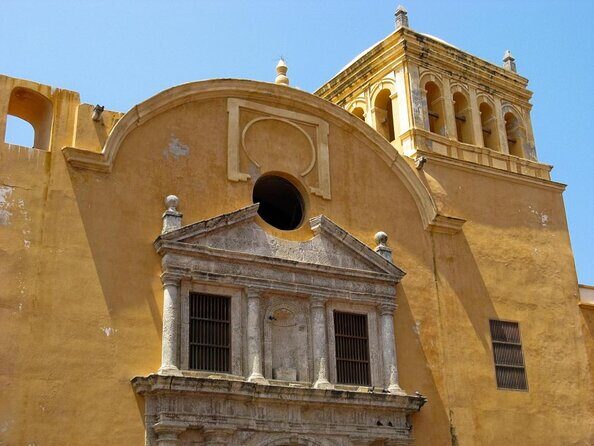
- Arthur’s guide style: history and culture explained in a way that sticks
- Audio system on the street: clearer storytelling while you walk
- Clock Tower payoff: you earn the climb with wide views
- Getsemaní street art + alleys: Calle de la Lomba, Callejón Ancho, and Calle de la Sierpe
- Stops with context: from slavery history at Plaza de San Pedro Claver to colonial administration at Plaza de la Aduana
- A nature pause in the route: Centenario Park with chances to spot wildlife
Meeting at Plaza Santo Domingo, then walking the story
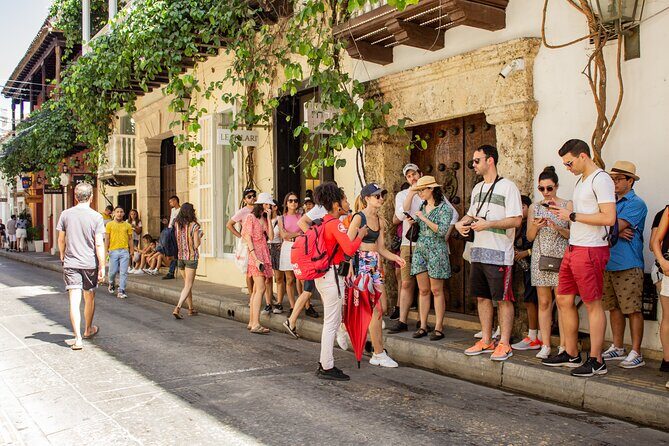
Your tour starts in Plaza Santo Domingo, right in the heart of Cartagena’s social life. The square sits amid colorful colonial buildings, and it’s a strong place to begin because it anchors the tour’s big theme: the city isn’t just pretty—it has layers. There’s also a chance to take a photo with the sculpture of El Mestizo, which makes a great first “okay, I get it” moment.
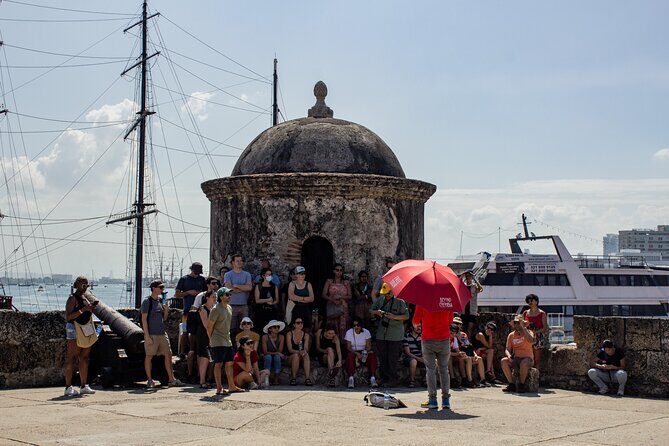
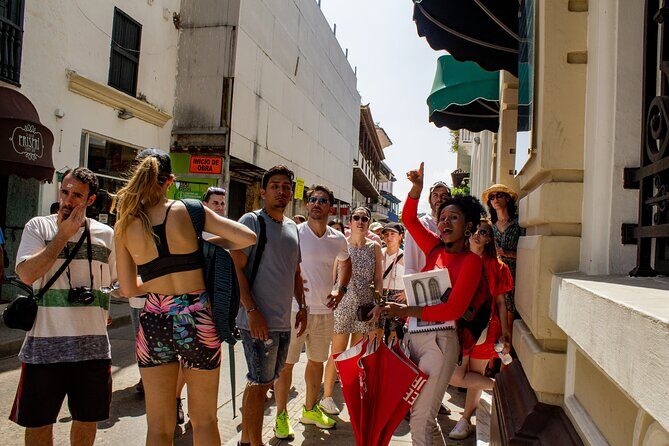
From there, the pace stays simple. You’re in a small group (up to 15 people), and each stop is short, about 15 minutes. That means you’re not stuck listening for ages in one spot. You get to move, look around, and then hear the meaning behind what you’re seeing.
Other Getsemani tours in Cartagena

Plaza Santo Domingo: the photo moment and the first context
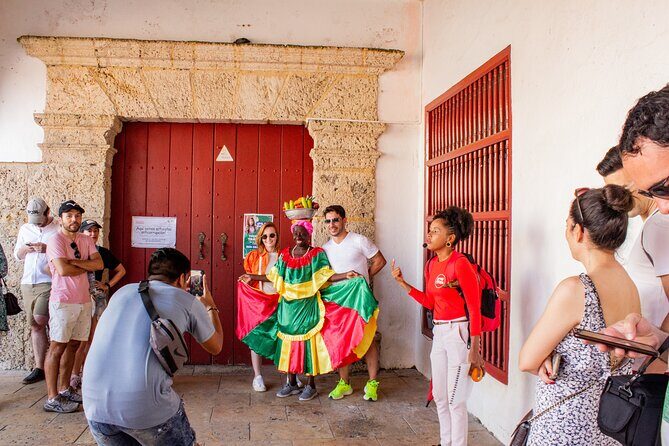
Plaza Santo Domingo is more than a postcard. You’ll hear about why this area matters, plus how the architecture and landmarks connect to Cartagena’s identity. The sculpture of El Mestizo is the visual anchor here, so it’s easy to remember later when you’re comparing neighborhoods.
The main practical tip: bring your camera habits. You’ll want to stop for photos quickly, since you only have a quarter hour before you’re back on the move. Also, this plaza is a good spot to get your bearings before you head deeper into the walled center.
Biblioteca Bartolomé Calvo: a quiet break in the middle of it all
After the lively square energy, you’ll hit Biblioteca Bartolomé Calvo—a calmer, more reflective pause. This is a place where you can slow down for a moment and notice details in the building itself. It’s the kind of stop that makes the tour feel balanced, because not everything is about military walls or dramatic viewpoints.
Even if books aren’t your thing, the point is cultural context: you’re learning why spaces for learning and writing still matter to people in Cartagena. With the audio system, you can keep listening as you step around and check architecture from different angles.
Plaza de San Pedro Claver: confronting slavery with respect
Plaza de San Pedro Claver is dedicated to the patron saint of slaves. Here, you’ll learn about Cartagena’s role in the history of slavery, and you’ll hear about the struggle for equality. This stop changes the mood of the tour in a good way—it’s not only about beauty. It’s about understanding the city’s past and how it still shapes conversations today.
If you’re the type who likes historical grounding, this is one of the most important stops. It’s also a reminder to stay respectful in how you take photos and move through the space. You’ll get the history without the tour turning grim or sensational.
Plaza de la Aduana: colonial administration in one square
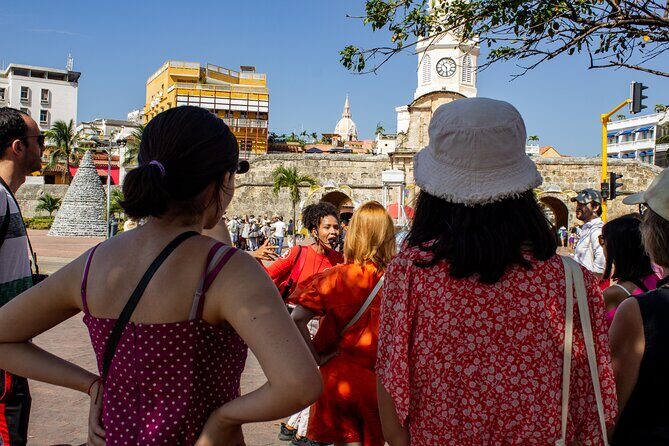
Next is Plaza de la Aduana, the administrative center in Cartagena’s earlier days. The architecture here helps you “see” how the city was organized—who had power, where decisions were made, and why this area mattered beyond just trade.
This is also a stop where the storytelling makes a difference. Without context, a plaza is just a plaza. With context, it becomes a clue to the city’s structure. You’ll come away understanding why certain streets and buildings feel like they’re part of a bigger machine.
A few more Cartagena tours and experiences worth a look


Plaza de los Coches: a green pause with sea-breeze energy
Plaza de los Coches gives you a breather. It’s a green space surrounded by modern buildings, which makes it feel like a pocket where the city exhales. If you’re walking under sun, this kind of stop is practical, not just scenic.
The guide talks about how the place has changed over the years and why locals still care about it. I like this stop because it doesn’t only push you toward “old Cartagena.” It shows how the city keeps moving.
Torre del Reloj: earning your views (and the stairs)
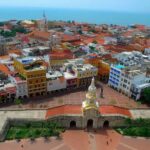
Cartagena’s Clock Tower is the kind of landmark you see on postcards for a reason. But the real value is what happens after: you climb to admire the panorama and hear the monument’s story.
This is the one moment where you should think about your body. You’re on your feet for the climb, and the tower is part of the route’s payoff. If you’re traveling with someone who doesn’t do stairs well, it’s worth planning ahead—this stop is short, but the vertical movement is real.
Parque Centenario: nature inside the city
Then you shift to Parque Centenario, an in-city green space where you’ll learn about its history and the flora and fauna it hosts. This stop feels like a reset button in the middle of a neighborhood-hopping walk.
One detail that made the tour memorable for me is that wildlife can show up here—people mention spotting animals like monkeys and even sloths during the park portion. You should keep expectations flexible, but it’s a strong reason to pay attention while you’re there instead of rushing through.
Calle de la Sierpe: one of Getsemaní’s oldest lanes
You’ll then enter Getsemaní vibes, starting with Calle de la Sierpe. This street is known as one of the oldest in Getsemaní, and the atmosphere can feel bohemian—colorful houses, local character, and a more creative energy. The guide points out what’s worth noticing so it doesn’t turn into just “more streets.”
This is also a photo-friendly stop, but I’d treat it like a slow look: watch the street rhythm and notice how the neighborhood expresses itself through details. When you understand where the style comes from, it sticks longer than a quick picture.
Plaza de La Trinidad: palms, church, and a quieter corner
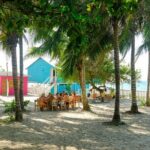
Plaza de La Trinidad adds variety. It’s quieter than the biggest party streets, with a church and palm trees that make the scene feel softer. You’ll get the history and learn what gives the architecture its personality.
I like this stop because it balances the tour. After you’ve walked more energetic alleys, you get a calmer pause where you can actually listen and look. It’s also a good moment to re-check your map and decide where you want to wander on your own afterward.
Callejón Ancho: bars, shops, and live-music energy
Next is Callejón Ancho, a narrow, lively alley where you can find craft shops, bars, and restaurants. Depending on the time, you may catch live music, which helps explain why Getsemaní feels alive even after the tour groups pass through.
This is a useful stop even if you’re not shopping. You’ll learn how daily life fits into the historic setting. It’s also a great place to spot what kind of souvenirs you actually want—think local crafts and practical keepsakes rather than generic trinkets.
Calle de la Lomba: murals and color in the walls
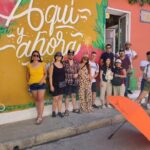
One of the most photogenic parts is Calle de la Lomba, with colorful houses and murals. This stop is built for pictures, but the main value is learning how art and visual storytelling connect to neighborhood identity.
I’d suggest you move a bit slower here and take photos from a couple angles. Murals often look different as you walk past, and the short 15-minute window means you’ll want to be efficient.
Getsemaní overall: the point of the second half
The tour finishes by spending time in Getsemaní itself, pulling everything together: history, culture, and the everyday feel of a neighborhood full of life and art. This is where the route stops feeling like a checklist and starts feeling like a place you could live in—or at least revisit.
If you’re short on time, Getsemaní is also one of the best neighborhoods to understand quickly. The guide helps you see patterns in the streets so you don’t feel lost once the tour ends.
What’s included for $13, and what you should plan for
At $13 per person, this tour is strongly price-to-value if you want guided context without paying for private transport. You get a certified guide, an audio system, and walking coverage of essential spots across both the walled center and Getsemaní. You also get local shop recommendations for lunch, coffee, and souvenirs.
There’s also an important “how it works” expectation: it’s a shared experience, so you’re not getting a one-on-one deep consultation. The audio system helps, but the tour still moves as a group.
Not included is straightforward: lunch and tips. You’re also on foot—no private transportation is provided during the route. It’s a walking tour, so bring comfortable shoes and water.
One more small detail from the experience style: guides sometimes add personal touches. In this case, Arthur and his wife are noted for providing fruit and a drink for everyone, which makes the tour feel less like a lecture and more like a friendly walk with meaning.
Who this tour is best for
This fits well if you’re:
- Visiting Cartagena for the first time and want orientation across the walled city plus Getsemaní
- Interested in history that includes social issues, not just landmarks
- Traveling with limited time and want value for a short, guided route
- Someone who appreciates small-group pacing and clearer audio in street conditions
If you’re the type who hates walking or needs lots of free time at each stop, you might find the 15-minute rhythm a little tight.
Should you book it? My take
Book this tour if you want a practical introduction to Cartagena that goes beyond the obvious photos. The mix of plazas, a museum/library stop, slavery-history context, a clock-tower climb, and Getsemaní street art makes the 3 hours feel well-used. The audio system plus a guide like Arthur—energetic and focused—adds real comfort and clarity.
Skip it only if you’re looking for long downtime, private pace, or minimal stairs. Otherwise, it’s an efficient way to start seeing Cartagena like a local: not just where things are, but why they matter.
FAQ
How long is the Cartagena Antigua & Barrio Getsemani tour?
It runs about 3 hours.
How much does the tour cost?
The price is $13.00 per person.
Is this tour shared or private?
It’s a shared tour (not private).
Where does the tour start and end?
It starts at Plaza de Santo Domingo (Cl. 35, El Centro) and ends at Plaza del Pozo (Cra. 10, Getsemaní).
What’s included in the price?
Included are a certified guide, an audio system, walking coverage of key places in the walled center and Getsemaní, and local shop recommendations. The tour also includes a free walking tour guide.
Are admission tickets included?
Yes—admission tickets for the listed stops are marked as free.
Is transportation included during the tour?
No. You’ll be walking, with rest stops along the way.
What should I bring or plan for?
Bring comfortable walking shoes and plan for the route being mostly on foot. Lunch and tips are not included.
Can I cancel if plans change?
Yes, free cancellation is available. You can cancel up to 24 hours in advance for a full refund.
Is the group size limited?
Yes. The maximum is 15 travelers.