REVIEW · CARTAGENA
Tour a san Basilio de Palenque desde cartagena
Book on Viator →Operated by Fancy tours · Bookable on Viator
Afro-Colombian Palenque is a quick escape from Cartagena. This tour gives you roundtrip transportation from your hotel and a guided visit to San Basilio de Palenque, one of the Americas’ first places recognized as a first free African town. I love how the stop-by-stop route makes the culture feel real, not abstract, and I love that you end with music and a traditional dance show (plus lunch and bottled water for an easy day).
There’s one big consideration: heat. This area can feel hotter than Cartagena, and the van ride may be tight and not perfectly cool, so plan for some sweating on the way out and back.
In This Review
- Key highlights at a glance
- San Basilio de Palenque: why this day trip matters
- Getting there from Cartagena: timing, group size, and ride comfort
- Casa de Tambores and Casa del Arte: drums, craft, and daily meaning
- Panque replica village: learning without losing respect
- Palenque sweets and ñeque: food that tells the story
- Kid Pambele statue and the village restaurant stop
- The dance show and music: where the experience sticks
- Price and what you’re really paying for
- Who should book this tour (and who should think twice)
- Should you book the San Basilio de Palenque tour from Cartagena?
- FAQ
- What time does the San Basilio de Palenque tour start?
- How long is the tour from Cartagena to Palenque?
- How much does the tour cost?
- Does the tour include roundtrip transportation from my hotel?
- Is lunch included?
- Is bottled water included?
- Is the dance show included?
- Are admission tickets included for the stops?
- Is WiFi provided on board?
- Can I cancel for a full refund?
Key highlights at a glance
- Roundtrip hotel pickup and drop-off makes a long day trip feel simple
- Casa de Tambores and Casa del Arte spotlight Palenque’s creative heartbeat
- Panque replica village shows daily life through a designed historical setting
- Palenque sweets and ñeque connect food and drink to African descendant roots
- Kid Pambele statue is a quick photo stop tied to local pride
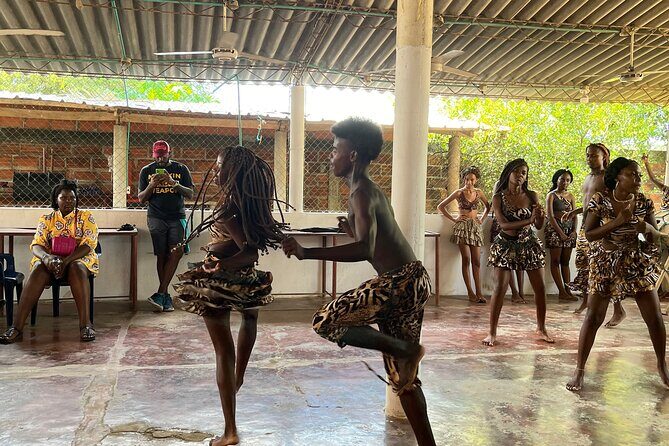
- Traditional dance show with music gives you a memorable ending and great photos
San Basilio de Palenque: why this day trip matters
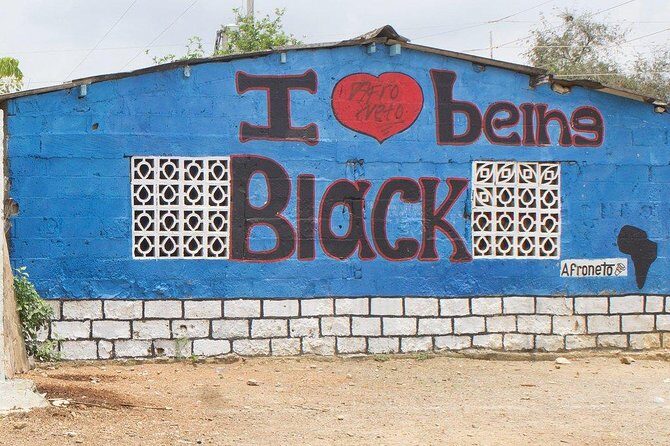
San Basilio de Palenque isn’t a museum-style stop. It’s a living community that carries African roots in language, rhythm, crafts, and family traditions. The tour frames Palenque as a first free African town in the Americas, and it’s exactly that mix of survival, self-rule, and culture that makes the day feel more meaningful than a typical countryside excursion.
What I like about the way the experience is paced is that you don’t just hear stories. You move from place to place: sound and rhythm at Casa de Tambores, craft at Casa del Arte, everyday-life recreations at Panque, and then the closing dance moment that turns history back into something you can feel in your body.
This is also a good reminder that “history” isn’t only dates. It’s the objects people make, the skills they keep, and the celebrations they pass on.
Other San Basilio de Palenque tours from Cartagena



Getting there from Cartagena: timing, group size, and ride comfort
The tour starts at 9:00 am and runs about 4 to 5 hours. You’ll get hotel pickup and a drive of roughly 1 hour to Palenque, then about 1 hour back to Cartagena at the end of the day.
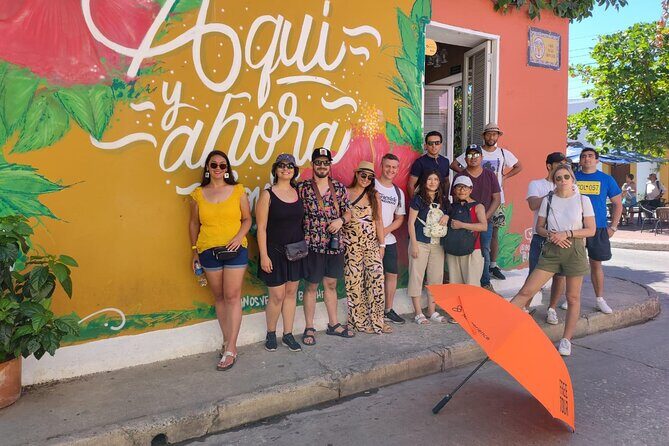
The group size tops out at 20 travelers, which is a nice sweet spot for a half-day cultural outing. It should feel organized, but not like you’re disappearing into a massive crowd.
Now for the practical part: the climate. Even though Cartagena is already warm, Palenque can feel hotter. Some people report that the air-conditioning in the van wasn’t strong enough for the day’s heat, and a late pickup has happened on at least one trip. None of that ruins the experience, but it does change how you should prepare.
My advice:
- Bring a small fan or something to cool down quickly.
- Wear light clothing and plan to reapply sunscreen.
- Expect the ride to be tight at full capacity, and try to get comfortable rather than fight it.
If you’re the kind of person who gets cranky when a tour van is packed and the air doesn’t deliver, you may want to mentally set that expectation in advance.
Casa de Tambores and Casa del Arte: drums, craft, and daily meaning
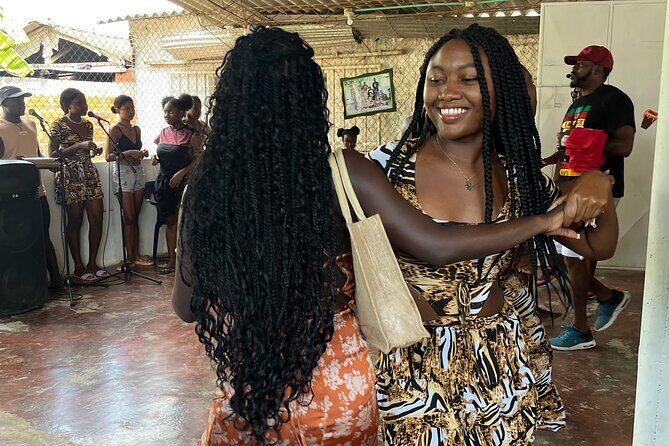
One of your first stops focuses on ancestral places, including Casa de Tambores and Casa del Arte. This is where the tour starts connecting the dots between culture and how people live it day-to-day.
Casa de Tambores is the kind of place that makes you realize rhythm is more than entertainment. It’s communication, memory, and community identity. If you’re someone who likes learning through sound, you’ll probably pay extra attention here.
Casa del Arte adds another angle: the creative work and the hands behind the tradition. The tour’s structure is useful because you don’t just get one perspective. You get the rhythm side and the craft side in the same block of time.
Look for photo opportunities, too. Even when you’re not taking pictures constantly, you’ll want at least a few to remind yourself what the spaces look like, not just what the guide said.
Panque replica village: learning without losing respect
Next comes a visit to Panque, described as an exact replica of how enslaved people lived more than 600 years ago. It’s presented as a way to understand daily customs and the living setup tied to that period.
This kind of experience can hit you differently than a typical walking tour. The setting is designed to help visitors understand the past, but it’s also inherently sensitive. You’ll get the most out of it if you approach it quietly and respectfully, especially if you’re traveling with kids. It’s not a theme park; it’s a structured historical reminder meant to educate.
The time is about 30 minutes, so you won’t feel rushed, but you also won’t have hours to wander slowly. If you have questions, this is a good moment to ask your bilingual guide to explain what you’re seeing in simple terms.
Palenque sweets and ñeque: food that tells the story
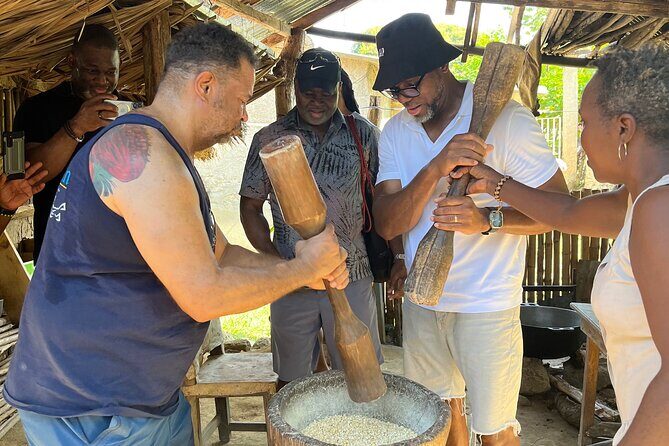
One of the most memorable stops for a lot of people is the explanation of the artisan process—specifically around Palenque sweets and the preparation of ñeque. The tour frames ñeque as a drink the palenqueros drank as a gift from African descendants at that time.
This is where the day becomes hands-on, even if you aren’t doing the crafting yourself. Understanding how sweets are made and what a traditional drink represents helps you see culture as something practiced, not something only remembered.
If you care about food tourism beyond trying one dish, you’ll likely enjoy this part. It turns lunch from a simple break into the payoff of what you’ve just learned.
Also, if you’re a photo person: process explanations often come with clear visuals. Even a short segment can give you context for your pictures.

Kid Pambele statue and the village restaurant stop
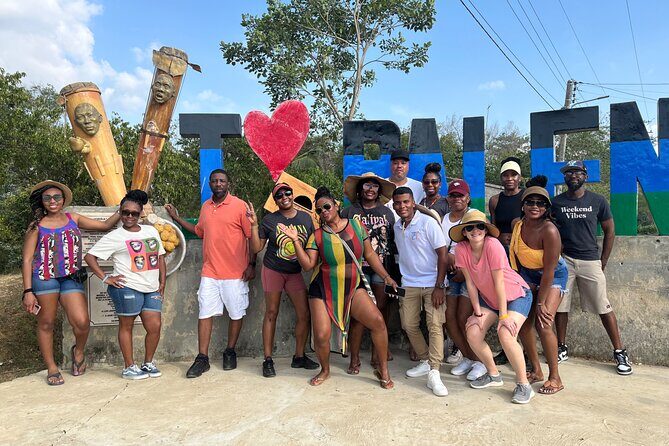
After the craft and food learning, you’ll have a quick photo stop at the statue of the Colombian boxer Kid Pambele. It’s only about 10 minutes, but it’s a neat cultural detail: sports pride tied to Palenque identity.
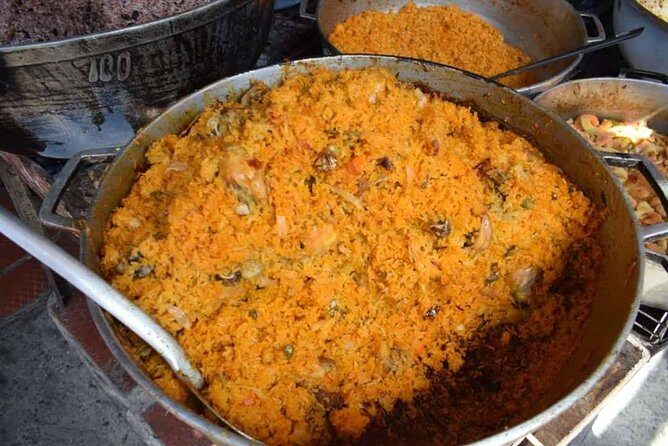
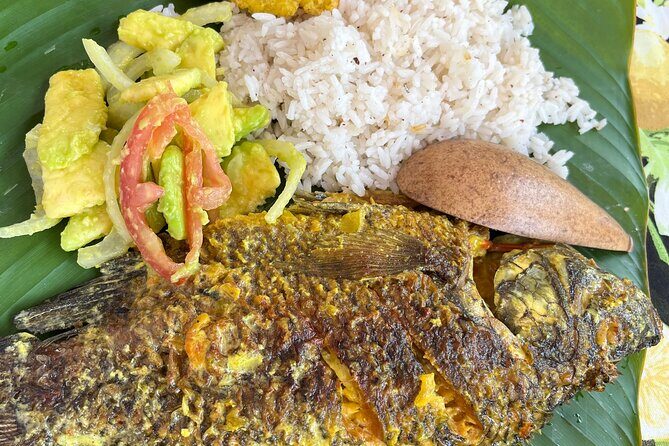
Then you head to a central restaurant connected to the palenqueros for lunch. Lunch is included, and the portions are described as generous, which matters for value. You’re also getting bottled water, so you can focus on the day instead of scrambling for hydration.
This lunch stop is also useful from a pacing standpoint. By the time you sit down, you’ve already spent time in direct sun and walking through multiple stops. The meal gives your body a reset before the drive back to Cartagena, which typically ends the activity about 1 hour later.
The dance show and music: where the experience sticks
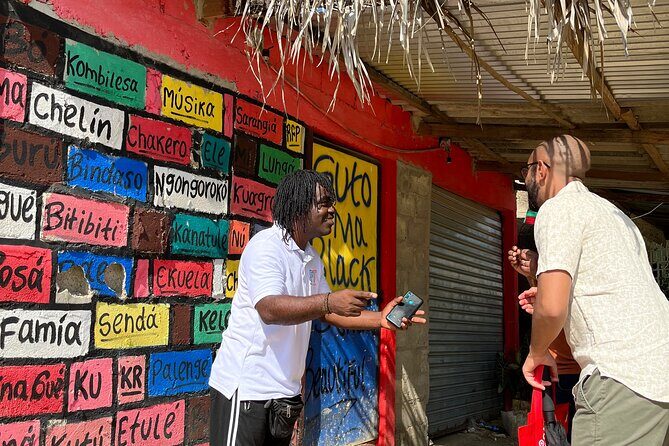
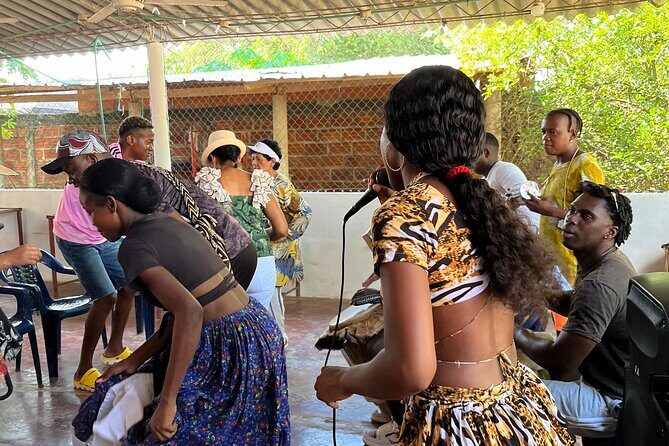
The day ends with a surprise typical dance show with music, about 30 minutes. This part is the emotional “bookmark” of the tour. It’s also one of the easiest segments to enjoy if you’re tired, because the performance doesn’t require heavy listening to follow the feeling.
If you’re planning photos, this is your best chance. The rhythm and movement make for better pictures than static stops, and the music gives the moment energy even if you’re not sure what each song means yet.
One thing I appreciate is that the tour doesn’t treat this as a canned performance for tourists. The best versions of this experience are the ones where the guides and community members feel comfortable with you there as a learner, not as a passerby.
Some people even highlight that they felt welcomed like part of the celebration. Whether that’s how it feels for you depends on the group and the day, but the format is designed for warmth and connection.
Price and what you’re really paying for
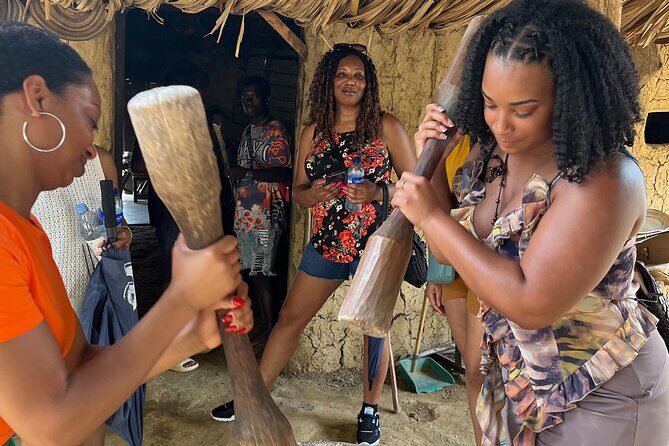
At $110 per person for a roughly 4 to 5 hour outing, you’re paying for more than a ticket. Your money covers:
- Roundtrip transportation from your residence hotel (that convenience is huge in Cartagena)
- Lunch and bottled water
- Bilingual guide
- Entry/facility fees and the dance show with traditional music
Value-wise, the biggest win is that you’re getting a focused, guided day without needing to figure out how to get there and back. In a place like Cartagena, that logistical stress can be the hidden cost of going independently.
That said, the ride comfort can be a factor for some budgets. If you’re sensitive to heat or tight seating, you might feel like you got a lot of people in one vehicle for one long hot stretch. I still think the cultural payoff makes the price reasonable, as long as you pack for the conditions.
Who should book this tour (and who should think twice)
This tour fits best if you:
- Want an easy, guided route to a community with strong African descendant cultural roots
- Like history told through spaces, crafts, and music—not just facts on a page
- Enjoy dance performances that are tied to living tradition
- Appreciate included meals and water on a half-day schedule
You should think twice if:
- You get uncomfortable fast in packed vehicles or in strong heat
- You prefer air-conditioned comfort above all else
- You’re expecting a polished, modern tourist experience with lots of free time (this is more direct and community-centered)
And if your traveling style is the practical one—short day, clear stops, included food—you’re probably going to be happy you booked.
Should you book the San Basilio de Palenque tour from Cartagena?
If you want one memorable day outside the usual Cartagena routine, I’d say yes. The combination of cultural sites, the explanation of Palenque sweets and ñeque, and the closing dance show with music is a strong mix for a half-day plan. Add in that lunch and bottled water are included and you don’t need to juggle extra expenses.
Just go in prepared for heat and possibly tight van seating. Bring a fan, dress light, and give yourself grace for a day that prioritizes learning and community over comfort perks.
If that sounds like your kind of trip, book it and plan to take your time soaking in the drumming, the craft spaces, and the performance at the end.
FAQ
What time does the San Basilio de Palenque tour start?
The tour starts at 9:00 am.
How long is the tour from Cartagena to Palenque?
It lasts about 4 to 5 hours total.
How much does the tour cost?
The price is $110.00 per person.
Does the tour include roundtrip transportation from my hotel?
Yes. It includes roundtrip transportation to and from your hotel.
Is lunch included?
Yes. Lunch is included.
Is bottled water included?
Yes. Bottled water is included.
Is the dance show included?
Yes. The tour includes a dance show and traditional music.
Are admission tickets included for the stops?
Yes. The stops list admission ticket free, and the tour also includes landing and facility fees.
Is WiFi provided on board?
No. WiFi on board is listed as not included.
Can I cancel for a full refund?
Yes. Free cancellation is available if you cancel at least 24 hours before the experience’s start time for a full refund.