REVIEW · CARTAGENA
San Basilio de Palenque History Tour
Book on Viator →Operated by PaleTur · Bookable on Viator
One village trip can change your view of Colombia. This tour takes you from Cartagena to San Basilio de Palenque, where history is explained by local Palenque residents through music, drums, language, local crafts, and traditional food. I love the native-led storytelling and the chance to try Palenque drinks like Ron ñeke, the local moonshine. The one drawback to plan for: you may be prompted to tip at multiple stops, so bring cash.
You’ll move in air-conditioned comfort, then spend hours on the ground in a community that actually lives its culture. Group size stays small (up to 15), and you get included hydration, plus a full regional meal and sweet tastings. If you hate heat and uneven ground, this isn’t a sit-and-watch day—but it’s still doable with the right shoes and attitude.
In This Review
- Key highlights worth your time
- San Basilio de Palenque: why this day matters away from the crowds
- Getting there from Cartagena without losing the day
- What the native-led tour feels like on the ground
- Drums, language, candy, and all the hands-on stops
- Food and drink: fruit salad, an award-linked lunch, and Ron ñeke
- Comfort notes: shoes, heat, and the reality of village facilities
- Price and value: what $88 buys you in real terms
- Who should book this tour (and who should skip it)
- Should you book the San Basilio de Palenque History Tour with PaleTur?
- FAQ
- FAQ
- How long is the San Basilio de Palenque History Tour?
- What time does the tour start?
- Is WiFi provided on the air-conditioned vehicle?
- What’s included with the guide and activities?
- Will I eat during the tour?
- Is Ron ñeke included?
- How big is the group?
- What should I do if the weather is bad?
- What’s the cancellation window?
Key highlights worth your time
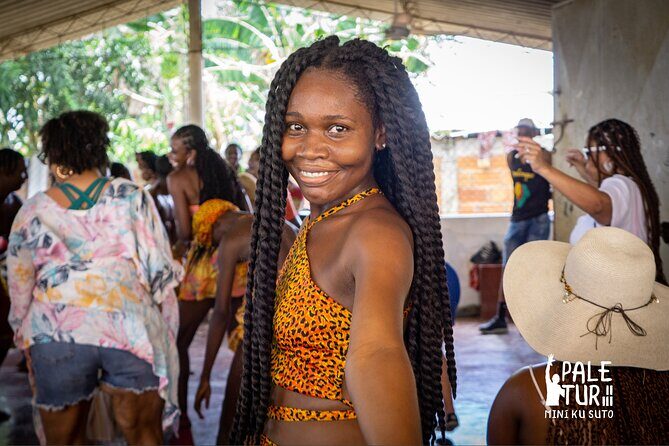
- Native trilingual guides with real community context so the story feels personal, not textbook
- Music and drumming plus chances to participate rather than just viewing performances
- Creole language lessons tied to everyday culture and identity
- Food and drink built into the day with fruit breakfast, a major lunch, and Ron ñeke
- Hands-on workshops like candy making and cooking practice with a native cook
- Small group pacing (max 15) keeps questions from getting lost
San Basilio de Palenque: why this day matters away from the crowds
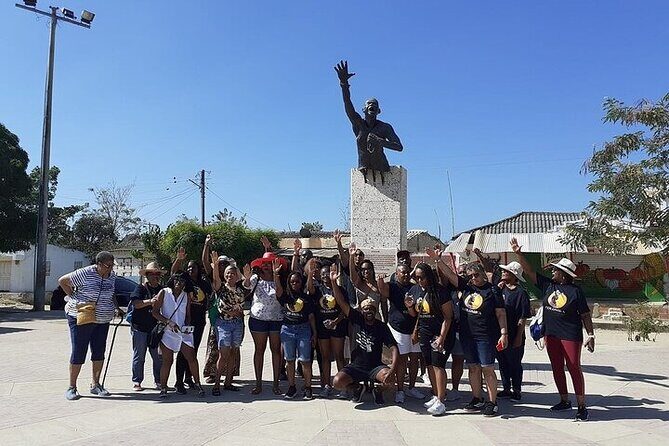
San Basilio de Palenque is one of those places that makes Colombia feel larger and more human at the same time. You’re not touring a museum-only version of Afro-Colombian history. You’re getting the story directly from people who live it, explain it, and share how it shows up in language, music, daily work, and community pride.
The guides you might meet, such as Victor or Sofia (both appear in guide experiences you can encounter on this tour), frame Palenque history in a way that’s easy to follow. They cover origins, community life, and how Palenque contributes to Colombia’s identity, not just as an old chapter but as a living culture today.
This is also where you’ll notice the difference between a performance and a tradition. The music isn’t just background entertainment. Drumming, dance, and local craft time feel connected to meaning—how people communicate, celebrate, and carry memory forward.
Other San Basilio de Palenque tours from Cartagena

Getting there from Cartagena without losing the day
This is an early-start trip. The meeting time is 8:00 am, and the drive from Cartagena takes long enough that the morning matters. In practice, you should assume roughly 90 minutes to two hours each way depending on traffic and routing, so your day is closer to 4 to 6 hours total than a quick half-day.
The upside: you ride in an air-conditioned vehicle, which helps a lot when the heat ramps up later. Even one review noted that the drive itself came with history shared on the way, so you start learning before you ever step out.
A small practical note: you’re near public transportation at the meeting area, but this is still designed around the tour pickup and van ride. Bring sunscreen and water habits you trust, even though hydration is included.
What the native-led tour feels like on the ground
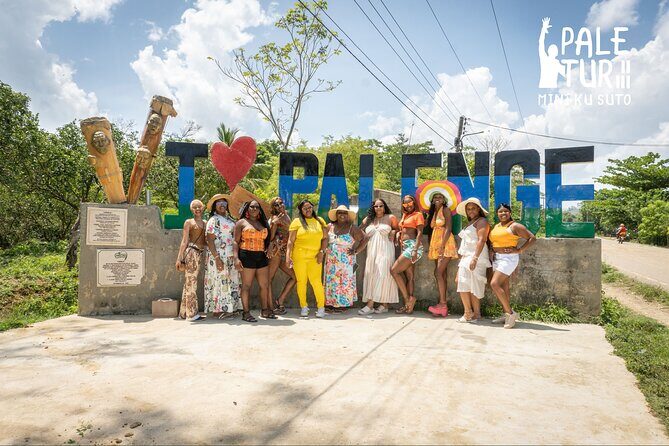
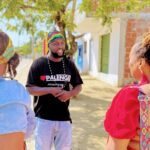
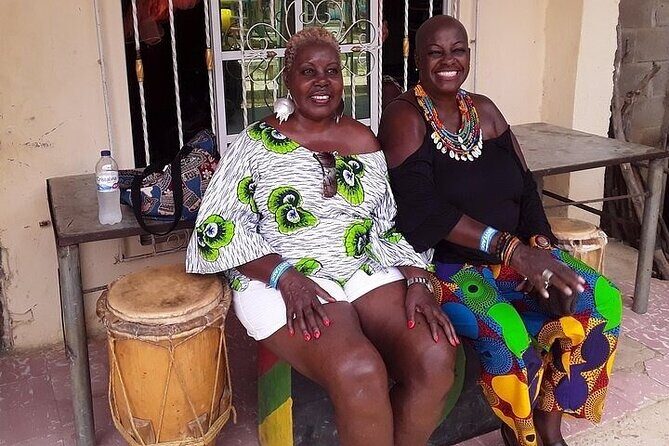
The heart of the experience is simple: you’re guided through Palenque by native residents, using a trilingual approach. That matters because the story isn’t only translated. It’s interpreted in a way that connects language and culture to what you’re seeing.
On your visit, you’ll typically move through stops that can include:
- a history-led introduction in the community
- a show de musica (music presentation)
- a drump workshop (drumming workshop)
- time linked to creole language
- a photographic museum
- local handcrafts and traditional alcoholic drinks
The best part is how much time you spend inside the community rhythm. Several guide experiences emphasize interaction and Q&A, not just a scripted path. You may be encouraged to participate in dance, which changes the day from passive to memorable.
Also pay attention to the way the guides handle questions. In multiple experiences, the guides are described as patient and attentive—so if you want to ask about history, language, food, or daily life, this is the kind of tour where you don’t have to swallow your curiosity.
Drums, language, candy, and all the hands-on stops
This isn’t a checklist of landmarks. It’s a sequence of culture stations where you learn by doing.
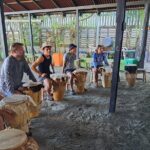
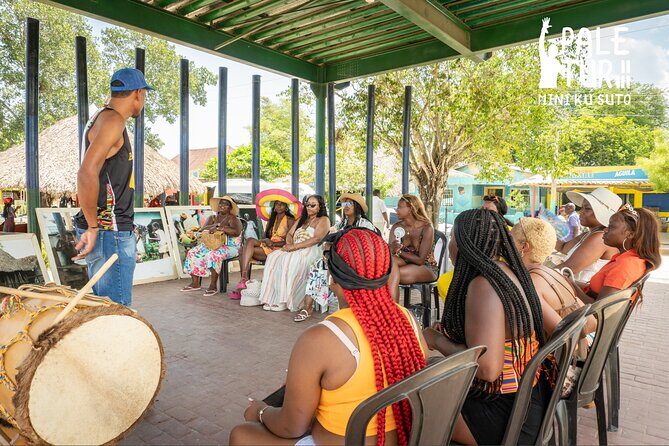
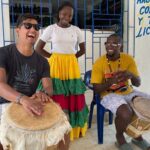
One of the most praised pieces is the drumming and music time. The format is active: you’re not stuck behind a rope. You learn the beat, watch how it’s made, and often get a chance to join in. The dance segment tends to be playful and social too, with people encouraged to participate.
Then comes the stuff you can taste and touch:
- sugarcane candy or similar local sweets (often highlighted)
- sweet tastings with a native cook
- a cooking class with cooking practice that connects ingredients to tradition
A review also mentions a stop tied to a boxing gym experience, which shows how the tour can reflect real community life rather than only historic sights. Even if that specific stop varies by timing, the pattern is consistent: you’ll see how the community keeps culture present through arts, food, and daily activity.
Creole language learning is another standout. It helps you understand why language isn’t a side topic here. It’s part of identity, and the tour treats it that way—through practical examples and context that match what you’re seeing.
Food and drink: fruit salad, an award-linked lunch, and Ron ñeke
If you’re the kind of traveler who rates a trip by meals, this one has strong odds of satisfying you. Breakfast includes fruit salad, and the lunch is a regional plate described as Plato de libro de cocina ganador de premio Confucio organizado por la UNESCO en 2014. In plain terms: you’re eating a significant local dish connected to a recognized cooking tradition.
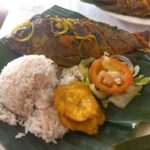
Lunch commonly includes fish, and multiple guide experiences specifically call out fish as a highlight. Some people go as far as saying the lunch was the best meal they had in Colombia, and that’s a serious claim. Even when the lunch is described as simply delicious, the agreement is loud: don’t skip the meal part of the day. It’s not filler between stops.
Then there’s the drink situation. Alcoholic beverages include Ron ñeke, the moonshine from Palenque. You don’t have to be a big drinker to appreciate this stop. It’s part of how the community preserves tradition—how people make and share a spirit tied to place.
A sweet tasting portion also appears as part of the cooking segments. If you like small bites and learning what makes local sweets work, this is where you’ll feel cared for rather than rushed.
Hydration is included, so you’re not starting this day empty-handed. Still, bring your own water habits, especially if you know you get headachy or cranky in sun-heavy conditions.
Other historical tours in Cartagena
Comfort notes: shoes, heat, and the reality of village facilities
Let’s be honest about what can trip people up. Palenque activities happen outdoors, and the sun can be intense. Multiple experiences recommend dressing for outdoor weather and wearing shoes that can handle walking on dirt or gravel roads.
The good news: you’re not left to suffer. Umbrellas were provided for some people in one account, and the day includes hydration. You’ll also be on an air-conditioned vehicle for the travel time, which buffers the worst of the sun before you hit the community steps.
Village facilities also come with expectations. One experience noted a toilet situation without a water tank or seat, and another mentioned hand-washing setup that they felt wasn’t as sanitary as they hoped. It’s a community, not a resort. If you’re the type who needs high cleanliness standards, come mentally prepared for basic conditions and use your own judgment.
If you’re going for comfort, pack a small kit: sunscreen, a hat, insect repellent if you use it, and wet wipes. Nothing fancy. Just things that make you forget about discomfort and focus on the people and the story.
Price and value: what $88 buys you in real terms
At $88 per person, the tour isn’t trying to be the cheapest option. It is priced more like a guided cultural experience where local residents do the heavy lifting.
Here’s the value math that matters:
- Native trilingual guide (not a script read at speed)
- Music and drumming plus cultural demonstrations
- Creole language exposure
- Cooking class and sweet tasting
- Major lunch (often fish)
- Breakfast fruit salad
- Alcoholic beverage option with Ron ñeke
- Bottled water and hydration
For many travelers, the inclusion of multiple food elements and the cooking practice is what makes the price feel fair. You’re paying for a day with real access, not just transportation.
Two practical value tips:
1) Bring pesos and small cash. Some experiences describe being asked to tip at several stops. Even if tips are framed as voluntary, the social rhythm can still encourage it.
2) Wear shoes you trust, because your body will remember that walking part. When the ground is uneven, comfort can feel like a hidden cost if you show up unprepared.
Who should book this tour (and who should skip it)
You’ll love this tour if you want culture you can ask questions about. This works especially well for:
- travelers who care about African diaspora history in the Americas
- people who like hands-on workshops (drums, candy, cooking)
- food-focused travelers who don’t mind learning through eating
- anyone who appreciates small-group pacing and direct interaction with locals
You might skip or rethink it if you:
- want a strictly comfortable, indoor museum-style day
- dislike outdoor heat and uneven walking
- get stressed by the possibility of extra cash needs for tips at multiple stops
If you do go, go with flexibility. The day includes performances, workshops, and community stops, which means the rhythm can feel personal and a bit spontaneous. That’s usually the point.
Should you book the San Basilio de Palenque History Tour with PaleTur?
In my view, yes—if your trip has room for one real day in a community that explains itself. The strongest reasons to book are the native-led format, the chance to participate in drumming and dance, and the food and drink that aren’t treated like an afterthought.
I’d book it with one clear strategy: prepare for a full experience, not a quick drive-by. Bring pesos for small spending and possible tipping, wear solid walking shoes, and plan for outdoor weather. If you do that, this trip is likely to stick with you longer than the standard Cartagena day tour.
FAQ
FAQ
How long is the San Basilio de Palenque History Tour?
The tour typically runs about 4 hours, but your full day can stretch closer to 4 to 6 hours when you include travel time from Cartagena.
What time does the tour start?
It starts at 8:00 am.
Is WiFi provided on the air-conditioned vehicle?
No. WiFi on board is not included.
What’s included with the guide and activities?
You’ll get a native trilingual tour guide, a music show, bottled water, and entry is described as free. The day can also include drumming, creole language exposure, local handcrafts, a photographic museum, and cooking-related activities.
Will I eat during the tour?
Yes. You’ll have breakfast (fruit salad) and lunch. Lunch is described as a regional dish connected to a UNESCO-linked Confucius Prize cooking tradition.
Is Ron ñeke included?
Alcoholic beverages are included, and the drink mentioned is Ron ñeke, Palenque moonshine.
How big is the group?
The maximum group size is 15 travelers.
What should I do if the weather is bad?
The experience requires good weather. If it’s canceled due to poor weather, you’ll be offered a different date or a full refund.
What’s the cancellation window?
Free cancellation is available up to 24 hours in advance for a full refund.
If you want, tell me your travel month and your walking comfort level, and I’ll suggest what to pack and how to time your day around the early start.