REVIEW · CARTAGENA
Cartagena: Palenque Tour and Road to Emancipation
Book on GetYourGuide →Operated by La Perla Viajes Y Turismo · Bookable on GetYourGuide
Palenque feels like Africa in Colombia. On this Cartagena to San Basilio de Palenque day trip, you learn Bantu language basics tied to Guinea and Congo roots, watch a drumming-and-dance show, and get the story behind the Road to Emancipation. Local energy matters here: you will be more than a spectator.
I especially love two parts: the dance show with hands-on drumming and learning traditional steps, and the palenquero lunch that closes the trip on a satisfying, local note. My favorite guides I’ve seen recommended for this tour include Romeo and Damaso, and the translation is built into the experience so the cultural meaning doesn’t get lost.
One possible drawback: the day runs on a pick-up route, so even if the main town stops are focused, you can lose time collecting people across Cartagena. Bring patience, and if you’re sensitive to comfort on longer van rides, pick your seat wisely and pack a light layer.
In This Review
- Key highlights worth your time
- Africa in Bolívar: what this tour is really about
- The morning plan: pickup, drive, and how to survive a long day
- First stop in Palenque: town square, kombilesa mi, and the pulse of community
- Learning Bantu words and drumming rhythm
- Palenque Viejo: seeing the past without turning it into a postcard
- Traditional medicine stop: learning the role of heritage healing
- The Palenquito photo moment: YO AMO A PALENQUED
- Dance performance: where you stop being a spectator
- Lunch at the end: palenquero dishes that actually fill you up
- Price and value: is $108 fair for a 6-hour cultural day?
- Who should book this tour, and who should think twice
- Should you book the Palenque Tour and Road to Emancipation?
- FAQ
- How long is the tour?
- Where does the tour go?
- What’s included in the price?
- Are dance and music part of the experience?
- Will I get language instruction?
- What are the main stops inside Palenque?
- Is there time for photos?
- What languages will the tour guide speak?
- What is the pickup schedule in Cartagena?
- What’s the cancellation policy?
Key highlights worth your time
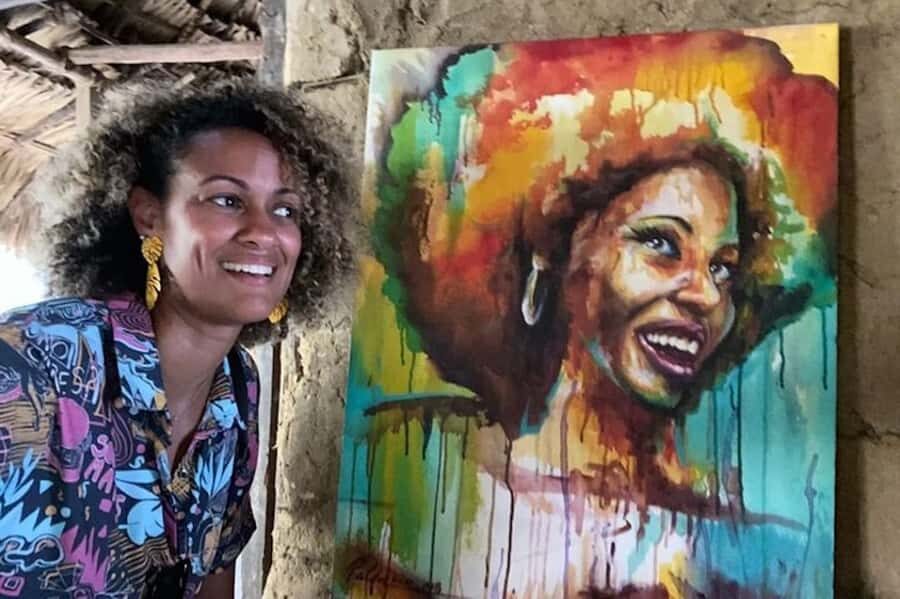
- Real connection to African roots through drumming, dance, and a history centered on Palenque as a free African community.
- Bantu language learning using words taught by a native guide tied to Guinea and Congo traditions.
- Stop-by-stop cultural storytelling at places like the town square, Kombilesa mi, the museum house, Palenque Viejo, and a traditional medicine area.
- Photo moment at Palenquito with a quick stop at the letters YO AMO A PALENQUED.
- A dance participation rhythm where you are invited to join, not just watch.
- A filling, local meal included at the end, with multiple options reported by guests.
Africa in Bolívar: what this tour is really about
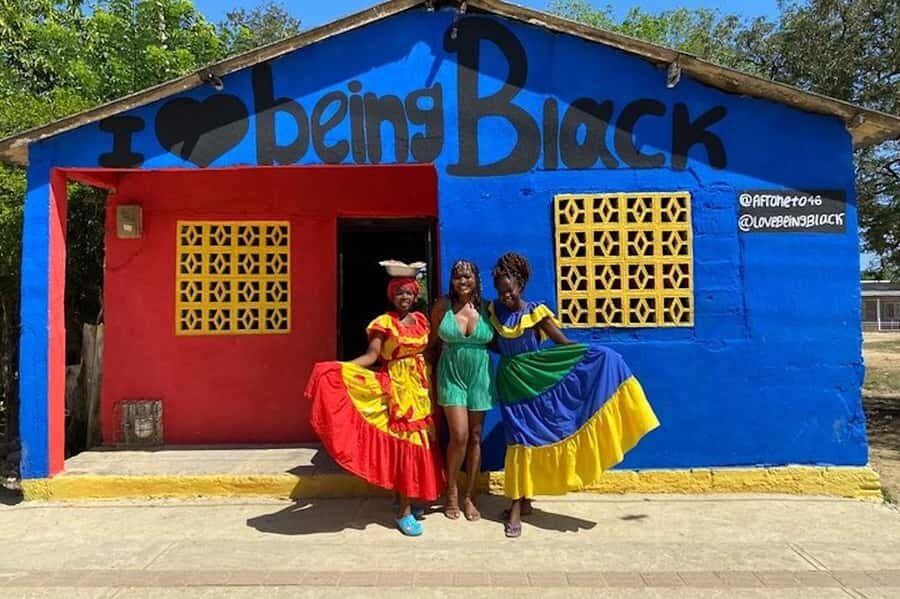
San Basilio de Palenque isn’t just another history stop. It’s a living community with marked identity for more than 400 years, and the tour is built to help you feel that difference fast. The Road to Emancipation theme isn’t delivered like a lecture. It’s threaded through places you walk into, people you meet, and performances where you pick up the tempo of the culture.
The best part for me is that the day balances three things that usually don’t fit together in one tour: ancestry, language, and everyday practice. Yes, you get the historical frame about the first free people of America. But you also get dance, food, and words, which is what keeps history from turning into a checklist.
You should know the tone too. One strong theme from past guests is that the history around slavery is handled honestly and candidly, not softened into vague slogans. If you want a tour that treats that subject with care and clarity, this one is set up for that.
Other San Basilio de Palenque tours from Cartagena



The morning plan: pickup, drive, and how to survive a long day
The tour is timed for an early start. If you’re staying in Cartagena’s historic center, pickup is at 8:00 AM at the Clock Tower. If you’re in Bocagrande, Castillo Grande, or Laguito, pickup is between 8:20 AM and 8:45 AM. For Marbella, Cabrero, Crespo, Cielo Mar, and hotels in the north zone and Manzanillo del Mar, pickup can run later, from 8:30 AM to 9:00 AM. If you’re in Manga, plan on arriving at the Clock Tower at 8:00 AM.
The drive itself is part of the rhythm of the day. One guest noted the ride to the village took a little over an hour, which means you’ll be ready for a cultural change of pace once you arrive. Still, the overall trip can feel long because of pick-ups across multiple neighborhoods. A good rule: don’t plan anything right after this tour ends, and eat a real breakfast before you go.
Comfort note: one review mentioned the van could be old with just okay air-conditioning. That’s not guaranteed for every departure, but it’s a reminder to pack a light layer. Cartagena can be hot, but vehicles vary.
First stop in Palenque: town square, kombilesa mi, and the pulse of community
Once you arrive, the tour starts in a way that makes sense: you meet the community’s public spaces and creative voices before you get too far into museums or formal history.
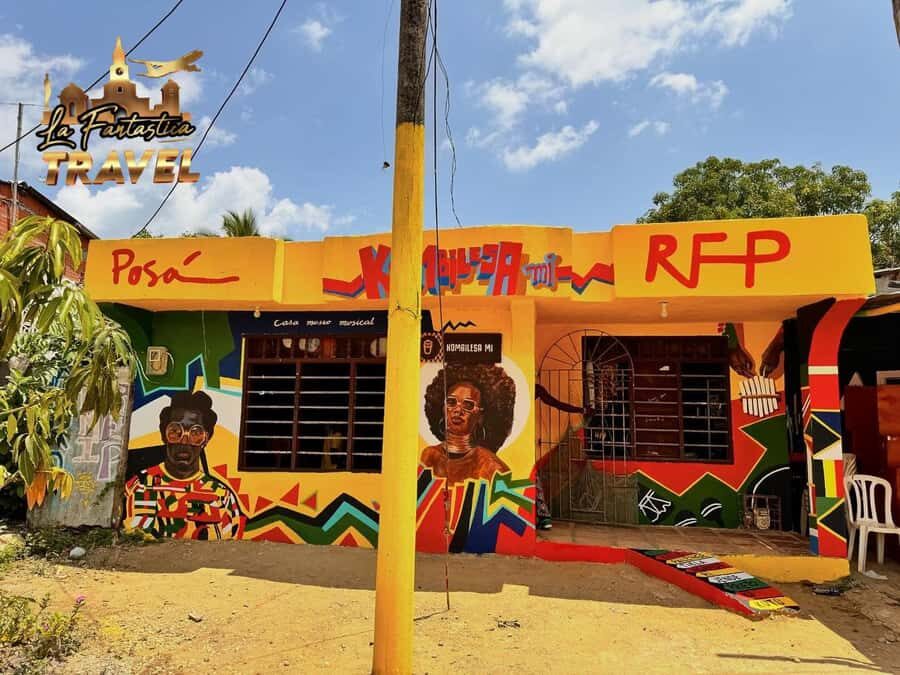
You’ll make a stop in the town square, then move through key cultural stops including the house of kombilesa mi (which connects to a folkloric rap group), along with the museum house. This order matters. It helps you understand Palenque as a place where art and identity are not separate from daily life.
At the town square level, you’re not only taking in murals or scenery. You’re being guided into meaning. You’ll get a chance to ask questions, and you’ll also see how performance and storytelling work as community tools.
One small but real bonus: the tour is set up so you won’t feel like you’re alone with the guide. The history is explained by your group lead, but you also meet the culture at its source through local performers and guides inside the town.
Learning Bantu words and drumming rhythm
This is one of the tour’s most distinctive elements. You’ll get language instruction: a native bilingual guide teaches you some words in Bantu language connected to Guinea and Congo roots.
In practical terms, you’re not leaving with a full language course. You’re leaving with a few words and a sense of continuity. Those words give the day a backbone. Instead of hearing about ancestry and then moving on, you hear about it and then try it in your own mouth, even if it’s just a handful of sounds.
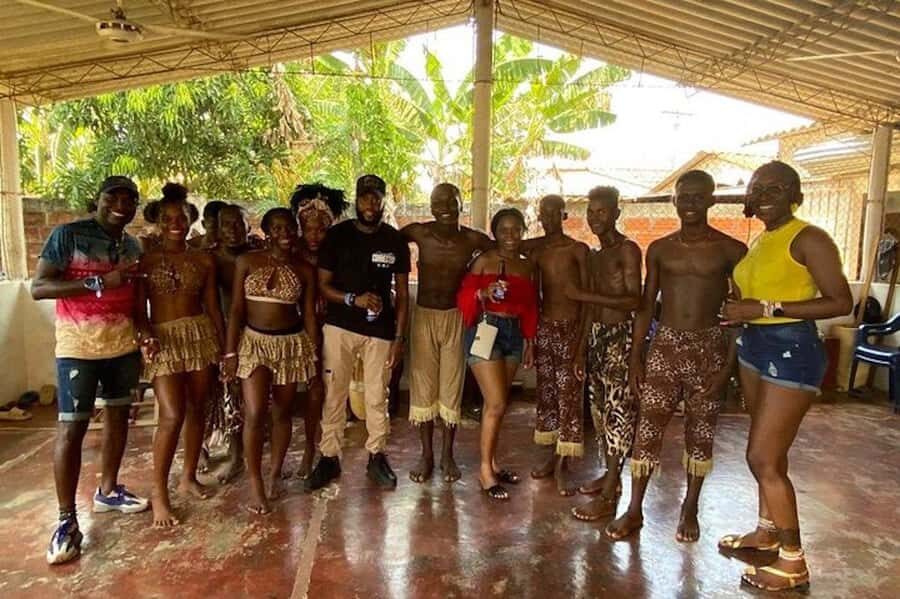
The same goes for the drumming and dance. You’ll watch a dance show and learn traditional steps, while you play the drums. One guest who really leaned into the experience said bring energy, because this tour invites you to participate. If you like cultural activities where your body joins the story, this part is a standout.
Palenque Viejo: seeing the past without turning it into a postcard
Next comes Palenque Viejo, which helps you connect the history to the physical place. It’s easy to over-romanticize heritage sites. Palenque doesn’t ask for that. The tour tone is grounded: you learn how a free African community formed and persisted, and you see that the present is still shaped by that survival.
This stop is also a good time to slow down mentally. I like this because it turns the day from entertainment into understanding. You’ll start to recognize the difference between seeing a place and being guided to interpret it.
Past guests highlighted that the history is told with honesty, including the difficult parts. That honesty lands better when you’re not rushing. Palenque Viejo gives you a moment where the story has space.

Traditional medicine stop: learning the role of heritage healing
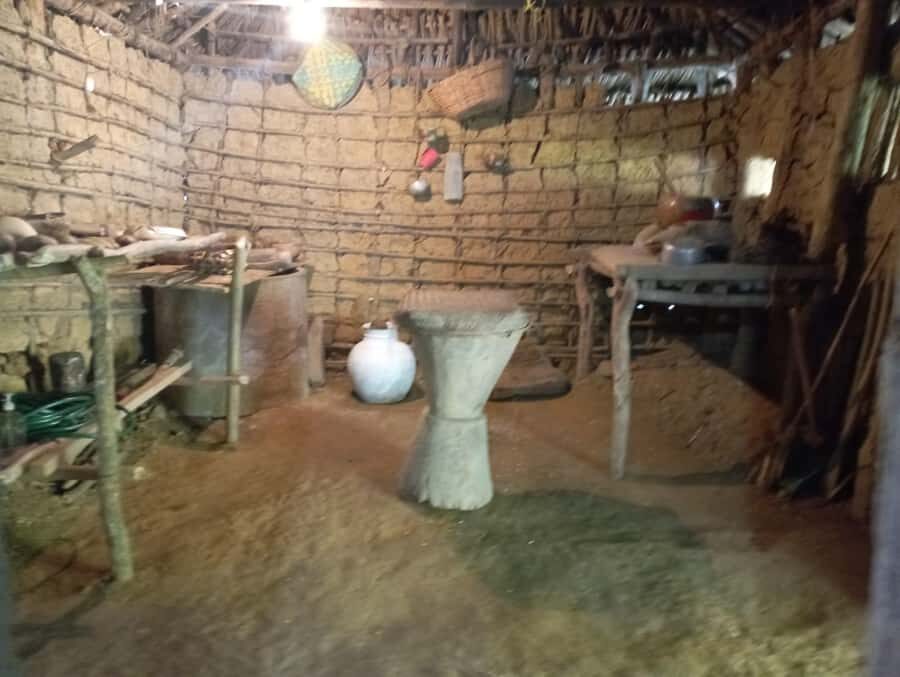
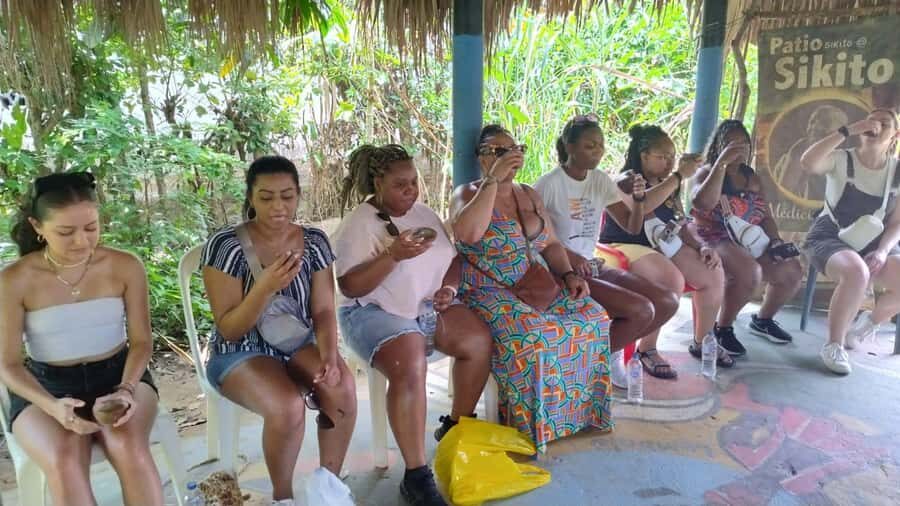
A less expected highlight is the stop focused on traditional medicine. You’re not treated like a science fair judge. You’re shown how healing knowledge connects to heritage and how it’s passed down as community practice.
One review mentioned the herbalist or curandero reinforcing the importance of passing down knowledge that serves the community. I appreciate that framing because it avoids two extremes: it doesn’t turn traditional medicine into folklore, and it doesn’t claim Western medical authority either. It’s presented as living knowledge.
If you’re curious, ask questions. If you’re not, just listen closely. Even without a deep background, you can usually understand what matters: this is knowledge with purpose, not just a display for visitors.
The Palenquito photo moment: YO AMO A PALENQUED
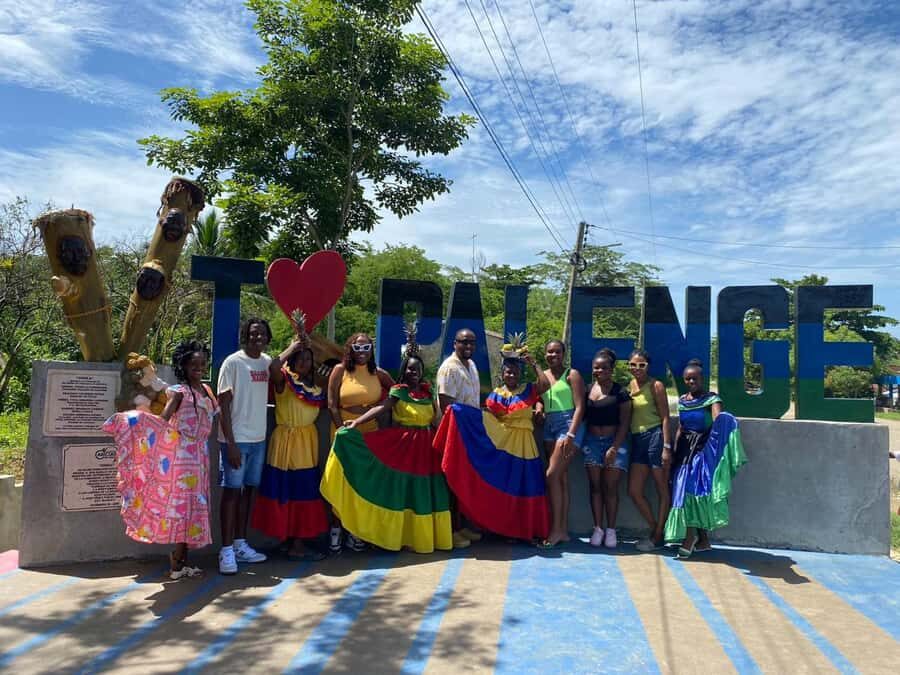
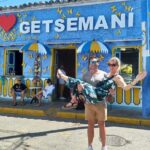
Between the deeper stops, there’s a quick break built in: a stop in Palenquito for photos at the letters YO AMO A PALENQUED, reported as about five minutes. This is the part that’s clearly for fun and keeps your energy up before lunch.
Keep it quick and purposeful. Take your photos, then re-center. This tour works best when you treat every stop like part of one story, not separate attractions.
Dance performance: where you stop being a spectator
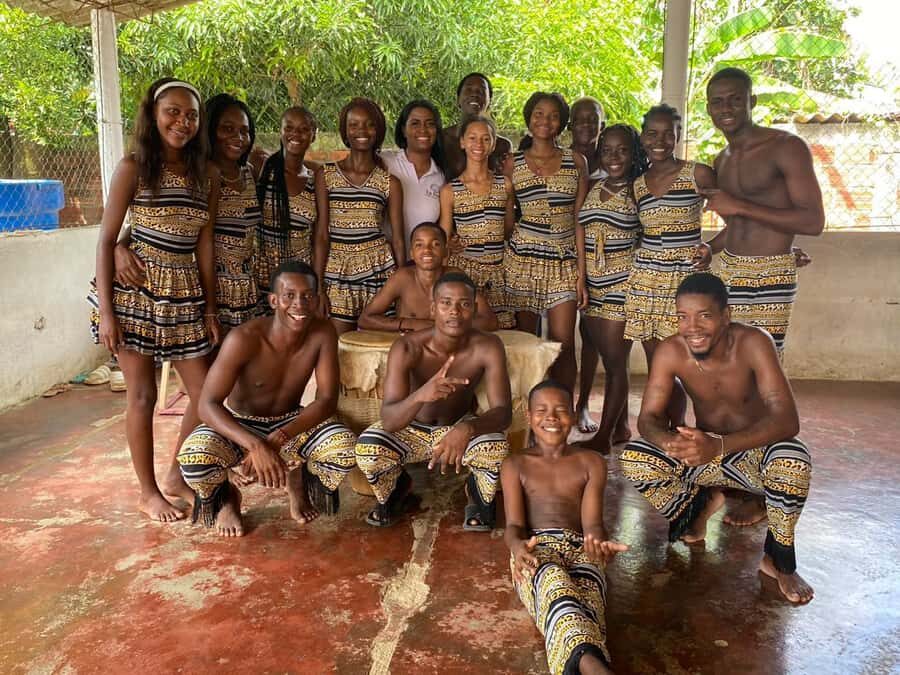
After the history stops, the day peaks with performance. The dance show isn’t just something you watch from a distance. The structure includes interaction: you learn steps and you play drums.
This is also where the tour earns repeat praise. People mention the joy in Palenque’s young people and the way the performance is joyful rather than only tragic. The history comes through, but you feel it as culture first.
If you’re celebrating a birthday or a special date, there’s a chance of a personalized moment. One guest said they were sung Happy Birthday in Palenque and received a gift. That isn’t something you should count on, but it signals how warm and social the atmosphere can be when your group connects.
Lunch at the end: palenquero dishes that actually fill you up
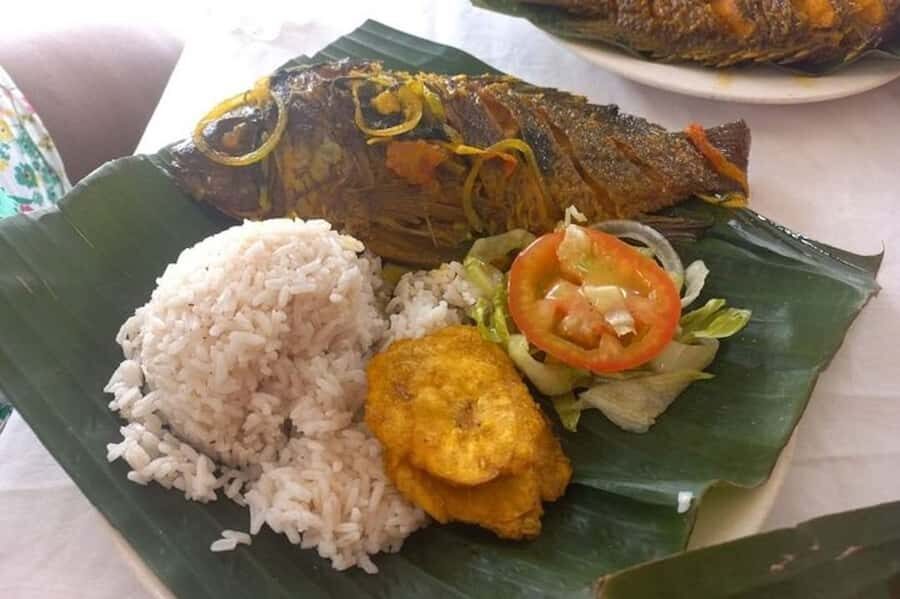
Lunch is included, and it’s not an afterthought. One guest described the food as some of the best they’d ever had. Another mentioned fish cooked in coconut milk, plus a drink made with sugar cane juice.
What to expect, practically: you’ll get a typical palenquero dish served after the main activities. You likely have options, since a few guests reported choosing between items like fish and chicken.
If you have dietary needs, you should check in when you confirm your booking, since the data only guarantees lunch exists, not the exact menu each day. Still, the fact that guests describe multiple choices is a good sign.
Pro tip: pace yourself. The day mixes walking, standing for explanations, and active dancing. If you want energy, eat like you mean it.
Price and value: is $108 fair for a 6-hour cultural day?
At $108 per person for a tour lasting about 6 hours, the value depends on what you want from Cartagena besides beaches.
Here’s the value equation as I see it:
- Transportation is included via an air-conditioned vehicle and private transportation.
- You get a native bilingual guide and live translation support during key stops.
- You’re paying for access to a whole chain of cultural locations: town square, Kombilesa mi, museum house, Palenque Viejo, traditional medicine, and the dance show.
- Lunch and water are included.
So the price isn’t just paying for a ride. You’re paying for a curated cultural conversation with participation built in. If you’re the type who likes history that shows up in language, food, and performance, $108 starts to feel reasonable.
If you only want a quick photo trip or you prefer museums with minimal interaction, then the price can feel steep. One guest even said the activity might be overpriced for what it is. That opinion makes sense for visitors who don’t want to engage.
Who should book this tour, and who should think twice
This Palenque tour and Road to Emancipation stop is a strong fit if you:
- care about African diaspora roots and want more than surface-level explanation
- enjoy joining in with dance and drumming
- want a history story that includes difficult topics handled with candor
- appreciate a day guided by locals with real pride in their community
Think twice if you:
- hate long pickup routes and prefer tight, efficient scheduling
- want a purely passive experience with minimal participation
- get frustrated if comfort in vehicles varies day to day
One more practical note: heat matters. One review said umbrellas were provided for people who didn’t bring one. Still, I’d pack sunscreen and a hat because shade can’t follow you everywhere.
Should you book the Palenque Tour and Road to Emancipation?
I think you should book it if you want an authentic cultural day trip that connects history to living traditions. The two big reasons to choose this one are the language + drumming-and-dance participation and the fact that the day is guided through real community spaces, not just a quick drive-by.
If you’re on the fence, use this simple test: do you want to learn and participate, or do you just want a photo? If you’re ready to show up with energy, this tour is one of the more meaningful ways to spend a half day outside central Cartagena.
FAQ
How long is the tour?
The experience runs for about 6 hours.
Where does the tour go?
You’ll visit San Basilio de Palenque and include a stop at Palenquito for photos, plus a quick pass by Turbaco.
What’s included in the price?
It includes air-conditioned vehicle transportation, private transportation, a native bilingual guide, a dance show, lunch (almuerzo), bottled water, and the meals served during lunch.
Are dance and music part of the experience?
Yes. The tour includes a dance show, and you’ll learn dance steps and play drums.
Will I get language instruction?
Yes. A native bilingual guide teaches some words in the Bantu language of Guinea and Congo.
What are the main stops inside Palenque?
You’ll stop at the town square, the house of kombilesa mi, the museum house, Palenque Viejo, and a traditional medicine area.
Is there time for photos?
There is a short photo stop at Palenquito for the letters YO AMO A PALENQUED.
What languages will the tour guide speak?
The live tour guide provides Spanish and English.
What is the pickup schedule in Cartagena?
Historic center pickup is at 8:00 AM at the Clock Tower. Bocagrande, Castillo Grande, and Laguito pickup is between 8:20 AM and 8:45 AM. Marbella, Cabrero, Crespo, Cielo Mar, and hotels in the north zone and Manzanillo del Mar pickup is between 8:50 AM and 9:30 AM. Manga guests must arrive at the Clock Tower at 8:00 AM.
What’s the cancellation policy?
Free cancellation is available up to 24 hours in advance for a full refund, and you can reserve now and pay later.