REVIEW · CARTAGENA
Cooking Class In A Real Restaurant At Old City
Book on Viator →Operated by Real Experience Cartagena · Bookable on Viator
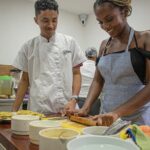
Cooking in a real kitchen changes everything. This Cartagena Old City class runs right from inside a working restaurant, with two professional chefs teaching you dishes you can actually taste at the end. You’ll go from prep to plate over about two hours, starting with coconut rice from scratch and finishing with a full meal you helped cook.
I especially like the focus on technique, not just recipes. You get hands-on time with multiple classics like patacones, empanadas, and mojarra roja al papillon, plus a break of music and dancing while the fish cooks. One thing to consider: it’s a Spanish-led class with an English translator, so if you need very detailed English explanations, plan to lean on the translator when questions pop up.
In This Review
- Key Highlights You Should Know Before You Go
- Entering Orígenes Restaurante Bar: A Kitchen in the Old City
- The 3:30 pm Flow: How the Two Hours Actually Feel
- Coconut Rice From Scratch: Why This Starter Matters
- Patacones: Frying Skills with a Big Payoff
- Panela Water: The Local Drink You’ll Remember
- Mojarra Roja al Papillon: The Fish Dish with a Story
- Empanadas: Dough, Fillings, and the Joy of Shaping
- Eating Together: A Full Meal You Helped Create
- Communication in English: How the Class Works if You Don’t Speak Spanish
- Small-Group Energy and Meeting New People
- Price and Value: Is $43 Worth It?
- A Couple of Practical Considerations Before You Book
- Who This Class Suits Best
- Should You Book This Cartagena Cooking Class?
- FAQ
- Where is the meeting point?
- What time does the cooking class start?
- How long is the experience?
- How many people are in the group?
- What dishes and items will you cook?
- Is there English help during the class?
- Do you eat what you cook?
- Are recipes shared after the class?
- Is free cancellation available?
Key Highlights You Should Know Before You Go
- Small-group format (max 8): you’ll get more attention than in the big-bus cooking spots.
- Multiple Cartagena staples, made from scratch: coconut rice, patacones, panela water, empanadas, and fish.
- A kitchen with real-service rhythm: the coconut rice is prepared specifically for restaurant service.
- Dance break while the fish cooks: your hands are busy, but the vibe stays playful.
- Recipes shared after the class: you can recreate the dishes at home instead of guessing.
Entering Orígenes Restaurante Bar: A Kitchen in the Old City
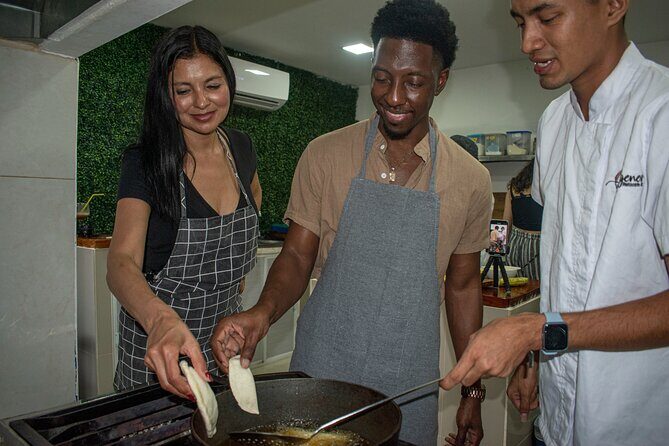
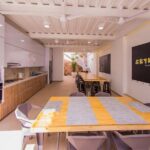
This class starts at Orígenes Restaurante Bar in Cartagena’s historic center, on Calle Estanco del Aguardiente (Calle 38, l-1). You’re not wandering into a demo kitchen. You’re stepping into a restaurant environment where food moves on a schedule and the chefs work like they mean it.
Why that matters: cooking classes can become a staged show. Here, the pace feels practical. You’ll prep, chop, fry, shape, and follow technique as it’s used for actual service—especially with the coconut rice, which you start from scratch because the restaurant needs it.
Also, the place is described as air conditioned and spotless, with enough room for you to see what’s happening and get involved. If you’ve ever taken a class where you squeeze into a corner, this setup is easier to enjoy.
Other Walled City and Old Town tours in Cartagena


The 3:30 pm Flow: How the Two Hours Actually Feel
The start time is 3:30 pm, and the class runs about 2 hours. That timing is handy in Cartagena because it slots neatly between sightseeing and evening plans. When it ends, you’ll be fed—this isn’t a snack-and-learn situation.
The schedule also keeps energy high. You don’t just sit through one long dish. The cooking rotates: coconut rice first, then patacones, then panela water, then fish, and finally empanadas. Each step has a different “job,” so even if frying isn’t your thing, you’ll still be useful and engaged.
A small-group class (often 6–8 people) also changes the sound level and the pace. You can actually ask questions without shouting across a crowd.
Coconut Rice From Scratch: Why This Starter Matters
The first task is making coconut rice from scratch. The class isn’t treating it like a side dish you can skim on. This is the rice the restaurant uses for service, so the chefs focus on how it’s built—flavor base, correct texture, and timing.
Here’s what you’ll take away beyond the rice itself: the class teaches you how to think like the kitchen. You learn that “done” isn’t just a look. It’s the feel and timing that let the next dish happen without everything falling behind.
If you’re the type who cooks at home, coconut rice is also a good dish to practice because small changes matter. Too dry and it’s heavy. Too wet and it feels undercooked. This is one of the recipes that benefits from learning technique, not just following a list.
Patacones: Frying Skills with a Big Payoff
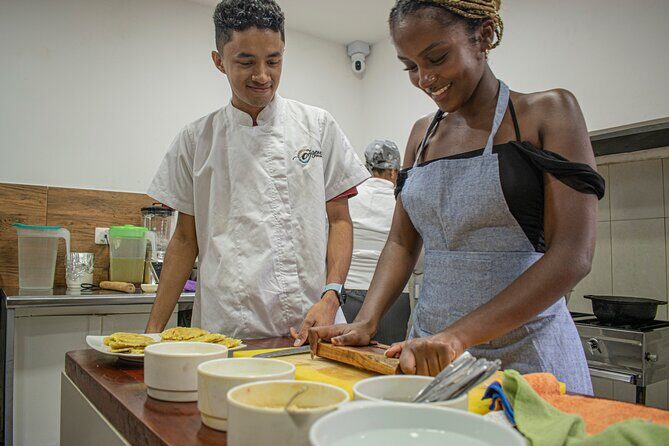
After the rice, you move into patacones—fried green plantain discs that people love for their crunch. This is one of the dishes most likely to make you say: okay, I get it now.
What makes patacones a great class assignment is the combination of skill and payoff. You shape and fry, then adjust and refine so they come out crisp. You’re not just tasting a final result; you’re working toward the texture.
In the feedback, patacones show up again and again as a personal favorite. That’s a clue. If you like crispy snacks, street-food style textures, or you want a Cartagena side dish that’s more than rice and beans, this is a smart highlight to prioritize.
Panela Water: The Local Drink You’ll Remember
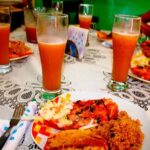
Next comes panela water, a typical drink from Cartagena. This is the kind of detail that helps the class feel local instead of generic. You’re not only learning what goes on a plate—you’re learning what people drink with the flavors.
I like that it’s included early. It gives you a break between frying steps, and it helps you taste the sweetness profile that shows up in other Latin American desserts and drinks. Even if you’re not a big sweet-drink person, panela water is a flavor anchor for the meal.
And because it’s paired with the rest of the menu, it doesn’t feel like a random add-on. It supports the overall Colombian and Caribbean flavor rhythm.
Other Colombian cooking classes in Cartagena
Mojarra Roja al Papillon: The Fish Dish with a Story
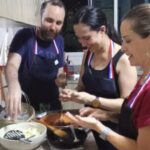
The most typical fish of Cartagena is mojarra roja al papillon. You’ll work toward a recipe loved by ancestors, and the chefs treat it with real respect. While the fish cooks, you get a chance to relax and enjoy a music-and-dance moment—because the chef loves to dance.
This is where the class becomes more than a cooking lesson. Waiting for fish can be boring in other settings. Here, it becomes a social and cultural pause.
Why mojarra matters for value: seafood in tourism can be expensive, and fish dishes often get treated as a tasting at best. In this class, you’re learning the preparation steps and the logic of timing. You’re also watching how the chefs coordinate the next steps so nothing goes cold.
Practical note: fish can be the most delicate dish to get right at home. Learning the approach here makes it easier when you try it again later.
Empanadas: Dough, Fillings, and the Joy of Shaping
Then you move into empanadas—preparing both the dough and the fillings. This part is a classic reason to take the class: it’s hands-on, it’s tactile, and it’s forgiving enough to learn by doing.
The dough work teaches texture and consistency. The fillings teach balance. The final shaping is where your confidence builds fast, because you can see the result immediately.
This section also tends to be popular in feedback because empanadas are a universal comfort food—but the Cartagena approach feels specific. You’ll likely leave knowing how to build empanadas in a way that’s more than store-bought shortcuts.
Eating Together: A Full Meal You Helped Create
At the end, you sit down and eat everything you prepared in the restaurant. This is a major part of why the class is priced the way it is. You’re not paying only for instruction. You’re paying for a substantial meal that reflects the time and ingredients used in a real kitchen.
I like the “plated and brought to you” approach. You can focus on enjoying the food and talking with the group instead of tracking plates and cooking stations.
If you’re thinking about food value, this is where it shows. With multiple dishes cooked and eaten—not just one item—you get a lot more than a two-hour gimmick.
Communication in English: How the Class Works if You Don’t Speak Spanish
The chef leads in Spanish, and an English translator helps you follow along. In the feedback, people specifically mention instructors like Astrid and helpers like Danna/Dana (names vary by account, but the role is consistent). The translator is described as very supportive, and the chef remains energetic and engaging.
Here’s the practical takeaway: you can still fully participate. Translation means you’ll understand what matters for each step—texture, timing, and technique—rather than just being handed tasks without context.
If you want the best experience, come with a simple mindset: ask when you’re unsure, and pay attention to how the chefs describe what “right” looks like and feels like.
Small-Group Energy and Meeting New People
This class caps at 8 travelers, and many sessions run with 6–7 people. That size makes it easy to connect. People mention meeting new friends and laughing a lot during the process.
Even if you’re cooking with a partner or family, it doesn’t feel awkward. The chefs guide you through each station, so you’re not standing idle. And because you’re moving through different dishes, you get breaks from any one task.
If you’re traveling solo, you won’t get left out. The class format naturally pushes conversation. You’ll be busy, fed, and social at the same time.
Price and Value: Is $43 Worth It?
At $43 per person for about two hours, this class is strong value if you compare it to what you’d pay just for a similar restaurant meal plus paid instruction. You’re paying for:
- Multiple dishes cooked and eaten (not a sample tray)
- A real restaurant kitchen setting
- Hands-on instruction from professional chefs
- Recipes shared afterward so you can repeat the results at home
One more quiet value point: the coconut rice is tied to restaurant service. That signals you’re not learning in a mock space. You’re working where the kitchen actually operates.
In short, if you want a Cartagena food experience that isn’t only about tasting, this price makes sense.
A Couple of Practical Considerations Before You Book
Most things here are set up for an easy, fun afternoon. Still, keep two practical points in mind:
First, language flow depends on the translator. The cooking itself is hands-on, but the deeper explanations will land through translation.
Second, one account mentions the schedule being adjusted and a last-second cancellation. That’s not the norm from the overall pattern of reviews, but it’s a reminder to stay flexible with timing and double-check your plan as the day approaches.
Who This Class Suits Best
This works especially well if you:
- Want a hands-on Colombian cooking class in Cartagena’s Old City
- Like learning specific techniques (frying, dough-making, fish timing)
- Prefer small groups and a social vibe
- Travel with kids or a mixed-age group and want something interactive
If you’re the kind of person who likes eating first and asking questions later, you’ll still enjoy it—but the real star here is the process.
Should You Book This Cartagena Cooking Class?
I think you should book it if your goal is authentic, practical food learning with a fun atmosphere. The best reason is simple: you cook several Cartagena staples, then you eat a real restaurant meal that you helped make.
Skip it only if you strongly dislike hands-on cooking or if you need fully English instruction with zero reliance on translation. Otherwise, this is an easy yes for anyone who wants a memorable Cartagena food afternoon without the chaos of a big tour group.
FAQ
Where is the meeting point?
You meet at Orígenes Restaurante Bar, Calle Estanco del Aguardiente, Calle 38, l-1, El Centro, Cartagena de Indias, Provincia de Cartagena, Bolívar, Colombia.
What time does the cooking class start?
The class starts at 3:30 pm.
How long is the experience?
It lasts about 2 hours (approx.).
How many people are in the group?
The class has a maximum of 8 travelers.
What dishes and items will you cook?
You’ll prepare coconut rice, crunchy patacones, panela water, mojarra roja al papillon (red snapper-style fish), and empanadas (dough and fillings). You’ll eat everything you make at the end.
Is there English help during the class?
Yes. The class includes an English translator.
Do you eat what you cook?
Yes. After cooking, you eat the meal prepared in the restaurant.
Are recipes shared after the class?
Yes. Recipes are shared electronically after the class.
Is free cancellation available?
Yes. You can cancel up to 24 hours in advance for a full refund.