REVIEW · CARTAGENA
4h Cooking Class in Cartagena with 10 Recipes & Bottomless Drinks
Book on Viator →Operated by Cook in Fiesta · Bookable on Viator
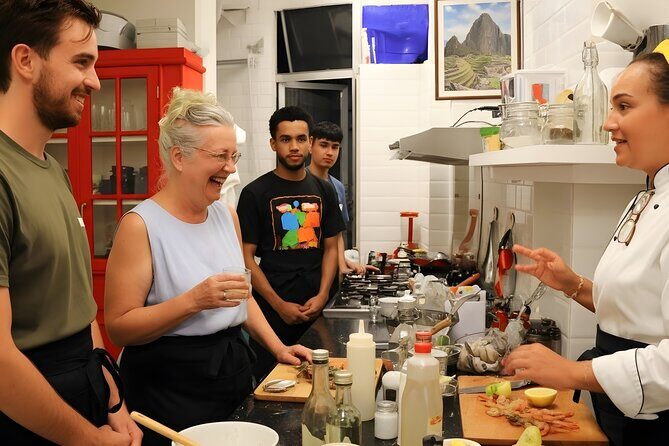
Big flavor, hands-on cooking, and a mojito in reach. This 3.5-hour Cartagena class turns a home kitchen into a festive table where Jose and Marina guide you through classic Colombian dishes. I like that it’s not just watch-and-learn—your hands chop, fry, simmer, and season while you pick up the logic behind each recipe. The other thing I love is the pace: 10 recipes plus a shared meal means you actually leave fed, not just impressed. One thing to consider: drinks are a big part of the experience, so plan your night accordingly if you’d rather keep it light.
This is set up for small groups, with a max of 6 people, and it’s taught in English. You also get mobile tickets, and the activity starts and ends in Manga, so it’s easy to plug into your Cartagena evening plans. If you dislike group dining or you don’t drink cocktails, you’ll want to think twice—though the menu preview does mention options like iced drinks alongside cocktails.
In This Review
- Key points before you book
- Why this Cartagena cooking class feels more like a party than a lesson
- Manga meet-up and the 6:00 pm timing sweet spot
- Jose and Marina: the hosts behind the flavors
- Your hands-on cooking flow: 10 recipes, one organized kitchen
- Starters that teach real Colombian comfort: carimañolas, butter cassava, arepas de queso
- Carimañolas
- Butter cassava (mandioca)
- Arepas de queso
- Mains with variety: patacones, empanadas colombianas, ajiaco soup, and arroz con coco
- Patacones
- Empanadas Colombianas
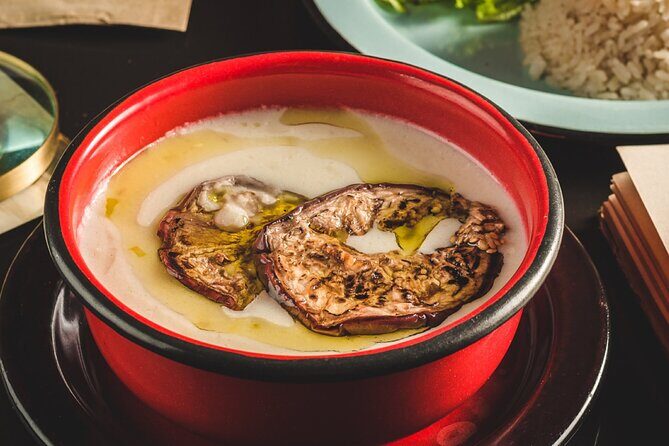
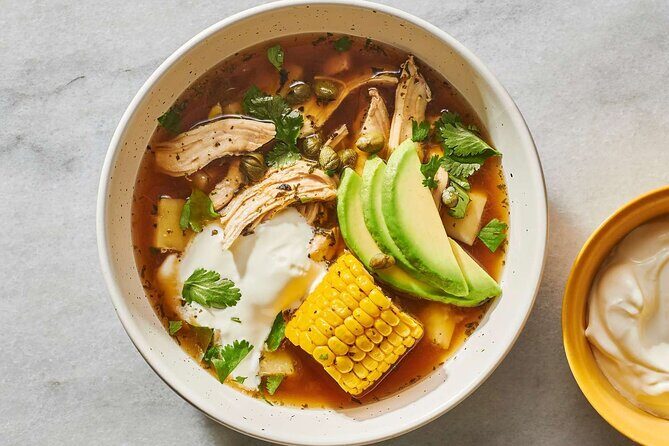
- Ajiaco soup
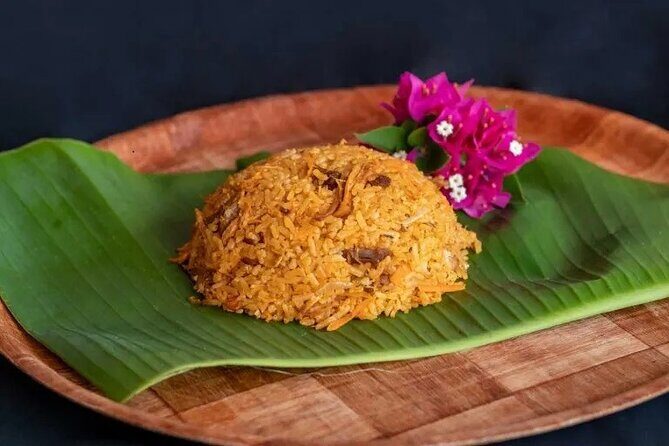
- Arroz con Coco
- Drinks while you cook: mojitos, caipirinhas, and iced options
- Dessert that closes the loop: tres leches and cocadas
- Tres leches
- Cocadas
- The shared feast: why the ending matters
- Price and value: is $85 worth it?
- Who should book this Cartagena class (and who should skip it)
- Book it or not: my practical bottom line
- FAQ
- How long is the cooking class in Cartagena?
- What time does it start?
- Where is the meeting point?
- What group size should I expect?
- Is the class offered in English?
- What’s included in the menu?
- Is cancellation free?
Key points before you book
- Max 6 people means you get real attention while you cook
- English instruction so you can follow the why, not just the what
- 10 recipes included, from carimañolas to tres leches to cocadas
- Bottomless cocktails keep the mood up while you’re learning
- Hands-on cooking: chopping, frying, simmering, and seasoning (not just tasting)
- Home-style setting in Manga with the meal finished at the shared table
Why this Cartagena cooking class feels more like a party than a lesson
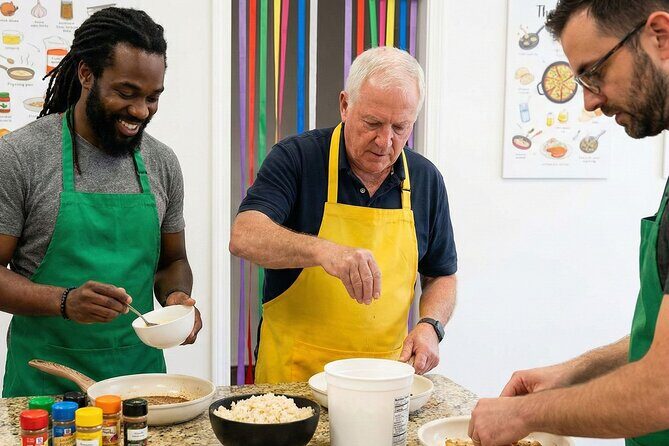
Cartagena already knows how to make evenings fun. This experience leans into that, but it still stays practical: you’re cooking real Colombian food, with real technique, in a real home.
What makes it work well is the combination of structure and spontaneity. You get a clear flow through starters, mains, and dessert, and you also get a lively atmosphere thanks to the drinks. The hosts—Jose and Marina—bring stories into the cooking so the food doesn’t feel random. And with a 5/5 rating and 100% recommending it, the vibe isn’t just hype.
If you’re the type who learns best by doing, this is a great fit. If you’d rather eat quietly and observe, you might feel slightly pulled into the social energy.
Other Colombian cooking classes in Cartagena


Manga meet-up and the 6:00 pm timing sweet spot
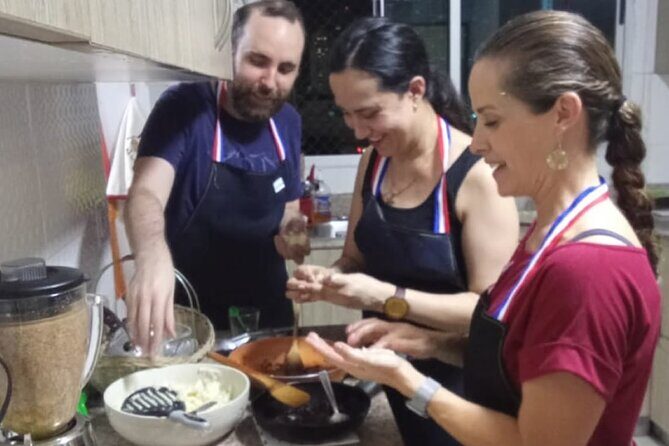
The class begins at 6:00 pm in Manga, Cartagena, and you return to the same meeting point at the end. That timing is smart: you’re not rushing midday, but you also aren’t stuck waiting for dinner hours to start.
Because the total duration is about 3 hours 30 minutes, you can plan the rest of your night without getting stressed. You’ll cook and eat during the session, so you won’t need a full extra meal afterward. It also helps that the start and end are the same area—less hassle, fewer surprises.
One practical tip: arrive on time. With a small group, the hosts need to keep the kitchen moving so everyone gets hands-on steps.
Jose and Marina: the hosts behind the flavors
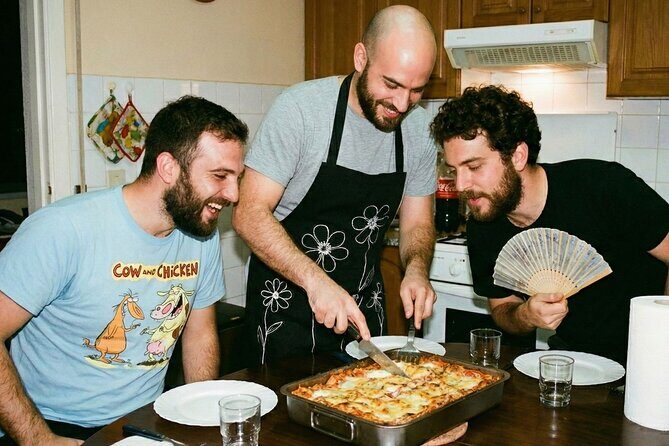
This class is hosted by Jose and Marina, and the teaching style seems built for clarity. The key is that they connect technique to local tradition. That matters, because Colombian cooking isn’t about a single magic ingredient—it’s about balance: starchy comfort, savory depth, bright herbs, and just enough sweetness when dessert hits.
I also like that the guidance isn’t only about recipes. You’re learning the rhythm of cooking: when to fry, when to simmer, and when to season. Those are the skills that help you recreate dishes later, not just memorize a list.
And since the class runs in English, you won’t have to guess what’s happening at the stove.
Your hands-on cooking flow: 10 recipes, one organized kitchen
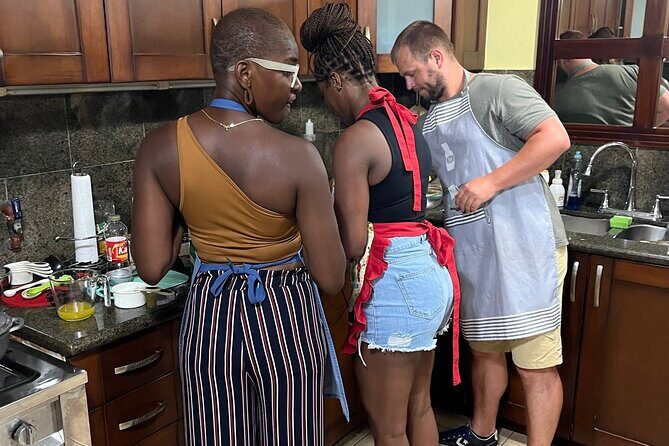
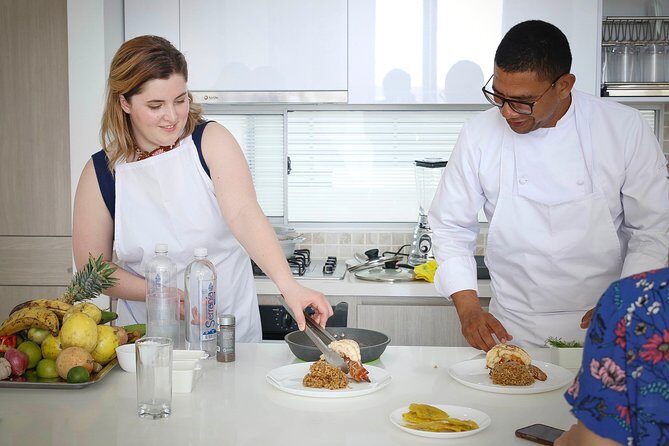
This is not a tasting menu. You’re actively involved while working through 10 traditional dishes, plus the drink component that keeps everything lively.
A typical flow looks like this: you start with starters, move into mains (including soup and rice), then finish with dessert. Along the way, you’ll chop, fry, simmer, and season. The aim is to keep you busy without overwhelming you—especially in a group capped at 6.
Here’s how the recipes fit together, and what you should pay attention to at each stage.
Starters that teach real Colombian comfort: carimañolas, butter cassava, arepas de queso
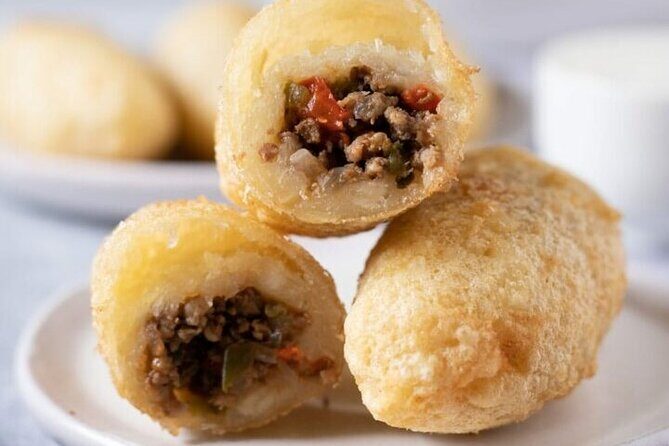
You’ll begin with a trio of starters that shows three different ways to work with starchy ingredients and savory fillings.
Other cooking classes in Cartagena
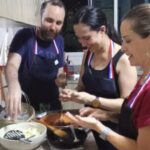
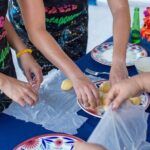
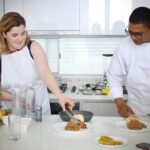
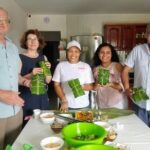
Carimañolas
These are cassava fritters stuffed with seasoned meat or cheese. The teaching moment here is texture. Cassava-based dough needs the right heat to turn crisp outside while staying tender inside. When you fry, you’re basically learning how to control the outcome with timing.
Butter cassava (mandioca)
This one is boiled mandioca finished with herbs and butter. It’s a great contrast to the fried starter because it shows a softer approach: simple cooking, then flavor building at the end. If you’ve only had potatoes before, this is your reminder that cassava has its own personality.
Arepas de queso
These are cheese-filled corn cakes cooked on the griddle. This is where you learn the skillet method: heat control and how cheese changes the dough as it cooks. Griddled arepas are also a nice reminder that not everything Colombian is deep-fried to perfection—some things are about getting the surface just right.
If you like learning by comparing methods, these starters are a strong start. If you’re sensitive to cheese or frying smells, take note: the kitchen is active and aromas are part of the fun.
Mains with variety: patacones, empanadas colombianas, ajiaco soup, and arroz con coco
After starters, the class shifts into mains with a coastal feel and a hearty backbone. You’ll work through both handheld foods and comforting bowls.
Patacones
Twice-fried green plantains with savory toppings. This recipe is famous because the process works: fry once to soften, then fry again for crunch. It’s a hands-on lesson in how repetition improves texture. Expect these to be satisfying and snackable even while you’re still cooking other items.
Empanadas Colombianas
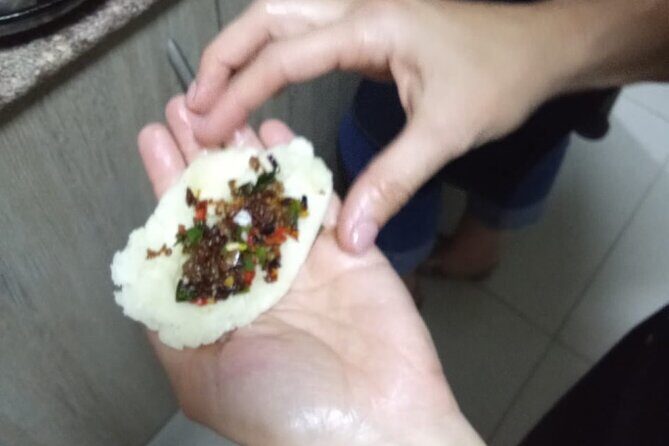
Turnovers with beef, chicken, or vegetarian filling. These help you practice portioning and sealing, even if you’re not shaping every single one yourself. Empanadas are also a practical dish—something you can recreate when you want “Colombia on a plate” without a complicated schedule.
Ajiaco soup
This traditional chicken and potato soup comes with local herbs. Soup-making teaches a different skill set: simmering and seasoning over time rather than relying on quick finishing. Ajiaco is the type of dish that makes the whole table slow down in a good way.
Arroz con Coco
A coconut rice dish, a coastal Colombian classic. This is where sweetness meets savory. Coconut isn’t only for desserts here; it works in rice as comfort and fragrance. If you’ve never had coconut in savory dishes, this is a chance to calibrate your expectations.
Collectively, these mains cover crunch, handheld comfort, a hearty soup, and a fragrant rice. That variety is why this class doesn’t feel repetitive even though it’s 10 recipes in one afternoon.
Drinks while you cook: mojitos, caipirinhas, and iced options
The class includes bottomless cocktails, including unlimited mojitos and caipirinhas, plus local drinks. It also mentions that the afternoon can start with something like a spice-infused iced tea, not only alcohol.
This mix matters because it supports different energy levels. If you want to drink, you’ll keep the momentum up. If you want the taste and the social vibe without going heavy, you can still enjoy the experience.
Still, because cocktails are part of the deal, keep your evening plan realistic. You’re cooking, eating, and likely talking a lot—so you don’t want to schedule something stressful right after.
Dessert that closes the loop: tres leches and cocadas
Dessert is not an afterthought here. It’s part of the full Colombian arc: cake that soaks up flavor and sweets that finish with coconut goodness.
Tres leches
You’ll learn tres leches cake, a sponge cake soaked in three types of milk. The magic is timing and texture. You’re tasting how the cake transforms from light sponge to creamy, spoon-friendly comfort.
Cocadas
Sweet coconut bites to finish. Cocadas are simple but hard to get right—too sweet, too dry, or not enough coconut flavor, and they miss the point. The fact that you end with these means the meal stays cohesive: savory mains, then a coconut finish.
If you have a sweet tooth, dessert is the moment you’ll remember most—because it lands after you’ve already built the appetite with savory cooking.
The shared feast: why the ending matters
The class ends with a shared feast around the table. This is a big deal for two reasons.
First, it turns your cooking into a communal meal. You don’t just plate food and walk away—you sit down with the group and actually eat what you made.
Second, it’s where you can compare notes: how you handled a frying step, whether your empanada sealing worked, or how the soup tasted once it was served. That social part can be the highlight of your Cartagena trip, and the overall rating suggests people feel the value at the end, not just in the kitchen.
Because group size is small, the table feels manageable. You’ll get conversation without feeling swallowed by a crowd.
Price and value: is $85 worth it?
At $85 per person, this isn’t the cheapest thing on a Cartagena list—but it also isn’t a bare-bones cooking demo.
You’re paying for several bundled elements:
- Hands-on instruction with hosts Jose and Marina
- A full set of recipes (10 total), not just one or two signatures
- A shared meal included at the end
- Bottomless drinks, including mojitos and caipirinhas
- A small group limit of 6, which usually means more direct attention
If you compare that to doing a single cooking workshop plus paying separately for cocktails and dinner, the math starts making sense. You’re basically buying an evening experience with food, drinks, and guided technique—then walking away with the satisfaction of eating in the same session.
One caution on value: if you don’t plan to drink or you dislike interactive cooking, you’ll still eat a lot of food, but the drink portion might not justify the price for you. If you do want cocktails and a lively table, this hits the sweet spot.
Who should book this Cartagena class (and who should skip it)
This experience is best for you if:
- You want hands-on cooking rather than a passive tour.
- You like a social dinner vibe, with bottomless cocktails in the mix.
- You’re interested in Colombian classics like carimañolas, arepas de queso, ajiaco soup, and arroz con coco.
- You appreciate small-group settings with more personal attention.
Consider skipping or choosing something else if:
- You’d rather keep alcohol out of your itinerary.
- You prefer quieter, less interactive food experiences.
- You’re allergic to common ingredients like dairy or eggs (the menu includes cheese and milk-based dessert, but you’d need to ask how they handle dietary needs).
Also, this one runs with a max of 6, so it’s a good fit for couples or small groups. Solo travelers can still enjoy it, but you’ll likely be part of a conversation.
Book it or not: my practical bottom line
Book it if you want a real Cartagena evening where you learn Colombian cooking while eating like you planned a celebration. The recipe range is strong—fried, griddled, simmered, and sweet—and the hosts (Jose and Marina) set it up with stories and technique.
Skip it if you want a calm, alcohol-free meal or you’re not into cooking steps. In that case, you might get more satisfaction from a food walking tour or a restaurant dinner where you can take your time.
If you’re choosing between experiences, I’d treat this as your “one meal that teaches me something” plan. With 10 recipes, bottomless drinks, and a small group cap, it’s a good value when you’re in the mood for hands-on fun.
FAQ
How long is the cooking class in Cartagena?
It lasts about 3 hours 30 minutes.
What time does it start?
The start time is 6:00 pm.
Where is the meeting point?
The class meets in Manga, Cartagena, Bolivar, Colombia, and ends back at the meeting point.
What group size should I expect?
The tour has a maximum of 6 travelers.
Is the class offered in English?
Yes, it’s offered in English.
What’s included in the menu?
You’ll cook 10 recipes, including carimañolas, butter cassava, arepas de queso, patacones, empanadas colombianas, ajiaco soup, arroz con coco, tres leches, cocadas, and bottomless cocktails.
Is cancellation free?
Yes, you can cancel for a full refund up to 24 hours before the experience’s start time.