REVIEW · CARTAGENA
Cartagena: Colombian Specialty Coffee Tasting
Book on GetYourGuide →Operated by In Cartagena · Bookable on GetYourGuide
A great coffee tasting is usually loud and crowded. This one is calmer, more technical, and built around the full path from seed to cup. I like that you taste three different Colombian specialty coffees using distinct brew methods, and you also build real sensory skills through cupping and aroma work.
One possible drawback: it’s often more lecture-led than party-social, so if you want lots of chatter and back-and-forth games, you may find it a little structured.
In This Review
- Key things that make this Cartagena coffee tasting work
- The coffee lab in Cartagena: what you’re actually doing for two hours
- From parchment bean to your cup: the classroom part that sets up the tasting
- Coffee nose: how aroma work changes what you taste
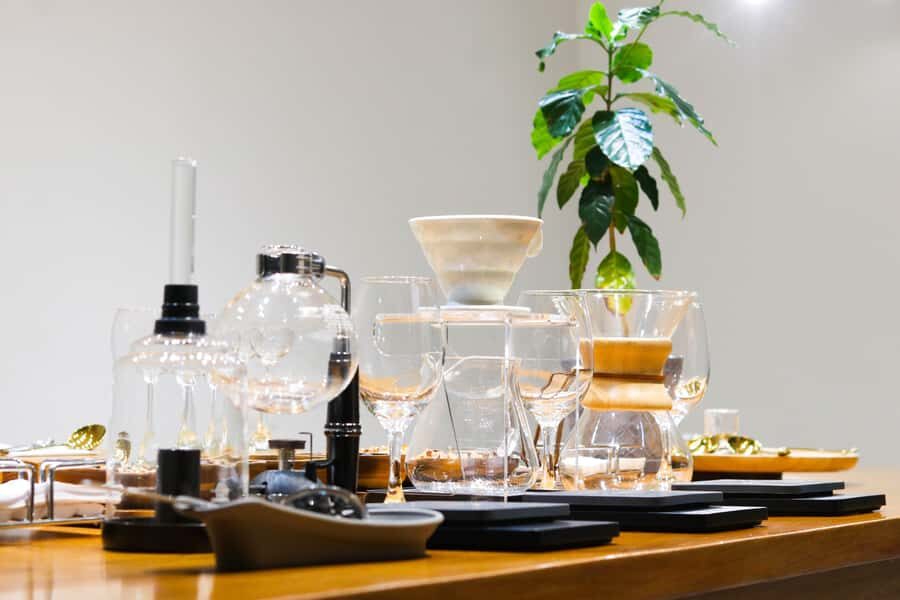
- Cupping three Colombian specialty coffees: Chemex, V60, and Hario TCA-5
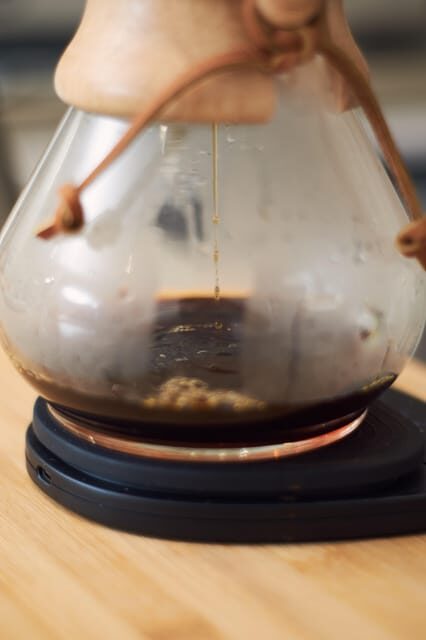
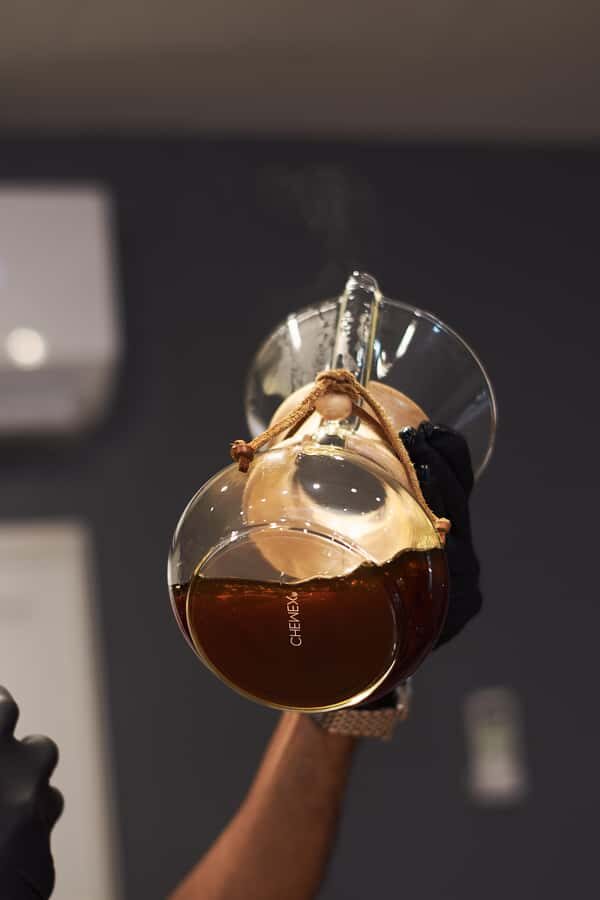
- Chemex: clarity and fruit complexity
- V60: brightness plus body
- Hario TCA-5 siphon: roundness and honey-style aromas
- How you learn to describe coffee body and nuance (the part most tastings skip)
- The included tasting elements: fruits, chocolate, and textures for a reason
- Who the instructors tend to be, and why that changes the experience
- Value in plain numbers: is $15 worth it?
- Where to place it in your Cartagena day (and what makes the area handy)
- Getting there without stress: the meeting point and map hiccups
- What to expect at the end: the takeaway you can actually use
- Should you book Cartagena’s Colombian specialty coffee tasting?
- FAQ
- FAQ
- How long is the Cartagena Colombian specialty coffee tasting?
- What does it cost?
- What will I taste during the workshop?
- Is there hands-on tasting practice, or is it mostly lecture?
- What’s included in the experience?
- What languages are offered?
- Are there any restrictions for the room?
- Can I cancel or pay later?
- What’s the meeting point?
Key things that make this Cartagena coffee tasting work
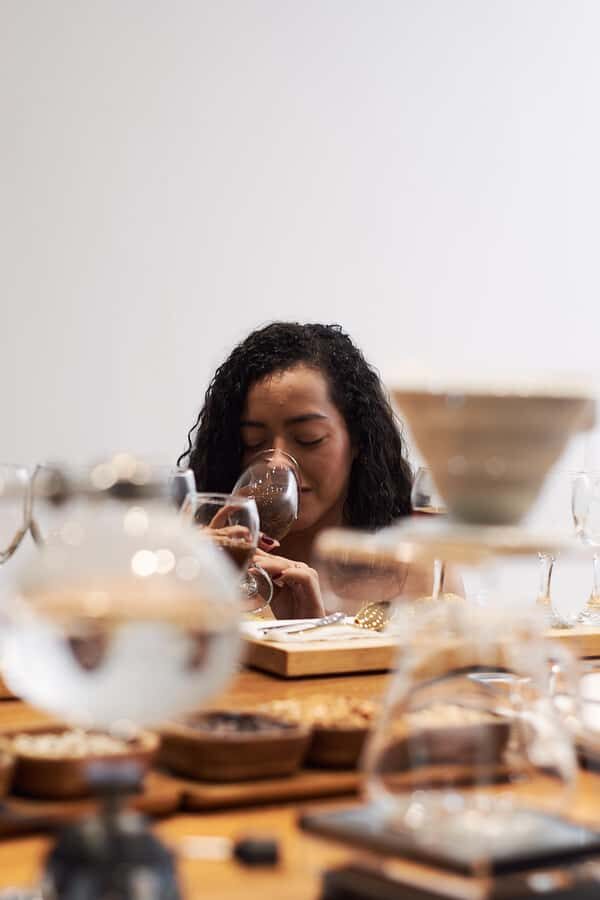
- Three brew methods in one session: Chemex, V60, and Hario TCA-5 siphon
- Coffee nose + tasting map using fruits, dehydrated fruits, and chocolate
- A focused lesson on processing and extraction that helps you taste with intention
- A guided sensory framework to describe body, brightness, and aroma more clearly
- An experience certificate: Awakening of the coffee senses – From the seed to the cup
- English or Spanish instruction, with hosts like Thomas/Tomas, Santiago, Pedro, and Arturo mentioned by name
The coffee lab in Cartagena: what you’re actually doing for two hours
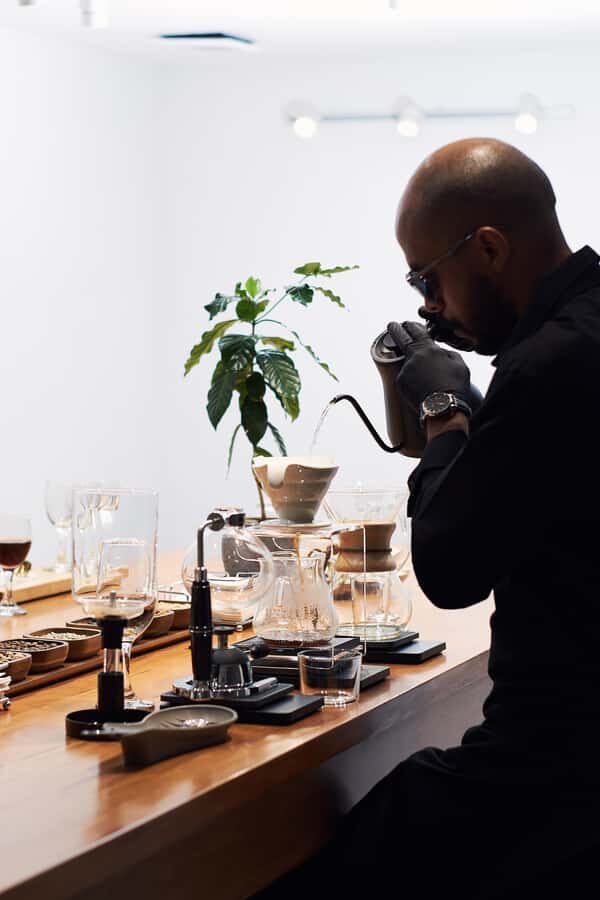
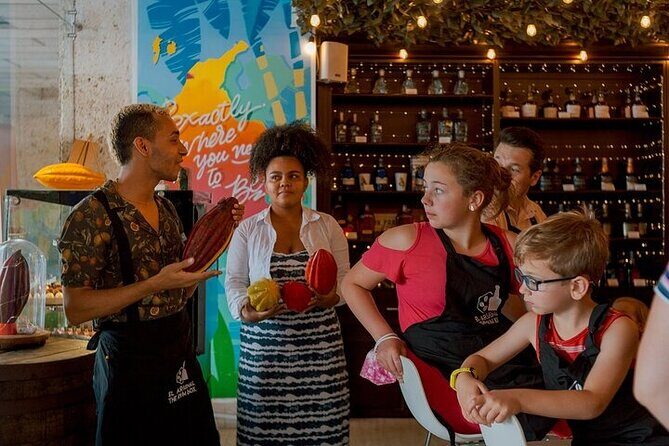
This is not a grab-a-cup-and-move-on stop. You’re in a purpose-built coffee experience center where the session feels like a lab class, just way more delicious. Expect a tight 2 hours focused on how Colombian specialty coffee tastes, not on generic coffee trivia.
You’ll spend time learning, smelling, and tasting in sequence. That structure matters because coffee gets hard to judge when you taste everything at random. Here, the session nudges you to compare coffees the way a pro does: method to method, then note to note.
Other Colombian coffee tastings in Cartagena

From parchment bean to your cup: the classroom part that sets up the tasting
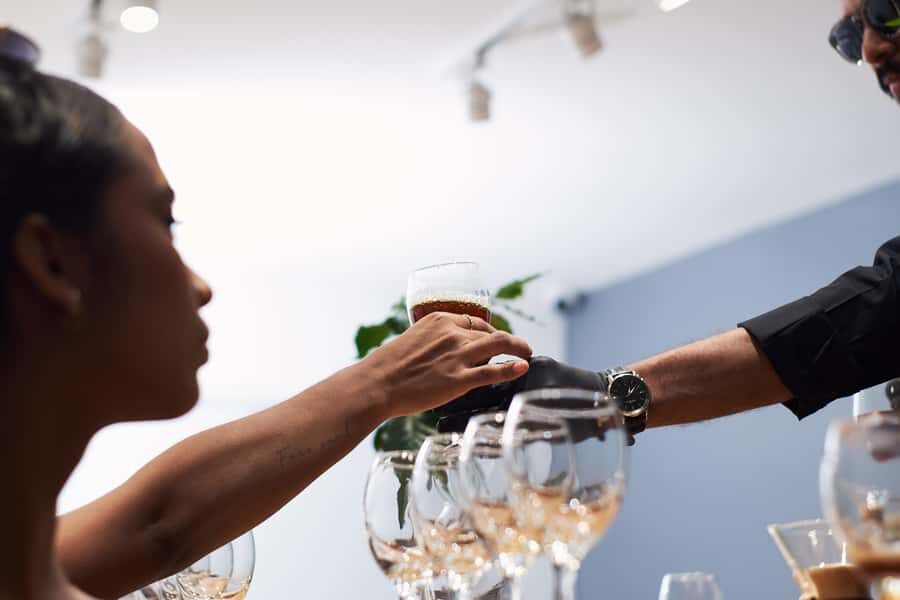
Before the brewing starts, the workshop walks you through how coffee becomes coffee. You get an approximation to Colombian coffee growing, and then the processing steps that shape flavor before the bean ever reaches your cup.
What I like about the classroom portion is that it makes the tasting make sense. If you can connect processing and extraction to what you’re smelling and tasting, the session stops being random and becomes a skill. You’re not just enjoying coffee; you’re learning how to read it.
You’ll also see coffee as a chain of decisions. The workshop emphasizes how coffee transforms from parchment bean to cup, so when you later taste three different methods, you can understand why the same general ingredient can land in totally different flavor territory.
Coffee nose: how aroma work changes what you taste
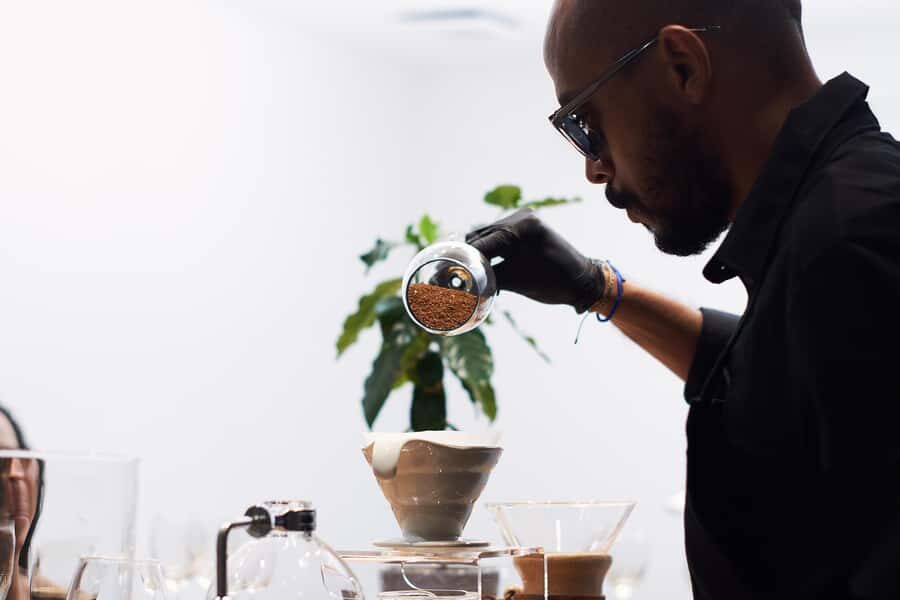
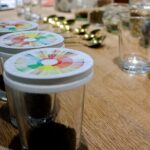
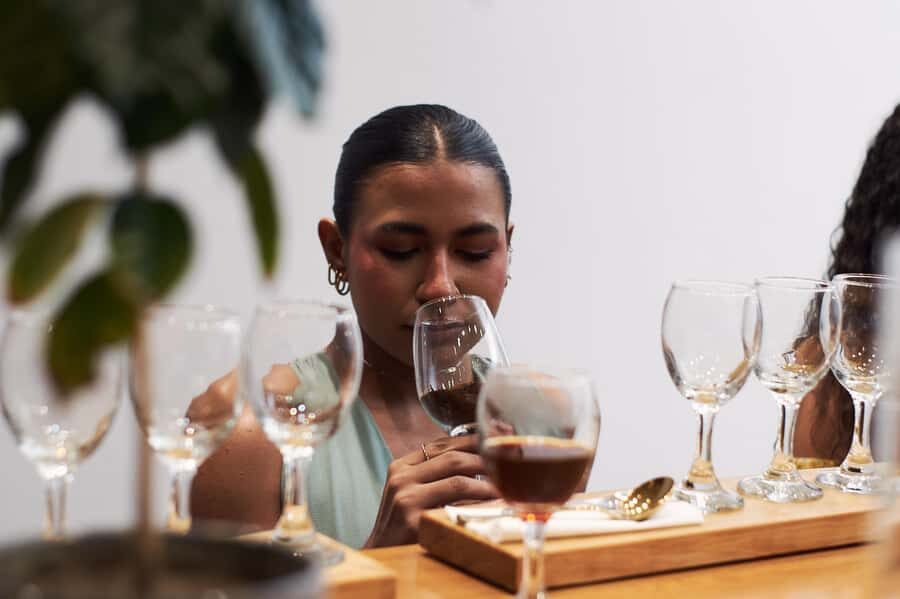
A big part of this experience is olfactory training—using a coffee nose concept to sharpen your smell first. Then the flavors you taste get anchored with specific food cues like fresh fruits, dehydrated fruits, and chocolate.
That may sound like a game, but it’s actually practical. Smell does a huge amount of the work in how coffee “tastes,” and aroma is where most people feel lost. This session gives you a controlled way to notice: fruit-like, floral-like, chocolate-like, and the way sweetness shows up across different cups.
And because strong fragrances are not allowed, the room stays cleaner for aroma detection. That detail matters more than you’d think. If perfume and cologne are in the air, your nose can’t focus on the coffee signals as clearly.
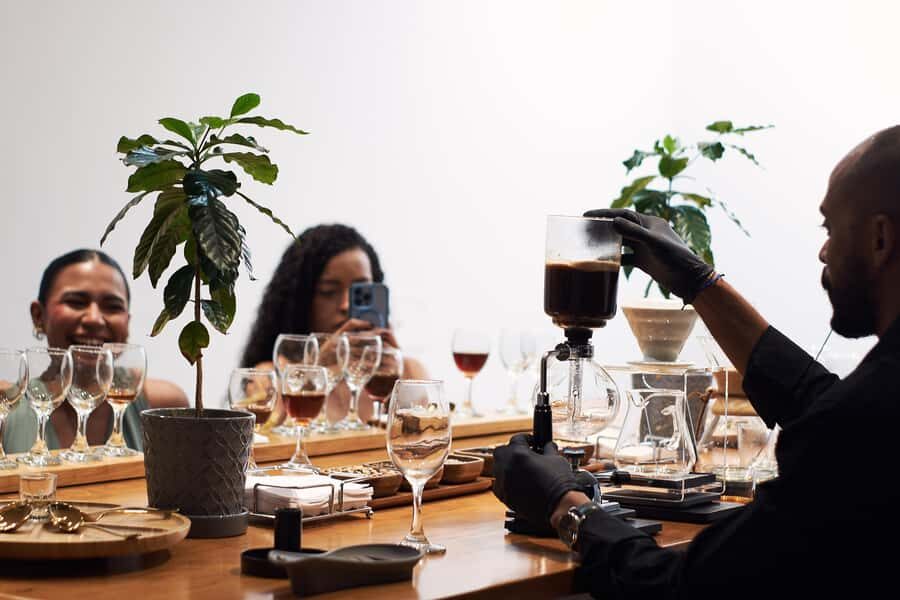
Cupping three Colombian specialty coffees: Chemex, V60, and Hario TCA-5
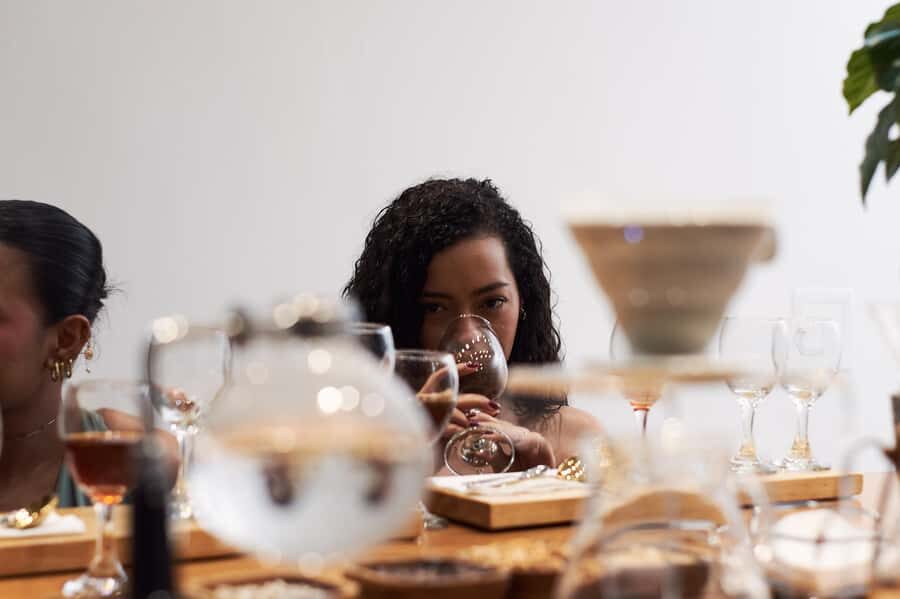
The heart of the class is cupping and tasting three coffees prepared with different extraction methods. You’ll be guided through the flavor profiles and how to distinguish what you’re tasting.
Here’s what you can expect from the brew methods, based on how the session has been described:
Chemex: clarity and fruit complexity
Chemex tends to highlight fruity, layered notes. In other words, it can feel cleaner and more “spotlighted,” so you can notice bright flavors and complexity more easily.
This is a good entry point if you’ve only ever had coffee that tastes bitter or flat. Chemex can show you that specialty coffee often has fruit and sweetness, not just roast.
Other food & drink experiences in Cartagena



V60: brightness plus body
V60 is often described as bringing out brightness and body together. If you’re trying to learn the difference between sharp, lively acidity and a fuller mouthfeel, this method helps you feel that contrast.
Hario TCA-5 siphon: roundness and honey-style aromas
The Hario TCA-5 siphon brings a different texture and aroma character. People describe it as offering roundness and smoothness, with honey-like aromas that can feel softer and more rounded than pour-over cups.
If you think specialty coffee is only for people who love acidity, the siphon section is where you often realize there’s more range. Different brew techniques can shift how sweetness and aroma present themselves.
How you learn to describe coffee body and nuance (the part most tastings skip)
A normal tasting might hand you a couple notes and move on. This one aims to teach you a vocabulary and a method.
You’ll practice describing differences in body—what feels light versus what feels thick, and how sweetness can read as both flavor and mouthfeel. The workshop is built around sensory vocabulary from the senses, so you learn how to identify nuances instead of guessing.
That’s why the cupping format matters. Cupping is a consistent comparison tool: same general coffee world, different controlled variables. Once you learn the comparisons here, you’re more likely to recognize quality elsewhere.
You’ll also discover your preferences. The session isn’t just about tasting everything; it helps you figure out which coffee profile you actually like and how to identify it again later.
The included tasting elements: fruits, chocolate, and textures for a reason
The workshop doesn’t rely only on coffee itself. You’re also getting olfactory activation and taste activation through:
- fresh fruits
- dehydrated fruits
- chocolate
These aren’t filler snacks. They’re training tools. By tasting coffee alongside familiar flavor references, your brain starts mapping coffee aromas into real-world descriptors you can reuse later.
That’s especially helpful if you’re new to cupping. Coffee tasting can feel vague early on. Chocolate and fruit anchors give your palate a starting point.
Who the instructors tend to be, and why that changes the experience
From the session write-ups and named hosts, this is often led by experts who communicate clearly in English and Spanish. Names that come up include Thomas/Tomas, Santiago, Pedro, Arturo, Miguel, and Sebastián.
What matters for your trip: you’re not only buying coffee; you’re buying interpretation. A great host helps you taste with confidence, not just taste with hope. Many people highlight how interactive the explanations feel and how the guide keeps things engaging, even when the format leans classroom-style.
If you’re bilingual, this can be a smoother experience too, since the workshop supports English and Spanish instruction.
Value in plain numbers: is $15 worth it?
At $15 per person for a 2-hour specialty coffee session, you’re paying for more than the coffee. You’re paying for guided sensory training: cupping of three coffees, aroma work, and a structured lesson from growth to processing to brew method.
Here’s the value angle I’d use to decide:
- If you drink coffee often and want to taste better at home, you’re learning a skill set, not just consuming drinks.
- If you only care about caffeine and don’t want instruction, the format may feel like you’re sitting in a tasting class.
- If you’re curious about Colombian specialty coffee specifically, this is a focused way to learn what makes it “special” beyond marketing words.
Given the range of brewing methods and the sensory component, it’s good value for a single booked afternoon. It’s also the kind of activity that can make other coffee stops later feel easier and more fun.
Where to place it in your Cartagena day (and what makes the area handy)
A lot of people plan this as a coffee-minded stop after or alongside exploring central neighborhoods. One easy way to build a day is: head out to Manga, then take time in Getsemaní.
You’ll still want to keep your timing reasonable. This isn’t a quick 20-minute caffeine break. It’s a full 2-hour experience where you’ll smell, taste, and compare.
The venue itself is reported as clean and comfortable, with air conditioning called out in at least one account. That’s a real plus in Cartagena’s heat.
Getting there without stress: the meeting point and map hiccups
The meeting point is described simply: it’s a coffee experience center, and you tell the staff you’re coming for the activity.
That said, there’s a practical warning worth taking seriously. One person noted that the address they received may send you to the wrong spot. If you get lost, search for Consultorio Dra. Bleidys Mendoza Sotomonte to get to the correct general area, then look for the coffee shop connection (Cafe-472 was specifically named). They also said Uber can route you correctly, and showing a photo of the café can help fast.
So: save the café name, and don’t panic if your map acts weird.
What to expect at the end: the takeaway you can actually use
At the close, you’ll get a diploma for participation: Awakening of the coffee senses – From the seed to the cup. It’s a small paper token, but the real takeaway is what you can do with it.
You should leave with:
- a clearer sense of how processing and brew methods affect flavor
- an improved ability to smell and describe aromas
- a starting sensory vocabulary for body and profiles
- a better idea of which Colombian specialty coffee style you personally prefer
If you like buying coffee beans afterward, that final mental map is where this class earns its keep.
Should you book Cartagena’s Colombian specialty coffee tasting?
Yes, if you want a structured, skill-building coffee experience in Cartagena. It’s especially worth booking if you enjoy learning how flavors are made, not just drinking what shows up.
You might skip it if you want a super social, casual hang. The format can be more workshop and explanation than conversation-heavy group time.
If you’re the kind of traveler who likes real technique—smell training, cupping comparisons, and brew-method differences—this $15 session is a smart use of an afternoon.
FAQ
FAQ
How long is the Cartagena Colombian specialty coffee tasting?
It lasts 2 hours.
What does it cost?
The price is $15 per person.
What will I taste during the workshop?
You’ll taste and compare three different Colombian specialty coffees using different preparation and extraction methods.
Is there hands-on tasting practice, or is it mostly lecture?
It’s primarily a structured workshop with guided tasting and cupping. The included activities focus on sensory activation and tasting practice, not just discussion.
What’s included in the experience?
Included items are: an introduction to Colombian coffee growing, coffee processing, coffee nose olfactory activation, taste activation with fresh fruit, dehydrated fruit, and chocolate, cupping of three different coffee methods and profiles, and a participation diploma (Awakening of the coffee senses – From the seed to the cup).
What languages are offered?
The instructor is available in English and Spanish.
Are there any restrictions for the room?
Strong fragrances are not allowed.
Can I cancel or pay later?
Yes. You can cancel up to 24 hours in advance for a full refund, and you can reserve now and pay later (you pay nothing today).
What’s the meeting point?
It takes place in a coffee experience center. When you arrive, you tell the staff you’re coming for the activity.