REVIEW · CARTAGENA
Specialty Coffee Workshops in Cartagena
Book on Viator →Operated by Flavors of Bogota · Bookable on Viator
You can learn coffee in Cartagena, and still enjoy the streets. This 2-hour, small-group workshop pairs two respected cafes with hands-on tasting and real talk about how Colombian coffee gets its flavor. It’s part coffee lesson, part city intro.
I love the way the stops are built around professional-style tastings and quick, practical coaching, so you leave with a sharper palate, not just a souvenir cup. I also love the human scale: with a max of 6 people, guides like Sofia/Sophia, Daniel, and Milena can answer questions and tailor the pacing.
One thing to consider: this is caffeinated only (no decaf), and the tour runs in all weather. If you’re sensitive to caffeine or hate walking outdoors, you’ll want to plan accordingly.
In This Review
- Key Highlights at a Glance
- Coffee in Cartagena: Why This Walk Works
- Stop 1 at Café La Manchuria: Colombian Coffee History Plus Tasting Method
- Stop 2 at Libertario Coffee Roasters in Getsemaní: How Processing Changes Flavor
- What You Learn Beyond Coffee: Taste Better, Ask Better Questions
- The Coffee Menu Logic: Comparing Different Colombian Regions
- Walking, Timing, and Getting Your Bearings in Cartagena
- Price and Value: What $45.95 Buys You (and What It Doesn’t)
- Who This Workshop Is Best For (And Who Should Rethink It)
- Should You Book This Specialty Coffee Workshop in Cartagena?
- FAQ
- What is the duration of the coffee workshop?
- Where does the tour start and end?
- How much walking is involved?
- What is the price per person?
- Does the tour include coffee tastings?
- Is decaf available?
- What language is the workshop taught in?
- Are food or drinks included?
- What should I bring for the tour?
Key Highlights at a Glance
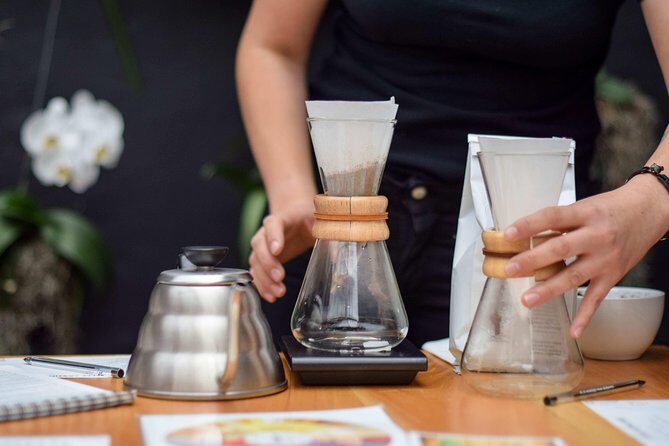
- Two focused coffee stops: Café La Manchuria, then Libertario Coffee Roasters in Getsemaní
- Tasting skills, not just tasting coffee: you’ll learn how to taste like a pro
- Colombia region flavors: coffees from different areas of the country, brewed and compared
- Small group max 6: more chat time with guides and cafe people
- English-first workshop: fluent English guide, with a written Spanish option
- Under 1 mile of walking: a short route that keeps things easy to follow
Coffee in Cartagena: Why This Walk Works
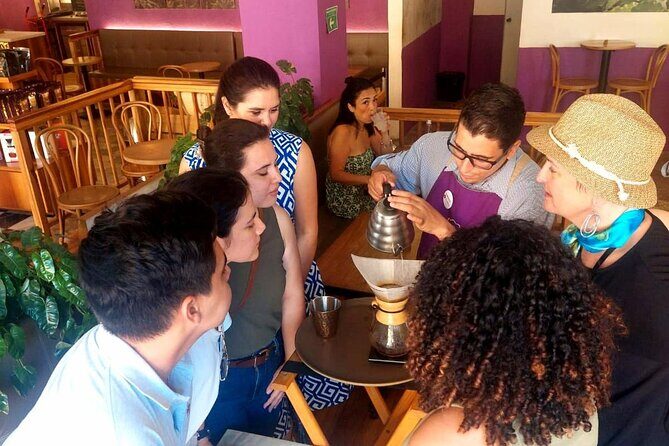
Cartagena is great for big-picture sightseeing. But after you’ve seen the walls and the plazas, you might still want something that feels hands-on and specific. This workshop gives you that. You start in the historic center, then end in Getsemaní. Along the way, you’ll focus on taste, technique, and the story of coffee in Colombia—without it turning into a lecture.
The format is smart for first-timers. You’re not asked to do much besides pay attention and try the coffees. The guide leads you through a tasting approach, then the baristas and cafe owners explain what’s happening from seed to cup. That mix matters because coffee is one of those things where small changes in processing show up fast in the glass.
You’ll also get a friendly rhythm. The two main stops are about 40 minutes each, which gives enough time to learn and taste without feeling rushed. In my book, that timing is what makes it feel like a “morning plan,” not a slog.
Other Colombian coffee tastings in Cartagena

Stop 1 at Café La Manchuria: Colombian Coffee History Plus Tasting Method
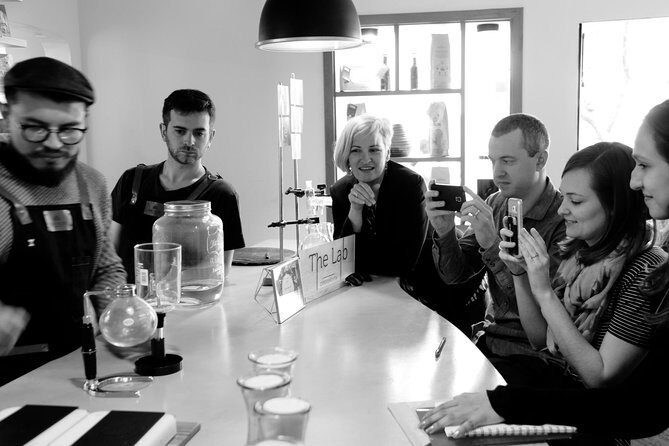
Your coffee journey starts at Café La Manchuria – Cartagena in El Centro (Cra. 5 #35 – 81). This first stop is where you set your tasting foundation.
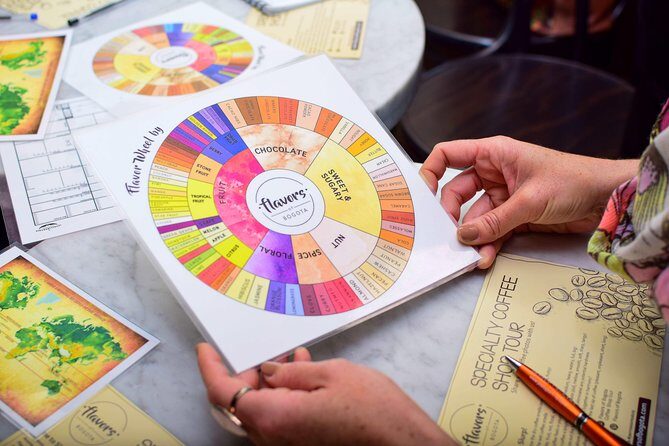
Here’s what to expect: you’ll learn about the history of coffee in Colombia, and you’ll practice a coffee tasting technique that’s presented like something a professional would use. That matters because coffee tasting is not random sipping. You’re guided toward noticing aroma, balance, and flavor changes—so you can compare coffees across stops with less guesswork.
La Manchuria is also where you’ll get oriented. You’ll be told what to look for as you taste, and you’ll likely start building the vocabulary that makes later comparisons easier. And if you’re going into this as a total coffee beginner, that coaching is the difference between enjoying a cup and actually understanding why it tastes the way it does.
Practical note: this stop is about 40 minutes, and admission ticket is listed as free for the activity. Plan to arrive ready to taste—this is not a “sit and watch” situation.
Stop 2 at Libertario Coffee Roasters in Getsemaní: How Processing Changes Flavor
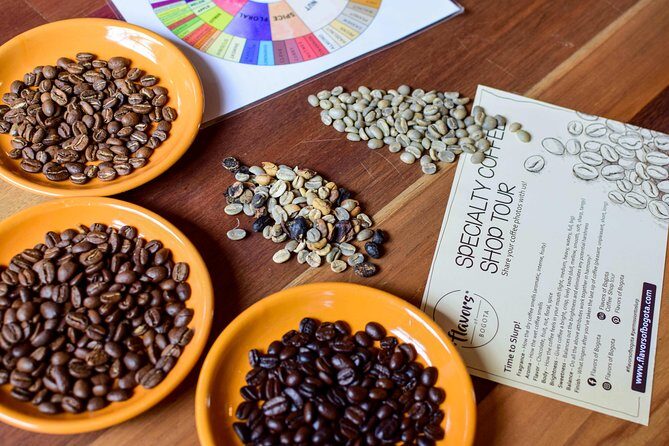
By the time you reach Libertario Coffee Roasters Cartagena (Cra. 10 #30-14, in Getsemaní), you’re already halfway through the learning curve. This second stop is built around why coffee tastes the way it does.
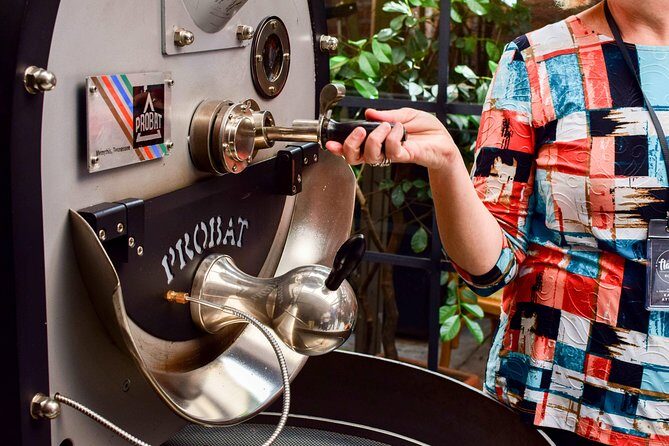
At Libertario, the focus shifts to how coffee is grown and processed, and how those steps change flavor in your cup. This is where the lesson becomes practical. If you’ve ever wondered why one coffee tastes bright while another feels heavier, this is the kind of explanation that connects the dots.
You’ll do your last coffee tasting here as well. Since you’ve already learned the tasting approach at La Manchuria, you can compare what you’re tasting now with what you tasted earlier. That’s the best part of the two-stop format: each location reinforces the other.
Also, the tour ends at Libertario. That gives you a natural way to keep exploring Getsemaní right after—no awkward “finish back where you started.”
What You Learn Beyond Coffee: Taste Better, Ask Better Questions
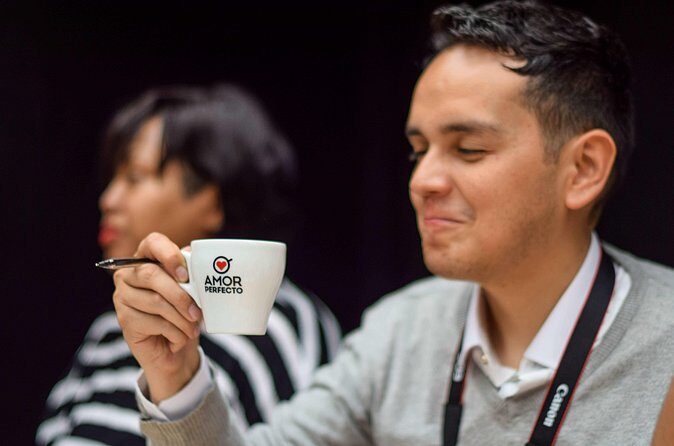
This experience is called a coffee workshop, and the word workshop is important. It’s not only about seeing coffee places. It’s about learning the way baristas think about flavor.
From the way the guide instruction is described, you’re learning a tasting process like a professional—with guidance you can use again later at other cafes. One review also mentioned this is a specialty approach where you start without milk or sugar. That’s a big deal. When you taste without additives, it’s easier to detect the coffee’s natural balance and the effects of growing and processing.
You’ll likely hear the story of coffee as a Colombian product in a way that fits real life: what it takes to grow it, what processing does to it, and how roasting and brewing decisions shape the final cup. Guides and instructors—like Sofia/Sophia and Daniel—are praised for being clear and friendly, so the learning doesn’t feel like homework.
One more plus: the tour is designed for conversation. With a group of up to 6, you can ask “coffee-curious” questions without feeling like you’re interrupting a large class. That’s also where you get personal value. If one coffee doesn’t click for your palate, you can ask why—then test the explanation right away with the next pour.
The Coffee Menu Logic: Comparing Different Colombian Regions

The tastings are built around comparison. You’re tasting coffees from different areas of Colombia, which is exactly how you start to understand why regional differences matter.
Even if you don’t remember every term, you’ll notice patterns if you pay attention. Different growing and processing methods create differences in acidity, sweetness, body, and aftertaste. The guide ties those effects back to what’s happening earlier in the chain, so the tasting feels connected instead of random.
This also helps if you’re planning future coffee stops. After this, you’ll have a better sense of what you like and what you should seek out next. And if you’re the type who orders by mood—bright, smooth, bold—this makes those decisions feel less like guesswork.
A few more Cartagena tours and experiences worth a look



Walking, Timing, and Getting Your Bearings in Cartagena
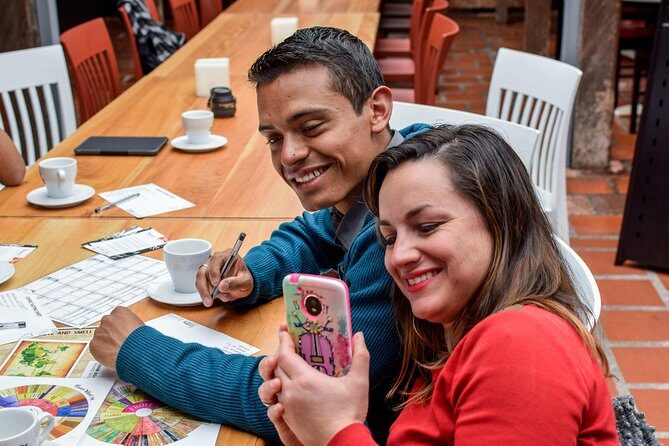
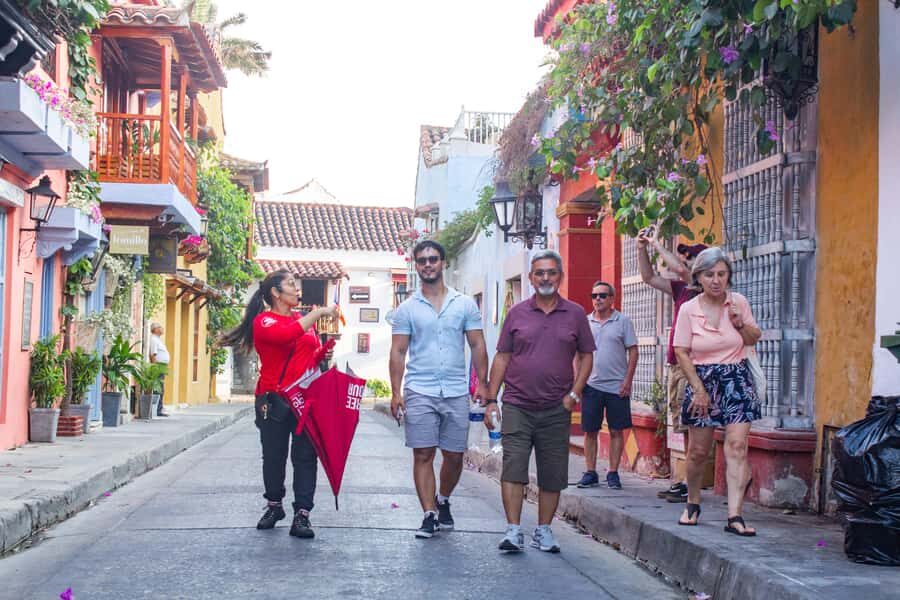
This is a walking tour, but it’s not a marathon. The walking route is listed as under 1 mile, and the tour takes about 2 hours total.
The time matters: it starts at 10:00 AM and stays within the Historic Center of Cartagena for the first part. Starting mid-morning is a smart move here. You get good daylight for photos and you’re not stuck in the hottest part of the day while doing what is essentially a tasting workout.
Meeting point is Café La Manchuria – Cartagena. The finish is Libertario Coffee Roasters Cartagena in Getsemaní (same general area, different neighborhood vibe). No hotel pickup is included, but the meeting location is described as easy to find and in a safe neighborhood.
If you’re bringing mobility concerns, this is worth flagging. The tour is short, but it’s still walking outdoors in all weather conditions. If your group includes someone with mobility issues, the guidance is to get in touch first so the team can advise.
Price and Value: What $45.95 Buys You (and What It Doesn’t)
At $45.95 per person for about 2 hours, this sits in the category of experiences that are more than “just a tasting,” but still not a full-day investment. Here’s why it can feel like good value:
You get multiple tastings across two specialty cafes, a local guide fluent in English, and time with people who work in coffee day to day. The tour also builds in the learning component—tasting like a professional, plus explanations of growing and processing—so you aren’t paying only for drinks. You’re paying for understanding plus access.
What’s not included is also clear:
- No food beyond what you might find on your own
- No bottled water
- No hotel pickup/drop-off
- Decaf is not available, and the workshop focuses on caffeinated coffee (with coffee and/or tea listed for tastings)
My practical take: if you’re a coffee lover, this price makes sense because it saves you time. Instead of bouncing between cafes trying to compare offerings, you get a structured tasting route where the comparisons are the point.
Who This Workshop Is Best For (And Who Should Rethink It)
This is a strong fit if you’re:
- A coffee lover who wants more than taste
- A beginner who wants a simple method to improve what you notice
- Someone who likes small-group tours and real conversation
- Visiting Cartagena for the first time and wants a morning activity that also helps you get oriented
It’s also a good match for people who care about language quality. The guides are described as fluent in English, and there’s a written Spanish option.
A couple of “watch-outs”:
- No decaf. If you’re caffeine-sensitive, you may want to ask about options in advance or consider a different activity.
- It runs in all weather, so you’ll want a hat or umbrella and sunscreen, plus drinking water.
- The walking route is short, but it’s still outdoors. If mobility is a concern, plan on checking first.
Service animals are allowed, and the tour is near public transportation, so it’s generally easy to reach without complicated logistics.
Should You Book This Specialty Coffee Workshop in Cartagena?
If you like coffee and you want your morning in Cartagena to feel purposeful, I’d book it. The biggest reason is the structure: two reputable cafes, guided tastings, and clear explanations of why flavor changes from growing to processing. You’re not just collecting coffee labels—you’re learning how to taste and compare.
I’d skip or rethink it only if decaf is a must for your health or if you know you can’t handle outdoor walking in changing weather. If neither of those applies, this is an efficient way to combine Cartagena’s neighborhoods with a hands-on skill you can use at home.
FAQ
What is the duration of the coffee workshop?
The experience runs about 2 hours.
Where does the tour start and end?
It starts at Café La Manchuria – Cartagena in El Centro and ends at Libertario Coffee Roasters Cartagena in Getsemaní.
How much walking is involved?
The walking route is listed as less than 1 mile.
What is the price per person?
The price is $45.95 per person.
Does the tour include coffee tastings?
Yes. You’ll have coffee tastings (and the tastings may include coffee and/or tea) as part of the included experience.
Is decaf available?
No. The tour states it offers caffeinated coffee only, and decaf is not available.
What language is the workshop taught in?
The workshop is in English, and there is a written Spanish option.
Are food or drinks included?
Food and drinks are not included, except for what’s provided for the coffee/tea tastings. Bottled water is also not included.
What should I bring for the tour?
Bring what you need for outdoor weather in Cartagena: a hat or umbrella, sunscreen, and drinking water. The workshop runs in all weather conditions.