REVIEW · CARTAGENA
Colombian Coffee Sensory Immersion: From the Seed to the Cup.
Book on Viator →Operated by InCartagena · Bookable on Viator
Coffee smells can change your day. This Cartagena stop turns specialty Colombian coffee into a hands-on cupping lesson and a tour of the seed-to-cup coffee lab process. One thing to consider: the experience needs good weather and, while it looks well-run, there has been at least one report of it being closed when people arrived.
What I like most is that you are not just handed samples. You practice basic sensory skills so you can spot differences in body, aromas, and flavor profiles. And since the group is capped at 20, it tends to feel more like a guided workshop than a conveyor-belt tasting.
In This Review
- Quick Highlights You’ll Feel Immediately
- Getting Oriented in Manga and Finding the Coffee Lab
- What “Seed to Cup” Means Here (And Why You’ll Care)
- Coffee History Lessons That Connect to Your Senses
- The Coffee Lab Experience: Seeing the Process Up Close
- Cupping With Texture: How They Train Your Palate
- Brewing Methods: Taste Changes You Can Actually Notice
- Finding Your Coffee Profile (Body, Structure, Preference)
- Small Group Comfort in a Purpose-Built Setting
- Price and Value in a City Full of Coffee Options
- A Fair Warning: Weather and the Risk of a Closed Day
- Who This Tour Is Best For
- Should You Book This Colombian Coffee Sensory Immersion?
- FAQ
- Where does the Colombian coffee sensory immersion start?
- How long is the experience?
- Is there a group size limit?
- What activities are included?
- Is it good for coffee beginners?
- What if the weather is bad?
- Is the tour near public transportation?
- Are service animals allowed?
- What is the price?
- What is the cancellation approach?
Quick Highlights You’ll Feel Immediately
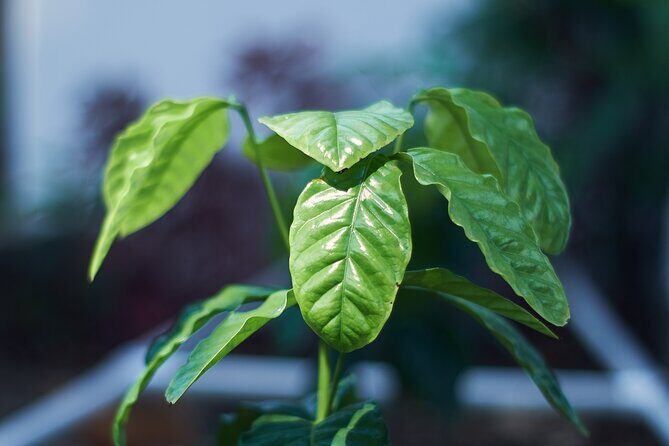
- Seed-to-cup coffee lab walkthrough that explains how parchment-covered beans become coffee you drink
- Cupping-style tastings using different elements and textures to sharpen your palate
- Brewing methods side-by-side so you can connect taste changes to technique
- Body training to help you recognize weight and feel in each coffee
- Small group format (up to 20) for better questions and slower pacing
Getting Oriented in Manga and Finding the Coffee Lab
The experience starts in Manga, Cartagena at Cl. 25 #17 65. That neighborhood matters. It’s close enough to the action that you can fit this into a day of exploring, but it also feels like you’re stepping into a local pocket of the city.
The tour ends right back at the meeting point, which is a small detail but a useful one. You avoid the stress of figuring out transportation right after tasting, when you may be feeling a little caffeinated and a little talkative. (Coffee does that.)
This is also designed to be easy to access. It’s noted as being near public transportation, and multiple comments flag how straightforward it was to locate the place. Add the fact that the setting is described as clean and comfortable, including air-conditioned space, and you get a clear message: this is meant to be a calm, focused coffee session even when Cartagena is doing its warm-weather thing.
Other Colombian coffee tastings in Cartagena

What “Seed to Cup” Means Here (And Why You’ll Care)
This isn’t a vague coffee talk. The whole point is to connect the plant and processing steps to what ends up in your cup.
You’ll learn the history of coffee from origins to transformation, then you’ll move into the coffee lab where you can see the transformation process from parchment-covered bean to brewed coffee. That wording is important. Parchment is not just a “cool coffee word.” It’s part of the story of how coffee gets processed, dried, and prepared for roasting and brewing.
Why that matters for you: when you understand the route a bean takes before it ever hits hot water, tasting becomes less random. Instead of thinking, That one tastes different, you start thinking, That one has a different process and structure, so it will likely behave differently in the cup. It’s a simple shift, but it makes the whole experience more satisfying.
You’ll also see how the coffee’s journey shows up in the sensory experience. You’re being set up to taste like someone who can name what they’re tasting, not just someone who can say it’s good.
Coffee History Lessons That Connect to Your Senses
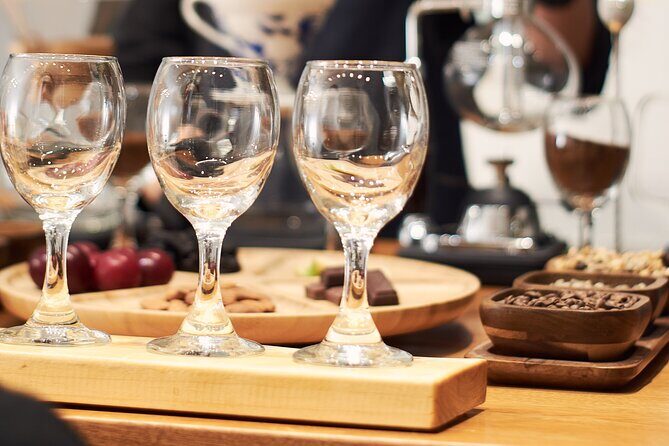
A lot of coffee history tours are just a lecture. This one is built to support tasting. The session includes coffee’s background and development, but it’s paired with practical sensory training so the information has a job to do.
As you learn how coffee became the global beverage it is, the workshop style keeps you from getting lost in trivia. The lesson structure is meant to help you form mental links like:
- where coffee started
- how it became processed for mass use
- what specialty coffee tries to improve or protect
- how different brewing methods can highlight different traits
If you love learning, you’ll likely enjoy the pace. If you just want the coffee, you’ll likely still get something valuable because the history is meant to explain why certain flavor traits exist, not just where coffee is grown.
And if you’re traveling with family or friends, this type of lesson works better than most. It gives everyone a framework for what they’re tasting, so the group conversation doesn’t stall out after the first sip.
The Coffee Lab Experience: Seeing the Process Up Close
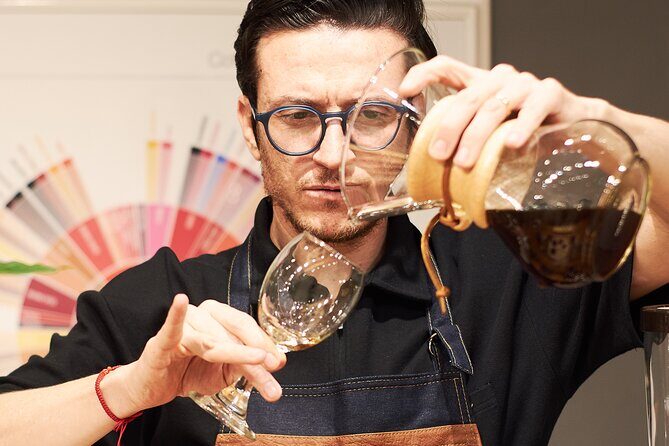
The heart of the session is the coffee lab portion. This is where you go beyond tasting and toward understanding.
You’ll experience the process that takes coffee from parchment-covered beans to your cup. That matters because it’s the clearest way to understand why two coffees that are both “Colombian” can still taste very different. Even without getting lost in technical jargon, seeing the chain of steps helps you understand what changes along the way.
What tends to stick after a good lab-style tasting is not a single fact. It’s the pattern: each step can influence aroma and flavor. Then, when you’re later cupping, brewing, and comparing, you can keep that pattern in your head.
Also, the space is described as a dedicated place for coffee instruction. One comment calls the setup a place designed exclusively for the experience, with a cozy feel. That kind of environment makes it easier to focus on small sensory differences. It also means you’re not competing with a noisy bar for attention.
Cupping With Texture: How They Train Your Palate
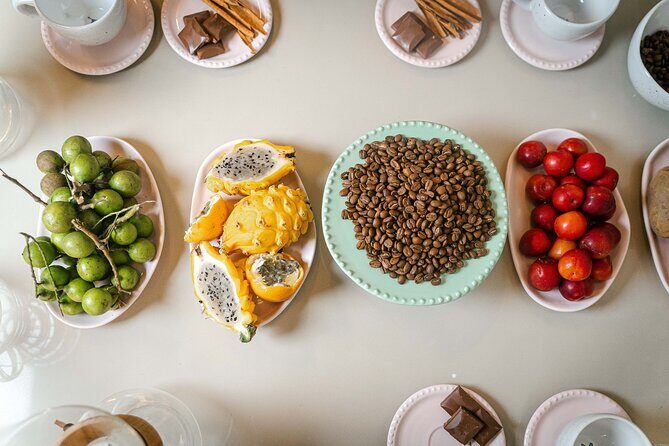
Cupping is the star method here. You’ll take part in cupping guided by the team, and you’ll do it using different elements and textures to help you notice what your senses pick up.
This is exactly the kind of training that turns tasting into a skill instead of a lucky guess. Your nose matters. Your palate matters. Even texture matters, because coffee is not just flavor. It’s also body, mouthfeel, and how the brew lingers.
The session is designed so you can distinguish characteristics among specialty coffees prepared using different brewing methods. So you’re not only learning to taste. You’re learning to compare.
One of the most praised outcomes is that people felt they left with better ability to identify coffee traits. For you, that means you won’t walk away with only taste memories. You’ll walk away with a vocabulary and a framework you can use later when ordering coffee back in Cartagena or at home.
A few more Cartagena tours and experiences worth a look

Brewing Methods: Taste Changes You Can Actually Notice
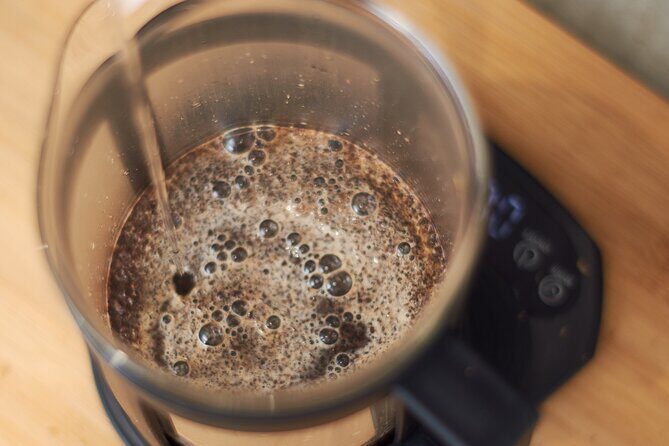
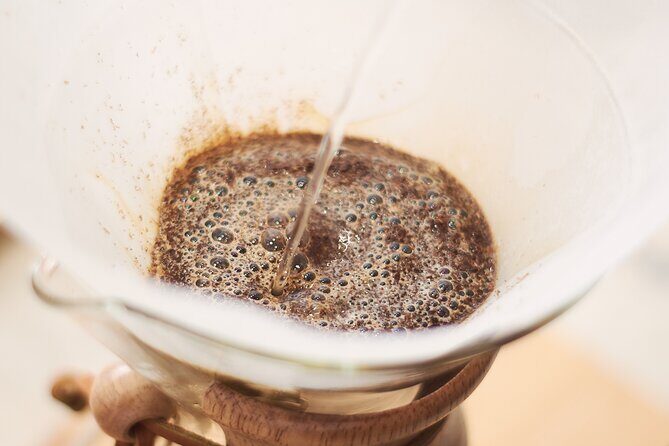
This experience includes specialty coffees prepared using different brewing methods. That’s a great educational approach because brewing doesn’t just change strength. It changes how the coffee extracts, which can shift:
- aroma intensity
- perceived acidity
- sweetness
- bitterness balance
- and the coffee’s body and texture
If you tend to think, I like dark roast or I like light roast, brewing methods can be a revelation. They can show you that you might be responding to extraction style as much as you are responding to roast level.
This is also where the experience becomes practical for your future coffee choices. Once you’ve tasted differences across brew methods, you start noticing what the barista is doing when you order:
- Is it a slower extraction style that highlights clarity?
- Is it a method that tends to feel heavier?
- Are you getting more chocolate-like notes, more caramel sweetness, or more roasted edge?
And yes, there are mentions of tasting notes like dark chocolate and hints of caramel in the experience. You should treat that as a guide to what a well-trained tasting can help you pick up, not a guarantee of one exact flavor in every cup.
Finding Your Coffee Profile (Body, Structure, Preference)
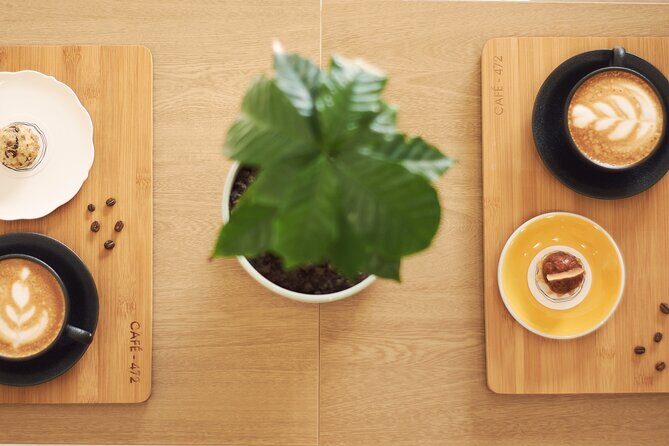
One of the strongest themes is helping you develop basic sensory skills so you can perceive and distinguish nuances in coffee body.
Body is one of those things people often ignore until they learn what it means. It’s not just whether coffee is strong. It’s the feel: light and tea-like versus syrupy, creamy, and heavier.
This tour is aiming at two outcomes:
- you can identify differences, not just like/dislike
- you can start recognizing your own coffee profile preference
That’s why people who care about coffee tend to rate this experience so highly. They leave with a sense of competence. Even if you’re a beginner, the guided structure helps you notice what to focus on next time you drink specialty coffee.
Also, the workshop format supports questions. One named staff member who stood out in comments is Jhorman Jimenez, praised for exceptional information and for helping someone feel like an expert afterward. I can’t promise you’ll meet the same person, but it signals that the team is comfortable teaching and answering questions, not just running the session on autopilot.
Small Group Comfort in a Purpose-Built Setting
You’re limited to a maximum of 20 travelers, which changes the tone. In a larger group, tasting becomes rushed and questions get swallowed. In a small group, you can slow down and ask what each step means.
There’s also comfort baked in. Multiple notes mention air conditioning, plus the place is described as clean and cozy. For Cartagena, that matters. If you’re moving through the heat outside, you need a cool space where you can focus on aroma and flavor without sweating through your concentration.
The location in Manga also helps with pacing. You’re not trudging across the city after tasting. You’re within a workable area, and you return to the start point at the end.
Price and Value in a City Full of Coffee Options
This is listed at $0.00 per person. If that price holds when you book, it’s unusual value for a structured, sensory-based experience that includes lab-style explanation plus cupping and brewing comparisons.
Even if the actual booked price changes due to dates or promos, the value logic is still clear. You’re paying for:
- guided sensory training
- process explanation from bean to cup
- multiple coffees and brew methods for comparison
- and a small-group setting where you can ask questions
You’re not paying just for coffee. You’re paying for the skill of tasting.
In other words, the best comparison is not a generic café visit. It’s more like a short workshop you can use afterward when you order coffee in Cartagena or anywhere else.
A Fair Warning: Weather and the Risk of a Closed Day
Two points to keep in mind.
First, the experience requires good weather. If conditions are poor, it can be canceled, offered a different date, or refunded. In Cartagena, weather shifts happen fast, so don’t assume any outdoor plan will stay fixed.
Second, there’s a report of the location being closed after booking. That seems like an exception, but it’s enough to justify a practical habit: confirm the day-of status or timing before you head over. Coffee is not the only thing that can be delayed in a big city. Your best bet is building a small buffer into your morning or afternoon.
Who This Tour Is Best For
You’ll probably love this if you:
- want a real sensory lesson, not just a drink-and-walk experience
- like specialty coffee and want a way to describe what you taste
- enjoy structured workshops where questions are welcome
- are traveling with friends or family who want an activity that sparks conversation
You might consider a different coffee activity if you:
- only want quick samples with no tasting practice
- hate the idea of sensory exercises (though the structure is gentle and guided)
- need a plan that never depends on weather conditions
Should You Book This Colombian Coffee Sensory Immersion?
If you want a short, focused coffee workshop in Cartagena, this is a strong bet. The standout strengths are the lab-to-tasting structure, the focus on cupping and body, and the fact that the setting sounds comfortable, clean, and purpose-built. Add in the small group size and the teaching tone, and you have a format that tends to leave people feeling more confident ordering and tasting specialty coffee.
My call: book it if you can be flexible with weather and you’re comfortable doing a guided sensory session. If you love coffee enough to want to understand it better, this is exactly that kind of experience.
FAQ
Where does the Colombian coffee sensory immersion start?
It starts at Cl. 25 #17 65, Manga, Cartagena de Indias, Bolívar, Colombia, and it ends back at the same meeting point.
How long is the experience?
The duration is about 2 hours.
Is there a group size limit?
Yes. The experience has a maximum of 20 participants.
What activities are included?
You can expect a coffee history overview, a visit to a coffee lab for the seed-to-cup process, and cupping with different elements and textures, plus tasting coffees prepared with different brewing methods.
Is it good for coffee beginners?
It’s designed to teach basic sensory skills, including how to perceive differences in body and how to identify your preferred coffee profile.
What if the weather is bad?
The experience requires good weather. If it’s canceled due to poor weather, you’ll be offered a different date or a full refund.
Is the tour near public transportation?
Yes, it’s listed as being near public transportation.
Are service animals allowed?
Yes, service animals are allowed.
What is the price?
It’s listed at $0.00 per person.
What is the cancellation approach?
It offers free cancellation with full refund up to 24 hours before the experience starts, and cancellations within 24 hours are not refunded.