REVIEW · CARTAGENA
Visit Palenque with natives : history, culture and ancestral legacy
Book on Viator →Operated by BenkosTour · Bookable on Viator
Palenque isn’t a museum stop. It’s a living community story told by locals, with a day paced around history, culture, and ancestral practices. The highlights are hands-on: you’ll meet people who keep traditions going, hear the meaning behind landmarks, and end with a communal meal.
Two things I genuinely like: first, the tour is built from multiple “everyday” themes—home life, medicine, music, art, and spirituality—so the culture doesn’t feel like a one-note performance. Second, having native guides such as Royman or Victor (often with translators like Gabriel or Liliana) makes the explanations personal, not textbook.
One drawback to think about: the day is mostly outdoors in heat, and some indoor spaces have limited comfort (so you’ll want to plan for walking and sun). Also, a traditional music-and-dance show called Batata is not included.
Key things to know before you go
- Native-led access: the route is designed around learning from community members, not just seeing sights
- Hands-on moments: music, traditional instruments, and a short boxing class at the end
- Traditional medicine stop: you’ll hear how ancestral doctors use local plants
- Murals with meaning: street art explained with identity and local symbolism
- Lunch included: fish, chicken, steak, pork, plus a vegetarian option
- Heat planning matters: wear sneakers and bring water for a full day in the sun
In This Review
- Palenque with natives: why this day feels different
- Getting there and handling the heat (you’ll feel it)
- Tourist Parador welcome: set the tone in San Basilio de Palenque
- Benkos Bioho monument: the founding hero and resistance story
- Simankongo House Museum: ancestral home life, explained through space
- Medicinal Patio: healing practices and the plants behind them
- Kombilesa Mi: music, instruments, and joining in
- Cultural route of murals: read identity in street art
- Religiousness: Catholic imposition and Palenquera religiosity
- Kid Pambele monument and the small boxing class
- Lunch included: fish in coconut sumo, stove to bijao
- What’s not included (so you don’t get surprised)
- Who should book this Palenque day trip
- Should you book BenkosTour Palenque with natives?
- FAQ
- How long is the Palenque with natives experience?
- Is this tour private?
- What’s included in the $102 price?
- Is the Batata traditional music and dance presentation included?
- Do I need good weather?
- Is the tour suitable for most people?
Palenque with natives: why this day feels different
San Basilio de Palenque is where history shows up as daily life. This experience is run by BenkosTour, and the big difference is simple: you’re not touring from a distance. You’re walking through parts of the community while native guides connect the dots—how the community formed, what they preserved, and what they still practice.
I like that the focus isn’t only on the dramatic parts of the past. Yes, you’ll hear the legacy behind names like Benkos Bioho, but you’ll also learn how Palenqueros organized resistance, negotiated with colonial authorities, and kept culture alive through language, music, healing traditions, and everyday spaces.
You should go into the day expecting respect. This isn’t a checklist photo sprint. The tour works best when you listen, ask questions, and stay curious about how people describe their own identity.
Getting there and handling the heat (you’ll feel it)
From Cartagena, you’ll ride in an air-conditioned vehicle, and that helps with the long day factor. The walking and the timing depend on the day’s schedule, but you should assume you’ll be moving in warm weather for several hours.
Here’s the practical part: Palenque can be hot, and some buildings aren’t cooled. People recommend packing like you’re going to be outside most of the day—sneakers for uneven ground, water (you’ll have bottled water included, but bring a bit extra if you run hot), and something for sun like an umbrella or hat. If you want to be comfortable, a small fan or water spritzer can help too.
One more good tip: bring small bills for tipping, especially for the community members who teach and host you. In the reviews, people specifically mention having 10,000 COP bills ready. Even if you tip modestly, it’s a good way to show appreciation in a local economy that depends on respectful visitors.
Other San Basilio de Palenque tours from Cartagena



Tourist Parador welcome: set the tone in San Basilio de Palenque
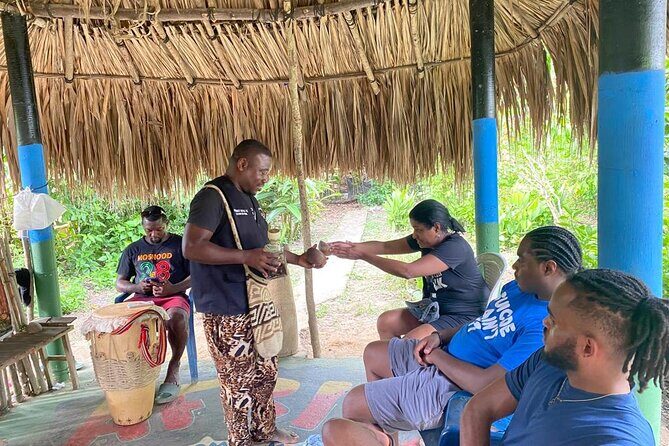
The tour opens with a welcome at the Tourist Parador. This stop matters more than it sounds. It’s where you get context for the community before you start moving through the stops tied to specific themes—resistance, homes, healing plants, music, murals, and daily food.
Think of this like a warm-up conversation. You get bearings fast. You’ll also learn what’s expected from you during the walk—where to pay attention, when to listen closely, and when you’ll get involved in activities.
If you’re the kind of traveler who likes a clear narrative arc, you’ll appreciate this start. It prevents the day from feeling like separate mini-lessons that don’t connect.
Benkos Bioho monument: the founding hero and resistance story
Next you’ll visit the Monument of Benkos Bioho. This stop focuses on the founding hero at the center of Palenque’s origin story—how Domingo Bioho (Benkos Bioho) arrived enslaved in Cartagena in the late 1500s, and how he became a symbol of resistance.
What I like about this part is that it’s not only a legend. The tour explains how Palenqueros built military resistance and also developed ways to negotiate with colonial authorities. That combination—fighting and political negotiation—helps you understand why the community could endure.
You’ll likely hear the story in a way that connects history to identity: Benkos Bioho isn’t treated like a distant monument. He’s presented as part of the community’s self-understanding.
Simankongo House Museum: ancestral home life, explained through space
Then comes the Simankongo House Museum, a traditional-house setting designed to show you how ancestral life worked. This is where the tour shifts from “big story” to “daily reality.”
What you should watch for here is how the space tells the story. You’re shown ancestral elements and the way of life of earlier generations. You’ll likely notice how traditions were built into daily routines—where people lived, what materials were used, and how the home supported community culture.
This stop is also a good pause. If your feet are already warm, the house museum gives you a break from the street heat while still staying on topic.
Medicinal Patio: healing practices and the plants behind them
At the Medicinal Patio, you meet traditional doctors and learn about ancestral medicine—including the plants used in local healing.
This isn’t just “here are some herbs.” The tour frames medicine as knowledge passed through practice, which is why the patio setting matters. You’ll hear about the importance of ancestral medicine and what plants are associated with treatment. It’s a respectful look at how healing traditions were maintained even when external systems tried to replace local culture.
Practical note: if you’re sensitive to strong smells, let your guide know. You’ll be close to living plants and herbal materials, so it can feel potent up close.
Also, keep your questions grounded in curiosity. If you ask about what’s used and why, guides tend to explain clearly—especially when they’re explaining it as people use it, not as a tourist curiosity.
Other historical tours in Cartagena
Kombilesa Mi: music, instruments, and joining in
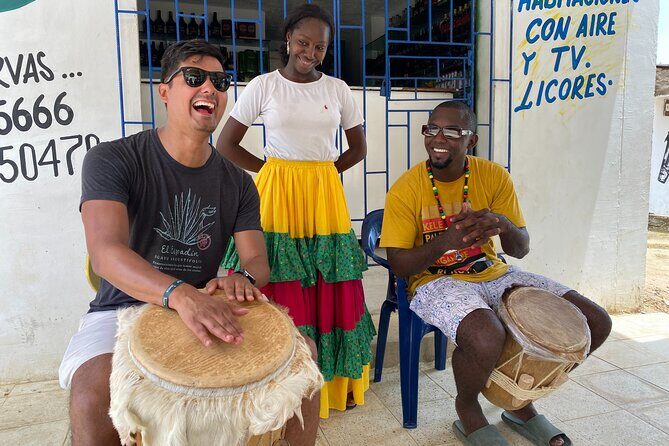
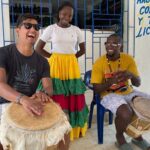
One of the most fun parts of the day is Kombilesa Mi, a cultural and musical movement where you can interpret the music and engage with traditional instruments.
This is where the tour becomes interactive in a real way—not just watching, then walking away. You’ll get time to try, listen, and connect rhythm to identity. If you like music that has a role in community life, you’ll enjoy this.
From the reviews, a theme shows up again and again: people love that they learn Palenque words and hear the emotional weight behind the storytelling. Even if you only catch a few words, it changes how you listen to everything else you see later—especially the murals and spiritual themes.
Cultural route of murals: read identity in street art
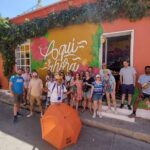
Next you move along the streets on the Cultural Route of Murals. The key here is that you aren’t just taking photos of pretty walls. The tour explains the meaning behind each identity mural.
This matters for two reasons. First, murals are a language of belonging, and in Palenque, they’re tied to how people describe themselves. Second, learning the symbolism makes your photos feel like documents, not just souvenirs.
You’ll also get a natural flow through the neighborhood—walk, listen, stop, learn, then photograph with context.
Religiousness: Catholic imposition and Palenquera religiosity
At Religiousness, the tour addresses the imposition of Catholic religion and what Palenque considers true religiosity.
I like this stop because it treats faith as lived experience and cultural survival, not just “religion as history.” You’ll hear how external forces pressured belief systems, and how Palenqueros maintained their own understanding of spirituality.
This is a good stop to slow down. You’re dealing with meaning, not only dates. If you go in open-minded and respectful, you’ll come away with a clearer sense of how communities adapt without erasing themselves.
Kid Pambele monument and the small boxing class
Then you’ll visit the Kid Pambele Monument, tied to Antonio Cervantes Reyes, a major figure in Colombian boxing. The tour connects him to the community and ends with a small boxing class.
This is more than a photo stop. You’ll get to learn some moves in a short, beginner-friendly session. If you’ve never boxed before, don’t worry—the value here is cultural. The tour shows how boxing training fits community pride and youth energy.
It’s also a memorable change of pace after the more listening-heavy stops. Your body gets involved, and the story lands in a physical way.
Lunch included: fish in coconut sumo, stove to bijao
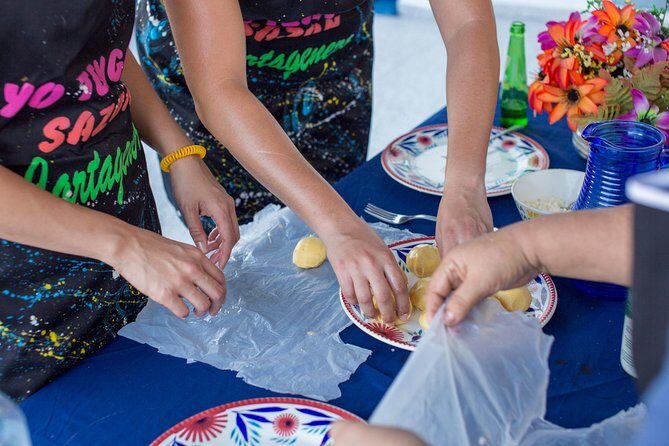
The day finishes with Gastronomy, and the lunch is included. The meal is described as fish in coconut sumo, from the stove to the bijao—plus other options like fried chicken, steak meat, and stewed pork, with a vegetarian menu available too.
This is one of those “you feel it” parts of the tour. In the reviews, people repeatedly call out the lunch as a standout—some say it was the best meal since arriving in Colombia. That doesn’t happen by accident. Community food tends to be cooked with care because it’s part of hospitality.
A practical tip: eat steadily and hydrate. With the heat factor, you’ll feel better if you don’t skip snacks earlier in the day. If you’re vegetarian, confirm your vegetarian option at the start, then relax. The tour is set up to handle different diets since a vegetarian choice is part of the included menu.
What’s not included (so you don’t get surprised)
The tour notes that a traditional music-and-dance presentation called Batata is not included. If that performance is a must for you, you can either look for another add-on or plan your expectations so you don’t expect it to happen during this schedule.
Everything else you’re expecting from a native-led cultural day—welcome, landmarks tied to Benkos Bioho, home life, medicine, music participation, murals, spirituality, boxing, and lunch—is built into the experience.
Who should book this Palenque day trip
This tour fits best if you want a serious cultural visit with real participation. If you like:
- history that connects to daily life,
- music and language learning,
- traditional medicine as a living practice,
- and a hands-on finale with boxing,
…then this is a strong match.
It’s also a good value for what’s included. For $102 per person you get an air-conditioned vehicle, bottled water, lunch, and access at multiple stops. You’re not paying extra for each thematic entry point, and the private group setup means your time isn’t swallowed by strangers.
You might skip it if you want a more modern, comfort-heavy sightseeing day with lots of downtime indoors. The heat and walking are real, even if the vehicle helps.
Should you book BenkosTour Palenque with natives?
I think you should book if you’re heading to Cartagena and you have even one open day. Palenque is one of those places where a cultural visit can actually change how you understand identity and survival. The day’s strength is balance: resistance history sits beside music, healing knowledge, murals, and community food.
If you’re short on time, this still works because the stops are connected by themes. If you’re trying to travel ethically, this is also the kind of community-led experience that keeps locals at the center of the story rather than on the margins.
Just plan like it’s a hot walking day, bring supportive footwear, and come in respectful and curious. Do that, and you’ll likely leave with more than photos—more like a sense of what Palenque is still building today.
FAQ
How long is the Palenque with natives experience?
It runs about 6 hours 30 minutes.
Is this tour private?
Yes. It’s a private tour/activity, and only your group participates.
What’s included in the $102 price?
You get an air-conditioned vehicle, bottled water, and lunch (including fish in coconut sumo and other meat options, plus a vegetarian option).
Is the Batata traditional music and dance presentation included?
No. The Batata presentation is not included.
Do I need good weather?
Yes. The experience requires good weather, and if it’s canceled for weather reasons, you’ll be offered a different date or a full refund.
Is the tour suitable for most people?
Most travelers can participate, but it includes walking and time in warm outdoor areas.
If you’d like, tell me your travel dates in Cartagena and whether your group includes kids or anyone who prefers minimal walking, and I’ll help you judge if this 6.5-hour route fits your day.