REVIEW · CARTAGENA
Cartagena: History, Culture & Coffee Experience
Book on GetYourGuide →Operated by Impulse Travel · Bookable on GetYourGuide
Cartagena can feel like a movie set—if you know where to look. This tour strings together the biggest sights with the stories that explain how the city got its shape, from Spanish fortifications to street-level local life. You’ll start at San Felipe Castle, then finish with Getsemaní vibes and a Colombian coffee moment.
What I like most is the combo: big-history architecture plus real Cartagena street scenes, all guided in English or Spanish. I also like the pacing because you get a proper high viewpoint at La Popa Convent before you’re walking through the Historic Center on foot.
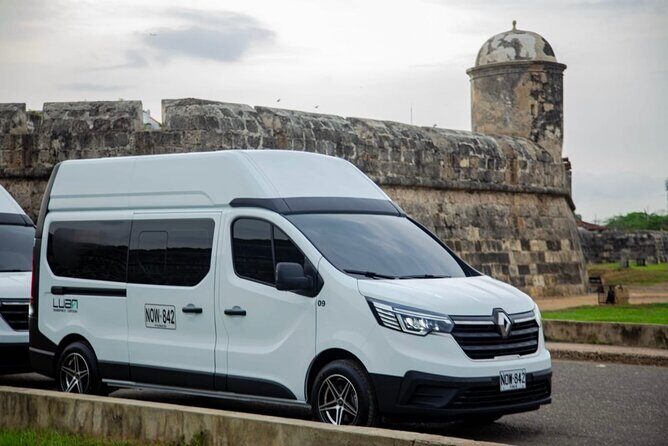
One thing to plan for: the tour ends on foot in the Historic Center, and return transport to your hotel isn’t included. Also, the vehicle is only available for 3 hours while visiting Castillo de San Felipe and La Popa Convent, so you’ll want comfy walking shoes.
In This Review
- Key highlights you’ll care about
- San Felipe Castle: where Cartagena learned to defend itself
- La Popa Convent: the highest point for the best orientation
- Walking the Historic Center: Plaza de la Aduana to the Clock Tower
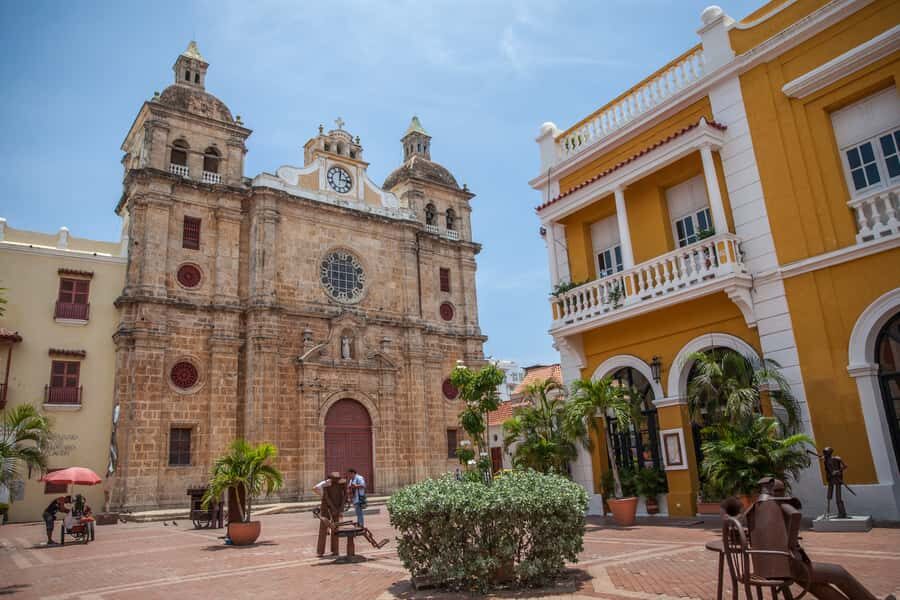
- San Pedro Claver Church and Plaza de Bolívar: meaning beyond the façade
- Centenario Park: a shaded break with sloths, monkeys, and iguanas
- Getsemaní finish: street art, murals, and real local energy
- Coffee tasting: learning why Colombian coffee has global fans
- Price and logistics: is $152 worth it for 4 hours?
- Guides who keep it human (and yes, they’ll answer your questions)
- What to wear and bring for Cartagena’s sun and walking
- Should you book this Cartagena history, culture & coffee tour?
- FAQ
- FAQ
- How long is the Cartagena History, Culture & Coffee experience?
- Where is this tour located?
- How much does the tour cost?
- Does the tour include hotel pickup?
- Will I get transportation back to my hotel at the end?
- What stops are included in the tour?
- Are entry tickets included?
- Is the coffee tasting included?
- What language will the guide speak?
- Is the tour wheelchair accessible?
- What should I bring or wear?
- What is not allowed on the tour?
Key highlights you’ll care about
- San Felipe Castle: The largest Spanish fortification in the Americas, with underground tunnels and watchpoints
- La Popa Convent views: Cartagena’s bay and Caribbean Sea from the highest point in town
- Historic Center essentials: Plaza de la Aduana, the Clock Tower entrance, and Plaza de Bolívar
- Human-rights stop: San Pedro Claver Church, tied to the patron saint of human rights
- Centenario Park break: A green pause with sloths, monkeys, and iguanas
- Getsemaní at the end: Street art, murals, music, and local energy
San Felipe Castle: where Cartagena learned to defend itself
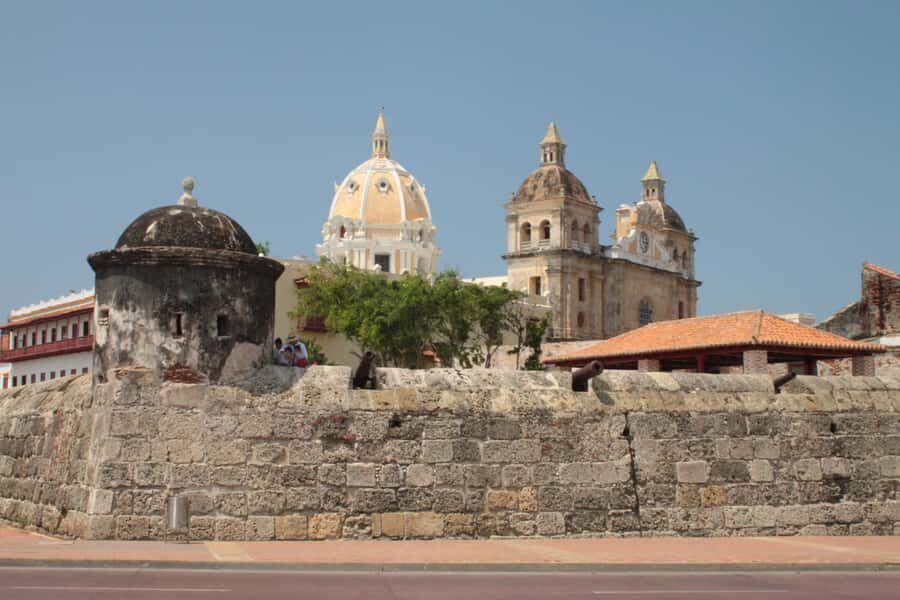
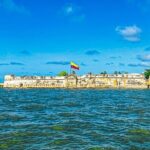
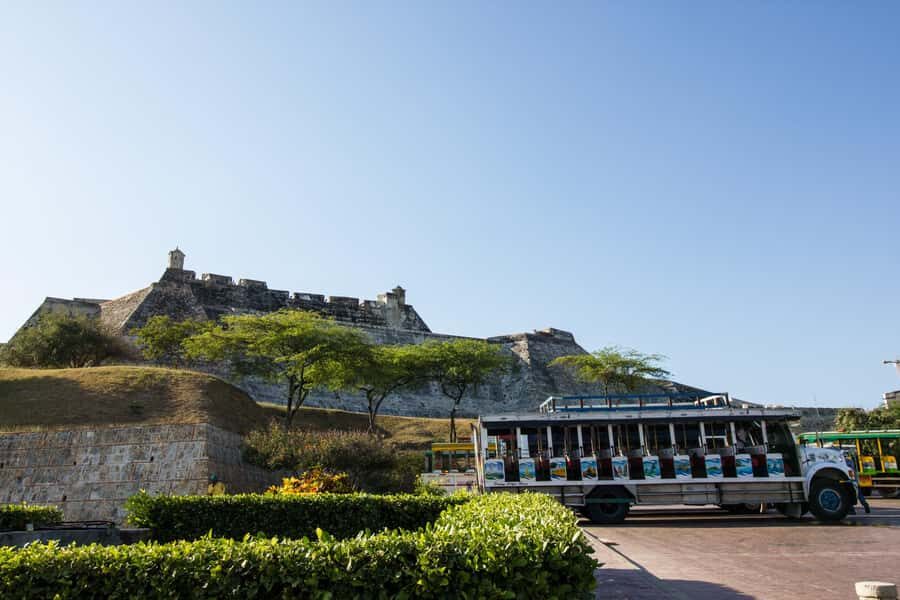
If you want a fast way to understand Cartagena, start at Castillo de San Felipe. This is the Spanish fortress built to protect the city from pirate attacks, and it’s massive enough that it doesn’t feel like a postcard stop. The guide helps you connect what you’re seeing—tunnels, walls, and strategic points—to why Cartagena mattered so much.
You’ll explore the fortress grounds with an emphasis on the defensive layout. That’s the real “why” of the place: Spanish builders weren’t just showing off power, they were engineering a city to survive. Even if forts aren’t your thing, it helps to have a bilingual guide pointing out the logic behind the design.
Practical note: fortress sites usually mean uneven surfaces and some stairs or long walking. Bring comfortable shoes and treat this part as your workout segment of the day.
Other Colombian coffee tastings in Cartagena


La Popa Convent: the highest point for the best orientation
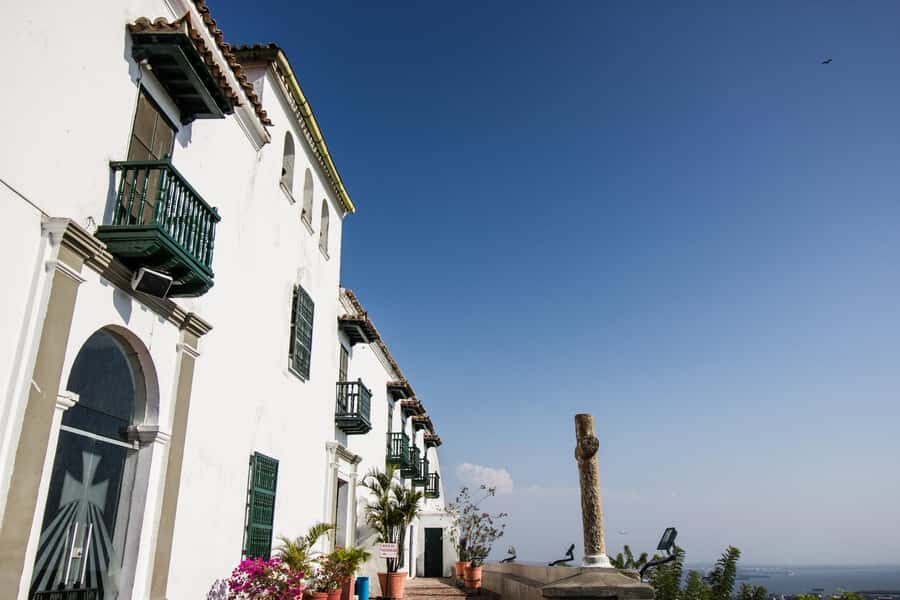
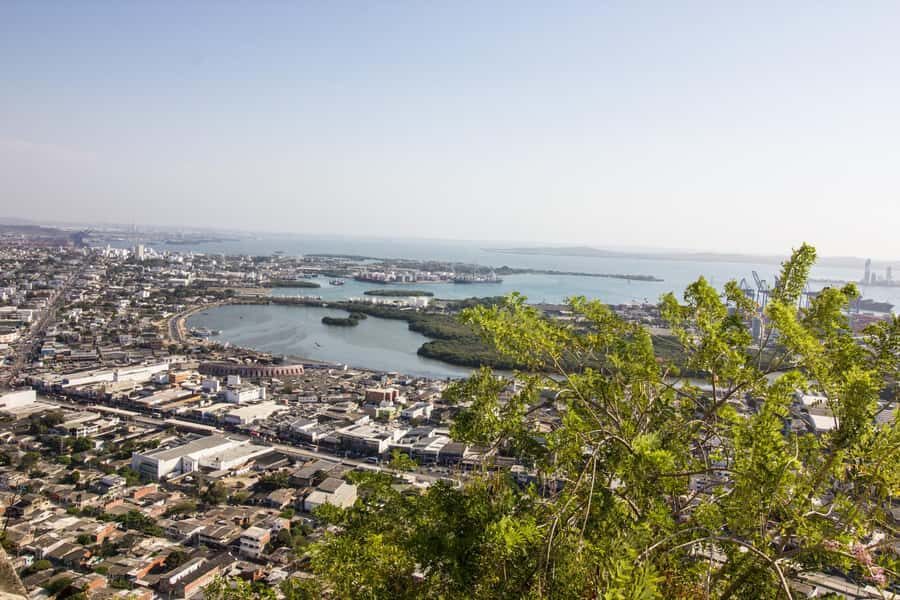
After the fortress, you’ll head to La Popa Convent, which sits on the highest point in Cartagena. This stop is pure orientation. From up there, you can visually connect the Historic Center, the bay, and the Caribbean Sea so the city suddenly makes more sense.
What I like about a viewpoint like this—especially with a guide—is that it’s not just scenery. You’re learning how Cartagena sits in its geography, which makes the earlier defensive story feel less abstract. If you’re the type who likes to understand a city’s “map logic,” this is where it clicks.
Also, it’s a strong choice for photos without turning your day into a 100-photo sprint. Plan for sun exposure: sunscreen, water, and a hat matter up on the hilltop.
Walking the Historic Center: Plaza de la Aduana to the Clock Tower
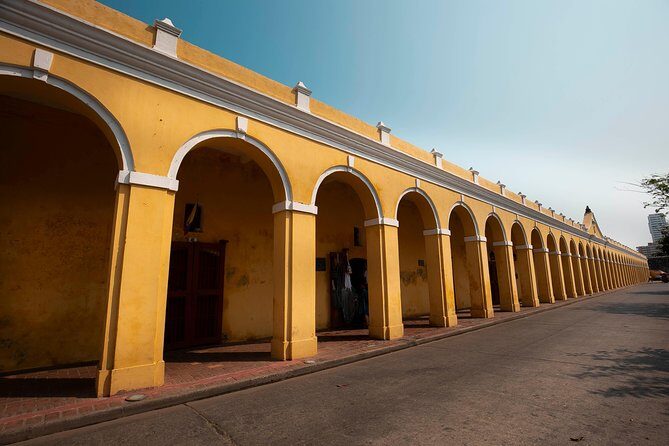
Once the higher sights are handled, you transition into walking through the Historic Center. This is where Cartagena’s colonial charm shows up in real time: plazas, churches, and street corners you can actually stroll and read with your guide’s help.
You’ll begin around Plaza de la Aduana, a trading hub during the colonial era. The important part is what the guide adds: this was tied to the trade of enslaved Africans. That context can change how you look at the architecture—suddenly it’s not only pretty buildings, it’s evidence of a brutal economic system that shaped the city.
Next, you’ll pass through the Clock Tower, an emblematic entrance. It’s one of those landmarks that helps you orient fast. Then you’ll keep moving toward the church stop next, with the guide pointing out details you might otherwise miss.
If you don’t love long walking days, you’ll still probably be okay here because the route is guided and paced. But you’ll be on foot, so keep the “water + shade + comfortable shoes” mindset going.
San Pedro Claver Church and Plaza de Bolívar: meaning beyond the façade
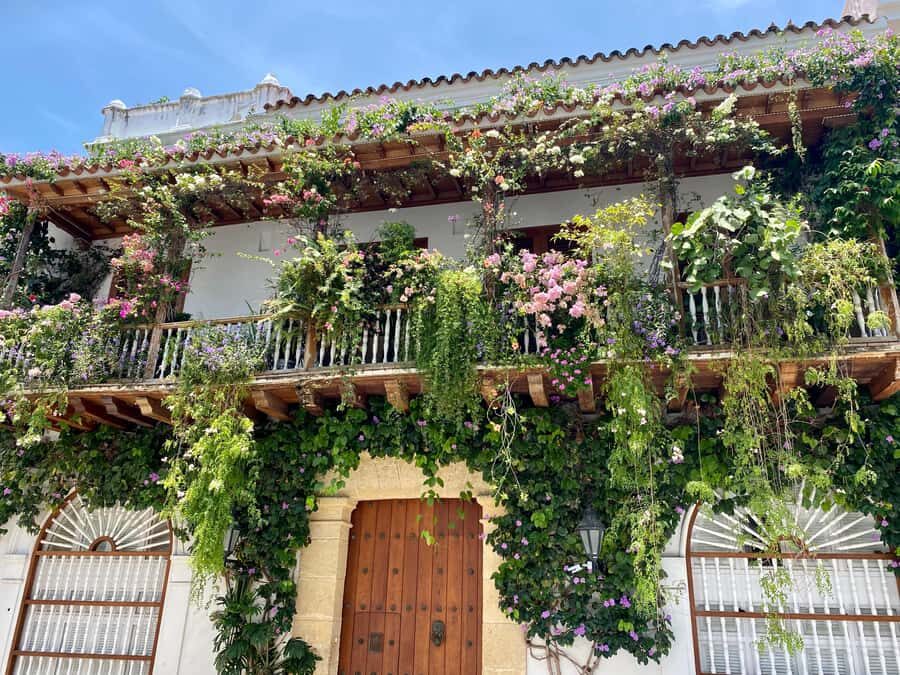
At San Pedro Claver Church, the focus turns toward human rights. The church is dedicated to the patron saint of human rights, and your guide uses that connection to frame the city’s story in a more human way than just politics and conquest.
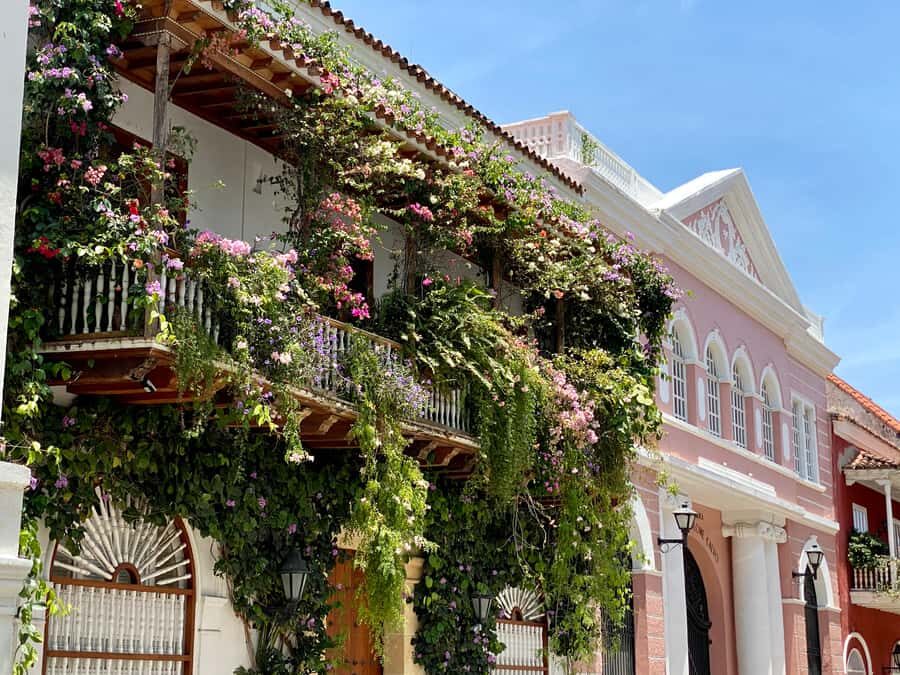
Then comes Plaza de Bolívar, surrounded by some of the city’s most beautiful colonial buildings. This is where you’ll get a breather and a “stop-and-look” moment. It’s also a good place to soak in the atmosphere without feeling like you missed the main points.
This portion is valuable because it balances the heavier history with everyday city life. Cartagena isn’t only a museum; it’s a working city. Places like this show how the past remains part of how people gather and move through public space.
Centenario Park: a shaded break with sloths, monkeys, and iguanas
After the built-up Historic Center stops, you’ll pass through Centenario Park, a lush green space inside the city. This works as a reset button. You get a change of scenery—from stone and plazas to trees and open air—plus it’s one of the only segments that feels like a mini nature interlude.
The park is known for wildlife you might spot, including sloths, monkeys, and iguanas. You don’t need to “hunt” for them to enjoy the stop. The point is that Cartagena’s greenery can be close to the center, and your guide can help you keep an eye out without turning it into a stressful chase.
Timing helps here too. If you save water and take a short pause, you’ll arrive at the final neighborhood feeling less worn down.
Other historical tours in Cartagena


Getsemaní finish: street art, murals, and real local energy
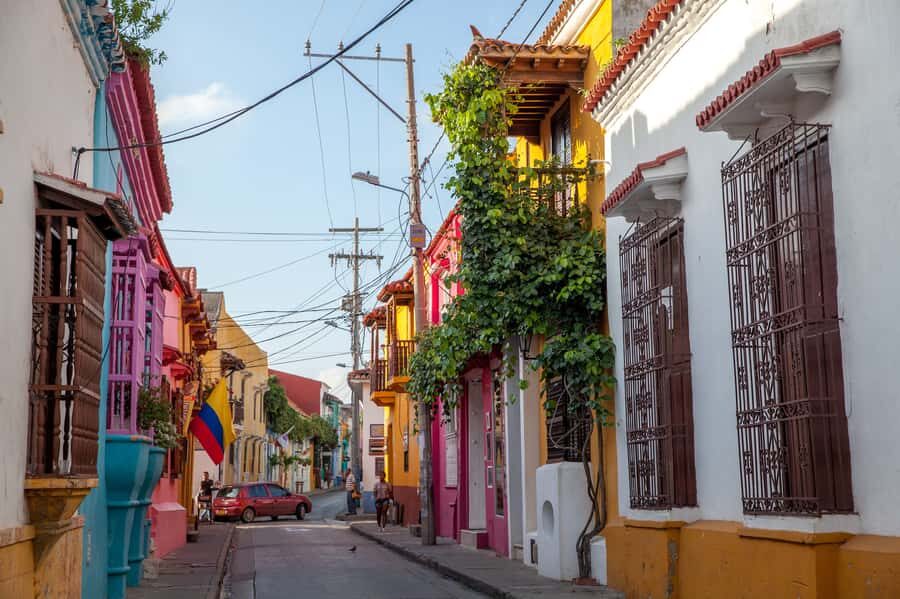
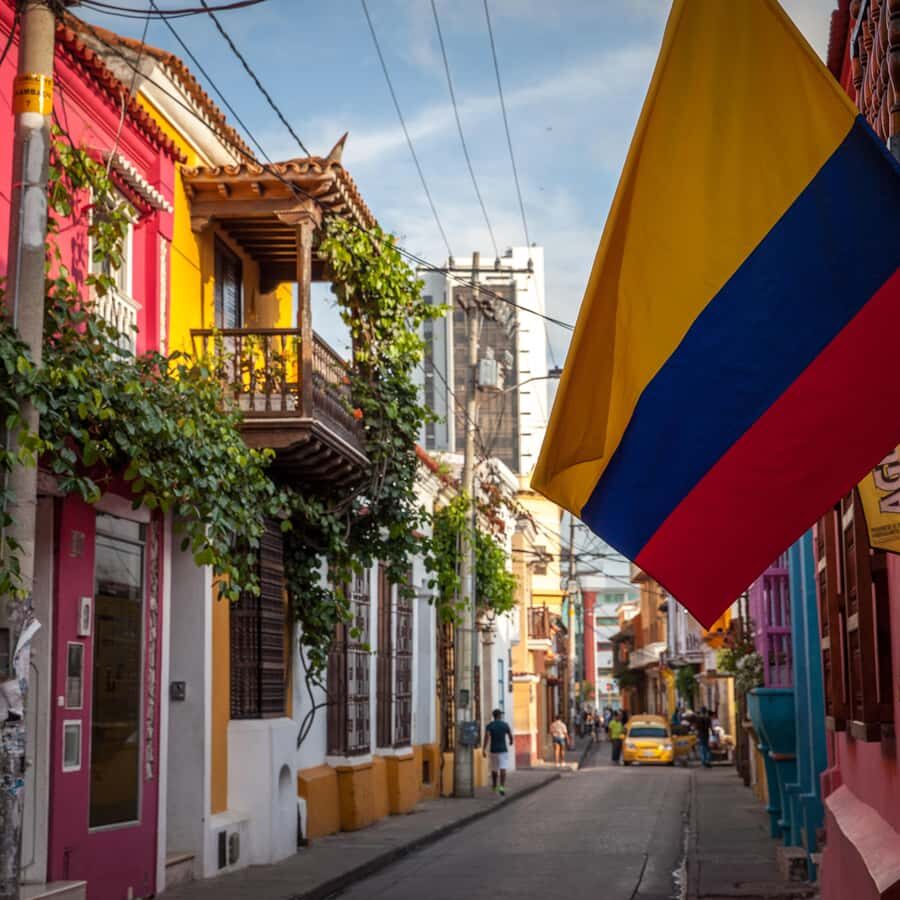
Your tour ends in Getsemaní, the heart of Cartagena’s local culture. This is a great ending because it shifts from major monuments to how people actually live with the city’s personality—street art, colorful murals, lively music, and welcoming locals.
What I like about ending here is the contrast. You’ve spent the day learning how Cartagena defended itself, traded, and organized around colonial power. Then you step into a neighborhood that feels more modern in expression, where the streets themselves seem to be telling stories.
One practical note: since you finish on foot in the Historic Center area after the route, you’ll want to be clear about where your day ends relative to your hotel. The tour doesn’t include return transport, so plan your next move accordingly.
Coffee tasting: learning why Colombian coffee has global fans
Not every history tour includes coffee, which is exactly why this works. After seeing the city’s past unfold, you get a small Colombian coffee tasting that ties the day into present-day culture.
The guide explains what makes Colombian coffee celebrated worldwide—flavors, aromas, and why it has such a strong reputation. You won’t spend the whole time behind a counter reading labels. Instead, it’s more like a short “how to taste and what to notice” experience.
If you’re coffee-curious, it’s a fun payoff. If you’re not, it still helps you remember Cartagena as more than castles and churches.
Price and logistics: is $152 worth it for 4 hours?
The price is listed at $152 per person for a 4-hour guided experience, with a professional bilingual guide and entry tickets included for San Felipe Castle and La Popa Convent. When you look at what’s folded in—guide expertise, paid entries, and the coffee tasting—it starts to feel more reasonable than a basic walking tour.
The value really depends on how you like to travel:
- If you want a structured introduction with context, a guided private group is a strong match.
- If you like flexibility to wander solo for hours, you may feel time-pressed because key stops are packed into a short window.
Logistics matter here. The vehicle is only available for 3 hours during the castle and convent visits. After that, you’re walking. Also, the tour ends on foot in the Historic Center, and transport back to your hotel isn’t included. That doesn’t make the tour worse—it just means you should plan your day like a local: know where you’ll land, and how you’ll get from there.
Hotel pickup is available from certain areas (Historic Center and Bocagrande), and pickup at Manzanillo has an additional cost. Pickup at Baru isn’t included. If you’re staying outside the pickup zones, you’ll likely need to arrange your own arrival point.
Guides who keep it human (and yes, they’ll answer your questions)
One of the biggest reasons this tour earns top marks is the way guides handle the conversation. People get praised for being friendly, fluent, and informative, with a sense of humor. Names like Oralis Barrios and Carlos show up in standout accounts, including stories about guides being responsive to questions and patient with photo stops.
That kind of guiding matters more than you’d think. On a day that includes tunnels, viewpoints, and serious historical context, you don’t just want facts—you want a guide who can pace the group and explain the meaning without sounding like a textbook.
Also, since it’s a private group, your pace is more controllable. If your group moves slower for photos or you need extra time, that flexibility can be the difference between a frustrating tour and a smooth one.
What to wear and bring for Cartagena’s sun and walking
This tour is built around movement, so don’t underestimate the “small stuff”:
- Bring passport or ID card
- Wear comfortable shoes (this is not a flip-flop day)
- Pack sunscreen and water
- Consider a hat for sun protection
The rules also note what not to do: alcohol and drugs aren’t allowed, and bare feet aren’t allowed. That’s mostly about safety and site rules, so just come prepared.
And for clothing: wear comfortable clothes you can walk in for the Historic Center portion. Cartagena sun can feel relentless, especially around midday. If you’re scheduling this on a hot day, start with water ready and use shade when you can.
Should you book this Cartagena history, culture & coffee tour?
I’d book it if you’re in Cartagena for the first time and want a high-impact day that balances big landmarks with real neighborhood energy. The pairing of San Felipe Castle (power and survival) with La Popa Convent (panoramic orientation) and then Getsemaní (local culture on foot) gives you a well-rounded feel for the city in just 4 hours.
I’d hesitate only if you dislike walking and don’t want to handle getting back to your hotel on your own, because the tour ends on foot in the Historic Center and return transport isn’t included. Also, if you’re looking for a food-focused experience, note that only a small coffee tasting is included and no specific meals are listed.
If you can handle sun, stairs, and a guided walking route, this is a strong value for the mix of paid entries, context, and the coffee tasting payoff.
FAQ
FAQ
How long is the Cartagena History, Culture & Coffee experience?
It lasts about 4 hours.
Where is this tour located?
It’s in Cartagena, in the Bolívar area of Colombia.
How much does the tour cost?
The price is listed as $152 per person.
Does the tour include hotel pickup?
Hotel pickup is optional and only available in the Historic Center, and also in Bocagrande. Pickup at Manzanillo has an additional cost, and pickup at Manzanillo or Baru areas is not included as stated.
Will I get transportation back to my hotel at the end?
No. The tour ends on foot in the Historic Center, and return transportation to your hotel is not included.
What stops are included in the tour?
You’ll visit San Felipe Castle, La Popa Convent, key points in the Historic Center (including Plaza de la Aduana and the Clock Tower), San Pedro Claver Church, Plaza de Bolívar, Centenario Park, and Getsemaní.
Are entry tickets included?
Yes, entry tickets for San Felipe Castle and La Popa Convent are included.
Is the coffee tasting included?
Yes. You’ll have a small Colombian coffee tasting.
What language will the guide speak?
The tour is guided in English and Spanish.
Is the tour wheelchair accessible?
Yes, it is listed as wheelchair accessible.
What should I bring or wear?
Bring an ID or passport, comfortable shoes, sunscreen, and water. Wear clothes and shoes suitable for walking and use a hat for sun protection.
What is not allowed on the tour?
Alcohol and drugs are not allowed, and bare feet are not allowed.