REVIEW · CARTAGENA
Cartagena: PALENQUE Tour AFRICAN TRADITIONS with Lunch
Book on GetYourGuide →Operated by AV COL · Bookable on GetYourGuide
A day trip with real Palenque rhythm. This tour from Cartagena pairs music and history with hands-on cultural stops in San Basilio de Palenque, then adds lunch and the local Ñeque drink. It’s a compact way to understand why Palenque is often described as the first free town in America.
I especially like the native bilingual guide approach, with a focused historical and cultural overview of the corregimiento while you’re actually walking through it. I also love the food-and-drink payoff: a traditional Palenque lunch plus a Palenque-type cocktail called Ñeque.
The main drawback is that the time on site can feel tight, and the schedule may feel rushed if you want to slow down and explore every corner. With only a few hours in Palenque, you’ll want to go in with clear expectations.
In This Review
- Key points before you go
- Pickup From Cartagena and the Transfer to Palenque
- Why San Basilio de Palenque Is Worth the 7-Hour Plan
- The Town Tour: History, Music, and the Places That Teach
- House Museum and the role of cultural memory
- Traditional medicine patio: what you’re seeing and why it matters
- Kombilesa mi kid pose and murals
- Palenque Language and Rituals: Learn Without Feeling Like a Student
- Benkos Biohó Plaza and Kid Pambelé: Boxing Culture With Context
- Expect boxing energy, and maybe a chance to try
- Lunch in Palenque and the Ñeque Drink: The Part You’ll Actually Remember
- What about drinks beyond Ñeque?
- If you’re wondering what to order
- Community Interaction: How to Get the Most Without Taking Over
- Timing and Rushed Feeling: Manage the 4-Hour Palenque Window
- Price and Value: Is $49 Worth It?
- Who This Tour Fits Best (and Who Might Prefer Something Else)
- Should You Book This Palenque African Traditions Tour?
- FAQ
- What’s the duration of the Cartagena to Palenque African Traditions tour?
- Where do I get picked up in Cartagena?
- What language is the tour guide?
- What’s included in the price?
- Is the lunch included, and is there anything else included to drink?
- Is the tour wheelchair accessible?
- What should I bring for the day?
Key points before you go
- Music, language, and tradition in one stop-packed day in San Basilio de Palenque
- Traditional medicine sites like the medicinal patio and related areas
- Food that’s part of the culture, not just fuel: lunch plus Ñeque
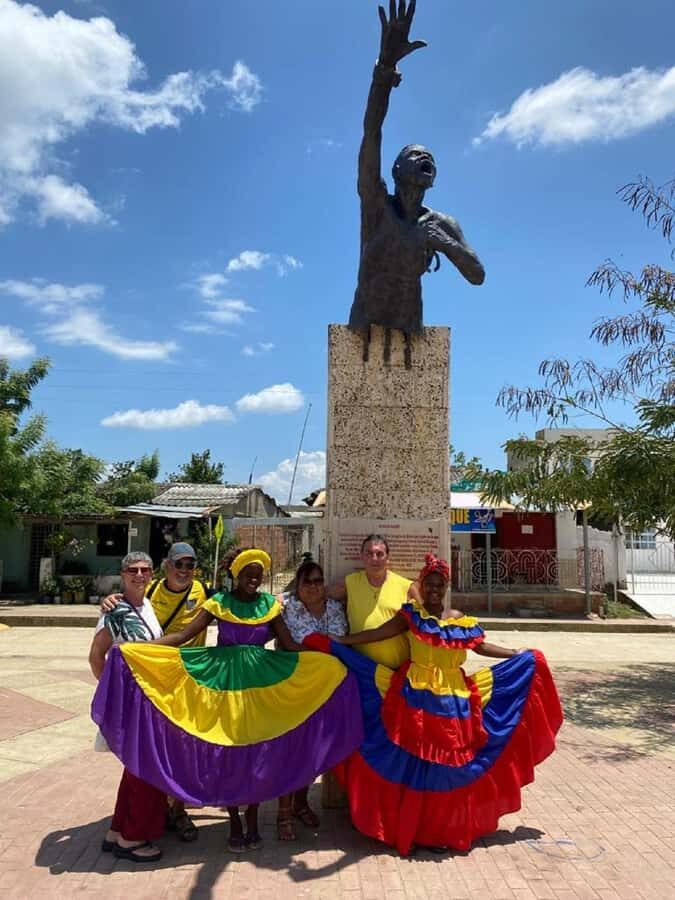
- Benkos Biohó Plaza and Kid Pambelé culture, including the boxing gym area
- A community-focused town tour, including time to meet local personalities and see murals
Pickup From Cartagena and the Transfer to Palenque
This is built as a straight-through day plan. You’ll get picked up from select areas in Cartagena, then ride about an hour to San Basilio de Palenque in an air-conditioned vehicle, with round-trip transport included in the price.
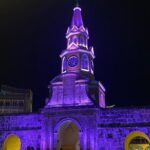
If your hotel is in Crespo, Morros, or La Boquilla, the meeting point is the clock tower. That detail matters because it saves time and helps you avoid last-minute confusion. Wear comfortable clothes and comfortable shoes; you’ll be on your feet during town stops.
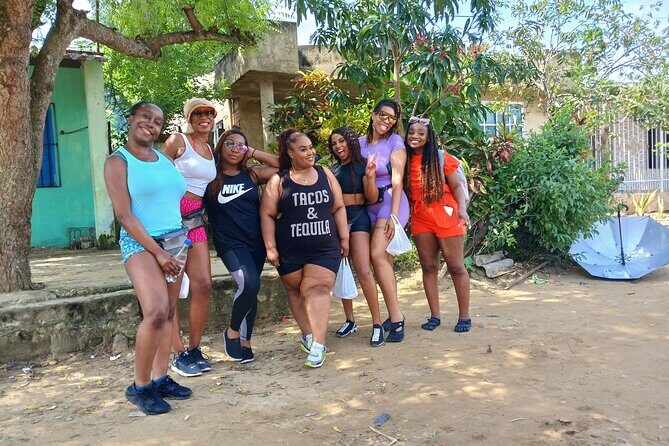
You’ll also want to think about sun and heat. One guest described feeling hot, but the group was provided umbrellas, which can be a lifesaver if the day turns bright and harsh.
Other San Basilio de Palenque tours from Cartagena


Why San Basilio de Palenque Is Worth the 7-Hour Plan
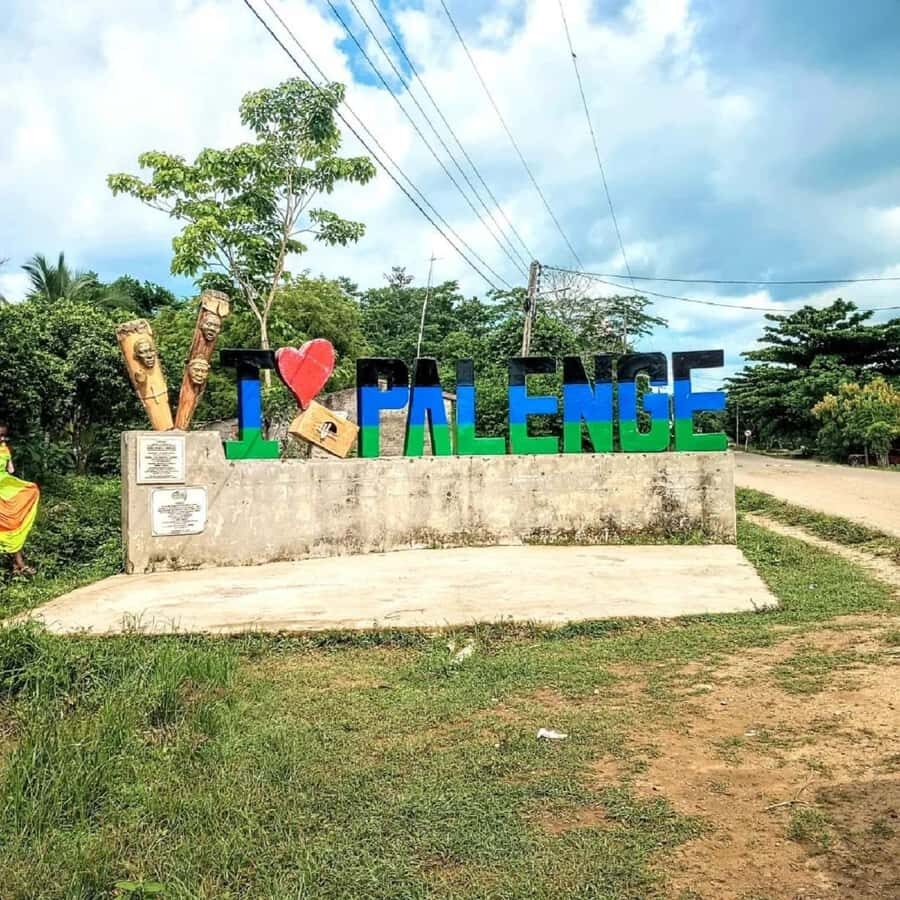
San Basilio de Palenque isn’t treated here like a quick photo stop. The core experience is a guide-led look at the community’s history, social life, and cultural practices, including music and the Palenque language.
The tour frames Palenque as a place with deep African roots and ongoing cultural expression. You’ll hear it explained as you move through the corregimiento—so the story doesn’t feel like trivia thrown at you from a bus seat.
One practical thing I like: a lot of the talking and context is designed to connect to what you’re seeing right then—places linked to traditional medicine, the museum, and cultural monuments—rather than a long lecture with no place to put it.
The Town Tour: History, Music, and the Places That Teach
Once you arrive, you get a guided tour of the corregimiento and its most important areas. Think of it as a route that tries to cover the “why” behind the town, not just the “what.” The program includes photo stops, walking/sightseeing time, and guided explanations.
House Museum and the role of cultural memory
One of the stops is a house museum. For you, that’s a good sign: a museum in a place like this often helps translate everyday life and identity into something visitors can understand respectfully. If you’re the type who likes context—how people explain their past to themselves—this part should click.
Don’t expect it to be a giant, multi-floor museum experience. This is a guided cultural circuit, so you’ll likely get the essentials and then move on.
Traditional medicine patio: what you’re seeing and why it matters
Another labeled stop is the Medicinal Patio (traditional medicine area). The tour highlights traditional medicine as part of the day’s cultural focus, along with ancestral rituals.
Here’s how I’d approach it as a visitor: watch more than you interpret. Even if you don’t know the full backstory on the spot, you’ll still come away with a sense that medicine, community knowledge, and ritual are connected—rather than separate categories.
Other African heritage tours in Cartagena

Kombilesa mi kid pose and murals
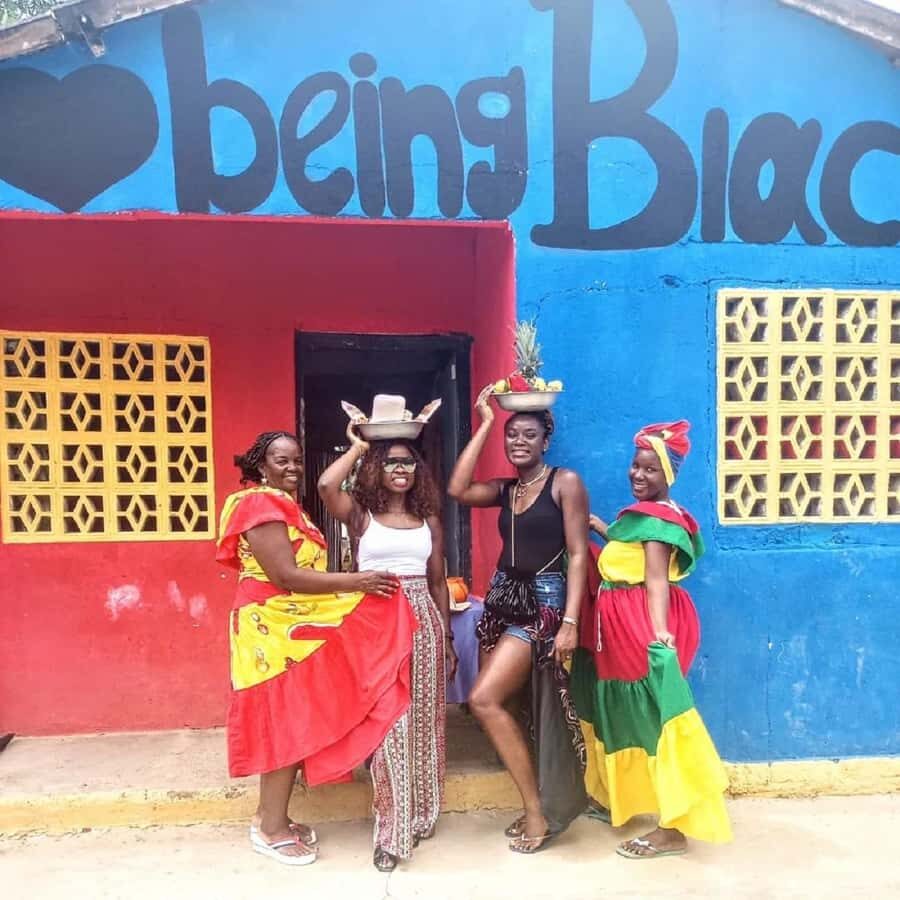
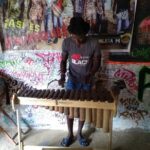
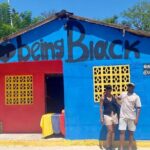
You’ll also pass by murals and an area labeled Kombilesa mi kid pose. The names are part of what you’re learning, and they help anchor the experience to the community’s own language and way of organizing space.
For many people, murals are where you’ll start noticing symbols and themes that match the history you’re hearing. If you enjoy visual storytelling, keep your camera ready—but also take a few moments just to look without rushing.
Palenque Language and Rituals: Learn Without Feeling Like a Student
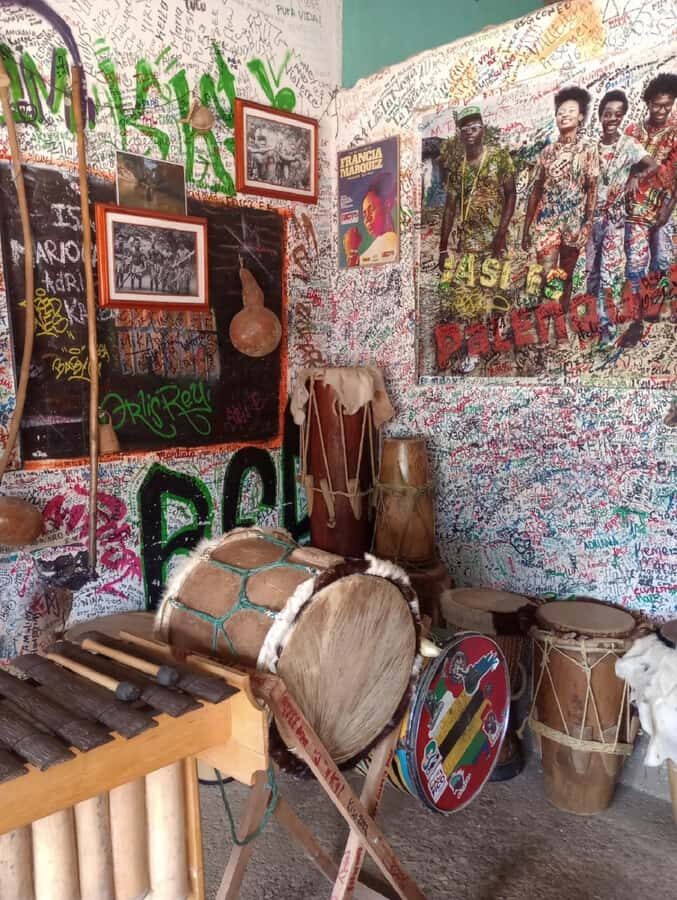
The tour specifically calls out an exploration of music, traditional medicine, ancestral rituals, and the Palenque language. That matters because language is not treated as a side note—it’s treated as part of cultural identity.
This is the part where you’ll get the most value if you go in with curiosity and low expectations for how much you can memorize. You don’t need to leave fluent. You want the feeling that the culture has its own voice, and that voice is still alive here.
If you like guided context, this tour’s format should fit. If you dislike group pacing, you might find yourself wishing for more time to sit, listen, and ask questions.
Benkos Biohó Plaza and Kid Pambelé: Boxing Culture With Context
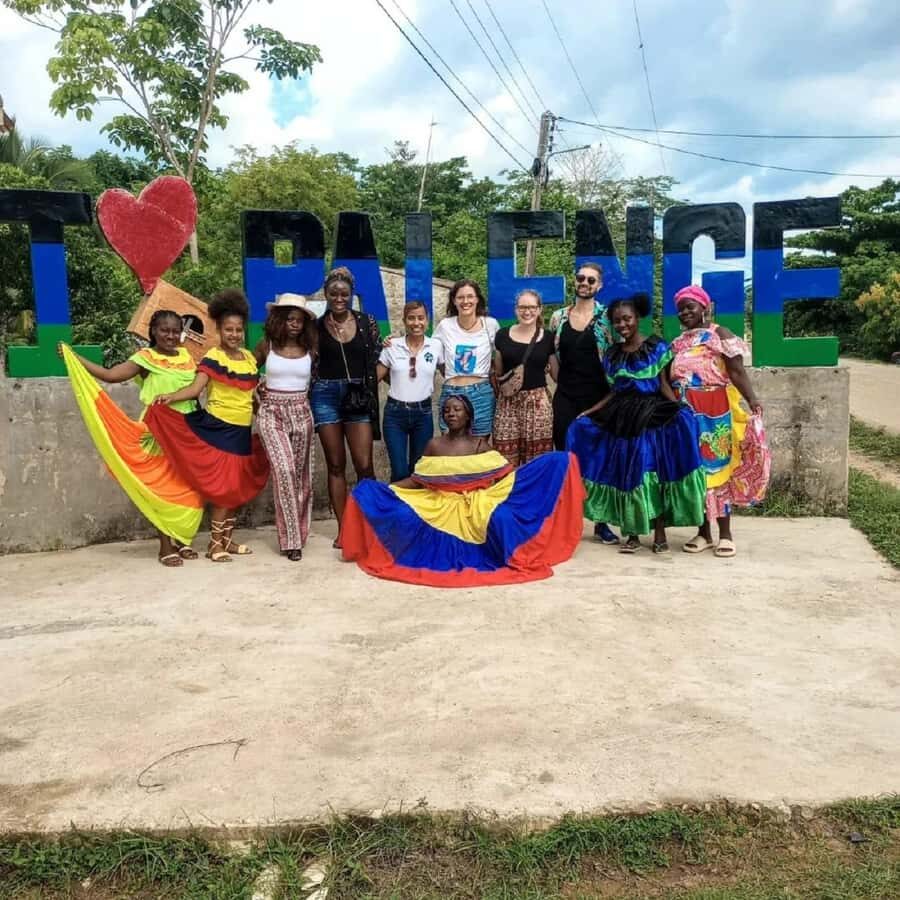
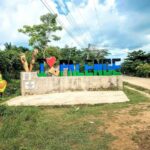
Two major stops in the tour are the Benkos Biohó Plaza and the Kid Pambele Plaza. This is where the experience shifts from medicine and language into monuments and pop-cultural hero narratives connected to the community.
At Benkos Biohó Plaza, there’s a boxing gym mentioned as well as a Benkos Biohó monument. And at the Kid Pambelé area, you’ll see the image of Antonio Cervantes, Kid Pambelé.
Expect boxing energy, and maybe a chance to try
One review you can’t ignore is the mention of doing some boxing. The data also connects the day to a boxing gym stop, so it’s reasonable to expect that the experience may include an active segment depending on timing and how the day runs.
Even if you don’t get hands-on boxing, you’ll still learn why sport is part of the cultural story here—especially when it’s linked to a local champion and a community place, not just a generic gym.
Lunch in Palenque and the Ñeque Drink: The Part You’ll Actually Remember
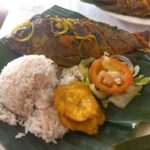
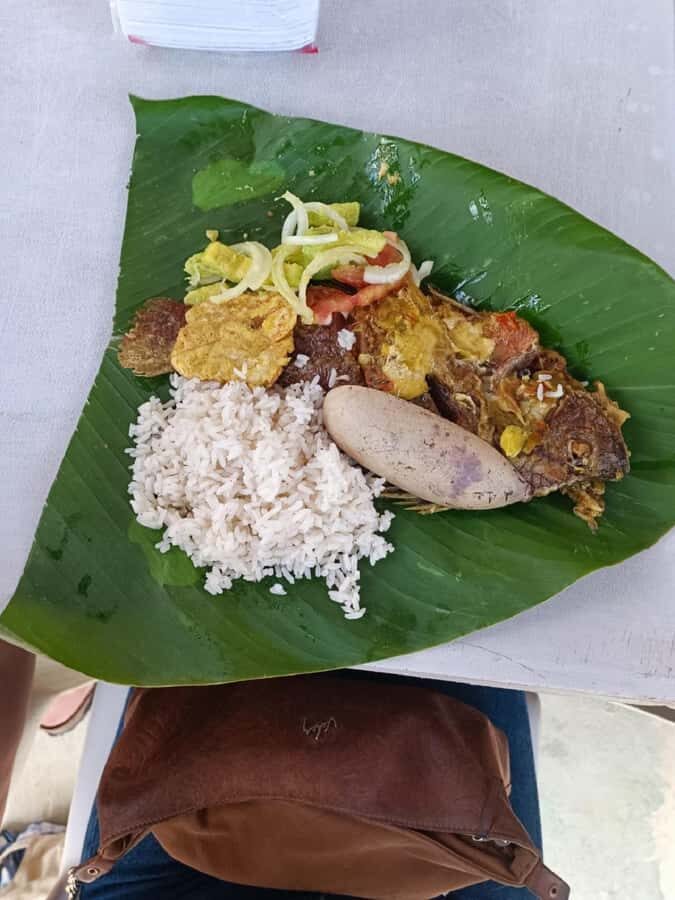
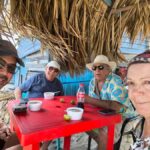
This is one of the strongest value points of the tour: lunch is included, described as a typical Palenque lunch, and there’s also a Palenque-type cocktail called Ñeque.
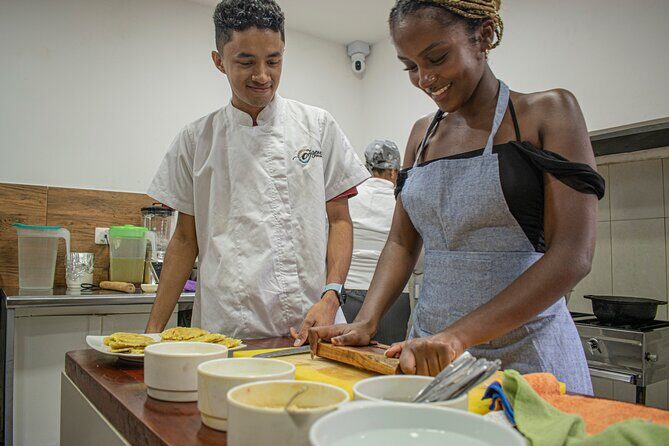
I like tours that don’t treat food like an afterthought. Here, lunch is positioned as part of the cultural rhythm of the day, so you’re not just eating to get through transportation. You’ll also have a bottle of water included.
What about drinks beyond Ñeque?
Additional drinks aren’t included. So if you want more than the provided Ñeque cocktail, plan to pay extra.
If you’re wondering what to order
The tour description doesn’t list menu items. But at least one person highlighted the fish as a must-try during lunch. If fish is available that day, it’s worth leaning toward it.
Community Interaction: How to Get the Most Without Taking Over
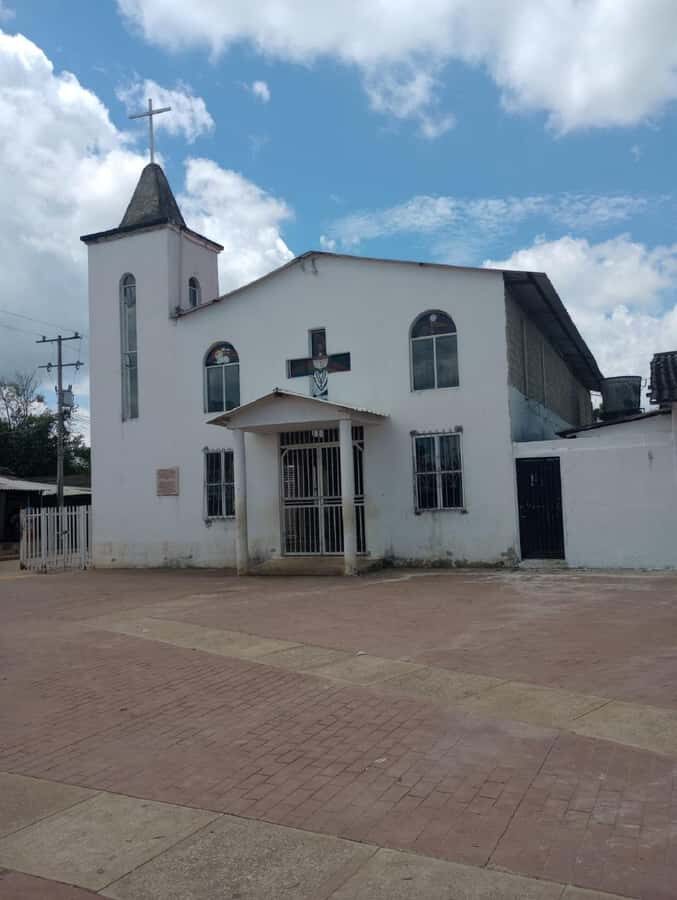
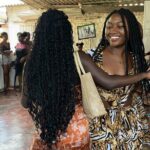
The experience includes interaction with the community and time to meet emblematic personalities of the population. That’s a big deal, because it changes the tone from sightseeing to relationship-building.
I’d treat this part like you’re visiting someone’s home community. Ask questions, be polite, and don’t try to turn everything into content. When you see murals and monuments, those aren’t props; they’re part of lived identity.
Also, since traditional medicine is part of the theme, keep an open mind and avoid pushing for details that feel too personal for a short tour context. A good guide will know where the line is.
Timing and Rushed Feeling: Manage the 4-Hour Palenque Window
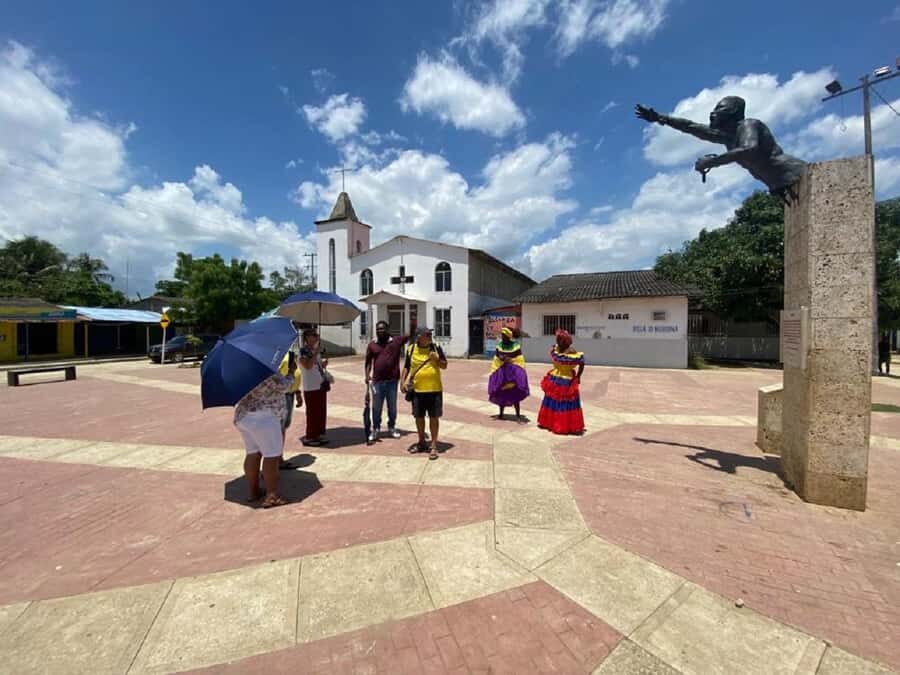
The on-the-ground time in Palenque is about 4 hours, wrapped by roughly 1 hour each way in the vehicle for a total 7-hour day. That schedule can work beautifully if you’re okay with a “see the essentials” pace.
But there’s a real caution here: some people felt the tour ended abruptly or didn’t leave enough time to explore. You might also feel rushed if you’re hoping for longer museum time or extra wandering.
My practical advice: arrive ready to move, and pick your priorities before you go. If traditional medicine patio time is your top interest, focus there and don’t let the photo stops steal all your attention. If boxing culture is the hook, stay alert around the plaza stops so you don’t lose the timing.
Price and Value: Is $49 Worth It?
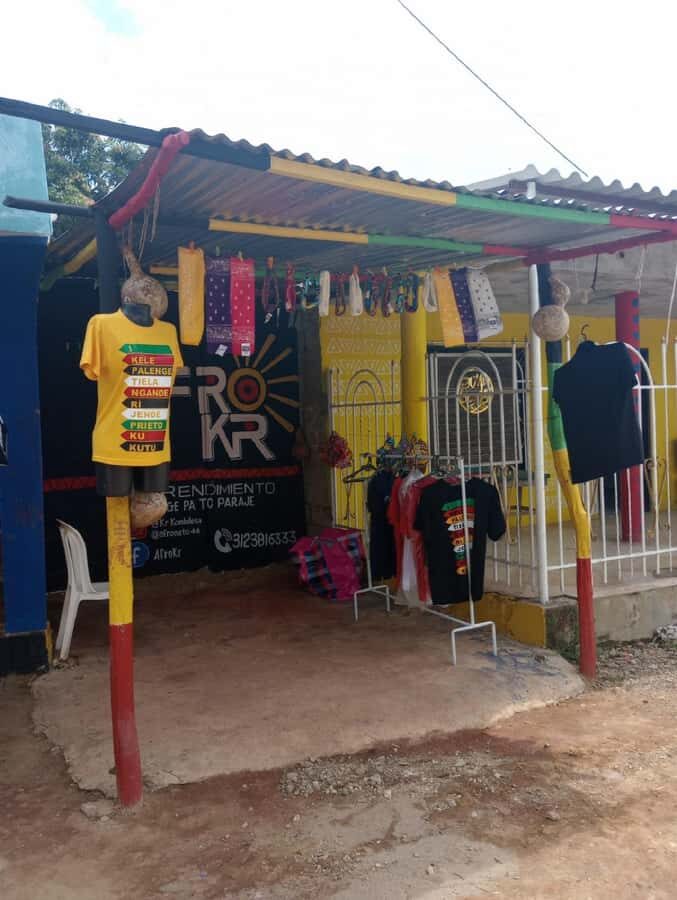
At $49 per person, you’re paying for more than transportation. You’re getting air-conditioned round-trip transfer, a native bilingual guide, a town tour with multiple cultural stops, plus traditional lunch and the Ñeque cocktail. That’s a lot bundled for a day trip out of Cartagena.
Where the value gets real for you is when you compare what’s included: you’re not hunting down tickets, you’re not arranging food separately, and you’re not left piecing together a route to match cultural sites. The guide structure matters because Palenque’s story is tied to specific places, not just general impressions.
Where you should be cautious is the time pacing. If you’re the type who needs slow, deep exploration, you may feel short-changed. If you want a clear introduction and don’t mind a brisk schedule, this is good value.
Who This Tour Fits Best (and Who Might Prefer Something Else)
This tour is a strong match if you want:
- Culture-focused history tied to real places in San Basilio de Palenque
- Traditional medicine topics explained during a guided route
- Lunch and Ñeque included, so you don’t spend your day budgeting food
- A community-interaction element, not only monuments and photos
It may be less ideal if you:
- Need lots of free time to wander independently
- Get frustrated when tours feel rushed or cut short
- Prefer very long museum-style experiences
On the plus side, it’s listed as wheelchair accessible, and there’s private group availability if you want more flexible pacing.
Should You Book This Palenque African Traditions Tour?
I’d book it if you want a structured, guided introduction to Palenque’s music, history, traditional medicine, and community identity—and you’re happy with a day-trip format that doesn’t linger too long in one place.
I’d think twice if your top priority is slow exploration or deep time in museums and courtyards. The most common downside risk here is pacing, so if you’re sensitive to feeling rushed, look for options with more hours on the ground.
If you do book, go in with a simple plan: pick two must-see areas (medicine patio and one of the plazas, for example), accept that the rest will be a highlight circuit, and leave room for a lunch that’s actually part of the culture.
FAQ
What’s the duration of the Cartagena to Palenque African Traditions tour?
The tour lasts about 7 hours, with bus travel included and time spent exploring Palenque.
Where do I get picked up in Cartagena?
Pickup is offered from select areas of Cartagena. If you’re staying in Crespo, Morros, or La Boquilla, you should go to the clock tower.
What language is the tour guide?
The live guide provides Spanish and English.
What’s included in the price?
Included are air-conditioned round-trip transportation, a bottle of water, a native bilingual guide, historical overview, town tour stops (including Benkos Biohó Plaza and Kid Pambele Plaza), traditional lunch, the Ñeque drink, murals and medicinal patio, and medical assistance.
Is the lunch included, and is there anything else included to drink?
Yes, the tour includes a typical Palenque lunch and a Palenque-type cocktail called Ñeque. Additional drinks are not included.
Is the tour wheelchair accessible?
Yes, it’s listed as wheelchair accessible.
What should I bring for the day?
Bring comfortable shoes, a hat, sunscreen, and comfortable clothes.