REVIEW · CARTAGENA
Amazing Colombian Chocolate and Cacao Workshop in Cartagena
Book on Viator →Operated by Local Colombia · Bookable on Viator
Chocolate and science meet in Cartagena. This workshop turns cacao production into a hands-on, step-by-step experience, from equipment and roasting to the final candy. You’ll learn how different cocoa types matter, then use that knowledge to shape treats you can recreate later.
What I love most is the energy of Alejandra and how clearly she explains each step, even when kids are asking a hundred questions. I also love that it is not just tasting, because you get to make chocolate like bonbons, truffles, or chocolate bars instead of watching from the sidelines.
One big consideration: it is not recommended if you have a chocolate allergy. Also expect some mess, so plan to wear clothing that can handle stains.
In This Review
- Key highlights worth your time
- In Getsemaní: where the cacao workshop begins
- Your first look at the process: machinery and staff
- Cocoa to cocoa base: roasting, separation, and why types matter
- Refining and shaping: bonbons, truffles, or a chocolate bar
- Tastings that actually teach: percentages and origins
- What it feels like in real life: guide energy and family-friendly pacing
- Price and timing: is $96 worth 1 hour 45 minutes?
- Practical tips so you enjoy it (instead of thinking about stains)
- Who should book this cacao workshop
- Should you book? My honest take
- FAQ
- How long is the chocolate and cacao workshop?
- How much does the workshop cost?
- Where do we meet for the workshop?
- Is the workshop offered in English?
- Is this a private experience?
- What will we do during the workshop?
- What kinds of chocolate are included?
- Can I cancel for a full refund?
Key highlights worth your time
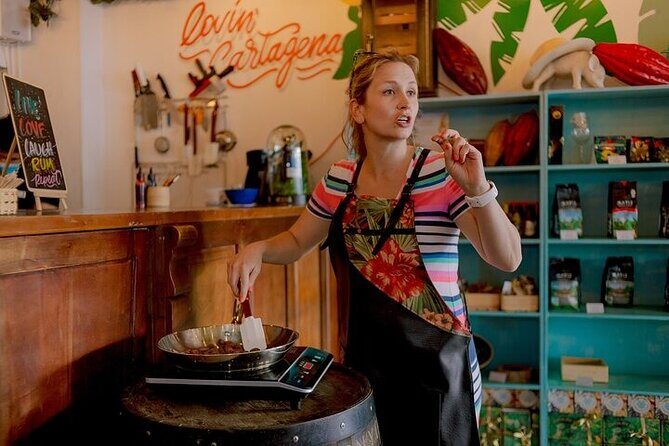
- Hands-on chocolate making: you create bonbons, truffles, or chocolate bars as part of the session
- Equipment and process walkthrough: you see how cocoa moves from bean to base ingredient
- Percentage-based tastings: white at 40%, milk at 46%, dark at 80%, and pure cocoa at 100%
- Alejandra’s guiding style: passion and upbeat pacing keep both adults and kids engaged
- Private experience: your group participates only with your own people
- Creative flexibility: the experience adapts to what you want to learn and try
In Getsemaní: where the cacao workshop begins

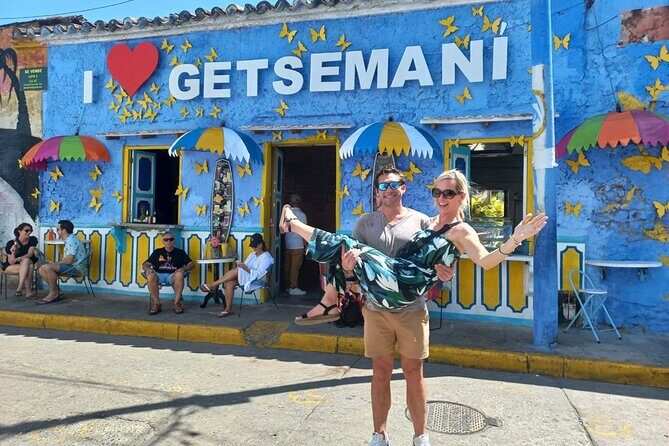
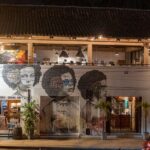
The workshop starts in Getsemaní, at El Arsenal: The Rum Box 24, Calle Arsenal #8b-19. The location is convenient for planning because it is near public transportation, so you are not stuck with a long taxi run just to get to chocolate.
If you are the type who likes to arrive a few minutes early, do it. You will want time to settle in, meet the team, and get ready for the first part of the lesson before things start moving quickly.
Other chocolate workshops in Cartagena

Your first look at the process: machinery and staff
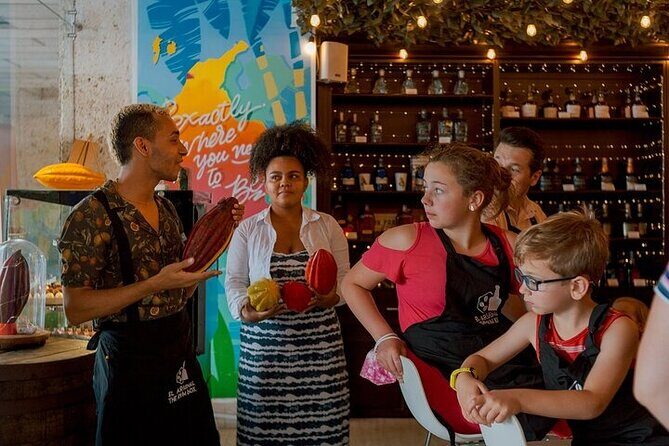
The session opens with a behind-the-scenes look at the workshop itself. You start by getting acquainted with the machinery and equipment used by chocolatiers. This is a practical start: instead of starting with sweets, you learn what tools are used and why the process is broken into steps.
Then you meet the staff and the guide’s approach clicks into place. Alejandra’s style is upbeat and easy to follow. She does not rush, and she knows how to keep attention without turning the workshop into a lecture.
This first segment matters because it gives you a mental map. Once you know what the equipment does, everything after feels less mysterious, and you are better able to connect flavor with technique.
Cocoa to cocoa base: roasting, separation, and why types matter
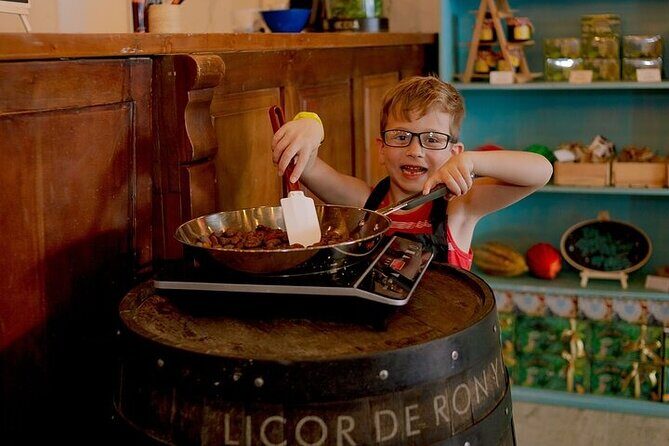
Next comes the cacao portion in a clear sequence. You get to see how cocoa arrives, how it is roasted, and how it is separated to obtain the base product used for chocolate.
This is where you start learning the idea behind Colombian cacao being so valued. The workshop explains the importance of different cocoa types at a national level, not as trivia, but as a way to understand flavor differences. You’ll hear how the starting ingredient shapes what you taste later, including texture and intensity.
I like this part because it teaches you to think like a maker. Instead of saying one chocolate is just better, you start asking why it tastes the way it does: roasting level, origin, and how the base ingredient is treated.
Refining and shaping: bonbons, truffles, or a chocolate bar
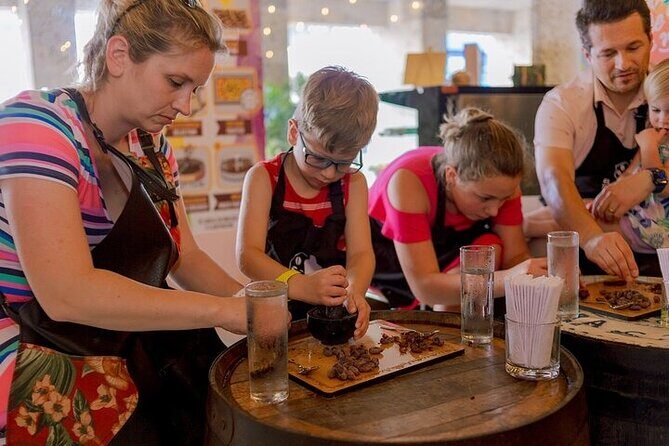
After you understand the raw-to-base stage, you move into the fun part: refining and making chocolate. You go from learned steps to actual creation, and the workshop includes options for the final forms, like bonbons, truffles, or chocolate bars.
This segment is the best “I can do this at home” bridge in the whole experience. Even if you are not planning to buy industrial equipment, you get a real sense of timing and texture cues. And yes, it can get a bit messy, so that stain-friendly clothing tip is not just a formality.
What makes it click is that the experience adjusts based on the ideas you bring. If you are more curious about flavor, you lean into explanations. If you want to focus on technique, you get help shaping the process into something you can repeat later.
Tastings that actually teach: percentages and origins
You also get chocolate tasting as part of the menu. Expect a mix across percentages and styles, such as:
- White (40%)
- Milk (46%)
- Dark (80%)
- Pure cocoa (100%)
- Plus blends
This setup is helpful because it lets you compare intensity in a structured way. You start with something that feels familiar, then you move into higher cocoa content where bitterness, aroma, and texture become more obvious. Pure cocoa at 100% is a great reality check: it shows you the raw edge of cacao before any sweetness wraps around it.
If you love food, this is one of those rare workshops where tasting does not feel like an afterthought. It connects directly to what you learned about roasting and ingredient types.
A few more Cartagena tours and experiences worth a look

What it feels like in real life: guide energy and family-friendly pacing
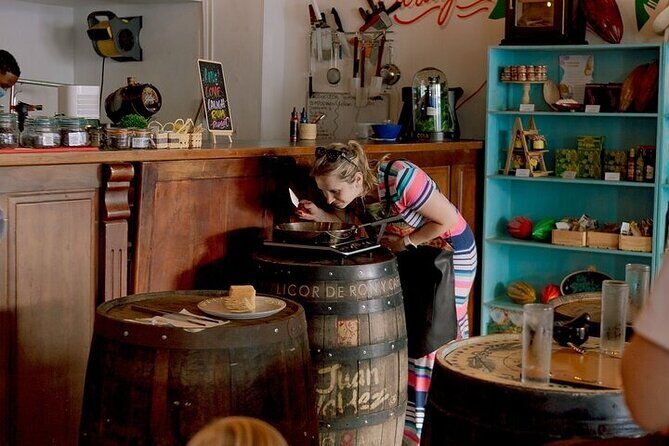
The workshop has a reputation for engaging people across ages. Alejandra’s enthusiasm shows up in the way she teaches: she keeps the pace lively and the explanations clear, so children stay interested instead of getting bored.
I also like that the atmosphere feels warm and human. You are not treated like a ticket number. The staff’s energy helps you relax, even if chocolate-making sounds intimidating at first.
This is also why it works well for couples. You can split attention between the learning and the making, then compare your chocolate choices after. And if you go with kids, it turns into a family activity that feels hands-on, not staged.
Price and timing: is $96 worth 1 hour 45 minutes?
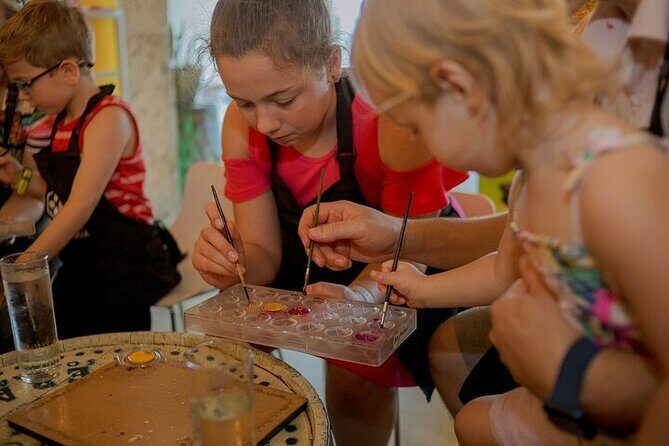
At $96 per person for about 1 hour 45 minutes, you’re paying for three things you rarely get together: process education, tastings, and actual chocolate making, all within a private format.
If you only wanted dessert tasting, you could find cheaper in Cartagena. But this is not only tasting. It includes you working through the chocolate-making steps and leaving with a clearer idea of how cacao becomes candy.
Because it is private for your group only, you also get better attention from the guide. That matters when you want questions answered or you are trying to follow along while making something with your hands.
So for the right traveler or family, it feels like good value: you’re paying for an experience you can remember and repeat in your own kitchen, not just a one-time snack.
Practical tips so you enjoy it (instead of thinking about stains)
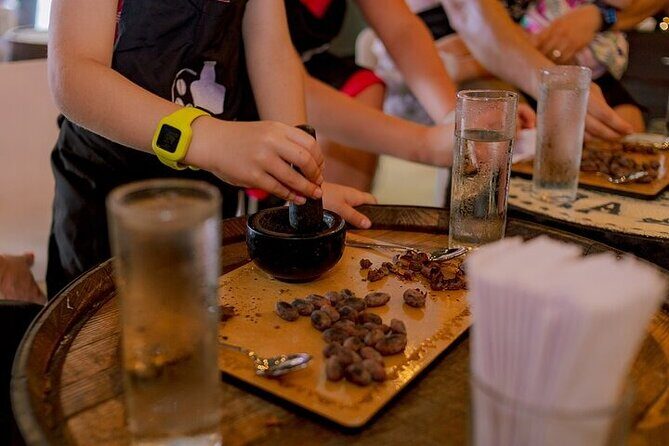
Plan your clothing like it is a cooking class. The workshop recommends comfortable, stain-friendly clothing, and that advice is spot-on.
Also, go in with a basic mindset: this is a hands-on learning session. If you expect only quiet tasting, you might be surprised by how active it becomes. If you love interactive activities, you will probably leave grinning.
If chocolate is your thing, great. If you are sensitive to chocolate flavors, consider whether you want to commit to multiple tastings in one session. The menu includes strong options like pure cocoa at 100%, so it is not only sweet milk chocolate.
Who should book this cacao workshop
This one fits best if you want a real food experience rather than a passive tour.
I’d especially recommend it for:
- Families who want kids involved in making something
- Food lovers who care about percentages, texture, and flavor causes
- Couples who like learning together and then enjoying the results
- Anyone curious about why Colombian cacao is treated seriously by chocolatiers
If you are allergic to chocolate, skip it. If you hate the idea of getting slightly chocolatey while you make your own sweets, then this may not be your match either.
Should you book? My honest take
Book it if you want hands-on chocolate making plus a clear, step-by-step look at how cacao becomes chocolate. The time feels well used, and Alejandra’s teaching style makes it engaging, not overwhelming.
Skip it if chocolate allergies are a concern, or if you only want a quick, low-effort tasting stop. This workshop is about process and participation, not just sipping something and wandering around.
If that sounds like your kind of Cartagena afternoon, this is a very solid choice.
FAQ
How long is the chocolate and cacao workshop?
It lasts about 1 hour 45 minutes.
How much does the workshop cost?
The price is $96.00 per person.
Where do we meet for the workshop?
Meet at El Arsenal: The Rum Box 24, Calle Arsenal #8b-19, Getsemaní, Cartagena de Indias.
Is the workshop offered in English?
Yes, it is offered in English.
Is this a private experience?
Yes. It is private, and only your group participates.
What will we do during the workshop?
You’ll learn about chocolatiers and the cacao process, then go from refining to creating chocolate items like bonbons, truffles, or chocolate bars.
What kinds of chocolate are included?
You’ll taste chocolates with different percentages and types, including white (40%), milk (46%), dark (80%), pure cocoa (100%), and blends.
Can I cancel for a full refund?
Yes. You can cancel up to 24 hours in advance for a full refund. If you cancel less than 24 hours before, it is not refundable.