REVIEW · CARTAGENA
Cartagena´s African Legacy: 2 hrs on History, Dance & Tasting
Book on Viator →Bookable on Viator
Afro-Caribbean Cartagena has a story to tell. This 2.5-hour tour threads Afro-Colombian life through key colonial plazas, then hands you a dance and taste finish in Getsemaní, all while you learn why these spaces matter. You start in El Centro and end in Getsemaní, so the route naturally shifts from grand squares to neighborhood energy.
What I really like is the mix of stop-by-stop context and hands-on culture. You get short, focused walks between places like Plaza de los Coches and Palacio de la Inquisición, and you also get to participate in the turbant session and the champeta session instead of just watching.
One thing to plan for: the pacing is fast. With multiple stops that last around 10–20 minutes and a big culture portion near the end, it is not ideal if you want lots of quiet time inside any one site.
In This Review
- Key things to know before you go
- A 2.5-hour route through Cartagena’s Afro-Colombian landmarks
- Plaza de los Coches and Plaza de la Aduana: markets and trade under empire
- Plaza de San Pedro Claver: the slavery and human-rights thread
- Parque de la Marina: sea views plus the pioneer of naval institution
- Palacio de la Inquisición: the darker museum chapter
- Plaza de Bolívar and Portal de Los Dulces: sweets with a story
- From Centro Histórico (San Diego) to Getsemaní: turbant, champeta, and street art energy
- Price and what you’re actually getting for $60
- Who this tour fits best (and who might want to skip)
- Should you book Cartagena’s African Legacy tour?
- FAQ
- How long is Cartagena’s African Legacy tour?
- Where do I meet the guide and where does the tour end?
- What time does the tour start?
- Is the tour offered in English?
- What is included in the price?
- Do I need to buy tickets or pay admission fees at the stops?
Key things to know before you go
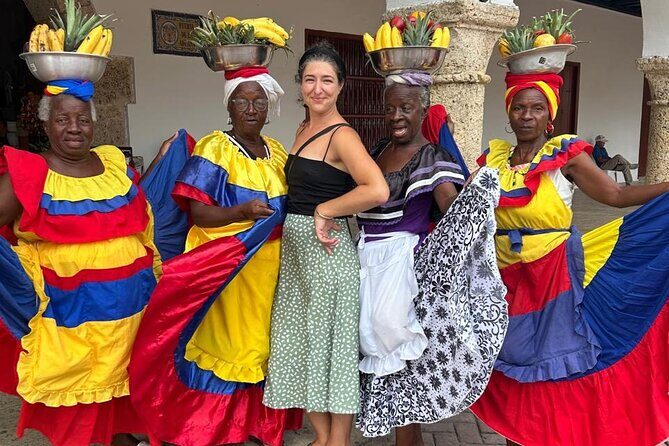
- Short, smart stops across old town: Plaza de los Coches, Plaza de la Aduana, Plaza de San Pedro Claver, and more, timed for a 2.5-hour walk.
- You learn while you walk: each plaza connects to a theme like trade, human rights, and Cartagena’s darker chapters.
- Turbant session + champeta session: you are not just hearing about African legacy—you take part.
- Tasting is built in: typical candy snacks, plus a stop at Portal de Los Dulces for local sweets.
- Small group feel: maximum 15 travelers, led in English.
- Free admission at the listed stops: you are not budgeting for extra ticket costs during the route.
A 2.5-hour route through Cartagena’s Afro-Colombian landmarks
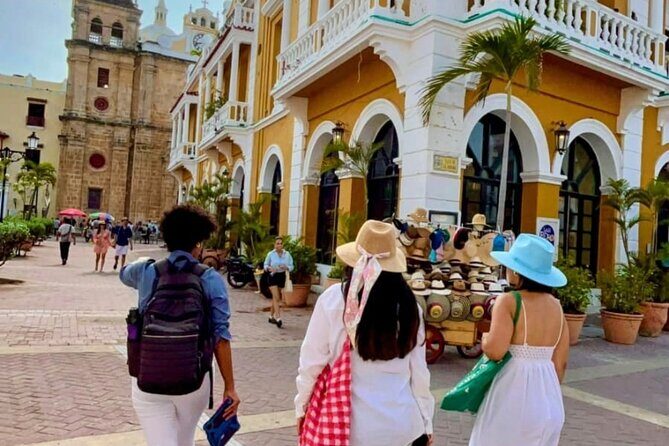
This is a walk-first tour that aims to give you context fast. The total time runs about 2 hours 30 minutes, starting at 3:00 pm. You’ll move through El Centro and then into Getsemaní, with most stops lasting about 10–20 minutes.
You’ll see a chain of named places that you can later point to on your own map: Plaza de los Coches, Plaza de la Aduana, Plaza de San Pedro Claver, Parque de la Marina, Palacio de la Inquisición, Plaza de Bolívar, Portal de Los Dulces, Centro Histórico (San Diego area), and finally Getsemaní.
Because it’s capped at 15 people, the guide can keep the energy up without turning it into a slow conga line. And since it’s offered in English with a mobile ticket, you’re not stuck with complicated printouts.
Just remember: you’re walking. It is not a sit-and-stare museum day. Wear shoes you trust. If it’s hot out (and it often is), bring a little water and plan to move with the group rather than fall behind.
Other African heritage tours in Cartagena
Plaza de los Coches and Plaza de la Aduana: markets and trade under empire
Your first plaza stop is Plaza de los Coches. It’s tied to colonial-era street life, once a marketplace that carried commerce through the old city center. What I like about beginning here is that it sets the economic stage early: you quickly get the idea that these squares were not just for photos. They were working spaces.
Next comes Plaza de la Aduana. This one focuses on trading history and the surrounding colonial architecture. Even if you do not feel like a history nerd, you can still read the city. You’ll be noticing the shapes and layout of the old buildings, and connecting them to why this area mattered in the flow of goods and people.
These two stops are short, so the goal is not to memorize dates. It’s to get your bearings and understand why plazas like these kept showing up again and again across the city. Once you grasp that, the later stops hit harder.
Potential drawback at this stage: because the tour is time-packed, you might not get long breaks to just hang out in these squares on your own. If you love slow people-watching, you’ll have to save that for after.
Plaza de San Pedro Claver: the slavery and human-rights thread
Then the tour turns to Plaza de San Pedro Claver, named for the patron saint of slaves. Here you learn about his legacy and his advocacy for human rights. It’s a heavier theme, but the format is clear: the plaza name isn’t a label. It’s a prompt for a story.
What I find useful is that this stop reframes Cartagena. The city is often sold as color, walls, and views. This stop reminds you that the old streets were shaped by systems of forced labor, and also by people who pushed back on that reality.
This part works best if you can let the guide’s explanation land without rushing to the next stop. Even though it’s only about 10 minutes here, the point is to carry that human-rights thread with you as you move into the next plazas and the museum stop.
If you’re sensitive to dark topics, you should know this tour includes them. It is not all celebratory culture.
Parque de la Marina: sea views plus the pioneer of naval institution

From there you head to Parque de la Marina. You get a break from the most dense old-town streets because this one looks toward the sea. It’s also tied to the importance of the pioneer of Colombian navy institution.
This is one of the stops that gives you a practical travel benefit: a viewpoint. You’re not just reading about history on stone; you’re also seeing the coast that shaped Cartagena’s role. When a tour gives you one clear view, you end up remembering it later.
It’s also a nice pacing tool. After plazas that focus on trade and human rights, a park stop helps your brain reset before you go into the darker building visit.
One small consideration: parks can be cooler than open squares, but you still want to keep moving. This tour is built for momentum, not extended lounging.
Palacio de la Inquisición: the darker museum chapter
Palacio de la Inquisición is the tour’s big museum moment. You visit this historic building that’s now used as a museum, and you learn about the dark history of the Inquisition in Cartagena.
You also get an extra layer of learning here: the tour connects the building’s story to learning about the first black president in Colombia. The point isn’t that everything is neatly tied up. It’s that Cartagena’s public spaces and later narratives can carry surprising connections across eras.
This stop lasts about 20 minutes. That means you’ll walk away with a strong outline, not with a thesis paper. If you want to read every label in detail, you’ll need a return visit later.
The upside: you get the context without losing the afternoon. In just a few blocks, this tour brings you from plazas of everyday colonial life into the kind of history that explains why people still talk carefully about power and control.
Other food & drink experiences in Cartagena





Plaza de Bolívar and Portal de Los Dulces: sweets with a story
Next you hit Plaza de Bolívar, which is the heart of Cartagena’s old town. You’ll see colonial architecture surrounding the square and get to feel the rhythm of the city right there.
This stop is shorter—about 10 minutes—but it’s a great “reset” point. You can look around, adjust your mental map, and realize you’ve been moving through different functions of the same city: trade, faith, governance, everyday life, and now neighborhood culture.
Then comes Portal de Los Dulces, where you indulge in local sweets and treats. The education angle here is smart: you also learn about many strategies that African people used in order to run away from slavery. So the candy isn’t a distraction. It’s part of the way the guide shows how survival, resistance, and culture can show up in ordinary places.
If you have a sweet tooth, this is a good moment. If you get overwhelmed by emotional topics, this stop can still work because it’s lighter on the surface and supported by explanation that keeps you grounded.
From Centro Histórico (San Diego) to Getsemaní: turbant, champeta, and street art energy
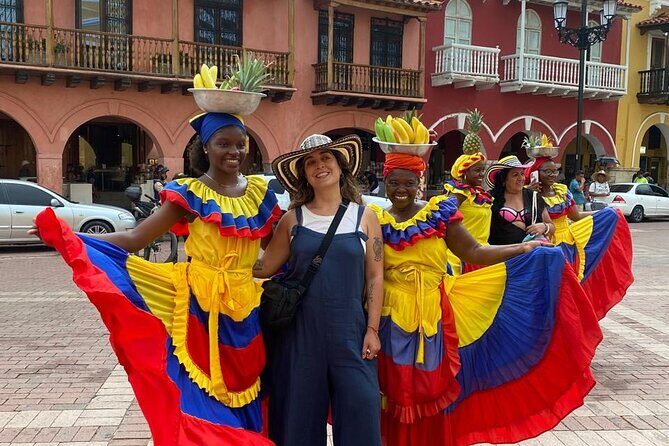
After Plaza de Bolívar and Portal de Los Dulces, the route goes into Centro Histórico, specifically the San Diego area. You’ll walk through quaint streets with boutique shops and historic sites, and you learn that this is also a place where most local people meet.
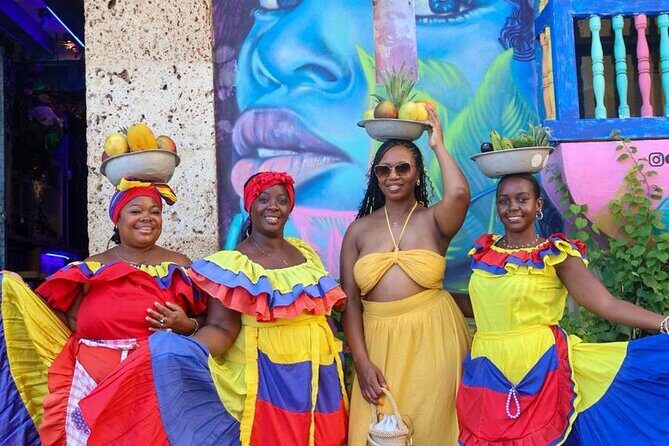
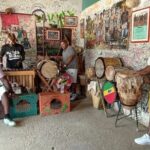
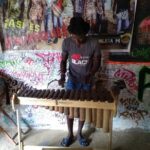
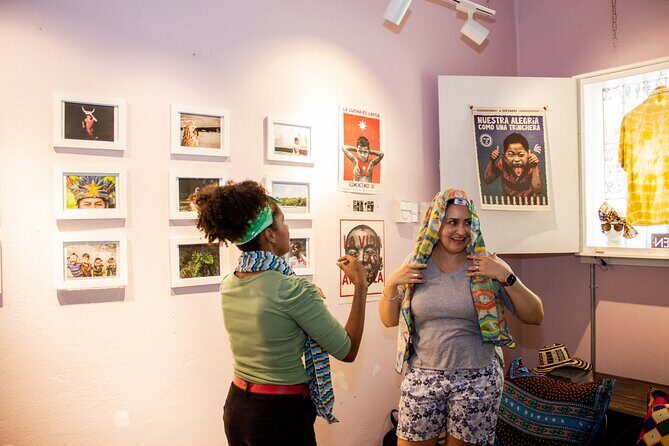
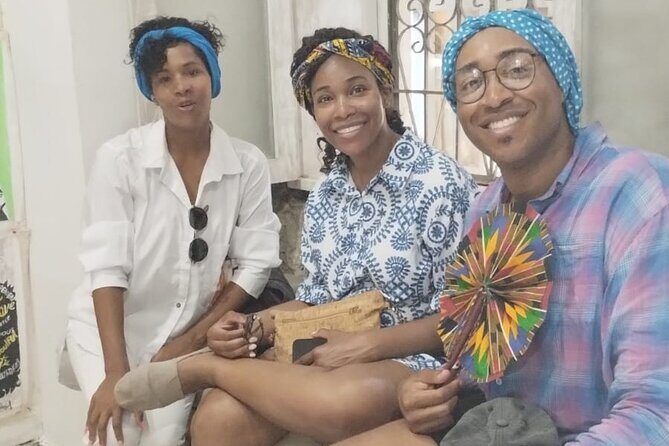
Then it’s on to Barrio Getsemaní, where the tour leans fully into culture. The neighborhood is known for street art, an energetic atmosphere, and cultural events. You’ll have the turbant session here and then the champeta session.
This is the part of the tour I’d call the payoff. The history work earlier gives the meaning. Then the dance and performance help you feel what cultural legacy looks like when it’s alive in the street.
The guide matters a lot in this section. One name you’ll hear associated with this tour is Daniela. Her style is described as knowledgeable, kind, and fun, and that matters when the tour shifts gears from explanation to participation. Good leadership keeps the atmosphere respectful and not awkward.
Also, the timing helps: the Getsemaní portion lasts about 40 minutes, so you get enough time to actually take part rather than squeeze everything into the last five minutes.
Practical tip: this is the busiest-feeling part of the route. If you’re tired, slow down with the group anyway. Don’t try to cut ahead. You want to be there when your session starts.
Price and what you’re actually getting for $60
The price is $60.00 per person for a tour that runs about 2 hours 30 minutes. For me, the value comes from the fact that it combines three things many tours separate: city context, included tastings, and participation in dance.
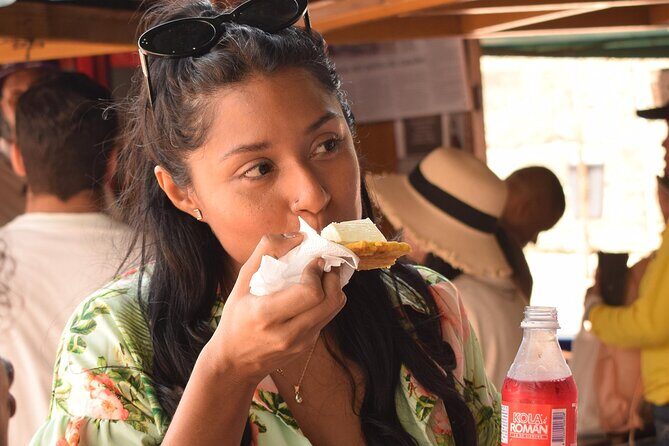
Included are typical candy snacks, a turbant session, and a champeta session. There’s also a stop where you indulge in sweets at Portal de Los Dulces. Even though snacks sound minor, they help you stay in the tour rather than go hunting for food mid-route.
Admission is listed as free at each stop along the route, so you’re not paying add-ons every time the group arrives at a new plaza.
You do pay in one way: it’s not a private driver setup. Private transportation is not included, so you’re responsible for getting yourself to the start point. The good news is that the meeting area is near public transportation.
Group size is capped at 15, so you’re less likely to feel swallowed by crowds. This matters for a tour with interactive dance components at the end.
Who this tour fits best (and who might want to skip)
This tour fits best if you want Afro-Colombian culture and Cartagena’s old city context in one afternoon. You’ll enjoy it most if you like walking tours that teach through named places, and you don’t mind moving at a steady pace between sites.
It also works well for people who are short on time. One review recommendation was basically this: if you can’t dedicate half a day to Palenque, take this tour for the city-based context on Afro-Colombian heritage. I agree with the logic. You get meaning inside Cartagena itself, without the extra travel time.
Consider skipping (or supplementing) if you want a deep museum day. The Palacio de la Inquisición stop is about 20 minutes, and all the plazas are short. This is an overview route, not a full immersion in any single site.
It’s also not ideal if you strongly dislike participating in guided cultural sessions. The turbant and champeta sessions are part of what you paid for and what the tour is built around.
Should you book Cartagena’s African Legacy tour?
I think you should book it if you want a smart, time-friendly way to understand how Cartagena’s old squares connect to Afro-Colombian heritage—then finish with hands-on culture in Getsemaní. The route is structured enough to keep you oriented, but it leaves space for you to look around.
Book it if:
- you’re staying in Cartagena old town and want a walk that starts in El Centro and ends in Getsemaní
- you want both learning and participation (turbant + champeta)
- you like tastings that come with context, not just free samples
Pass or plan something else if:
- you want long museum hours or deep reading time
- you dislike walking for 2+ hours in warm weather
- you prefer a tour with no dance or participation elements
If you can only spare one afternoon for culture, this is a strong choice because it gives you a clear storyline—from plazas, to a major museum stop, to a neighborhood finale you can actually feel.
FAQ
How long is Cartagena’s African Legacy tour?
It lasts about 2 hours 30 minutes.
Where do I meet the guide and where does the tour end?
The tour starts at Plaza de los Coches (Cra. 7, El Centro) and ends at Calle Adentro (Cl. 30 #9-43) in Getsemaní.
What time does the tour start?
The start time is 3:00 pm.
Is the tour offered in English?
Yes, the tour is offered in English.
What is included in the price?
The tour includes typical candy snacks, a turbant session, and a champeta session.
Do I need to buy tickets or pay admission fees at the stops?
The listed stops show free admission tickets, and the tour includes what’s needed for the experiences described. Private transportation is not included, so you’ll handle getting to the start point.