REVIEW · CARTAGENA
Ethnotouristic route to Palenque first free town in America
Book on Viator →Operated by Ecoturismo Los pinos · Bookable on Viator
Afro-Colombian culture is one real-life time machine. A trip to San Basilio de Palenque in the Montes de María area puts you face-to-face with Palenquera language and home-style lunch—not just photos and facts.
What I like most is that you get real context for how this community works, from family networks to age-group responsibilities, all wrapped into everyday life and ceremony.
I also really like the way the day focuses on people, not performance. You’ll hear about the fortified palenques founded by runaway enslaved Africans in the 1600s, then move through town stops connected to music, celebrations, and even traditional medicinal practices.
One consideration: you can run into language limits if your guide is Spanish-first. A few folks noted translation issues, plus the day runs hot and long in the sun, so you’ll want to plan for heat and comfort.
In This Review
- Key highlights you’ll actually care about
- San Basilio de Palenque: a Cartagena day trip with meaning
- The ma-kuagro system: how the community stays organized
- “Language is identity” is not a slogan here
- Music stops: sitting Bullernege and the celebrations it powers
- Traditional home moments and the medicinal hut
- Lunch in Palenque: included, local, and worth planning around
- Getting from Cartagena: heat, van comfort, and the long day reality
- Price and value: why $79.73 can still feel like a bargain
- Guides and communication: when translation becomes part of the experience
- Who should book this Palenque tour (and who might prefer a different day)
- Should you book it?
- FAQ
- What time does the tour start, and how long is it?
- How much does the Palenque tour cost?
- Is lunch included?
- Do I need to buy admission tickets for Palenque?
- Is the guide available in English?
- Is it refundable if the weather is bad?
Key highlights you’ll actually care about
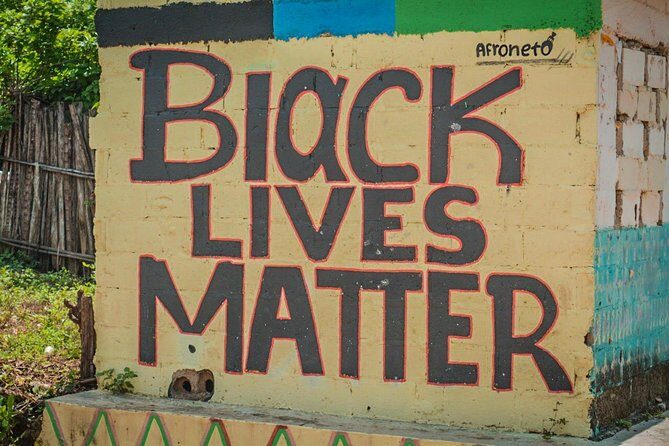
- First free town energy: Palenque de San Basilio is famous for being a refuge founded by runaway enslaved people, and the stories are tied to living traditions.
- Palenquera language access: You’ll learn why this Creole language (Spanish vocabulary plus Bantu grammar) matters for community cohesion.
- Music school and instrument moments: The day can include traditional instruments and performances connected to community celebrations.
- Medicinal hut and home remedies: You’ll get a glimpse into homeopathic-style thinking and healing traditions.
- Lunch is included and local: Expect a real meal made by locals—fish dishes are a common favorite, plus cooling drinks.
- Group size capped: With a max of 100 people, it should feel more manageable than some big bus tours.
San Basilio de Palenque: a Cartagena day trip with meaning
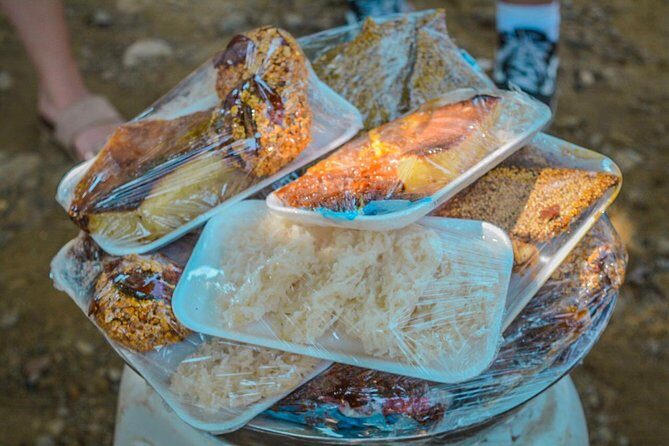
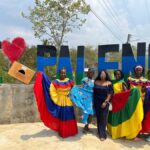
San Basilio de Palenque isn’t a quick stop where you check a box and move on. This is an ethnothouristic route that treats the community as a cultural space—social, medical, religious, musical, and oral traditions all connected.
The tour’s whole angle is that Palenque is history that kept walking. Founded as a refuge by runaway enslaved Africans in the seventeenth century, Palenque de San Basilio is the one palenque that’s still alive today. That matters because you’re not just hearing about the past. You’re seeing how traditions—especially language and music—support identity and daily community life.
Also, the location helps. Palenque sits on the buttresses of the Montes de María, southeast of Cartagena. Even if you only spend a few hours in town, the day doesn’t feel like it’s floating in a generic “tourist bubble.”
Other San Basilio de Palenque tours from Cartagena

The ma-kuagro system: how the community stays organized
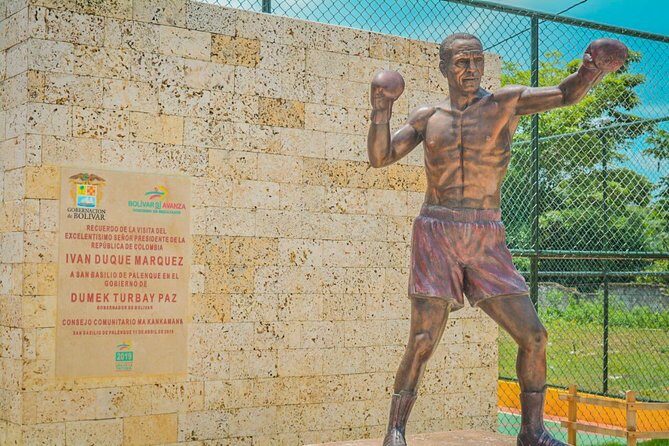
One of the best parts of the Palenque experience is how much you’ll hear about structure. The community’s social organization is based on family networks and age-group systems called ma-kuagro.
This isn’t just a cultural fact to memorize. It explains why things feel orderly even when traditions include complex rituals. Membership in a kuagro comes with rights and duties inside the group, plus internal solidarity. If you’re the type who likes understanding how communities function, this stop will feel like it gives you a key to the whole place.
You’ll also hear about funeral rituals and medical practices—because in Palenque, life and death aren’t separated into categories that only belong in books. The way people speak about rituals and healing shows how spiritual and cultural systems shape everyday decisions.
“Language is identity” is not a slogan here
The Palenquera language is often described as special for good reason: it’s the only Creole language in the Americas that mixes Spanish lexical base with Bantu grammatical characteristics.
On this tour, that language focus isn’t treated like a trivia question. It’s presented as an essential element reinforcing social cohesion—meaning it helps people stay connected inside community networks and shared traditions.
You’ll likely hear it through storytelling and local explanations during town moments. Even if your own Spanish is limited, the idea comes through: language is part of belonging, and belonging shapes daily life.
Music stops: sitting Bullernege and the celebrations it powers
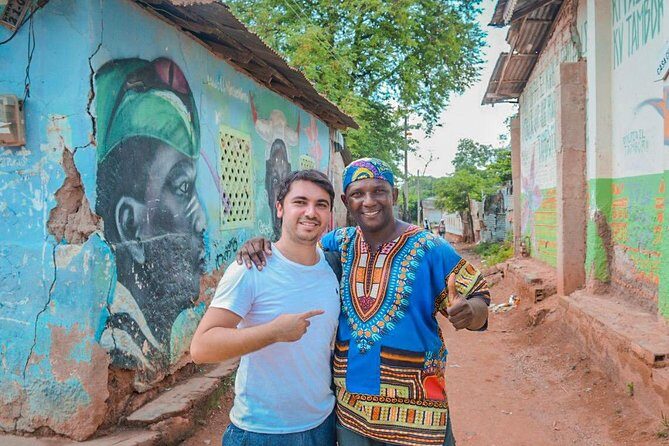
Music is a major thread through Palenque life, and the tour gives you windows into it. You may hear about musical expressions used during collective celebrations such as baptisms, weddings, and religious parties—as well as leisure events.
The names that come up include “Sitting Bullernege,” “Son palenquero,” and “Son de negro.” Whether you know the songs or not, you get the point: music is social glue, not background noise.
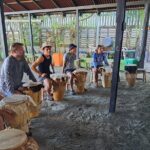
A lot of people also appreciate the way the day can include a music school stop and instrument-related moments. One person described an impromptu performance—exactly the kind of detail that makes the day feel less scripted and more real. If you care about Afro-Caribbean music connections, this is where you’ll feel the day click.
Traditional home moments and the medicinal hut
Within the Palenque visit, you don’t just walk past buildings. You’re guided through experiences connected to daily life and tradition.
A traditional home stop can include hands-on participation. In one described moment, visitors helped crush traditional rice. That sounds simple, but it gives you a concrete sense of how everyday labor fits into cultural identity.
Then there’s the medicinal hut stop, where traditional healing practices are explained. The day may include information about homeopathic remedies, and you may also get the chance to see herbs or items you could buy.
One important note: this is presented as cultural and traditional knowledge, not a clinical lesson. Still, it’s valuable because it shows another way people relate to health—often mixing spiritual thinking with practical remedies passed through community practice.

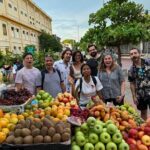
Lunch in Palenque: included, local, and worth planning around
Lunch is included on this tour. That’s a big value point, especially for a day that runs around 7 hours total and spends real time outdoors.
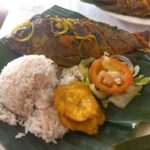
From the food descriptions you can expect a homemade feel. People highlighted dishes like fried fish with coconut rice, lentils, and salad, along with refreshing sugar cane drink. Others mentioned sancocho as a favorite option.
If you want the best odds of enjoying lunch fully, come hungry and plan your pace. Heat can flatten your appetite and your patience. If you tend to fade in sun, bring a little snack before you reach lunch—some people said they wished they had more water during the long ride and hot day.
Also remember: alcoholic beverages aren’t included. If you want one, treat it as an add-on you’d pay for separately.
Getting from Cartagena: heat, van comfort, and the long day reality
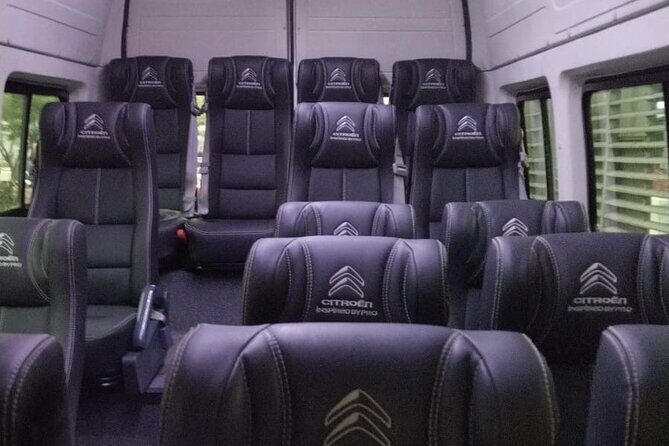
This tour starts at 8:00 am and runs about 7 hours. Most days will include an AC shuttle/van ride from Cartagena to Palenque. That’s great on paper—especially in coastal Colombia where morning can still turn hot fast.
But comfort can vary. Some people reported the van wasn’t very comfy or that the air-conditioning wasn’t great. That’s not guaranteed to happen to you, but it’s enough of a pattern that you should mentally prepare.
The bigger issue is the sun. Multiple tips in the feedback point to heat gear:
- Bring a hat and sunscreen.
- Carry an umbrella for shade (it truly helps when you’re standing around outdoors).
- Consider small bills for local vendors and shops.
The day can also feel rushed if the timing gets knocked around. Even one small delay can compress lunch and town stops. So if you want unhurried learning, come in with a flexible mindset.
Price and value: why $79.73 can still feel like a bargain
At $79.73 per person, this Palenque day trip is priced like a value option rather than a luxury cultural experience. The key reason it can feel worth it: lunch is included, and the day is focused on access to community culture—language, music context, and traditional home and medicinal stops.
You should also know what you’re not paying for. Alcohol isn’t included, and you may want to budget extra for purchases like herbs, souvenirs, and snacks at local stalls. A few people specifically recommended carrying Colombian pesos in small bills because not every place takes other payment types.
So here’s the value math for you:
- If you want a structured day with lunch included and real cultural stops, this price can make sense.
- If you’re hoping for a high-comfort ride and lots of English back-and-forth, you might feel the cost more tightly tied to logistics.
Also, the group size cap of 100 helps. It won’t guarantee quiet, but it should reduce the chaos compared to massive open buses.
Guides and communication: when translation becomes part of the experience
Language matters on this route. The local guide is typically Spanish-first, and communication may rely on interpretation through a translator and speaker setup.
In the experiences described, guides such as Victor and Albert were highlighted as doing strong work explaining the history and culture. Still, some people noted translation wasn’t always smooth, and in one case it limited the depth of dialogue.
For you, the smart move is to go with a style of curiosity that doesn’t depend on perfect English. Ask clear questions. Listen for the big ideas: how traditions connect to identity, how language supports community cohesion, and how music and rituals shape social life.
If you speak basic Spanish, you’ll likely enjoy the day even more. If you don’t, you can still do well—just expect the day to be more structured than conversational.
Who should book this Palenque tour (and who might prefer a different day)
This tour fits best if you:
- Want an Afro-Colombian cultural day trip with practical structure and real community context.
- Like learning about language, music, and traditional practices as living systems.
- Can handle outdoor time in heat with a moderate fitness level.
You might want to consider something else if:
- You need very comfortable transport for a long ride and long sun exposure.
- You expect an English-only guide with deep two-way discussion the whole time.
- Bathroom facilities are a deal-breaker for you; a few people mentioned they weren’t great.
Also, since the tour depends on good weather, if conditions are rough you may need flexibility. The overall point: this is a day you should dress for outdoors and expect to move at a human pace, not a museum shuttle pace.
Should you book it?
Yes, I’d book this if your goal is meaningful culture in Palenque and you’re fine with the trade-offs of a warm, outdoor day. This route does a strong job of connecting Palenque’s past—founded as a refuge by runaway enslaved Africans—to living traditions you can see through language, music moments, and practical stops like a traditional home and medicinal hut. And lunch being included at this price is a real win.
Just come prepared: hat, sunscreen, umbrella, Colombian pesos in small bills, and a snack/water buffer. If you do that, you’ll get more out of the day and waste less energy on avoidable discomfort.
FAQ
What time does the tour start, and how long is it?
It starts at 8:00 am and runs about 7 hours total.
How much does the Palenque tour cost?
The price is $79.73 per person.
Is lunch included?
Yes. Lunch is included, and alcoholic beverages are not included.
Do I need to buy admission tickets for Palenque?
Admission is listed as free for the Palenque stop (with a 2-hour segment).
Is the guide available in English?
The tour includes interpretation, and local communication may be Spanish-first. A translator and speaker may be used.
Is it refundable if the weather is bad?
The experience requires good weather. If it’s canceled due to poor weather, you’ll be offered a different date or a full refund.