REVIEW · CARTAGENA
Cultural excursion to Palenque from Cartagena
Book on Viator →Operated by VAMOS A PALENQUE TOURS · Bookable on Viator
Freedom has a heartbeat here. You’ll start at the Monument to Benkos Biohó, and I love how the story of resistance becomes clear fast. With a bilingual native guide, you’re not just hearing facts—you’re meeting the people and the living traditions that keep this history going.
I also like the mix of culture and hands-on moments. You get to play ancestral instruments with the group Kombilesa Mi, watch traditional dances and a drum show, then round it out with sweets and traditional rum tasting (ñeke).
One possible drawback to plan around: this kind of day includes lots of talking and performances, and a guide phone call can interrupt the flow for some people.
In This Review
- Key moments that make this Palenque trip worth your time
- How a 6-hour day from Cartagena stays human and personal
- Starting at Benkos Biohó’s monument: where the trip gets its backbone
- San Basilio de Palenque in action: music, Kombilesa Mi, and drum energy
- Casa Museo and the Medicine Patio Sikito: learning that’s practical, not just symbolic
- Boxing class inspired by Kid Pambelé: sport with cultural roots
- Lunch in Palenque: coconut rice with fish and a real local-food plan
- Creek time and the rhythm of a community day
- Ñeke rum tasting and sweets: small flavors that stick with you
- Price and logistics: what you’re really paying for
- Who this tour fits best (and who should think twice)
- Should you book the Palenque excursion from Cartagena?
- FAQ
- How long is the Palenque excursion from Cartagena?
- What’s included in the tour price of $135 per person?
- What lunch options are available?
- How large is the group?
- Do I need to bring sunscreen and insect repellent?
- What should I expect in terms of activity level?
- What happens if the weather isn’t good?
Key moments that make this Palenque trip worth your time
- Benkos Biohó explained in context at the start, so the day has meaning instead of being random stops
- Drums, dance, and participation with Kombilesa Mi, not just watching from a distance
- Medicine Patio Sikito and the chance to understand plant knowledge in a practical setting
- Food that feels local with coconut rice with fish plus optional chicken, pork, or vegetarian
- Kid Pambelé-inspired boxing class that turns sport into cultural storytelling
- Small group feel with a maximum of 25 people, so questions actually happen
How a 6-hour day from Cartagena stays human and personal
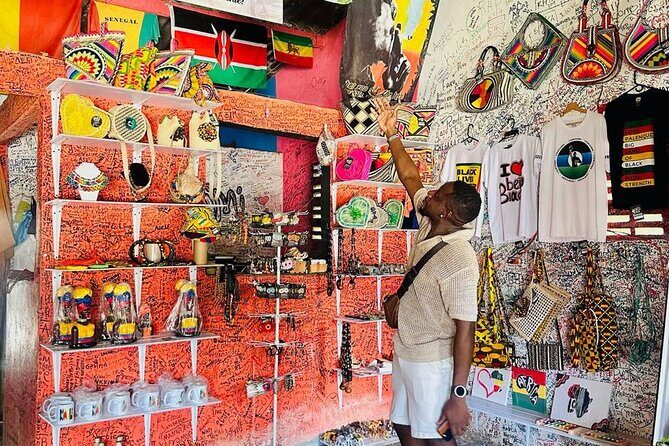
This is a 6-hour cultural excursion that runs from Cartagena Province toward San Basilio de Palenque. The big idea is to keep the day tight but not rushed: you’re traveling with an air-conditioned vehicle, then spending most of the time inside the community—history, music, food, and activities included.
At $135 per person, it’s priced like a full guided experience, not a budget transfer. What makes it feel like value is that they bundle several things into one block: transportation, a historical discussion led by the guide, traditional lunch, sweet tastings, and rum tasting (ñeke). On a short day like this, that bundling matters.
The group size is limited to 25 travelers, which usually means you get more conversation than you would on a massive bus tour. In practice, the day can feel more like a guided cultural visit than a checklist of photos.
Other San Basilio de Palenque tours from Cartagena



Starting at Benkos Biohó’s monument: where the trip gets its backbone
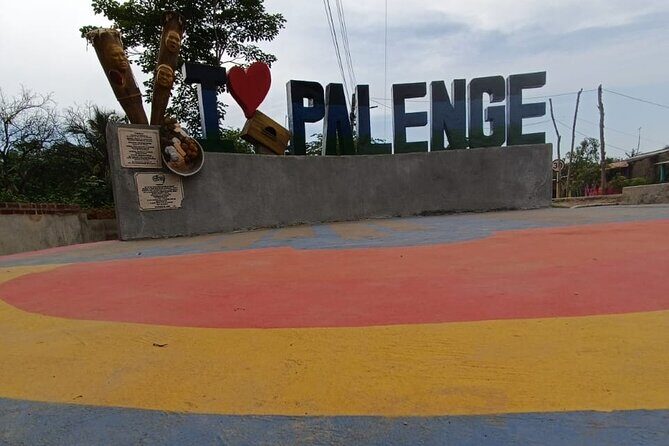
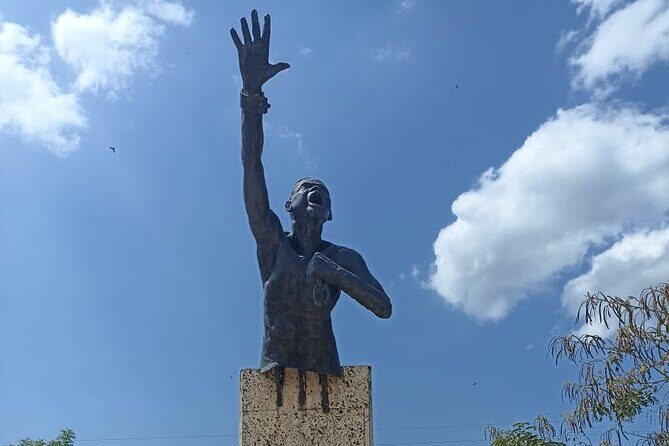
You begin at the Monument to Benkos Biohó. That start point is key, because it frames the entire day around resistance and freedom—history that’s not stuck in a textbook.
Your bilingual native guide shares the story behind the monument and the leader’s legacy. I like starting here because it gives you a lens. When you later see traditional music, dance, and community spaces, it doesn’t feel like entertainment glued onto a historical site. It all connects.
One practical note: monuments are often open to sun, so if you’re doing this under bright conditions, protect yourself. Sunscreen and insect repellent are not included, so bring your own.
San Basilio de Palenque in action: music, Kombilesa Mi, and drum energy
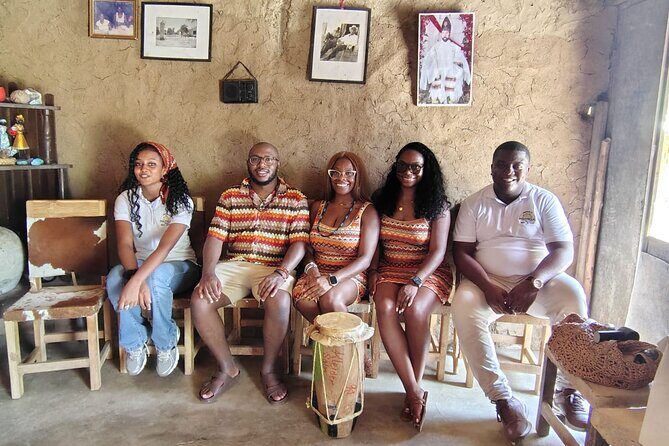
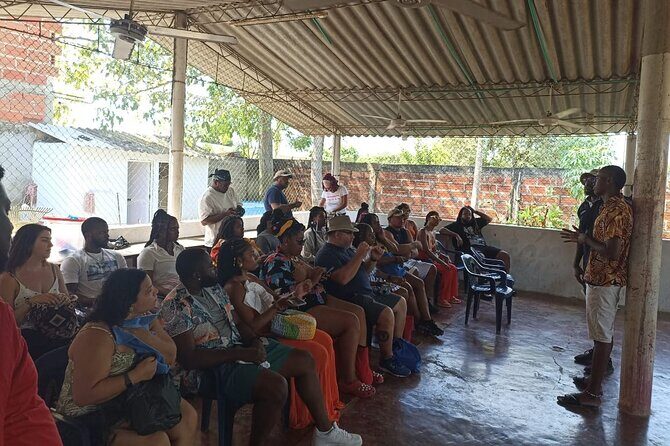
After the opening history, the day shifts into music and performance. You’ll visit the house of Kombilesa Mi, where you can play ancestral instruments alongside local musicians. That’s one of the best parts of the experience because you don’t stay passive.
You’ll also enjoy a presentation of traditional dances and a drum show. Even if you don’t know the background, you can still read the rhythm: call-and-response feel, movement that matches the beats, and the way community members keep the performance flowing.
From a reader’s point of view, this is the moment where you should lean in. Ask questions during breaks. If your guide is explaining what you’re hearing, that information will make the dance show and the drum performance land harder.
Casa Museo and the Medicine Patio Sikito: learning that’s practical, not just symbolic
Next comes a visit to the Casa Museo, where traditional objects are shown—items like stools and mortars. This isn’t just about seeing artifacts; it helps you understand how daily life and craft traditions support community identity.
Then you’ll visit the Medicine Patio Sikito, where you discover the healing power of plants. That’s a valuable inclusion because it moves the day beyond history and entertainment into knowledge and daily practice. It’s the kind of stop that can change how you think about traditional knowledge—less as folklore, more as a system of care.
What to expect: you’ll probably spend time listening and looking, and you may get explanations that connect plants to local healing traditions. It’s also a place where you’ll want comfortable shoes and a bit of patience for slower pacing.
Boxing class inspired by Kid Pambelé: sport with cultural roots
The tour doesn’t stay in one lane. You’ll get a fun boxing class inspired by the legacy of champion Kid Pambelé. This is one of those inclusions that turns a cultural day into movement, and it gives you a different way to connect to the community’s story.
You don’t need to be an athlete to enjoy it—this is framed as fun. The best approach is to treat it like a cultural performance with your body: watch what’s being demonstrated, follow the basics, and go with the flow.
If you love active travel (or you’re traveling with someone who gets bored on long museum-style stops), this part adds balance.

Lunch in Palenque: coconut rice with fish and a real local-food plan
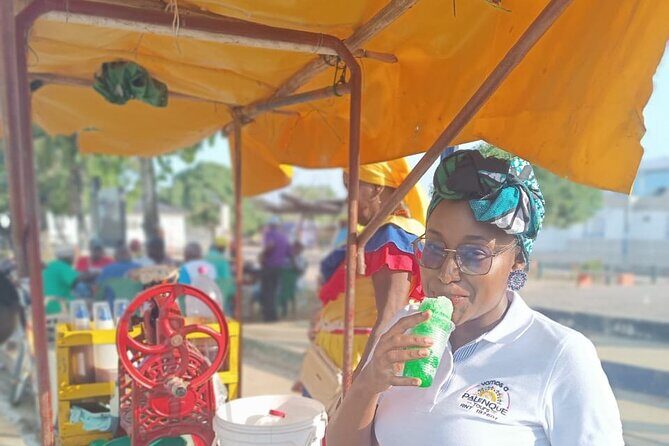
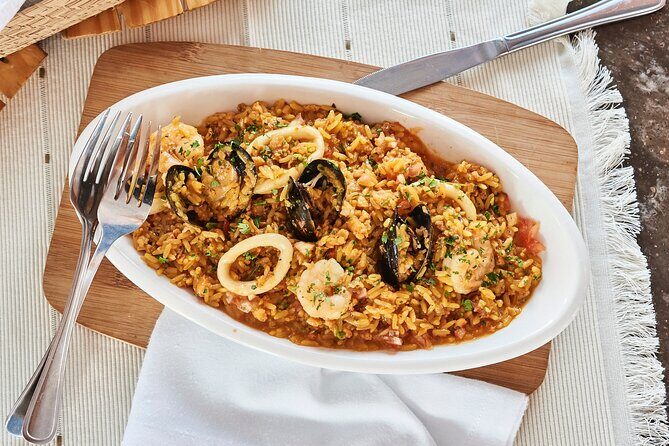
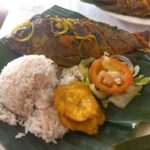
Food is a big deal on this trip, and it’s planned into the timeline instead of being an afterthought. You’ll enjoy a typical lunch: coconut rice with fish.
They also ask about your preference for lunch options: you can choose chicken, pork, or a vegetarian option. That flexibility helps if your group has different diets.
What I like about this kind of included lunch is that it reduces decision fatigue. You’re not trying to find a restaurant in the middle of a cultural day. You sit, eat, and then keep going.
If you’re sensitive to spice or you have a dietary requirement beyond what’s listed, bring that up during booking or confirmation, because the provided options are specifically the ones named.
Creek time and the rhythm of a community day
You’ll get to know the creek, described as a source of water from Palenque. This stop adds a nature-and-living-place perspective, not just built cultural landmarks.
Because it’s outdoors, it’s also where the day can feel weather-dependent. The experience is stated to require good weather—if conditions are poor, you’ll be offered a different date or a full refund.
Think of this as your cue to dress sensibly: bring sun protection, wear breathable clothes, and expect that the day will include outdoor walking.
Ñeke rum tasting and sweets: small flavors that stick with you
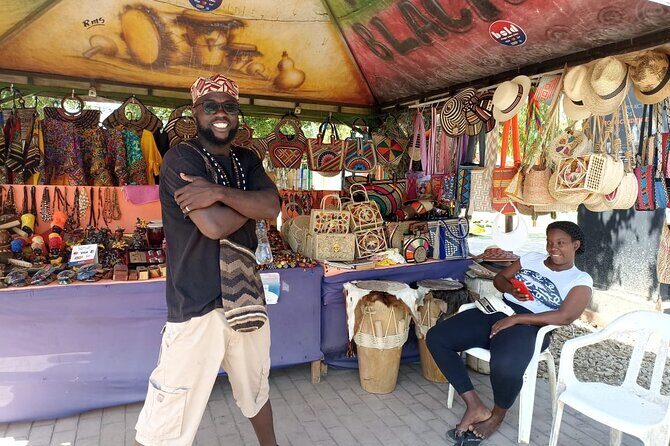
Between history stops and activities, you’ll also taste traditional sweets and take part in a ñeke rum tasting. This is included, and it’s not treated like a random souvenir moment.
For many people, the tasting and sweet sampling are what make the day feel memorable after the dancing stops and the photos are over. These are flavors you can connect back to the community—especially when you’ve already spent time hearing stories about tradition.
If you prefer not to drink alcohol, you can still enjoy the snack tastings and the rest of the day, but the rum tasting is part of what’s scheduled.
Price and logistics: what you’re really paying for
Let’s talk value, because $135 for 6 hours can feel high or fair depending on what’s included.
You’re getting:
- Air-conditioned vehicle (important for comfort in a day trip)
- Historical discussion about Benkos Biohó
- Community visit with emblematic places in San Basilio de Palenque
- Traditional dances and drum show
- Traditional lunch (with named dietary options)
- Bottled water
- Sweet tastings
- Ñeke rum tasting
- A boxing class inspired by Kid Pambelé
That’s a lot of packed-in labor: guide time, community performance coordination, and food planning. If you tried to stitch together similar experiences on your own—especially the music/dance and the medicine patio visit—you’d likely spend more time and money than the tour price suggests.
The main logistics consideration is timing and packing for a full cultural schedule. This isn’t a slow half-day with lots of free time. It’s a guided, structured experience, and you’ll want to arrive ready.
Who this tour fits best (and who should think twice)
This is a strong match if you want:
- Real cultural context, not just sightseeing
- Hands-on participation (instruments, and a boxing class)
- A day that combines history + community + food
- A smaller group size (max 25 travelers) so you can ask questions
It might be less ideal if you:
- Hate being on a tight schedule for 6 hours
- Need long stretches of personal downtime
- Get upset by minor interruptions during explanations (a few participants flagged phone-call interruptions by the guide)
Should you book the Palenque excursion from Cartagena?
Yes, I think you should book it if you want one day in Palenque that covers multiple sides of culture: the story of Benkos Biohó, the living music scene with Kombilesa Mi, the plant knowledge at Medicine Patio Sikito, and the active, playful side through the Kid Pambelé-inspired boxing class. You also get a proper lunch (coconut rice with fish plus named alternatives) and included tastings.
If your goal is only photos from a distance or lots of free time, you might feel boxed in. But if you like tours that feel like a guided visit to real community life, this one makes sense—and it’s good value for what’s included.
FAQ
How long is the Palenque excursion from Cartagena?
It’s about 6 hours.
What’s included in the tour price of $135 per person?
You get an air-conditioned vehicle, a historical discussion about Benkos Biohó, a community tour in San Basilio de Palenque, traditional dances and a drum show, traditional lunch, bottled water, snacks and sweet tastings, and a ñeke rum tasting.
What lunch options are available?
Lunch includes coconut rice with fish, and the tour also asks you to choose between chicken, pork, or a vegetarian option.
How large is the group?
The experience has a maximum of 25 travelers.
Do I need to bring sunscreen and insect repellent?
Yes. Sunscreen and insect repellent are not included.
What should I expect in terms of activity level?
There’s a fun boxing class inspired by Kid Pambelé, plus walking through community spaces and visiting outdoor areas like the creek and medicine patio.
What happens if the weather isn’t good?
This experience requires good weather. If it’s canceled due to poor weather, you’ll be offered a different date or a full refund.