REVIEW · CARTAGENA
Cartagena Private Cultural Tour for Cruisers
Book on Viator →Operated by Cartagena Freelance · Bookable on Viator
Cartagena hits hard in 3 hours. This private cultural tour moves you from high viewpoints to colonial walls, then down into Getsemaní’s murals and umbrella streets, so you get the city’s big-picture feel without wandering on your own. You also get a real guide run-through—Angel’s stories and explanations made the places connect, not just get checked off.
I love the way this route builds contrast on purpose: churches and forts up top, then street art and daily-life corners in Getsemaní. Second, the tour’s pacing is easy to manage because it’s a private group with a driver and an air-conditioned vehicle, so you spend less time figuring things out and more time looking. You’ll also like that the stops are mostly short, so you can keep momentum even if you’re coming off a cruise schedule.
One consideration: it’s not a slow museum day. You’ll spend brief chunks at each highlight, and you may want more time at places like Castillo de San Felipe de Barajas or along the walls if you’re a history nut. Also, there’s at least one key admission cost not included—plan on budgeting about $10 per person for site entry.
In This Review
- Key highlights you’ll feel right away
- Price and what it’s really buying you
- Getting from the port into the city (without wasting time)
- La Popa Convent: orientation from Cartagena’s highest point
- Zapatos Viejos and the layers of Cartagena’s architecture
- Castillo de San Felipe de Barajas: Spanish engineering and stubborn defenses
- Inside the old streets: photos, umbrellas, murals, and small surprises
- Plaza de Los Coches and Plaza de la Aduana: where trade and power showed up
- Plaza de San Pedro Claver and Plaza de Santa Teresa: a spiritual pause
- Walled City of Cartagena: 17th-century walls and military thinking
- Café del Mar for sunset: music, drinks, and city views
- Parque Centenario and Plaza de La Trinidad: animals and independence
- The private-guide difference with Angel
- Should you book this Cartagena private cultural tour?
- FAQ
- How long is the Cartagena Private Cultural Tour for cruisers?
- Is this tour private?
- What’s included in the price?
- Are entrance fees included?
- What language is the tour offered in?
- Where does the tour start and end?
Key highlights you’ll feel right away

- Private group, guide-led route so you’re not stuck in a crowd and you can ask questions in plain English
- La Popa Convent viewpoint for quick orientation over Cartagena
- Getsemaní street art and umbrella streets (Arte Getsemani + Barrio Getsemaní) for photos with meaning
- Fortifications tour style with stops like Baluarte El Reducto and the Walled City walls
- Historic squares in the old center including Plaza de los Coches, Plaza de la Aduana, and Plaza de San Pedro Claver
- Sunset time at Café del Mar to end the day where the city looks its best
Price and what it’s really buying you
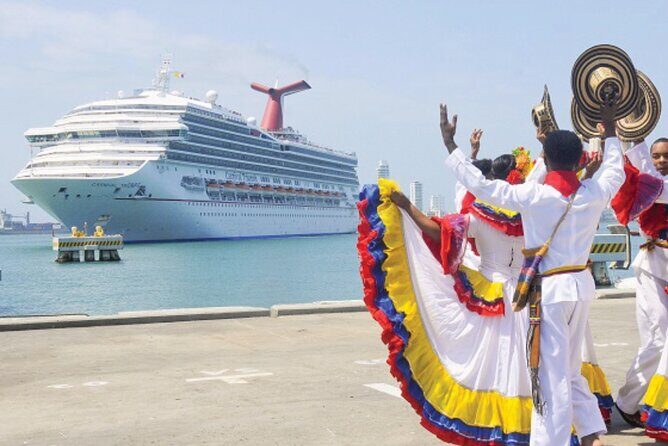
The tour is listed at $150 per person for about 3 hours 45 minutes. For a cruise shore day, that’s paying for three things that matter: you get a private guide, you get transportation in an air-conditioned vehicle, and the route is built to hit a lot of Cartagena without big detours.
Do keep one cost in mind. Most stops are free, but museum/site admissions aren’t included. The information you’re given points to about $10 per person in extra entry fees, and Castillo de San Felipe de Barajas is specifically marked as not included. If you hate surprises, budget that extra amount before you go.
If you’re traveling as a small group (or a couple), the value tends to make more sense than shared bus tours. You’re paying to keep the day smooth.
Other private tours in Cartagena


Getting from the port into the city (without wasting time)

You start at the Port of Cartagena (Cl. 28 #24-39, Manga) and the experience ends back there. That round-trip setup is handy because cruise days punish delays. The tour includes a driver and an air-conditioned vehicle, which is a big deal in Cartagena’s heat.
The itinerary is organized around short “look and learn” moments—each stop is roughly 7 to 15 minutes. That means you’re not standing around for long. It also means you should come with at least a little curiosity, because Angel will use that time to connect the dots: geography, colonial defense, trade routes, and everyday neighborhood life.
La Popa Convent: orientation from Cartagena’s highest point

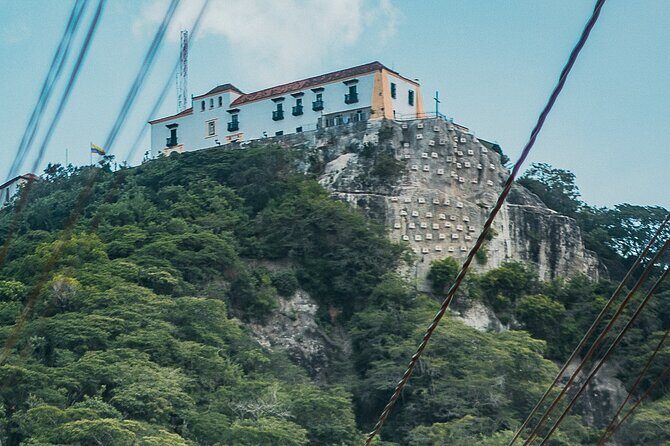
Your first major stop is La Popa Convent, and there’s a reason it’s the opener. It sits at Cartagena’s high point, so the view gives you a mental map. Once you’ve seen the city from above, the rest of the tour makes more sense—especially the walls and how the fortifications relate to where people live.
On top is the Santa Cruz de la Candelaria monastery, a beautiful 17th-century ecclesiastical construction. Even if you’re not a church-detail person, it’s worth it as a visual anchor: it tells you how Cartagena’s spiritual and colonial power used to be centered on key positions.
Tip: If you’re trying to capture the view, bring your camera settings ready. This is one of those stops where a quick setup matters more than perfect framing.
Zapatos Viejos and the layers of Cartagena’s architecture
Next comes the Monumento a los Zapatos Viejos, tied to UNESCO as a world historical and cultural heritage site. The point here isn’t just the monument itself. It’s the chance to see how military, civil, and ecclesiastical architecture overlap in one city space.
In Cartagena, that blending is the story. You’re watching the city grow and adapt, with different powers leaving physical marks. This stop is short, but it helps you read what you’ll see later—forts, plazas, and churches aren’t random; they were built for specific roles.
Castillo de San Felipe de Barajas: Spanish engineering and stubborn defenses
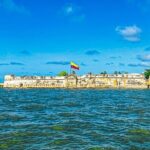
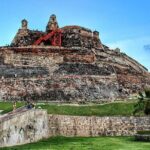
Then you hit one of Cartagena’s big-name sites: Castillo de San Felipe de Barajas. This is described as a feat of Spanish engineering in the New World during the colonial era, and you can feel that theme in how the site was made to protect the city.
There’s also a strong sense of civic pride tied to the location as a heroic city landmark. Admission for this stop isn’t included in the base cost, so treat it as the place where you likely spend the extra entry fee.
What makes this stop worth it: it explains Cartagena’s “why.” When you understand the defensive logic, the wall route later won’t feel like a random collection of stones.
Possible drawback: because time is limited, you might get more from the site if you enjoy scanning details rather than doing a slow walk. If you want a longer, deeper visit, this tour’s timing may leave you wanting.
Other historical tours in Cartagena





Inside the old streets: photos, umbrellas, murals, and small surprises
After the forts, the tour shifts into the kind of Cartagena you can’t fake in a photo library: narrow lanes, decorated walls, and everyday corners.
You’ll spend time at Cartagena Narrow Alley, where the streets work like a photo set thanks to decoration with umbrellas and murals. This is one of the moments you’ll notice even if you don’t memorize every fact. It’s also where you’ll feel the city’s personality—color, texture, and a kind of street-level artistry.
From there you add Baluarte El Reducto, which gives you another view of colonial military strategy. Think of it as the “defense architecture” angle, just in a different form than Castillo.
Then the tour drops you into Arte Getsemani and Barrio Getsemani. This is Getsemaní as you’ve probably imagined: graffiti, neighborhood art, and the famous umbrella street look. There’s a reason it’s included: it’s how Cartagena tells its modern story right next to its older power structures.
Photo note: if you’re hoping for the umbrella street shots, wear comfortable shoes. You’ll want to reposition for the best angle, and that’s easier without sore feet.
Plaza de Los Coches and Plaza de la Aduana: where trade and power showed up
Back into the historic center, you’ll hit Plaza De Los Coches in the heart of Cartagena. Short as the stop is, it helps you understand the layout of the city: where people gathered, where business happened, and where key buildings shaped movement.
Then you go to Plaza de la Aduana, described as the epicenter of trade in colonial Cartagena. That’s a powerful idea to keep in your head while you stand there: trade meant ships, taxes, workers, and a whole economy built on maritime traffic. Cartagena’s geography and architecture weren’t only for beauty—they were built for commerce and control.
This is also where the tour’s “short stops” style works. You get enough context to look at the plaza with purpose, even if you don’t have hours to roam.
Plaza de San Pedro Claver and Plaza de Santa Teresa: a spiritual pause
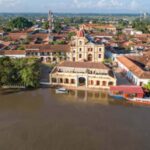
Next comes Plaza de San Pedro Claver. This is centered on a beautiful ecclesiastical construction and specifically ties to the remains of San Pedro Claver Corberó, described as a servant of the Ethiopians forever. That detail matters. It connects a physical location to a human story, not just to architecture.
From there, you move to Plaza de Santa Teresa, which is presented as suitable for photographs. Even if you only treat it as a quick break, it’s still part of the tour’s balancing act: forts and trade by day, then churches and solemn spaces that remind you this city was shaped by faith as much as defense.
Walled City of Cartagena: 17th-century walls and military thinking
One of the most important stops is the Walled City of Cartagena, where you get a tour of the wall and 17th-century military constructions. This is where you start seeing Cartagena like a strategist.
Why it matters: the walls aren’t just scenery. They’re a map of power and risk. Once you’ve visited La Popa’s height view, then Castillo’s engineering, then these walls, you get a real sequence in your head—how the city defended itself, and why certain areas mattered.
Best way to enjoy this part: walk slower for a minute or two. Even with short stop times, you can pick a stretch of wall and look for angles and access points. That’s where the defensive logic shows.
Café del Mar for sunset: music, drinks, and city views
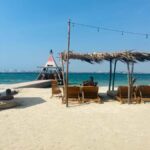
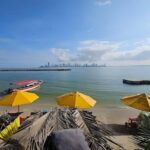
Toward the end, you go to Café del Mar Ltda. described as ideal for watching a sunset, enjoying music, and having a drink on the bastion. Admission isn’t part of the tour ticket here, but the “why” is clear: this is where the viewpoint pays off.
A practical note: alcoholic beverages like rum, beer, or wine aren’t included. If you want a specific drink, plan to buy it on site. If you just want the view, you can still enjoy the moment without ordering alcohol.
This stop is a smart close because it turns the day’s walking into an actual break.
Parque Centenario and Plaza de La Trinidad: animals and independence
After sunset time, the tour includes Parque centenario, a commemoration of Cartagena’s independence. This park is also where you’ll see local fauna—sloths, squirrels, monkeys, iguanas, and parrots.
If you’re thinking this is random compared to the rest, it isn’t. Independence-era commemoration is still part of Cartagena’s identity, and seeing animals there gives the day a lighter side after forts and plazas.
Then you end Getsemaní-focused with Plaza de La Trinidad, the main square of the neighborhood where the independence revolution began, plus its church, Holy Trinity. This ties Getsemaní’s modern street art feel to a deeper historical layer.
Finally, you’ll wrap up with Calle del Pozo, called great for photography. It’s a fitting last stop because it’s the kind of Cartagena street scene that feels personal and immediate—small, visual, and full of texture.
The private-guide difference with Angel
A big reason this tour gets high marks is simple: it’s private, and Angel guides you like someone who wants you to understand what you’re seeing. In a shared tour, you often get facts tossed over your head while everyone moves. Here, you get time to ask questions and actually connect neighborhood contrasts.
That’s the other standout theme: Cartagena’s different areas feel like different cities. Angel’s explanations help you notice the shift—from defensive architecture to trade plazas to Getsemaní creativity—without needing to study a guidebook first.
If you like tours where the guide’s voice shapes how you interpret the street, this will feel worth it fast.
Should you book this Cartagena private cultural tour?
Book it if you want a smart cruise shore experience: private, air-conditioned transport, and a route that blends viewpoints, fortifications, historic squares, and Getsemaní street life in under four hours. It’s especially good for couples or small groups who would rather pay for comfort and clarity than spend the day playing navigation roulette.
Skip (or consider a longer follow-on plan) if you want deep, slow time at major monuments. This tour is built for momentum. Castillo, walls, and the historic center are highlights, but you’ll get a focused slice rather than a long, museum-style day.
If you’re on the fence, here’s the decision shortcut: if you like photos with context—views plus explanations—this tour fits your style. If you prefer to wander completely on your own with no structure, you may find it too scheduled.
FAQ
How long is the Cartagena Private Cultural Tour for cruisers?
It lasts about 3 hours 45 minutes.
Is this tour private?
Yes. It’s a private tour/activity, and only your group participates.
What’s included in the price?
The tour includes a guided tour and an air-conditioned vehicle.
Are entrance fees included?
Most stop admissions are listed as free, but entrance fees are not included in general. Castillo de San Felipe de Barajas is specifically marked as not included, and you’re given an estimate of about $10 per person for site admissions.
What language is the tour offered in?
The tour is offered in English.
Where does the tour start and end?
It starts at the Port of Cartagena (Cl. 28 #24-39, Manga, Cartagena de Indias, Bolívar, Colombia) and ends back at the same meeting point.