REVIEW · CARTAGENA
Saint Basil of Palenque; Historical and cultural experience
Book on Viator →Operated by Vivamos Colombia Travel · Bookable on Viator
San Basilio de Palenque doesn’t read like a textbook. It’s a living Afro-Colombian community with roots in 17th-century escape and survival, and you get the story with local guidance and real human scale. What I like most is how the day connects the big historical picture to people you can actually meet.
I also love the mix of culture you can’t get from a quick photo stop. You’ll have typical lunch with the community, then shift into experiences like music, walking around town, and even activities such as dance show and boxing training. It’s not just facts on a screen.
One thing to think about: this is a long, full day (about 7 hours) and it runs only with good weather, plus it expects moderate physical fitness. If you’re sensitive to heat or long walking, plan smart.
In This Review
- Key highlights at a glance
- A Day in San Basilio de Palenque From Cartagena
- Getting There: The 8:00 am Start and Real Road Time
- The Story of Domingo Biohó and the Road to 1691
- First Contact: Music, Smiles, and That Warm Welcome
- Lunch Included: Coconut Fish and the Taste of Community
- More Than a Photo Stop: Boxing Training, Dance, Medicine
- What the Guides Actually Do: Alberto, Antonio, Roberto, and Vanessa
- Price and Value: Is $111 Worth It?
- Timing and What to Expect During the 7 Hours
- Who This Tour Fits Best (and Who Might Prefer Something Else)
- Quick packing and comfort tips (so the day feels good)
- Should You Book This Saint Basil of Palenque Tour?
- FAQ
- How long is the Saint Basil of Palenque tour?
- What time does the tour start and where do I meet?
- Is the tour offered in English?
- What’s included in the price?
- How many people are in the group?
- Is there a fitness or weather requirement?
Key highlights at a glance
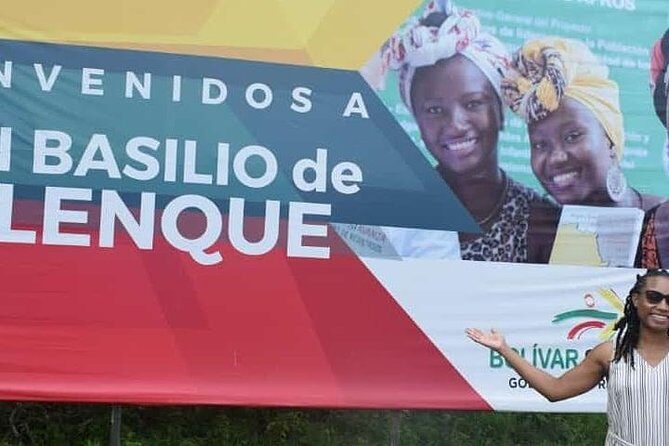
- A small group (max 10) means you’re not lost in the crowd.
- 60 km from Cartagena turns the trip into a real day out, not a quick hop.
- Afro-Colombian maroon history told through the Palenque perspective, including Domingo Biohó and the road to 1691 negotiations.
- Hands-on cultural activities like music moments, dance, boxing training, and local medicine explanations.
- Lunch included as part of the community-style welcome.
- English-speaking coordination with guides who translate the day into something you can follow.
A Day in San Basilio de Palenque From Cartagena

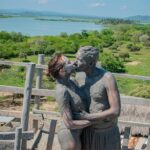
This tour takes you from Cartagena out to San Basilio de Palenque, a community about 60 km away that traces its origins to descendants of African maroons from the 1600s. The story is dramatic, but the mood of the day is human: you’re not just learning history, you’re seeing how culture survives and keeps going.
What makes Palenque special is the combination of resilience and continuity. The community formed after enslaved people fled Cartagena and its surroundings, using farming tools and firearms to carve out settlements in hard-to-reach swamp areas. Over time, they built fortresses, resisted attacks, and kept striking back along routes like the Magdalena River. The long conflict finally ended in 1691 when the King of Spain opted for negotiation and granted land for their settlements.
And then the day shifts from historical context into lived culture—music, shared meals, and local explanations you can actually interact with. If you’re the type who gets more out of people than posters, this is your kind of trip.
Other San Basilio de Palenque tours from Cartagena



Getting There: The 8:00 am Start and Real Road Time
You’ll meet at Plaza de la Aduana (Cl. 32 #130, El Centro). The start time is 8:00 am, and the tour ends back at the same meeting point.
A day trip like this lives or dies by pacing, and the logistics matter because it’s about 7 hours total. You’re leaving Cartagena early, and you’ll spend time on the road getting to Palenque and back. The tour uses an air-conditioned vehicle, which is a big help when you’re headed into heat and daylight.
In practical terms, I’d treat the ride time as part of the experience. You’re not just commuting—you’re moving through a different slice of Colombia before you reach the community itself. Bring water, keep your phone charged, and wear shoes you can walk in comfortably.
Also note the small group size (max 10). That usually means you get a bit more attention when questions pop up, and the day feels less rushed.
The Story of Domingo Biohó and the Road to 1691
The historical thread that ties the whole trip together comes early and stays with you. You’ll hear about Domingo Biohó—the mythical leader whose fierce reputation reached the Spanish governors—and about why the Spanish authorities were so alarmed. Escapes from Cartagena weren’t one-offs; they became frequent enough that governors kept reporting the problem to the Crown.
The key shift in the story is this: the fugitives didn’t only run. They transformed. They brought tools, they built towns, and they used the region’s inaccessibility to protect their freedom. From their strongholds, they moved down toward routes like the Magdalena River to attack boats carrying food, gold, and other merchandise.
Then comes the long war—almost a century—ending in 1691 with negotiation and land granted for their settlements. That date isn’t just a trivia point. It explains why Palenque exists as a community today: not as a “museum,” but as a place rooted in an agreement that recognized their presence.
To make this story land, you need a guide who can keep it clear without turning it into a lecture. Based on how the day is run, the guiding style leans practical: history tied to daily life, and explanations tied to what you’ll see and do later. That’s why names like Antonio and Alberto come up so often in the way the day feels. The best part is that they don’t just give you the timeline—they help you understand what survival and community meant in real terms.
First Contact: Music, Smiles, and That Warm Welcome
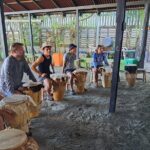
One of the memorable moments is how you’re received when you arrive. You might be greeted with music, and in some cases you’ll be encouraged to participate—yes, people can get you involved instead of watching from the sidelines.
This matters because it changes the emotional tone of the day. You arrive expecting history, and you get humanity first. You’re treated well, and you’re given a sense that you’re not trespassing into someone else’s world—you’re being invited into it for a shared day.
In the heat, small details show up too. There’s even a mention of umbrellas being brought because guides knew you’d want shade. That’s a good reminder for your packing: sunscreen, a hat, and a light layer can make the afternoon more comfortable. If it’s a warm day, you’ll feel it.
Lunch Included: Coconut Fish and the Taste of Community
Lunch is part of the package, and it’s not a generic buffet stop. You’ll eat a typical meal prepared by ladies in the community—one described meal includes coconut fish and rice.
When food is included in a tour like this, the value isn’t just the meal itself. It’s how the meal acts like a bridge. You get a shared pause during which the day stops being “the group schedule” and starts being “people together.”
If you have dietary restrictions, you’ll want to ask in advance since the menu details aren’t listed here. But if you’re flexible and curious, this is exactly the kind of included meal that makes the tour feel grounded.
Other historical tours in Cartagena
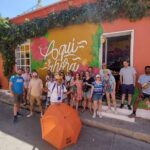

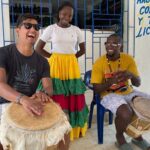
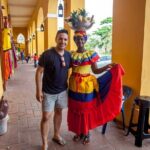
More Than a Photo Stop: Boxing Training, Dance, Medicine
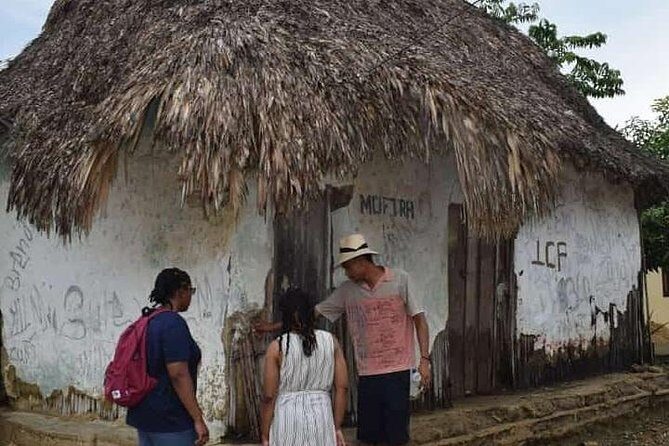
Palenque culture on this tour isn’t only cultural performances for watching. You’ll get a mix of activities that help you experience rhythms, movement, and local explanations in a more direct way.
Here’s what can be part of the day:
- Walking around town so you’re not stuck inside a vehicle all afternoon.
- Dance show as cultural storytelling through movement.
- Boxing training, which adds a surprising physical element to the day and helps explain cultural discipline beyond performance.
- Local medicine explained, giving you a window into how people understand health and remedies.
And language shows up too. You may learn some phrases in the local language that people still use in Palenque. That’s a small thing, but it’s powerful because it connects you to daily life, not just the past.
The practical upside: these activities keep the day from feeling repetitive. The learning stays active, not passive. The downside: you’ll be on your feet and in the sun, so plan for that in your pace and hydration.
What the Guides Actually Do: Alberto, Antonio, Roberto, and Vanessa
Guides are the difference between seeing Palenque and understanding it. From what the day looks like, you might travel with a driver and a lead guide, and then you’ll meet a local guide who anchors the community portion.
Names that come up include:
- Alberto, who leads and explains with care.
- Antonio, a Palenque local guide who’s friendly and deeply informed about history and people.
- Roberto, who may handle the transport-to-context parts of the day, also sharing background during the drive.
- Vanesaa/Vanessa, who takes photos during the activities and helps document the day.
- Alfonso, the driver in at least one example.
Even if your guide lineup differs, the pattern matters: you get translations and explanations built for an English-speaking group, and you’re encouraged to ask questions. It also helps that the day feels organized without feeling stiff. You’re not herded through checklists—you’re guided through moments.
One extra note I like: the guides bring small foresight, like shade solutions. That attention makes the cultural portion easier to enjoy, especially on warm days.
Price and Value: Is $111 Worth It?
At $111 per person, this isn’t a bargain bus tour. But it also isn’t priced like a luxury experience. For a day trip that includes transportation (air-conditioned vehicle), a typical lunch, and guided cultural programming in a small group, it starts to make sense.
Here’s what you’re really paying for:
- Time and logistics to cover a 60 km journey and keep the day coherent.
- Community-led hospitality, including lunch and interaction.
- A local guide’s context, especially for the historical narrative tied to Palenque’s origins.
- Activities, not just a drive-by visit.
If you’re comparing this to a typical day built around Cartagena nightlife or a beach day, I’d frame it like this: Palenque costs more than a self-guided excursion, but you’ll come away with meaning faster. The day is structured to help you connect the history (maroon resistance, settlement, negotiation in 1691) to culture you can see in front of you (music, dance, boxing training, local medicine explanations).
Also, free cancellation up to 24 hours before the start time can lower the risk if weather looks questionable. This tour does require good weather, so having flexibility matters.
Timing and What to Expect During the 7 Hours
The tour runs about 7 hours. That’s long enough to feel like a real excursion, but not so long that the day becomes a blur.
Expect a rhythm like:
- Early departure from Cartagena.
- A drive where background context is shared.
- Arrival and a community welcome.
- Lunch during the main part of the day.
- Activity blocks (walk, shows, training explanations).
- Return to the meeting point.
Because the day is structured, you won’t spend your energy on figuring out what comes next. Still, you should mentally plan for heat, walking, and sitting outside depending on the day’s flow.
The tour also lists moderate physical fitness as the expectation. That doesn’t mean athletic. It means: if you get tired easily with walking in warm conditions, this may take more effort than you want.
Who This Tour Fits Best (and Who Might Prefer Something Else)
This is a strong match if you want:
- Culture that’s hands-on, not only staged.
- A clear historical thread tied to real community life.
- A small group experience (max 10) that feels personal.
It also helps if you enjoy learning from local guides who explain history with examples you can picture. If you like your travel grounded in people, Palenque delivers.
I’d consider skipping or choosing another option if you:
- Have trouble with long walking or heat.
- Want a slower pace with more downtime.
- Prefer a trip that stays mostly indoors or involves minimal physical activity.
Quick packing and comfort tips (so the day feels good)
This isn’t about fancy gear. It’s about making the heat and activity manageable:
- Comfortable walking shoes.
- Sunscreen and a hat.
- A light layer in case you’re transitioning between sun and shade.
- Refillable water. You’ll feel better if you stay ahead of thirst.
Since umbrellas have been used to help in the heat, assume shade is something you’ll value.
Should You Book This Saint Basil of Palenque Tour?
Yes, I’d book it if you want a meaningful day that connects Afro-Colombian maroon history to daily culture you can experience directly. The combination of a small group, guided translation in English, community-style lunch, and active cultural programming (dance, music, boxing training, local medicine explanations) makes it better than a typical sightseeing day.
But be honest with yourself about the trade-offs. It’s a 7-hour outing that depends on good weather and expects moderate fitness. If those points fit your travel style, this is one of the most purposeful ways to do a day trip from Cartagena.
If the timing works and you’re curious about San Basilio de Palenque, you’ll likely come away with more than photos—you’ll come away with context.
FAQ
How long is the Saint Basil of Palenque tour?
The tour lasts about 7 hours.
What time does the tour start and where do I meet?
It starts at 8:00 am at Plaza de la Aduana, Cl. 32 #130, El Centro, Cartagena de Indias, and it ends back at the meeting point.
Is the tour offered in English?
Yes, the tour is offered in English.
What’s included in the price?
It includes an air-conditioned vehicle and a typical lunch, and you’ll receive a mobile ticket.
How many people are in the group?
The tour has a maximum of 10 travelers.
Is there a fitness or weather requirement?
Travelers should have a moderate physical fitness level, and the experience requires good weather. If it’s canceled due to poor weather, you’ll be offered a different date or a full refund.