REVIEW · CARTAGENA
PADI Open Water Diving Course
Book on Viator →Operated by Buzos de Baru · Bookable on Viator
First time underwater can feel like a lot. This PADI Open Water course is built to make it feel manageable, starting with online study, then skills in a controlled hotel pool, and only later heading out to sea from Baru Island.
What I like most is how structured it is, with a clear split between knowledge, confined-water practice, and open-water sessions. I also like the instructor focus: you get a PADI instructor with you underwater, and the training emphasizes being patient and thorough. One drawback to consider is that the course needs good weather, so a plan shift can happen if conditions aren’t right.
In This Review
- Key Highlights You’ll Care About
- Cartagena and Baru Island: Why This Course Feels Practical
- Day 1 (and Maybe Day 0): Online Knowledge Development Done Your Way
- Confined-Water Skills in a Caribbean Hotel Pool: Learn Without Panic
- Open-Water Sessions on Baru Island: What a First Sea Day Really Looks Like
- Safety, Attention, and Small-Group Training (Max 6)
- Timing, Meeting Point, and How to Plan Your Day
- What the Price Really Covers (and Why It Can Be Good Value)
- Who This Course Suits Best (and Who Might Reconsider)
- Practical Checklist: Getting the Most From Your Three Days
- Should You Book This Course in Cartagena?
- FAQ
- Is the PADI Open Water course offered in Cartagena and on Baru Island?
- How long is the course?
- What does the course include?
- Where do we meet, and what time does the open-water part run?
- What group size should I expect?
- What happens if the weather is bad or you need to cancel?
Key Highlights You’ll Care About
- Three-phase structure: online study, pool skills, then open-water sessions on Baru Island
- Small group size (max 6), which helps you get more attention during skills practice
- Instructor stays with you underwater, so you can build confidence with real support
- Comfort-first progression in the Caribbean hotel pool before you go out to sea
- Baru Island site variety: a large island with 30+ sites, plus sea life and reefs
Cartagena and Baru Island: Why This Course Feels Practical
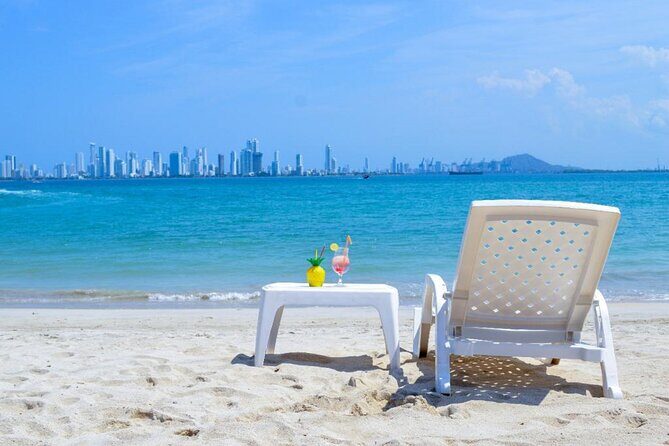
Cartagena is an easy place to start scuba training because it’s set up for tourists and logistics run smoothly. The bigger win, though, is the way this course handles your confidence. You don’t rush from classroom to open water. You build skills in a controlled setting first, and only then move to open-water sessions around Baru Island.
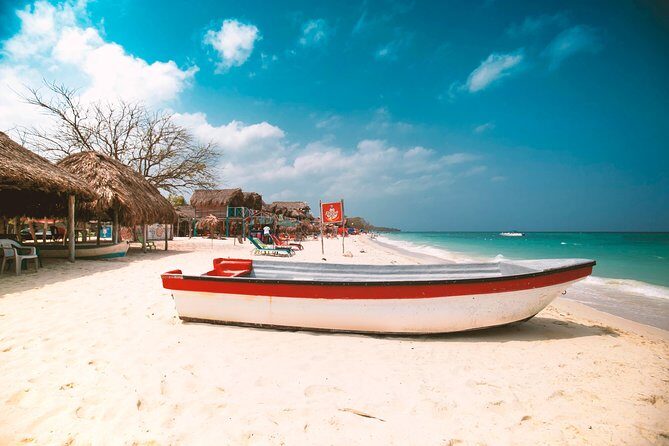
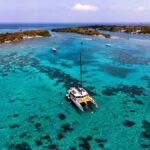
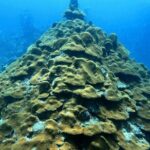
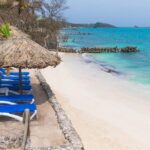
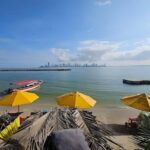
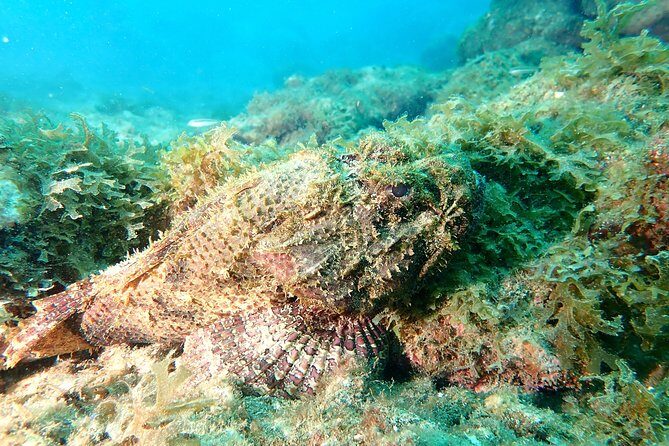
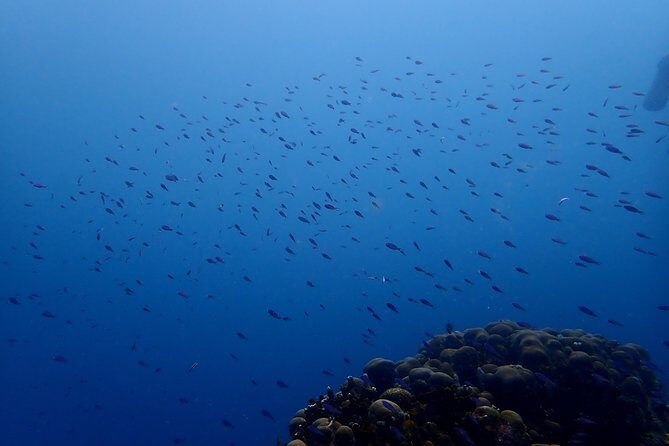
Baru Island is also a strong choice for first-timers because the water tends to be very comfortable, and visibility is often excellent most of the year. You’ll see a range of fauna and flora, and the sea offers enough variety that the days don’t feel repetitive. People go into this kind of course hoping for one great outing; here you get multiple chances to practice while still seeing wrecks and reefs.
The course runs about three days, and that’s a good length for people who want certification without turning vacation into a long school term. The daily window for the open-water part is early—7:00 AM to 1:30 PM—so you’ll feel the day plan clearly.
Other diving and scuba courses in Cartagena
Day 1 (and Maybe Day 0): Online Knowledge Development Done Your Way
The course begins with Online Knowledge Development. You’re given digital study material with videos, then you join a doubt class with the instructor. This is where you learn the fundamentals of autonomous underwater diving—how the equipment works, how to handle common situations, and how to think like a safe diver.
You do have flexibility here. If you buy the course with enough time ahead of travel, you can receive the study material before you arrive in Cartagena. In that best-case scenario, your trip becomes lighter: you arrive and spend most of your energy on the pool and open-water sessions. If you don’t have that lead time, plan on dedicating 1 to 2 full days to online study and the question session.
Either way, I think this format is a smart tradeoff. You get the structure of PADI’s system, but you also avoid wasting open-water time on theory. If you’re the type who concentrates fast with videos, you’ll likely move through the online part efficiently.
Confined-Water Skills in a Caribbean Hotel Pool: Learn Without Panic
Next comes Confined Waters in the hotel pool in the Caribbean area. This is the stage that makes a first course feel doable. You practice core scuba skills in a controlled environment where you can repeat movements, ask questions, and get comfortable with buoyancy and breathing.
The training point here is not just learning steps—it’s learning how your body responds. In a pool, you get immediate feedback, and you can focus on the right habits without the added variables of waves, current, and boat movement.
This also helps if you’re nervous. The course doesn’t throw you into the sea until you feel comfortable in the water in that controlled setting. That matters because anxiety can turn basic skills into a chore. With pool practice, you get the muscle memory first, then the ocean becomes the place to apply what you already practiced.
And yes, it’s still serious training. Safety and technique are part of every step, but the pool setting keeps the stress level lower while you’re still building confidence.
Open-Water Sessions on Baru Island: What a First Sea Day Really Looks Like
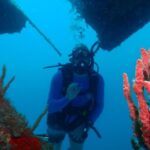
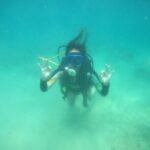
Once you’re ready, you head to Baru Island for open-water sessions. The schedule is two days, with two underwater sessions per day, for four total sea sessions. The pace is active, but the structure keeps it from feeling like a marathon.
You’ll be underwater with the PADI instructor the whole time, which is a huge comfort factor for first-timers. Even if you already feel excited, having that direct support means you can focus on enjoying the experience rather than second-guessing every movement.
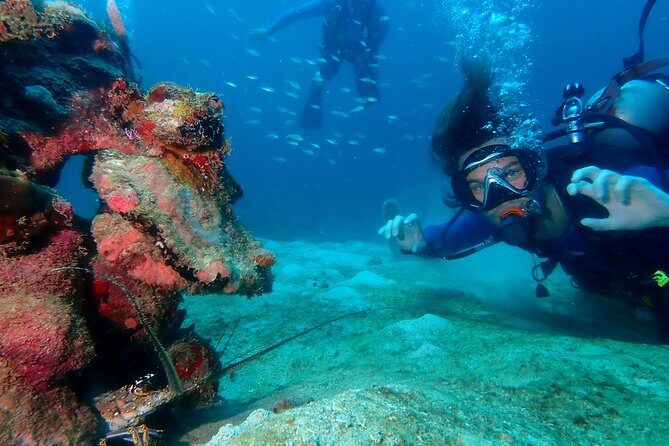
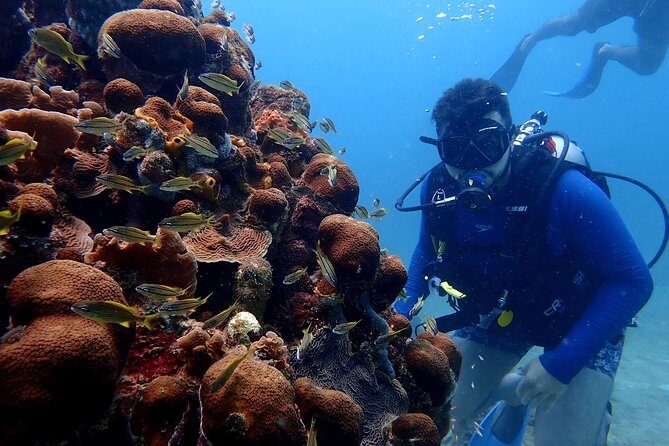
In terms of what you might see, the course experience includes excellent chances of meeting sea life and plant life—there’s a great variety mentioned for the island’s waters. You’ll also have opportunities around wrecks and reefs, which is a big part of why people sign up for a Caribbean open-water day in the first place. Visibility being excellent most of the year helps a lot, because you’ll spend less time squinting and more time actually looking.
Practical tip from how these courses typically land: your first open-water sessions will probably feel fast. Don’t worry if it takes a little time to feel natural. The goal at this stage is competence and safety, not speed or perfect calm poses for photos.
Safety, Attention, and Small-Group Training (Max 6)
This is the part that keeps earning high marks: safety precautions and an instructor who stays on top of your skills. The course format is built around a close instructor-to-student relationship, and the group size is capped at 6 travelers. Smaller groups matter because feedback is faster and you’re less likely to get parked at the edge while others go through the motions.
From the way the experience is described, the instructors are attentive, patient, and thorough. That combination is rare in a busy travel environment. It means you’re not just being taught the movements—you’re being guided until you understand them and feel ready.
If you’re learning from scratch, you’ll appreciate what that means: you’ll spend less time guessing, and more time practicing with corrections. If you already have some comfort with water, you’ll still benefit because the course trains safe technique and gives you structure.
Other scuba diving tours in Cartagena
Timing, Meeting Point, and How to Plan Your Day
You start at Cartagena Nautical Club on Calle 24 entre, Cra. 18b #y 20, Cartagena de Indias, Bolívar, Colombia. The good news is that it’s near public transportation, so you’re not forced into expensive taxi runs for every step.
The open-water portion runs early, from 7:00 AM to 1:30 PM, so plan your mornings accordingly. This isn’t a “sleep in and stroll over” activity, and that’s okay. You’ll get a full training block while the day is still fresh.
The activity ends back at the meeting point, so you don’t need to figure out a complicated ending plan. That makes it easier to keep your other Cartagena plans intact.
What I’d do if you’re building a trip around it:
- Put flexible plans the day before you start, since online study might take time.
- Don’t schedule anything stressful right after the morning training ends.
- Bring items for sun and water exposure, because even if you’re learning, you’ll still be outside.
What the Price Really Covers (and Why It Can Be Good Value)
The price is $600.00 per person for a course that runs about three days. At first glance, that number can feel steep, especially if you’ve never paid for a certification course.
But here’s the value math as I see it:
- You’re paying for a structured PADI program with online knowledge material and a doubt class.
- You get pool skills training before any open-water sessions.
- You get four sea sessions with a PADI instructor underwater.
- You’re capped at a small group size (max 6), which usually means more attention and better learning flow.
Certification courses are expensive partly because the instructor time is expensive. In this setup, you’re not just getting a single activity—you’re getting multiple training stages, and the instructor is with you when it counts most, underwater.
Also, the course has a strong satisfaction signal: a 4.7 rating across 15 reviews, with 93% recommending it. That’s not a guarantee, but it does suggest the program quality is consistent.
If you want to shop around, compare what’s included in the sea training days—some cheaper options shortcut the number of supervised sessions. In this case, you know you’re getting two open-water days with two sea sessions each.
Who This Course Suits Best (and Who Might Reconsider)
This course works well if you:
- Want PADI Open Water certification in about three days.
- Prefer learning step-by-step, starting in a pool before open water.
- Appreciate close guidance, especially if you’re a little nervous.
- Like the idea of seeing reefs, wrecks, and lots of sea life while learning.
It might not be the best fit if you:
- Hate early mornings. The open-water days start at 7:00 AM.
- Are traveling without time for online study. If you can’t get the material in advance, you’ll need more time at the front end for the online portion.
- Have a schedule that can’t handle weather-related changes. The experience requires good weather.
The good news is that “most travelers can participate.” So if you’re in decent health and comfortable learning new equipment habits, you’ll likely be a good candidate.
Practical Checklist: Getting the Most From Your Three Days
I can’t tell you exactly what you’ll need beyond what’s standard for a scuba certification, but I can tell you where people usually lose time or comfort. Plan for:
- Early start readiness for the open-water days.
- Sun protection for boat and deck time.
- Being ready to practice skills repeatedly in the pool before you go to open water.
Also, be honest with yourself about pacing. If you go into the course expecting to rush through, you might feel frustrated. If you go in expecting repetition and coaching, you’ll do well.
The experience is designed so you can build competence fast. It just takes cooperation from your side: listen closely, practice steadily, and ask questions during the doubt class and pool sessions.
Should You Book This Course in Cartagena?
I’d book this PADI Open Water course in Cartagena with Buzos de Baru if you want a structured start, small groups, and real instructor support as you transition from pool skills to open-water sessions around Baru Island. The pool-first method is the standout feature, and the format makes it easier to turn first-time nerves into real confidence.
If you’re trying to decide based on price, I’d see the $600 as paying for instructor time across multiple stages, plus four supervised sea sessions. That’s the part that matters for safety and learning.
Just make sure your schedule can handle early mornings and that you’re comfortable with the weather-dependent nature of sea training. If that fits, this is a strong way to earn your Open Water certification while also getting a memorable taste of the reefs and wrecks off Baru.
FAQ
Is the PADI Open Water course offered in Cartagena and on Baru Island?
Yes. The course starts in Cartagena and includes pool practice in a hotel setting, followed by open-water sessions on Baru Island.
How long is the course?
It runs for about 3 days.
What does the course include?
It includes online knowledge development with digital study material and a doubt class, confined-water skills practice in a pool, and two open-water days with four total sea sessions (2 sessions per day), with a PADI instructor present underwater.
Where do we meet, and what time does the open-water part run?
The start meeting point is Cartagena Nautical Club (Calle 24 entre, Cra. 18b #y 20, Cartagena de Indias). The open-water sessions run from 7:00 AM to 1:30 PM.
What group size should I expect?
The activity has a maximum of 6 travelers.
What happens if the weather is bad or you need to cancel?
The experience requires good weather. If it’s canceled due to poor weather, you’ll be offered a different date or a full refund. You can cancel for a full refund up to 24 hours before the experience’s start time.