Clockwork history and street art, in one walk. This private route stitches together Torre del Reloj with Getsemaní murals and major colonial-era squares, all in about 2 to 3 hours. I love how the walk feels like a guided map through Cartagena’s layout, and I also like that you hit big landmarks without it turning into a rushed checklist. One watch-out: you’ll be on your feet the whole time, and the Palacio de La Inquisición museum ticket is not included.
I also like the private setup: only your group walks, so it’s easy to ask questions and keep a steady pace. The guide is typically on time and well prepared, with lots of city and history context that makes each plaza make sense. The meeting point is in El Centro, near public transportation, which helps if you don’t want to guess where to park.
In This Review
- Key highlights worth planning around
- Enter Cartagena Through Torre del Reloj
- Plaza de Los Coches and Plaza de la Aduana: Public Power, Public Pain
- Plaza de San Pedro Claver: Where Cartagena Recorded a Moral Stand
- Catedral Santa Catalina de Alejandría: One of the Oldest Churches in America
- Palacio de La Inquisición: A Dark Chapter You Can Still See Clearly
- Las Bóvedas: Old Military Rooms Now for Craft Shopping
- Plaza de La Trinidad: Getsemaní’s Social Heart
- Barrio Getsemaní: Murals, Banners, and the City’s New Voice
- Price and pacing: Is $60 per person good value?
- Who this private tour fits best
- Should you book this Private Walking Tour in Cartagena?
- FAQ
- How long is the Private Walking Tour in Cartagena?
- What is the price per person?
- Is this tour private?
- Where does the tour start?
- Where does the tour end?
- What is included in the tour price?
- Are admission tickets included?
- Is private transportation included?
- Are service animals allowed?
- What is the cancellation policy?
Key highlights worth planning around
- Torre del Reloj as the anchor point between the Historic Center and Getsemaní
- Plazas with purpose including Plaza de Los Coches and Plaza de la Aduana
- A thoughtful shift from empire to humanity at Plaza de San Pedro Claver
- Catedral Santa Catalina de Alejandría with included admission
- Las Bóvedas inside the walls now used for crafts and souvenirs
- Getsemaní street-art walking from Plaza de La Trinidad through Barrio Getsemaní
Enter Cartagena Through Torre del Reloj
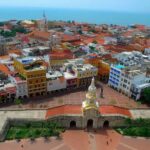
Your tour starts at Torre del Reloj, the yellow clock tower that acts like the main doorway into the walled city. Built in the 17th century, it’s not just pretty. It’s a real clue to where you are, because it sits at the transition between Getsemaní and the Historic Center.
From the steps and surrounding streets, your guide can frame what you’re about to see: colonial architecture, civic squares, and the way Cartagena organized power in public spaces. If you like getting your bearings fast, this is a smart first stop because the clock tower gives the day structure. Plan on spending around 20 minutes here, with free admission—so you’re not spending time buying anything before you start walking.
A practical note: this is a great spot to orient yourself visually. If you’re the type who likes photos, this is where you’ll want them, because the tower is the clearest landmark for your whole route.
Other walking tours we've reviewed in Cartagena


Plaza de Los Coches and Plaza de la Aduana: Public Power, Public Pain
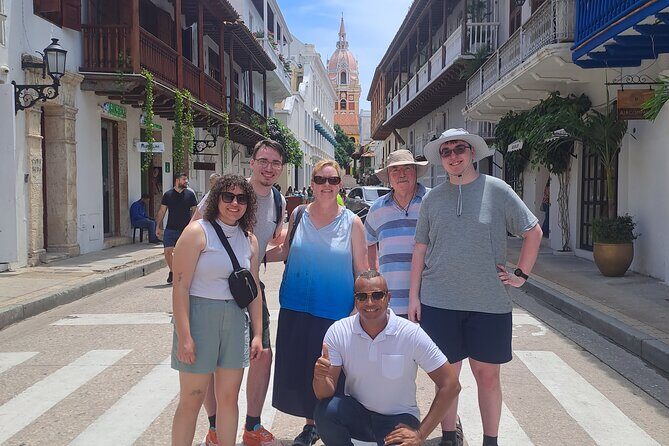
Just past the clock tower, you’ll reach Plaza De Los Coches, a small square with a heavy backstory. This area was once used as a slave market, and today it’s surrounded by colorful colonial buildings, plus cafes and shops. The contrast is part of what makes this stop hit. You’re standing in a place where commerce and cruelty were intertwined, then looking at the everyday life that replaced it.
Next comes Plaza de la Aduana, the largest square in Cartagena. It was once the site of Casa de la Aduana, the seat of colonial government. Now it functions as a public gathering space for cultural events, which changes the mood from administrative power to community life.
This is where a good guide really matters. With the right explanation, you start noticing how squares were designed for visibility—politics and people could be watched, announced, and managed. You’ll likely spend about 10 minutes at Plaza de Los Coches and around 20 minutes at Plaza de la Aduana. Admission is included at both stops, so you can stay focused on the stories instead of the logistics.
What I’d watch for: if you prefer only light sightseeing, these plazas may feel emotionally intense. But they also make Cartagena more honest, and that’s why this route is worth your time.
Plaza de San Pedro Claver: Where Cartagena Recorded a Moral Stand
Then you head to Plaza de San Pedro Claver, dedicated to Saint Peter Claver, often called the Apostle of the Slaves. The square includes the church of the same name and a statue honoring his life’s work protecting African slaves.
This stop works well because it shifts the lens. Up to now, you’ve been dealing with how colonial power operated. Here, you get a human response—an individual centered on moral action rather than institutional control. That change in perspective keeps the tour from feeling one-note.
Plan for about 20 minutes here. Admission is free, which makes it easy to slow down and read the details you see in the church area and around the statue. If you like learning through symbolism—statues, church dedications, and place names—this is one of the most meaningful stops.
Catedral Santa Catalina de Alejandría: One of the Oldest Churches in America

From there, you’ll move to Catedral Santa Catalina de Alejandría, one of the oldest churches in America. The cathedral’s colonial architecture is the main event, but the real value is how it connects faith, art, and the city’s colonial identity in a single building.
Expect about 15 minutes at the cathedral, with admission included. This isn’t just a photo stop. Your guide’s job is to help you notice the features that make it feel timeless—how the structure reads from inside, and what details reflect the period when Cartagena’s religious life was tied to the colonial order.
If you’re sensitive to crowds or prefer quiet spaces, you may want to keep your pace flexible here. But in general, a cathedral stop is a great reset point during a walking tour, because it lets you step away from the street for a bit.
Palacio de La Inquisición: A Dark Chapter You Can Still See Clearly
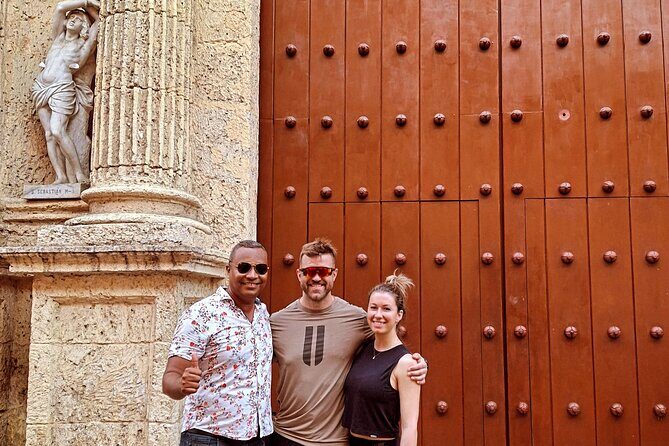
Next is Palacio de La Inquisicion, where you’ll do a panoramic visit of the colonial building with its baroque façade. This was the center of operations of the Spanish Inquisition in Cartagena, and today it houses a museum that explores this dark part of history.
Important budget note: the museum ticket is not included. So if you want to go beyond the exterior and get the full museum context, you’ll need to pay separately. Your guide can help you decide how much time to spend based on your interests, but the key thing is to be aware of this cost before you reach the stop.
Plan for about 10 minutes on the main visit portion. The value here comes from context. Places like this can turn into generic “historic building” sightseeing if you don’t get the why. On a good tour, the guide ties the Inquisition to the broader story of control—who had power, what was feared, and how institutions shaped daily life.
If this topic feels heavy for you, that’s okay. The good news is that the pacing is short, so you’re not stuck here all morning.
Other private tours in Cartagena



Las Bóvedas: Old Military Rooms Now for Craft Shopping

After the Inquisition stop, you’ll reach Las Bóvedas, structures originally built as military depots and prisons. Today, they’re filled with craft and souvenir shops, all inside the city walls.
This is one of my favorite kinds of travel moments: when you can stand in the footprint of strict, guarded spaces and see them repurposed for everyday commerce. It doesn’t erase the past, but it adds a layer of how Cartagena has evolved and reused its architecture.
You’ll spend about 20 minutes here. Admission is free, so you can browse without feeling like you’re burning money on entries. If you shop for small locally made items, this is a convenient spot because it’s all in one cluster. If you’re not shopping, it still works because the setting is unusual. It’s not a museum hall; it’s a living market environment.
One practical tip: keep an eye on your walking rhythm after Las Bóvedas. The shops can encourage lingering, so if you have a tight schedule for the rest of the day, tell your guide and you can adjust.
Plaza de La Trinidad: Getsemaní’s Social Heart
Now the tour shifts from the formal civic and religious spaces into the feel of Getsemaní. You’ll stop at Plaza de La Trinidad, described as the heart of the neighborhood and known for its bohemian atmosphere with bars and restaurants around it.
This is where Cartagena’s personality gets louder. If you’ve only seen the Historic Center’s grand facades, this plaza helps balance the day with street life and local hangouts. It’s also a nice way to cool down your brain after the heavier historical stops, because the vibe here is about people enjoying the moment.
Expect about 20 minutes here, and admission is included. Your guide can help you read the neighborhood through what you see: how the plaza functions as a meeting point and how the surrounding businesses shape how visitors and locals use the space.
Barrio Getsemaní: Murals, Banners, and the City’s New Voice
The final stretch walks through Barrio Getsemaní, famous for colorful murals and banners hanging between houses along narrow lanes. This is the part of Cartagena that feels more contemporary, more personal, and more street-level than the cathedral or the plazas.
You’ll spend about 20 minutes here, with free admission. The best value of this stop is how the art changes what you think the city is. You get to see a different kind of storytelling: not through official plaques and church dedications, but through painted walls and everyday decorations that show local identity in real time.
I’d recommend you slow down on this section. It’s easy to walk through murals like background scenery. If you pause, look up, and let your guide point out patterns and meanings you might miss, the neighborhood section becomes one of the most memorable parts of the tour.
Price and pacing: Is $60 per person good value?
At $60 per person, this tour sits in a mid-range spot for a private walking experience. What makes it feel fair is what comes included and how efficient the route is: bottled water is included, all fees and taxes are covered, and several stops include admission while others are free to enter.
If you were doing the same route on your own, you’d likely spend time figuring out what requires tickets and what doesn’t. Here, the tour design keeps you moving between landmarks while handling most entries for you. The one clear exception is the museum ticket at the Palacio de La Inquisición, which is not included.
Duration is about 2 to 3 hours, and it’s a walking format. That pacing tends to work best for people who want a guided overview without committing an entire day. Also, this tour is often booked around 19 days in advance, so if you’re traveling in a busy season, plan to reserve early rather than waiting for last-minute freedom.
Who this private tour fits best
This is a strong choice if you want a focused way to connect Cartagena’s major sights. The route covers the Historic Center’s civic and religious anchors, then shifts into Getsemaní street life with murals and neighborhood atmosphere.
It also works well for history-minded visitors who like explanations tied to real places. A key positive from past tours is the guide’s punctuality and solid preparation, along with plenty of city and history context that helps you understand why each stop matters.
You might skip this tour if you dislike walking for 2 to 3 hours or if you know the Inquisition museum topic will feel too intense. And if you’re looking for a long, food-centered day, this is more of a sights-and-stories walk than a meal tour.
Good to know: the tour allows service animals, and it says most people can participate. It’s also near public transportation, which helps you build an easy day plan around it. Private transportation isn’t included, so you’ll plan your own way to the meeting point.
Should you book this Private Walking Tour in Cartagena?
I think you should book it if you want structure, context, and a clear route that covers Cartagena’s most important public spaces plus Getsemaní. The price makes sense because water and most admissions are handled, and the private format gives you room to ask questions instead of listening from a distance.
Book ahead if your dates are fixed, since it’s commonly reserved about 19 days in advance. And if you’re budget-minded, remember the Palacio de La Inquisición museum ticket is not included, so decide before you arrive whether you want to pay for the museum portion.
If you want Cartagena to feel real—streets with layers, not just monuments—this walking tour is a smart way to get that.
FAQ
How long is the Private Walking Tour in Cartagena?
It lasts about 2 to 3 hours.
What is the price per person?
The price is $60.00 per person.
Is this tour private?
Yes. It’s private, and only your group participates.
Where does the tour start?
It starts at Cl. 32 #8202, El Centro, Cartagena de Indias, Provincia de Cartagena, Bolívar, Colombia.
Where does the tour end?
It ends back at the meeting point.
What is included in the tour price?
Bottled water and all fees and taxes are included.
Are admission tickets included?
Admission tickets are included for several stops, while the museum ticket for Palacio de La Inquisición is not included.
Is private transportation included?
No, private transportation is not included.
Are service animals allowed?
Yes, service animals are allowed.
What is the cancellation policy?
You can cancel for a full refund up to 24 hours before the experience starts. Changes within 24 hours aren’t accepted.