REVIEW · CARTAGENA
Experience at the First Free Slave Village of Palenque
Book on Viator →Operated by Black Travel Tours · Bookable on Viator
Freedom lives on in Palenque. This San Basilio de Palenque trip is a powerful, carefully guided look at Colombia’s first free slave community, tied together by story-led stops and plenty of time to take it in. I especially like the moment at the Monumento a Benkos Biohó, where the guide brings the leader and anti-slavery legacy into focus in a short, photo-friendly stop.
Second, I love how the day shows culture as something you can feel, not just read about. At Tienda Depósito SIMANKONGO, you’re guided through music and instruments and you get a real sense of how traditions survive and matter in everyday life. It’s a smart contrast to the more solemn historical stops, and it keeps the day from turning into a lecture marathon.
One thing to consider: it’s an 8 hours 20 minutes full-day format with multiple short stops. If you prefer slow walking time and deep, long explanations at fewer locations, this may feel a bit “see a lot” rather than “linger in one place.”
In This Review
- Key highlights worth your attention
- Morning Pickup and the Ride That Sets the Tone
- Cartagena to Palenque: First Free Town in the Americas
- San Basilio de Palenque’s Key Sites: A Guided Town Snapshot
- Benkos Biohó Monument: The Anti-Slavery Story, Up Close
- Kid Pambele Square: Culture Through Sport
- Ancestral Medicines and Healing Knowledge
- Tienda Depósito SIMANKONGO: Instruments, Music, and Living Tradition
- Murals, Graffiti, and Palenque Lettering for Your Best Photos
- Restaurante el sazón de la negra: Lunch With Local Flavor
- Returning to Cartagena: Ending Where You Started
- Price and Value: Why $120 Can Make Sense
- Who This Tour Suits Best (and Who Should Think Twice)
- Should You Book This Palenque Day Trip?
- FAQ
- How long is the Palenque experience from Cartagena?
- Do I get picked up from my hotel in Cartagena?
- What time does the tour start?
- What’s included in the $120 price?
- Is the tour offered in English?
- Is free cancellation available?
Key highlights worth your attention
- Benkos Biohó is the emotional anchor of the day, with a dedicated monument stop and guided context
- Afro-Colombian culture is taught through sound, not only dates and facts, at Tienda Depósito SIMANKONGO
- You get photo time without rushing the core story, with multiple short stops for murals, lettering, and key landmarks
- Music, traditions, and even healing-medicine knowledge are part of the experience, handled in a respectful visit format
- Lunch is included at Restaurante el sazón de la negra, so you won’t have to plan meals on the fly
- Group size is capped at 100, and the tour runs with an air-conditioned vehicle and bottled water
Morning Pickup and the Ride That Sets the Tone
This tour starts early, because Cartagena mornings are when the day feels easiest. You’ll either be picked up at your hotel or meet at the group start point at the Monumento Torre del Reloj, Boca del Puente in El Centro. Either way, expect a pickup window that begins around 7:00 am, with the experience starting at 8:00 am.
The drive from Cartagena to Palenque is about one hour. That travel time matters more than you might think: it gives you a buffer to settle in, get oriented, and shift your mindset from beach-city Cartagena to a community-centered visit in San Basilio de Palenque.
You travel in an air-conditioned vehicle, and the tour includes bottled water. In the Caribbean heat, that’s not a small detail. It keeps the day comfortable enough that you can focus on what you came for.
Practical tip: bring a camera and a phone with enough battery. The day is built for photos, but you’ll want to be able to actually use them in bright light.
Other San Basilio de Palenque tours from Cartagena


Cartagena to Palenque: First Free Town in the Americas
The day’s first “stop” is really the transition. You head out of Cartagena and into Palenque, introduced as the first free town in Latin America, which sets the historical frame for everything that follows.
This matters because the tour doesn’t treat Palenque like a theme park. The point is to understand a community’s resilience and identity, and the early context helps you read the rest of the itinerary with clarity. You’re not just hopping between landmarks—you’re being guided through how people preserved culture across generations.
Also, everything about the Palenque portion is positioned as admission ticket free. That means you’re not spending time and money figuring out separate entrances. It’s one less hassle day.
San Basilio de Palenque’s Key Sites: A Guided Town Snapshot
Once you arrive, the tour begins with a guided walk through San Basilio de Palenque’s emblematic sites. This is the general orientation part of the day: where the guide helps you understand what’s important, what you’re looking at, and why it connects to Palenque’s story.
You get about one hour here. That’s enough time to understand the shape of the place and to get your bearings. It’s also a good chance to ask the guide the kind of questions you can’t easily Google once you’re standing on the ground.
Then the itinerary shifts from “town overview” into “individual story moments,” and that’s where the emotional impact increases.
Benkos Biohó Monument: The Anti-Slavery Story, Up Close
One of the most memorable stops is the Monumento a Benkos Biohó. You’ll spend about 20 minutes there—long enough for context, short enough to keep the pace moving through the day.
The guide provides a historical review of Benkos Biohó’s life and legacy, and you’ll have time for photos. Even if you’re not a history superfan, this is where the day gets its spine. The monument stop turns the wider theme—freedom and resistance—into something specific and human.
Practical approach: listen first, then take photos. The guide’s explanation is the “why.” Photos are the “where.” If you do both, you’ll get far more out of the picture later.
Kid Pambele Square: Culture Through Sport
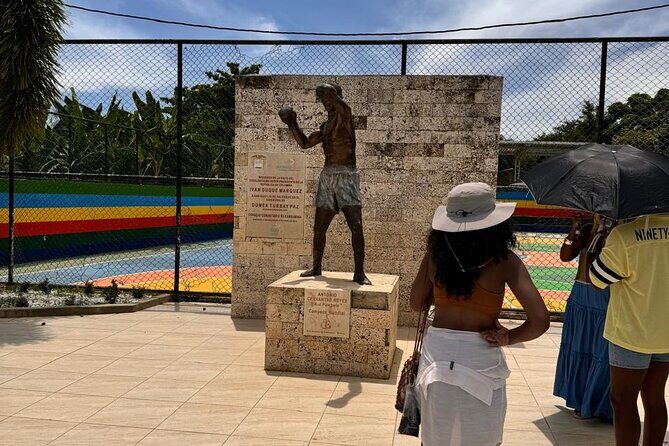
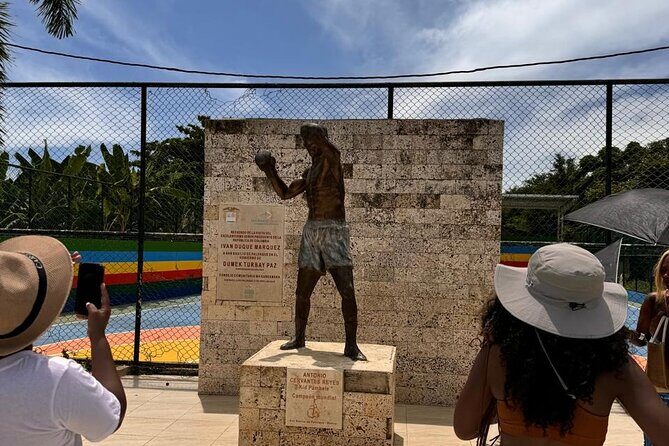
Next comes another quick but interesting stop in San Basilio de Palenque: the square associated with boxer Antonio Cervantes, better known as Kid Pambele.
You’ll spend about 20 minutes here, and the guide shares a historical review tied to his recognition worldwide as an elite junior welterweight. It’s not just trivia. It shows how Palenque’s cultural presence extends beyond one domain, and how community pride can travel outward.
This stop is also a nice tonal break. After the Benkos Biohó material, a sports-and-identity story feels like a natural reset.
Tip: if you’re traveling with friends who think history tours are always heavy, this stop can be the one that brings them along. It’s still meaningful, just more accessible in tone.

Ancestral Medicines and Healing Knowledge
Then you’ll head to a place described as magical and wonderful, where you can appreciate ancestral and healing medicines for every occasion and learn about the mystical history of the location.
This segment lasts about one hour. It’s a longer stop than the monument or square, so it’s meant to be received with attention, not just checked off.
Important note: ancestral medicines are not included. That matters because you may be offered items or experiences related to that theme on-site, but you shouldn’t expect anything automatic. Treat it as part of cultural understanding—what you see and hear is the main value here.
My advice: go in with respectful curiosity. This isn’t the kind of stop where you’ll get value by comparing it to “Western medicine” frameworks. The tour language points to traditions, memory, and belief systems, and that’s what you should focus on.
Tienda Depósito SIMANKONGO: Instruments, Music, and Living Tradition
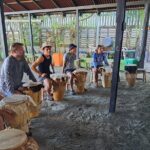
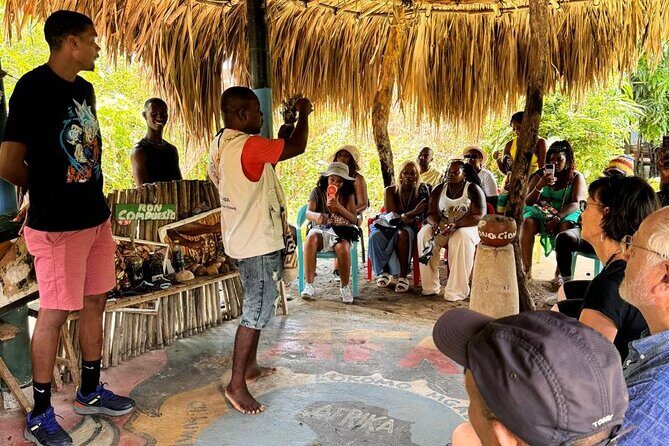
The cultural core of the day is the visit to Tienda Depósito SIMANKONGO, described as a House of Instruments.
You’ll spend about one hour here, and the guide frames it as a cultural institution that promotes, disseminates, and rescues the values and customs of Palenquero people through music. That’s a big concept, but you can feel how it works in a practical way: you’re not only hearing about traditions—you’re experiencing them as something active.
From the experience design, this stop is meant to do two things:
- Balance the historical weight of the Benkos Biohó and resistance material
- Show culture as ongoing, not trapped in the past
If you love music or you want a more human, sensory side of Afro-Colombian heritage, this is one of the strongest reasons to book.
Murals, Graffiti, and Palenque Lettering for Your Best Photos
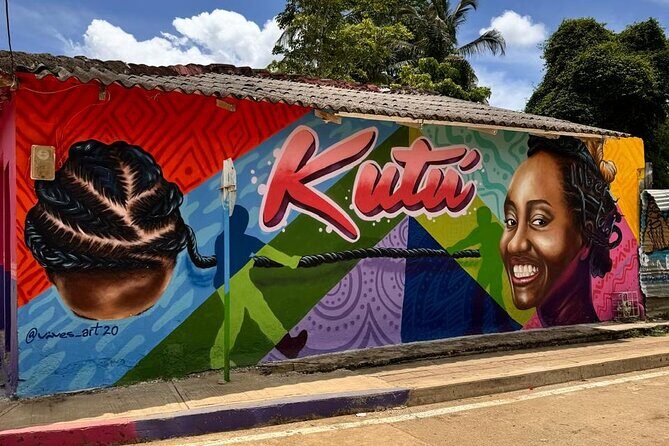
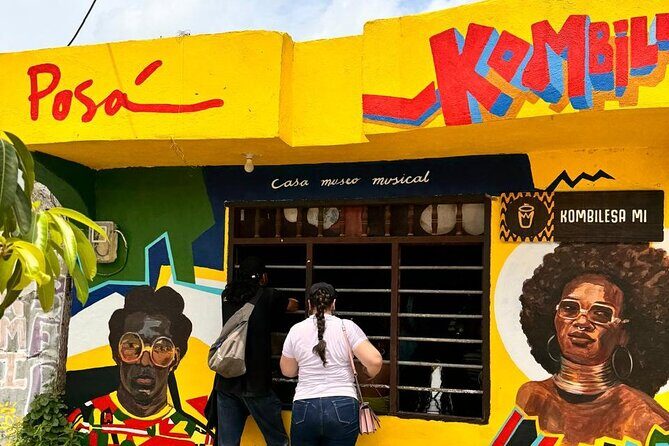
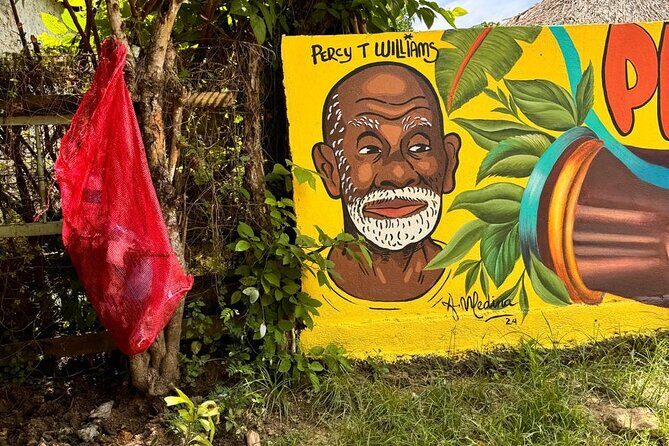
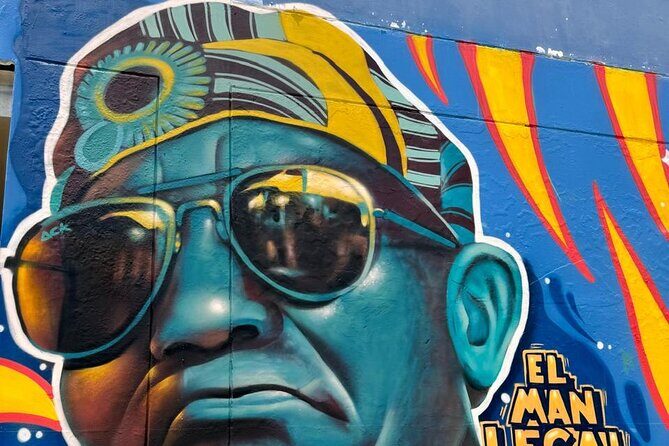
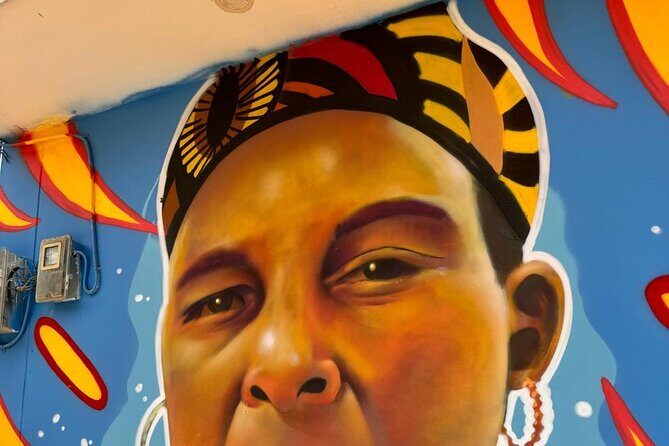
After the main cultural stops, the itinerary turns more visual. You’ll take time to tour murals and graffiti around town (about 20 minutes) where you can take photos as souvenirs.
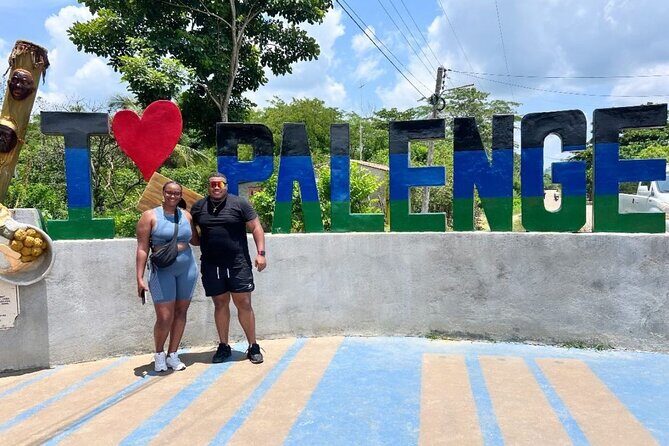
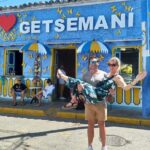
Then you’ll visit the emblematic letters of Palenque (another 20 minutes) for photos.
These segments are short, but they’re built into the flow for a reason: after you learn the cultural meaning behind the place, you can capture the look of Palenque without feeling like you’re just “sightseeing for content.”
If you’re the type who likes taking photos but hates when guides constantly move you along, this is a decent middle ground. The stops are designed for quick captures, and the longer meaning stops come first.
Restaurante el sazón de la negra: Lunch With Local Flavor
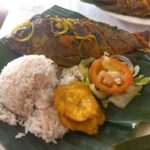
You’ll break for lunch at Restaurante el sazón de la negra. The lunch stop lasts about one hour, and it’s included in the tour price.
The wording emphasizes typical lunch with unique and magical flavors. I’d treat that as a promise of local style cooking, not a promise of magic tricks. The real value here is practical: you avoid the hassle of finding food mid-tour, and you can relax while the group eats together.
One small mindset tip: eat like you have time. This day is full of story stops. If you wolf lunch down too fast, you’ll miss the chance to reset your brain before the ride back.
Returning to Cartagena: Ending Where You Started
After lunch and the final photo stops, you’ll head back to Cartagena and end the excursion at the meeting point. The ride back is about one hour.
By the time you reach Cartagena again, the day’s structure should feel clear: history → identity → traditions through music → visual Palenque → food → return.
It’s a long day, but it has a shape. That’s what makes it more than just a checklist of famous places.
Price and Value: Why $120 Can Make Sense
At $120 per person, this isn’t a cheap half-day add-on. But value isn’t just price. It’s what you don’t have to manage yourself.
Here’s what your money covers:
- Air-conditioned vehicle (comfort on the ride)
- Bottled water
- Lunch
- Guide
- Mobile ticket
- Admission ticket free at the listed stops
And you also get the main deliverable: a guided, structured visit through Palenque that connects locations to meaning. For many people, that’s the difference between a photo trip and a learning trip.
What’s not included:
- Ancestral medicines
If you’re coming from Cartagena and you want a one-day way to experience Palenque with a guide and included meals, this price can feel reasonable. If you prefer to travel totally independently and you’re comfortable arranging transport and site access on your own, you may find cheaper options—but you’d likely lose the built-in flow of story-led stops.
Who This Tour Suits Best (and Who Should Think Twice)
This tour clearly aims at people who want to understand Afro-Colombian culture through both history and everyday traditions. It’s also a good fit if you like structured itineraries because the day has a steady rhythm: monument stop, culture stop, music stop, photos, lunch.
It also says most travelers can participate. That suggests the walk/time requirements are likely manageable for a wide range of people, though it’s still a full-day schedule.
Who might think twice:
- You hate long days with multiple short stops
- You want very long explanations at one site
- You’re mainly seeking relaxation rather than learning
If you’re somewhere in the middle—curious, respectful, and okay with a packed schedule—this is a strong choice.
Should You Book This Palenque Day Trip?
Book it if you want a guided, story-led day that connects Benkos Biohó, Palenque’s pride, and cultural life through music, instruments, and community traditions. The included lunch and transport make the logistics easy, and the admission-free approach keeps the day from snagging on extra fees.
Consider another option if you’re the kind of traveler who wants fewer stops and longer time at each place. This tour gives you breadth, and it’s at its best when you treat short stops as part of a bigger guided arc.
If you do book, I’d do one thing: come with an open, respectful mindset. Palenque isn’t presented here as a backdrop. It’s presented as a living community with meaning in the details.
FAQ
How long is the Palenque experience from Cartagena?
The tour lasts about 8 hours 20 minutes.
Do I get picked up from my hotel in Cartagena?
Yes. Pickup is offered either at your hotel or at the meeting point at Monumento Torre del Reloj, Boca del Puente, El Centro, Cartagena de Indias.
What time does the tour start?
Pickup begins around 7:00 am, and the experience start time is 8:00 am.
What’s included in the $120 price?
The price includes air-conditioned vehicle, bottled water, lunch, and a guide, plus a mobile ticket. Admission tickets for the listed stops are free.
Is the tour offered in English?
Yes, the tour is offered in English.
Is free cancellation available?
Yes. You can cancel for a full refund if you cancel at least 24 hours before the experience’s start time.