REVIEW · CARTAGENA
Cultural Palenque Experience- Small Groups
Book on Viator →Operated by La Guia Travel Company · Bookable on Viator
Palenque teaches you fast. This San Basilio de Palenque day trip from Cartagena puts you face-to-face with Afro-Colombian culture, from key community monuments to the rhythm behind Palenquera music. I love how the stops feel personal and specific, not like a checklist.
My other favorite part is the way the tour pairs stories with real places: a traditional home, plus visits tied to the musicians and elders who keep local sounds going. You’ll also get a proper included lunch, so you’re not hunting for food halfway through the day.
One thing to plan for is time. Between the road and the walking, you should expect a full day and some schedule pressure if you’re already juggling other Cartagena plans.
In This Review
- Key highlights you’ll care about
- San Basilio de Palenque: why this trip feels different from a city tour
- What $120 buys you: value, pace, and the practical stuff
- The 7-hour rhythm: how the day usually flows
- Stop 1 in San Basilio de Palenque: monuments that frame the story
- Kombilesa mi and the role of youth music in preserving culture
- Rafael Cassiani Cassiani and Sexteto Tabala: elders carrying the sound
- Traditional house visit: what you’ll notice besides the photos
- Arroyo de Palenque: why a water place becomes a community meeting point
- Lunch options: coconut fish stew, chicken, or pork
- Guides, language, and what to expect in a small-group visit
- Who should book this Palenque experience (and who might skip it)
- Should you book Cultural Palenque Experience – Small Groups?
- FAQ
- How long is the tour?
- What’s included in the price?
- Do I pay an admission ticket?
- Is this a private tour or a group tour?
- What food is provided for lunch?
- What happens if weather is bad?
Key highlights you’ll care about

- Small-group plus private feel: only your group participates for a more comfortable visit
- Benkos Biohos monument stop: a clear entry point into Palenque’s origin story
- Music visits with named local figures: you’ll hear about kombilesa mi and Sexteto Tabala
- Traditional house walk-throughs: see how everyday life is organized, not just what it looks like
- Arroyo de Palenque: you learn why this area matters for recreation and communication
- Lunch included: choose from fish with coconut stew, chicken, or pork
San Basilio de Palenque: why this trip feels different from a city tour
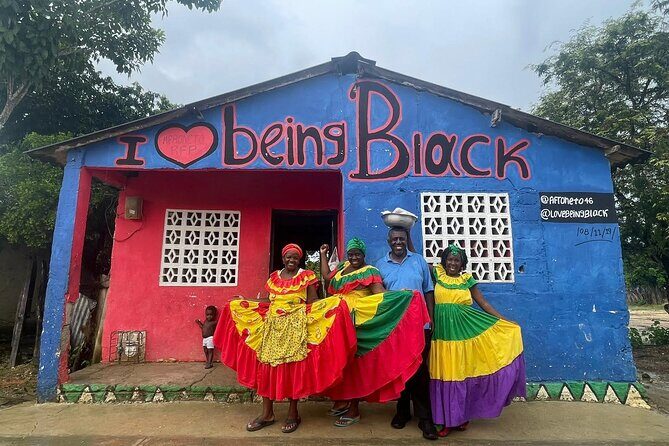
If you only know Cartagena as beaches and old streets, this excursion gives you a second lens. San Basilio de Palenque is a living community with its own identity, language, and cultural pride. The best part of this tour is that it doesn’t treat Palenque as a photo stop. It treats it as a place where people still make music, teach traditions, and gather for daily life.
I like that the visit is structured around landmarks and community spaces you can actually walk to. You start with major historical markers, then move into homes and music-related stops. That order matters. It helps you understand what you’re seeing, before you’re asked to sit still and listen.
Also, the tour keeps things grounded. You’re not just hearing big, dramatic names. You’re learning how leadership, music, and community spaces connect—down to where people go for recreation and communication.
Other San Basilio de Palenque tours from Cartagena



What $120 buys you: value, pace, and the practical stuff
At $120 per person for a roughly 7-hour outing, you’re paying for more than a transfer. You’re getting an air-conditioned vehicle, a local guide, and an English-speaking guide, plus lunch and all fees and taxes. For Cartagena day tours, that package is a meaningful chunk of the cost handled for you.
Timing also matters for value. The drive to Palenque is about 1.5 hours by the tour plan, and in practice it’s often described as roughly an hour out of Cartagena before you get into the town experience. Either way, you’re not spending the whole day on the road like some long day trips. You’re using that travel time to get to one specific place where the story is the point.
Your only extra costs to watch are tips and anything involving alcohol, since those are not included. You’re also choosing your food from clear options, which is handy when you want to avoid decision fatigue while traveling.
The 7-hour rhythm: how the day usually flows
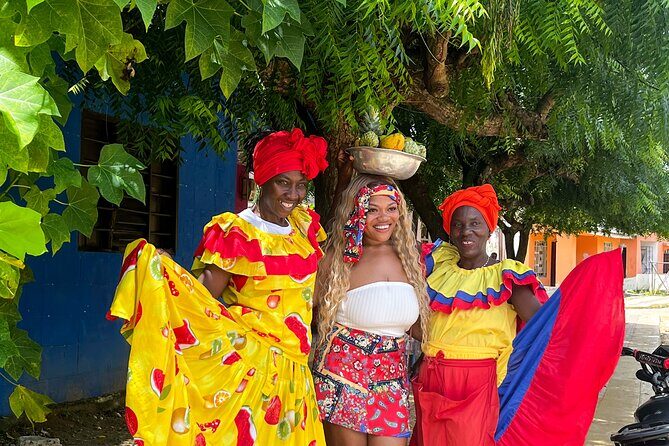
This tour is built to cover a lot without turning Palenque into a sprint. You start at Camellón de los Mártires (Cl. 31 #71-48, El Centro) in Cartagena. From there, you head out by vehicle for the drive to San Basilio de Palenque.
Once you’re there, the plan shifts from riding to walking. You’ll spend time moving around the town and visiting specific community locations. The lunch is part of the mid-day flow, not an afterthought at the end.
In terms of pacing, the experience is long enough to feel substantial but short enough that you still get back to Cartagena the same day. If you’re the type who likes to wake up, do one key cultural thing, and then still enjoy your evening, this works well.
Stop 1 in San Basilio de Palenque: monuments that frame the story
The tour starts with a set of landmarks that give you context fast. One of the first major stops is the Monument of Benkos Biohos, recognized as a leader and founder of Palenque. This is the anchor point for understanding where the community identity comes from. If you’re the kind of person who needs a first mental map before details start flying, this helps.
Next, you’ll visit the Monument of Antonio Cervantes Reyes, also known as Kid Pambelé, described as the first world boxing champion from Colombia born and raised in Palenque. That stop does something smart. It reminds you that cultural legacy isn’t only about the distant past. It’s also about achievement and role models who came out of the community.
These monument stops are also useful because they break the day into digestible sections. You can look, listen, and connect each person or place to what comes next. It’s a better way to learn than trying to remember everything from a single talk.
A small note: walking around town means you’ll want comfortable shoes and a bit of patience with the pace of a real community day, not a theme park schedule.
Kombilesa mi and the role of youth music in preserving culture
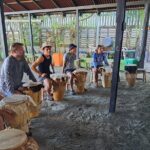
Music is central here, and it’s not treated as background entertainment. One of the stops is the House of kombilesa mi, described as a musical group of young people working on strengthening Palenquera music. The tour also mentions them using instruments linked to community tradition and local practice.
What you’ll likely appreciate is the message behind the music. This isn’t only about listening to songs. It’s about how culture keeps going: through youth involvement, training, and group work.
Even if you don’t consider yourself a music person, this stop works because it explains the purpose. You’re not just hearing about rhythm. You’re seeing how community members organize around sound so it doesn’t disappear.

Rafael Cassiani Cassiani and Sexteto Tabala: elders carrying the sound
From youth music, the day shifts toward the other side of the cultural pipeline: elders. You’ll visit the Rafael Cassiani Cassiani house, noted as the teacher of an elders’ musical group called SEXTETO TABALA. The tour framing emphasizes that this music group comes from generation to generation with authentic Palenquera sound.
This contrast is one of the best parts of the itinerary. Many cultural tours show you one layer of tradition, usually what’s easiest for visitors to observe. Here, you’re shown continuity. Younger musicians and elders both matter, and the tour explicitly connects the dots between them.
If you want to understand how traditions survive real life—family schedules, changing preferences, and the pressure of the outside world—this stop gives you a clearer answer than a general speech ever could.
Traditional house visit: what you’ll notice besides the photos
You’ll also visit a traditional house where you can appreciate the way people live. That sounds simple, but it’s where cultural learning can turn from abstract to real.
In a well-run community visit, this type of stop becomes a guided look at daily life: what spaces are used for, how routines shape the home, and what the community values. You’ll likely get context for how the community’s environment and history influence everyday habits.
The benefit for you is that it changes your mental picture. Palenque stops being a name and becomes a place with rooms, routines, and practical choices. It’s the kind of visit that stays in your memory longer than a quick monument photo.
Arroyo de Palenque: why a water place becomes a community meeting point
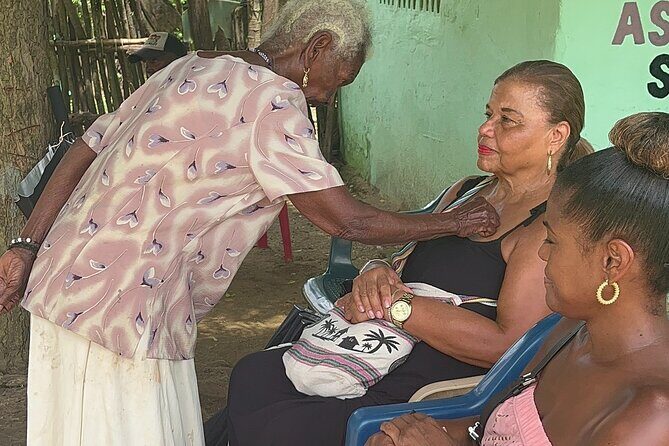
One more key stop is arroyo de Palenque. The tour describes it as a place of supply for the Palenquera community and a source of life for recreation and communication.
This matters. When you learn how a community uses a natural area for everyday social life, you understand culture as something lived, not displayed. Recreation and communication tied to a specific area tells you the community’s social geography. Where people meet. How they share time. How daily needs and community connection overlap.
This is also a good stop for noticing the pace of local life. Even if your visit is guided and structured, you’ll still get a sense that this isn’t only a tourist-facing area.
Lunch options: coconut fish stew, chicken, or pork
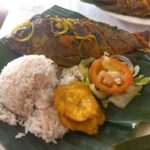
Lunch is included, and the choices are straightforward: fish stewed with coconut stew, or chicken, or pork. I like that you’re given options that fit the kind of comfort-food day trips need.
If you’re picky, you’ll still have enough structure to make a decision without guessing at menus. If you’re adventurous, the coconut fish stew option is a strong signal that the area’s cooking style is meant to be experienced, not just tolerated.
Tip to make your day smoother: eat at a normal pace, then drink some water after. You’ll be walking around afterward, and you’ll feel better if you don’t leave lunch feeling rushed.
Guides, language, and what to expect in a small-group visit
This tour includes a local guide and an English-speaking guide. One review also highlighted that the guide handled both English and Spanish well, which is a comfort factor if you want to ask questions and not worry about gaps.
Because this is described as a private experience (only your group participates), you’re less likely to feel like you’re being rushed past your own curiosity. Small-group visits tend to work better for meaningful conversations because you’re not trying to compete with a crowd.
If you’re the type who likes to ask, you’ll probably get more out of it here. Use the monuments as your cue. Ask about Benkos Biohos first, then follow that thread into how music and teaching carry on the story.
Who should book this Palenque experience (and who might skip it)
This tour is a great fit if you want one focused cultural day outside Cartagena that centers Afro-Colombian identity. It works well for couples, friends, and solo travelers who don’t want to feel lost in a big group.
It’s especially good if you care about culture as daily life: monuments plus homes, music plus community spaces like arroyo de Palenque. The mix of named historical figures and named local musicians makes it feel real and specific.
You might skip it if you hate walking or you’re trying to pack in too many activities that day. The full day format means you’ll want breathing room around it, not a tightly scheduled itinerary.
Should you book Cultural Palenque Experience – Small Groups?
Book it if you want a respectful, structured look at San Basilio de Palenque that goes beyond surface sights. The combination of monuments (Benkos Biohos and Kid Pambelé), music stops (kombilesa mi and Sexteto Tabala), traditional homes, and a included lunch makes this feel like a complete cultural block, not a rushed tour.
Don’t book it if you’re only looking for a quick pass-through or you’re trying to keep your day ultra flexible. This is designed as a full outing, and you’ll enjoy it most if you treat it like the main event.
If you’re deciding between staying in Cartagena for another old-town walk versus seeing Palenque’s community life up close, this one gives you the stronger cultural payoff per hour.
FAQ
How long is the tour?
It runs about 7 hours.
What’s included in the price?
All fees and taxes, lunch, an air-conditioned vehicle, local guide plus an English-speaking guide, and tolls are included.
Do I pay an admission ticket?
Admission is free.
Is this a private tour or a group tour?
This is a private tour/activity, and only your group participates.
What food is provided for lunch?
You can choose fish stewed with coconut stew, chicken, or pork.
What happens if weather is bad?
The experience requires good weather. If it’s canceled due to poor weather, you’ll be offered a different date or a full refund.