REVIEW · CARTAGENA
African History in Cartagena
Book on Viator →Operated by OLA CARTAGENA · Bookable on Viator
Cartagena has more than postcard views; it has memory. This African History tour ties together key squares and landmarks in the walled center, linking the city’s past to the Caribbean world and the fight for independence. You’ll move from street level history to the big stone statements of fortifications and faith, all in one focused outing.
I really like that the tour is built around specific sites tied to real events—not vague storytelling. I also like the human pace: guides like Dani (and, in another party, Nuria) keep the tone friendly and the explanations clear, even when you’ve got mixed ages in the group.
One thing to consider: while the stops are short, you’re doing several them close together, so plan for some walking and heat, and know the tour does not include the return to your hotel.
In This Review
- Key things to know before you go
- Why this African History route fits Cartagena so well
- Entering at Torre del Reloj: the wall speaks first
- Plaza de la Aduana: confronting the trade in enslaved people
- Plaza de San Pedro Claver and the Haiti connection
- Baluarte de San Francisco Javier: fortifications with a purpose
- Catedral Santa Catalina de Alejandría: faith at the center
- Parque Centenario: a breathing pause in the historic center
- Plaza de La Trinidad and Getsemaní street life
- Dani, Nuria, and the guide style that makes history stick
- Price and what you actually get for $45
- Pickup, meeting points, and ending in Getsemaní
- Practical tips so the story doesn’t get lost
- Should you book this African History in Cartagena tour?
- FAQ
- How long is the tour?
- Where does the tour start and end?
- Is pickup available?
- Is the tour in English?
- Are tickets required for the stops?
- What’s included in the price?
Key things to know before you go
- A story-driven route that connects the slave-trade sites to the wider Caribbean (including Haiti’s influence).
- Short stop times (often 15–20 minutes) that keep you moving without feeling rushed.
- Free admission at every main stop listed for the experience, so you’re not hunting tickets mid-tour.
- Private transportation plus bottled water, which helps when you’re on a tight schedule.
- Guides adapt the pacing, including for slower walkers, which matters if you’re traveling with family.
- Pickup is limited to the Walled city and a few nearby areas, so pick your starting point thoughtfully.
Why this African History route fits Cartagena so well

This is the kind of tour that makes Cartagena’s geography do the teaching. In about 2 hours 35 minutes, you cover the historic core and a slice of Getsemaní, while the guide stitches the sites together into one chain of meaning. It’s also a good match for a cruise stop day because you get structure without losing the chance to keep exploring afterward.
The best value move here is the combination of private transportation and bottled water. Even when you’re only on foot for the sightseeing bits, you’re not stuck with long transfers or awkward logistics. Plus, most listed admissions are free, which keeps your budget calmer.
If you want a tour that explains the “why” behind what you’re seeing—rather than just the “what”—this format works. Just remember: the experience ends in Getsemaní, so if you’re heading back to a hotel outside that area, you’ll need to arrange it after.
Other African heritage tours in Cartagena
Entering at Torre del Reloj: the wall speaks first
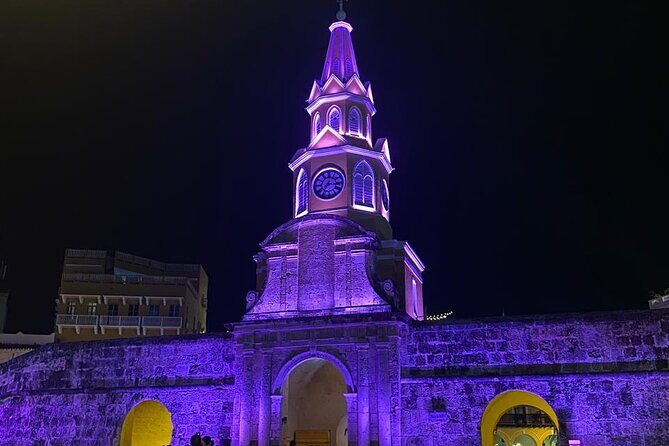
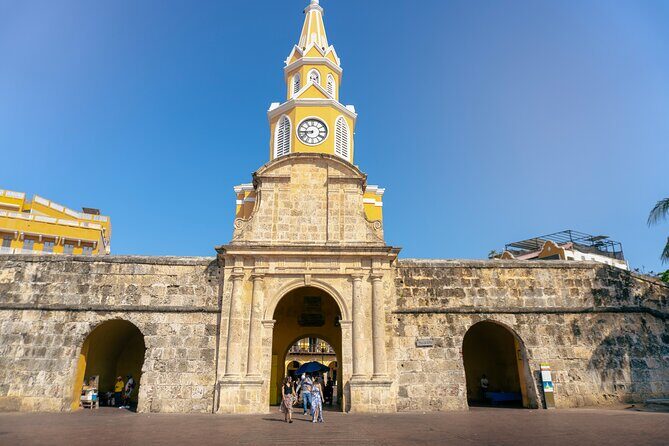
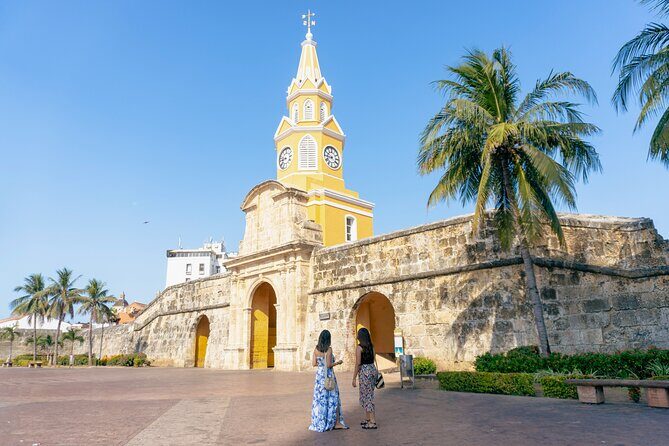
Most tours start with a view. This one starts with a statement: the Torre del Reloj, the clock tower that serves as the main gate to Cartagena’s walled city. It’s a perfect first stop because it frames everything that comes next—this place was designed, defended, and controlled.
You’ll get about 15 minutes here, and that’s enough time to absorb the setting before the story shifts toward trade and power. The tower isn’t just a landmark; it’s the “front door” to a city that became important to shipping routes, wealth, and forced labor.
If you’re arriving with only a quick sense of Cartagena’s charm, this first stop re-sets your mindset fast. You start looking at stone and streets not as scenery, but as evidence.
Plaza de la Aduana: confronting the trade in enslaved people
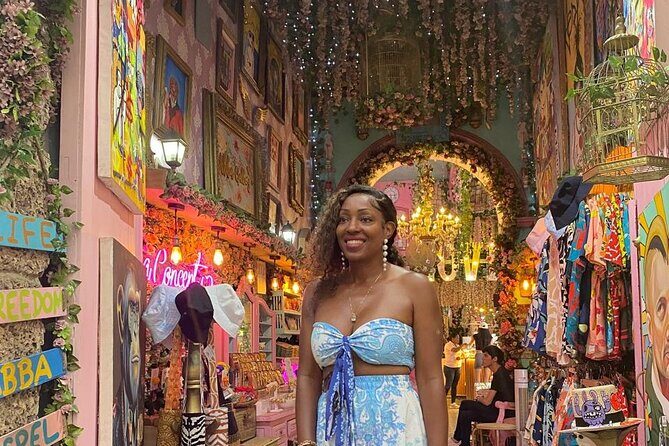
Then the tour turns the corner into something harder: Plaza de la Aduana. This is one of the key stops because it points directly to where the trade of enslaved people took place. That word—trade—changes how you read the square. You stop seeing it as just a pretty public space and start understanding it as a functional part of an economic system.
You’ll spend about 20 minutes at this stop. That’s long enough for the guide to connect the plaza’s role to the wider story of Cartagena, without dragging it out into lecture mode. It also gives you time to let the emotional weight land.
A practical note: a plaza can feel open and hot. Bring water-sipping habits and take shade where you can, especially if you’re touring midday.
Plaza de San Pedro Claver and the Haiti connection

Next comes Plaza de San Pedro Claver, where the tour highlights the influence of Haiti on Colombia’s independence. This stop matters because it moves the story out of one city and into the Caribbean network of ideas, resistance, and political change.
You’ll have about 20 minutes here, and it’s a good pacing break after the more direct history at the Aduana square. Rather than leaving you only with tragedy, this part helps you see how Caribbean events echoed across borders.
If you like history that connects geography to cause-and-effect, this is a strong segment. Cartagena didn’t exist in isolation, and the guide’s job here is to show that interconnectedness in a way you can actually remember later.
Baluarte de San Francisco Javier: fortifications with a purpose
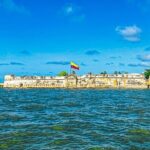
When the tour shifts to Baluarte de San Francisco Javier, it stops being only about what happened to people. It also becomes about what the city tried to protect—its wealth, its trade routes, and its strategic advantage.
This stop is about 15 minutes, which keeps it punchy. You’ll learn the history of Cartagena’s fortifications here, and that context helps everything else snap into place. It’s easier to understand the city’s layout when you know the walls and bastions were part of a defensive strategy.
This is also a nice change of pace if your feet are starting to feel it. You still learn, but you’re also getting visual variety—stone forms, angles, and viewpoints that help you re-orient before continuing.
Other historical tours in Cartagena




Catedral Santa Catalina de Alejandría: faith at the center
The tour then heads to Catedral Santa Catalina de Alejandría, described as the most important church in the city. You’ll spend around 15 minutes, which is just right for a first-time look: enough time to appreciate scale and atmosphere without making you stand still forever.
Why include a cathedral on an African-history tour? Because religious institutions were part of the public face of power and community life. Even when you’re focused on forced migration and political change, you still need the wider city setting to understand how people lived, worshiped, and organized.
If you enjoy mixing art, architecture, and social history, you’ll probably feel satisfied here. If you prefer only the hardest political topics, consider using this stop as a mental reset before the tour reaches the neighborhood streets.
Parque Centenario: a breathing pause in the historic center
After multiple plazas and stone landmarks, Parque Centenario gives you a breather. The tour frames it as the lung of the historic center—surrounded by trees and a calmer pocket amid the buildings.
You’ll get about 15 minutes here, and that’s useful even if you don’t usually like parks. It breaks the walking pattern and gives your brain a moment to process what you’ve learned, not just absorb more facts.
This is also where you can do a quick sensory check: listen to the soundscape, look around at how people move, and notice how green space changes the way a historic area feels. It’s a small stop, but it helps the full tour feel balanced.
Plaza de La Trinidad and Getsemaní street life

The last listed stop is Plaza de La Trinidad, which sets up the tour’s neighborhood portion in Getsemaní. You’ll spend about 20 minutes walking and talking in the colorful street area, which helps shift the story from “historic center landmarks” to the lived-in vibe of today.
This ending is smart because it doesn’t trap you in a museum-like loop. It gives you a place to continue on your own after the tour ends. The tour finishes on Cl. 29 #9119, Getsemaní, so you’re positioned to explore local streets right away rather than being pulled back to the start.
One consideration: since the experience ends in Getsemaní and the listing says return to the hotel isn’t included, plan your next move. If you’re relying on taxis or rideshares, be ready to coordinate from that neighborhood.
Dani, Nuria, and the guide style that makes history stick
What I think is most praised here is not just facts—it’s delivery. Guides like Dani are described as fun, engaging, and professional, with a tone that feels like touring with a good friend who also happens to know the story inside out. Another guide named Nuria is praised for being a charm and adjusting to an elderly person who walked slowly.
That matters more than you’d think. When a tour is about heavy topics—trade in enslaved people, independence links—your guide’s pacing and empathy decide whether it feels empowering or just overwhelming. Based on the experiences shared, the guides tend to keep things flowing and responsive.
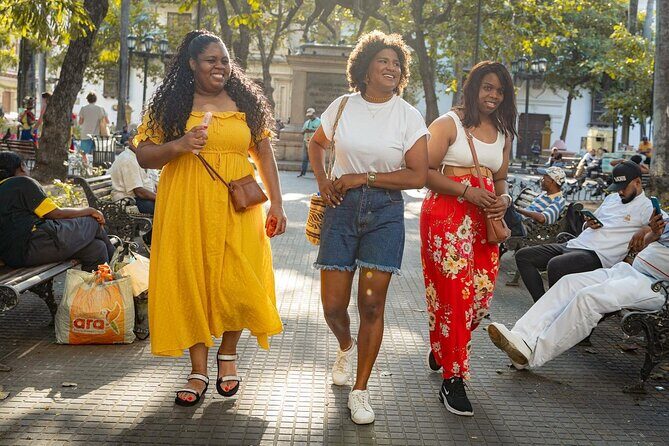
For you, that means the tour is likely easier to follow if you’re traveling solo, have family with different walking speeds, or just don’t want history presented like a textbook.
Price and what you actually get for $45
At $45 per person for about 2 hours 35 minutes, the value is driven by what’s included. You get private transportation and bottled water, and the main stops shown are tied to free admission tickets. That combination can be more cost-effective than piecing together several separate activities on your own.
You also get a mobile ticket and English-language guiding. For many visitors, that’s a real comfort factor—Cartagena can feel like a lot to manage, and a tour that handles the flow helps you spend less time figuring out logistics.
What’s not included is important to note: the tour does not include return to your hotel or lunch. If you’re budgeting, plan a snack or meal afterward. The good news is that because the tour ends in Getsemaní, it’s a natural area to keep eating and exploring.
Pickup, meeting points, and ending in Getsemaní
The tour starts at Cartagena Pegasus PierCentro. Pickup is offered only in specific areas: the Walled city, Boca Grande, Marbella, and Manga. That’s a short list, so you’ll want to double-check you’re in one of those pickup zones if you’re hoping to be picked up.
If you’re not in those neighborhoods, you’ll likely need to meet at the start point. The tour is private, so it’s just your group, not a big shared scramble.
It ends in Getsemaní at Cl. 29 #9119. That ending point is helpful if you want to keep roaming, but it can be annoying if your hotel is elsewhere and you’re expecting the guide to bring you back. Build your post-tour plan around that.
Practical tips so the story doesn’t get lost
This is a walking-and-stopping style tour, so your best friend is comfort. Wear shoes you can walk in for short bursts, since the stops are multiple squares and landmarks. Also, since the tour includes bottled water, you’ll be covered there—but sunscreen and a hat are still smart on a sunny Cartagena day.
Bring your curiosity. Some tours show you stones. This one connects stones to forced labor and political change, so lean into the questions your guide is likely to answer as you go. If you’re the type who wants context, you’ll probably appreciate how the route moves from gate to plazas to fortifications to neighborhood streets.
If you’re traveling with a slower-walking companion, keep your expectations realistic: it’s still a historic-center route with outdoor spaces. The good sign is that guides have shown they can adjust for elderly visitors who walk slowly.
Should you book this African History in Cartagena tour?
If you want Cartagena with meaning—history tied to actual places—this is an excellent pick. The price feels reasonable because it includes private transport plus bottled water, and the main sites are presented as short, focused stops rather than an all-day slog. It also ends in Getsemaní, which makes it easy to continue your day on your own.
You might skip it if you only want light sightseeing and photos. This route includes difficult subject matter, and it’s built to address it directly. You’ll also want to plan your own lunch and transportation back to wherever you’re staying.
Overall, I’d book it if your goal is to leave Cartagena understanding the city beyond the obvious views. This tour helps you read the streets as chapters—and gives you a better way to remember what you saw.
FAQ
How long is the tour?
It runs about 2 hours 35 minutes.
Where does the tour start and end?
It starts at Cartagena Pegasus PierCentro, Cartagena, Bolivar, Colombia, and ends at Cl. 29 #9119, Getsemaní, Cartagena de Indias, Bolívar, Colombia.
Is pickup available?
Pickup is available only in the Walled city, Boca Grande, Marbella, and Manga neighborhoods.
Is the tour in English?
Yes, it’s offered in English.
Are tickets required for the stops?
The listed admission tickets for the main stops are free.
What’s included in the price?
The experience includes private transportation and bottled water, but it does not include return to your hotel or lunch. Free cancellation is available up to 24 hours in advance for a full refund.