REVIEW · CARTAGENA
Tour Compartido al Castillo San Felipe de Barajas Cartagena
Book on GetYourGuide →Operated by Beyond Colombia · Bookable on GetYourGuide
Cartagena’s resistance is walkable. I love how this route strings together Getsemaní street life and the hard military logic of San Felipe de Barajas. I also like that the guides explain the city like a story you can follow on foot, with names like Ronaldo and Luis Carlos showing up in Spanish-language praise for clear, confident guiding. One thing to plan around: the castle entrance costs extra (33,000 COP), and you’re walking about 7 km.
The tour is built for people who want meaning, not just monuments. You start in the social heart of Getsemaní, then work your way toward the fortress and the key city views, including the Hill of San Lázaro. It’s also a shared group format, so you get the energy of other travelers without turning it into a private chat.
The main drawback is practical: it’s not a sit-everywhere experience. Bring comfortable shoes and water, and expect a steady walking pace with several stops for the guide’s explanations.
In This Review
- Key things you’ll notice on this Getsemaní to San Felipe walk
- Walking from Getsemaní to San Felipe: the route that makes Cartagena click
- Plaza de la Trinidad and Getsemaní streets: rebellion you can see and feel
- Hill of San Lázaro viewpoints: why controlling the city mattered
- The Castillo San Felipe de Barajas: tunnels, strategy, and sound as a weapon
- A key entrance note you should plan for
- The Chocolate Museum stop: a small break that actually helps
- Price and value: paying $12 plus the 33,000 COP entrance fee
- Is it still good value?
- Pace, comfort, and practical tips for a 150-minute shared walk
- Who should book this tour (and who might skip it)
- Should you book the Compartido al Castillo San Felipe de Barajas?
- FAQ
- How long is the tour?
- Where do I meet the group?
- What language is the guide?
- Is the Castillo San Felipe de Barajas entrance fee included?
- Do I buy tickets with the guide?
- Is there a stop for chocolate?
- What should I bring?
- Can I record audio during the tour?
Key things you’ll notice on this Getsemaní to San Felipe walk
- Plaza de la Trinidad sets the tone with rebellion, inequality, and street culture before you ever see a fortress wall
- Getsemaní murals and symbols help you connect visual art to independence and resistance
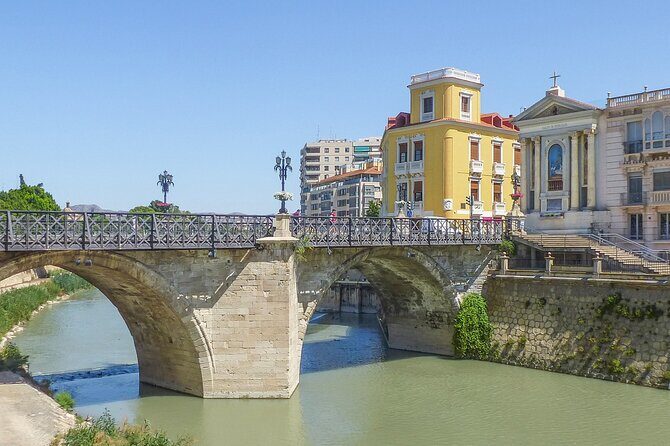
- Pedro Heredia Bridge links neighborhoods physically, not just on a map
- Hill of San Lázaro gives you the big-picture views that explain why Cartagena had to be defended
- Acoustic/defense tunnels turn the fortress into a story about sound as a weapon
- Chocolate Museum stop adds a quick, tasty break for photos and a small tasting
Walking from Getsemaní to San Felipe: the route that makes Cartagena click
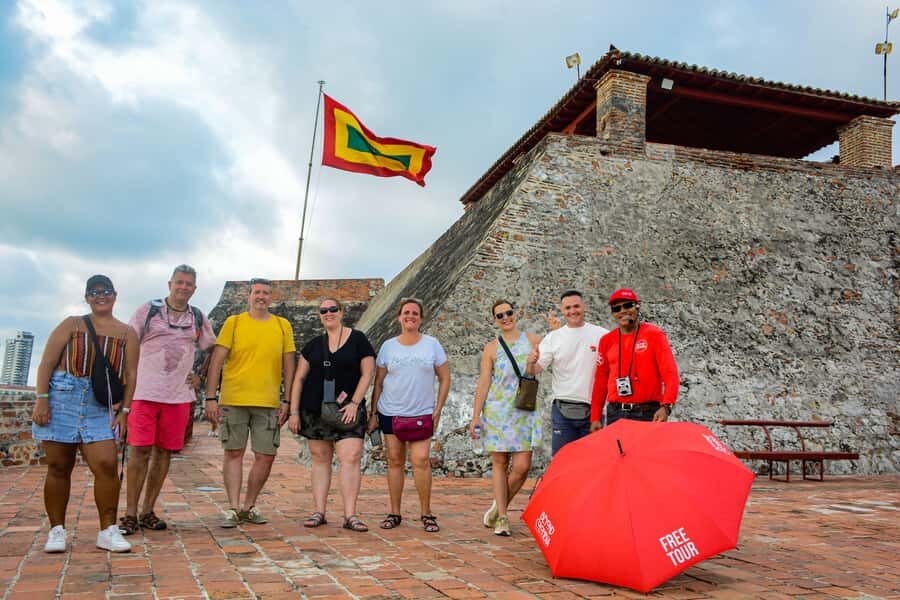
This is the kind of tour where you start in a neighborhood and end at a fortress—and somehow it all feels connected by the time you’re staring at stone walls. The walk covers about 7 km, and it’s paced with rest stops so the history lands, not just bounces off like a museum audio guide.
What makes it work is the sequencing. Getsemaní is where the city’s pressure cooker lives: sailors, artisans, freed Afro-descendants, and rebels were part of daily life outside the safety of the elites behind walls. Then, as you move toward the castle, the story tightens into strategy—who could see what, who could hear what, and why Cartagena was a prize nobody could simply grab.
If you like history, but you hate long explanations that go nowhere, you’ll probably enjoy this. The guide’s job is to connect people, power, and architecture as you go. And yes, the fortress is dramatic, but the day doesn’t treat it like a random photo stop.
Other San Felipe Castle tours in Cartagena

Plaza de la Trinidad and Getsemaní streets: rebellion you can see and feel
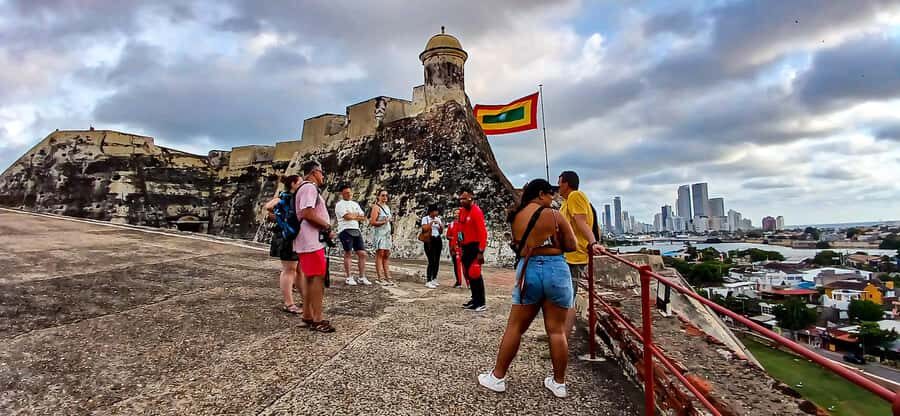
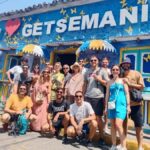
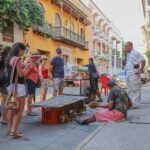
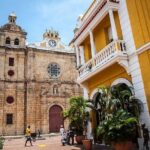
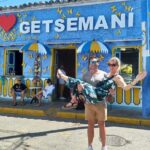
Your tour kicks off at Plaza de la Trinidad in Getsemaní, with a guided start around the square’s social energy. This matters because Getsemaní isn’t introduced as a backdrop. It’s presented as the engine that shaped Cartagena from the outside—especially in the context of inequality and the push for independence.
Here’s what I’d watch for as you walk: the way daily life and resistance get tied together. Expect discussion around how street music, local customs, and murals carry meaning. Even if you’re not a “read every sign” person, the guide’s explanations give you a key to interpreting what you see—cultural symbols stop being decoration and start acting like shorthand for events, values, and conflict.
This part also moves the tour from general to personal. It helps you understand why Cartagena wasn’t just protected by fortresses, but also by the people living right beside the danger. And those Getsemaní-to-fortress connections pay off later when you learn how the castle’s design supported defense and surveillance.
Hill of San Lázaro viewpoints: why controlling the city mattered
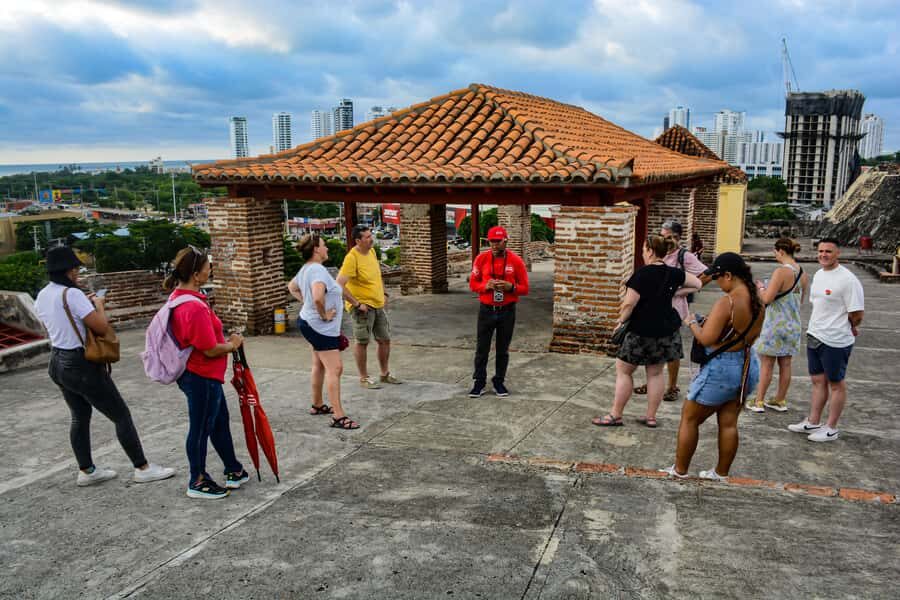
As you progress, the tour builds toward one of the most important ideas in the whole fortress story: control through visibility. The Hill of San Lázaro is one of the key vantage points, and it’s included for a reason. From high ground, you don’t just look at the city—you understand how defense plans get made.
This is one of those moments where the view can feel like a postcard, but the guide’s explanation changes how you process it. You start thinking in lines of sight and response time. If you’ve ever wondered why old cities loved elevations and walls, this is where it becomes practical.
You’ll also appreciate the logic of a fortress that isn’t only about brute strength. The day pushes you toward the idea that Cartagena’s defenders were trying to outthink attackers—watch them, predict them, and make every move cost more than it should.
The Castillo San Felipe de Barajas: tunnels, strategy, and sound as a weapon
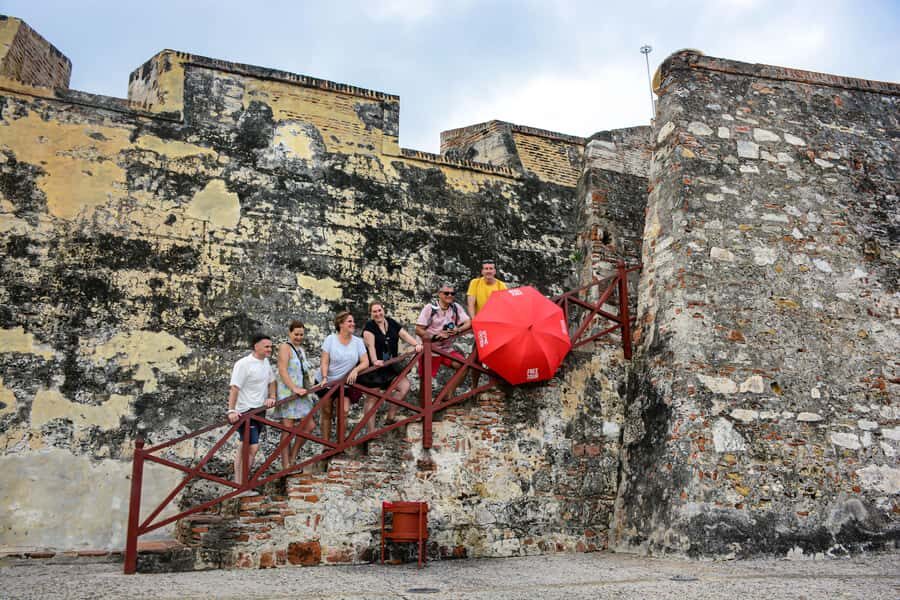
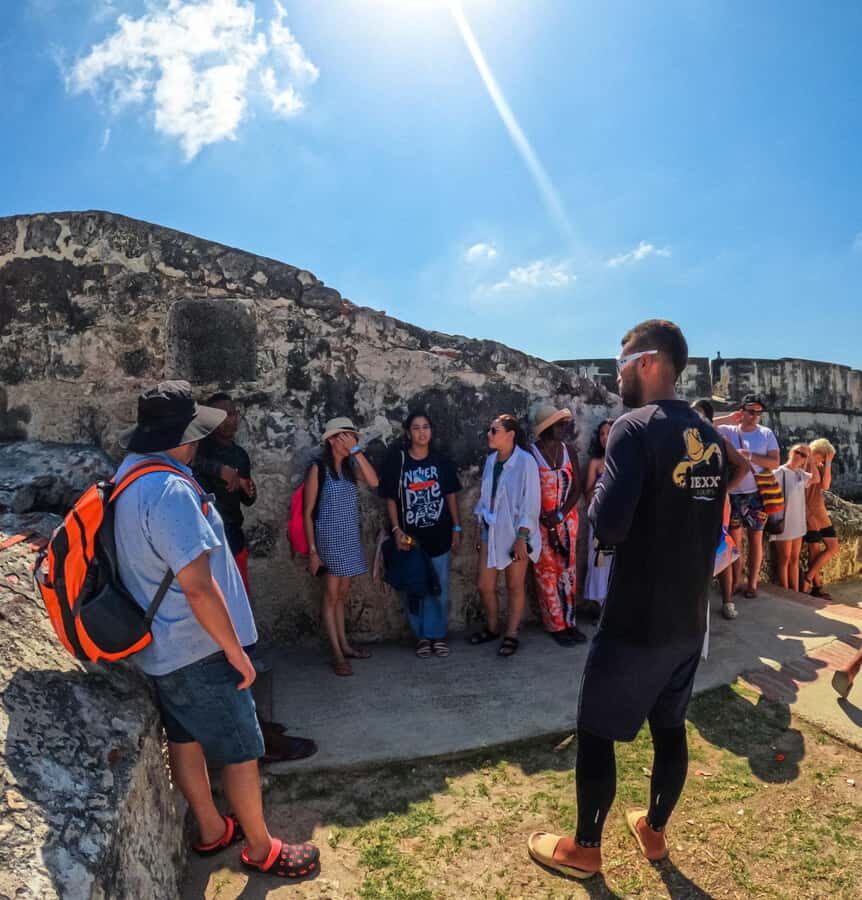
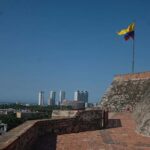
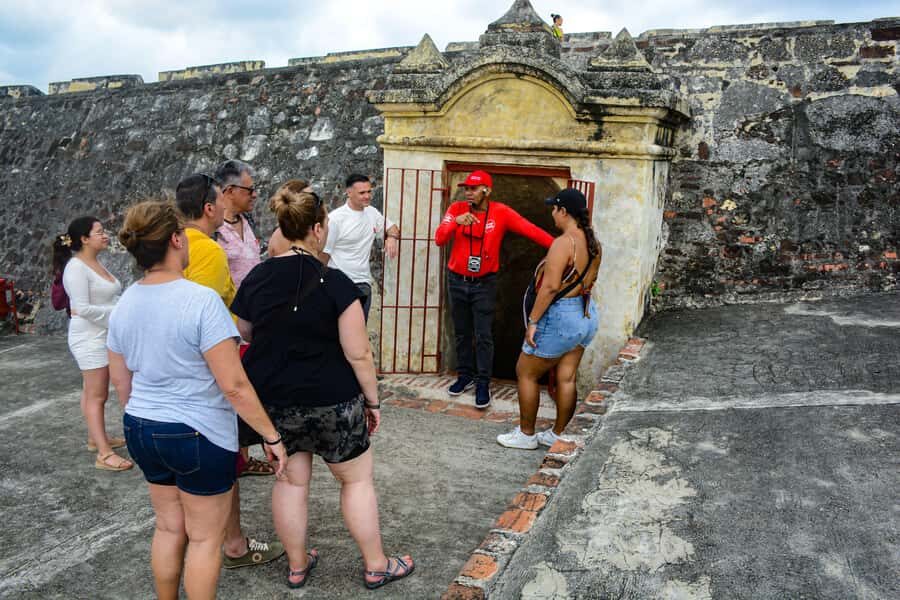
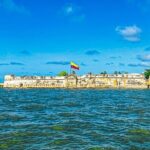
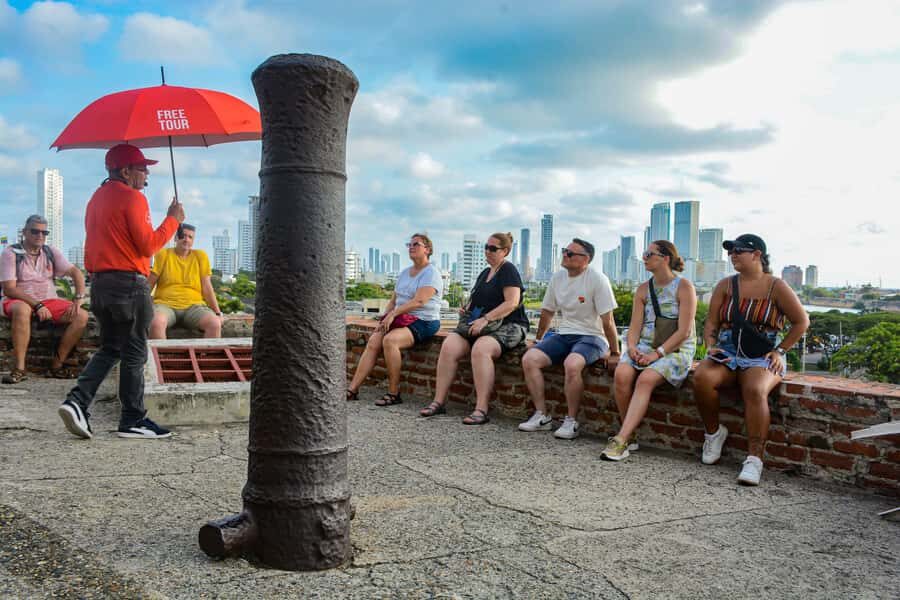
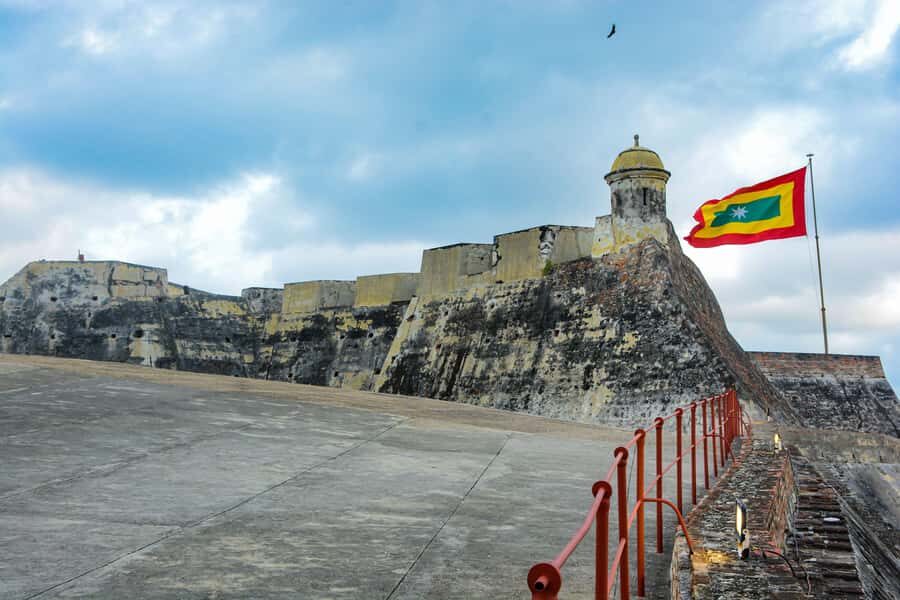
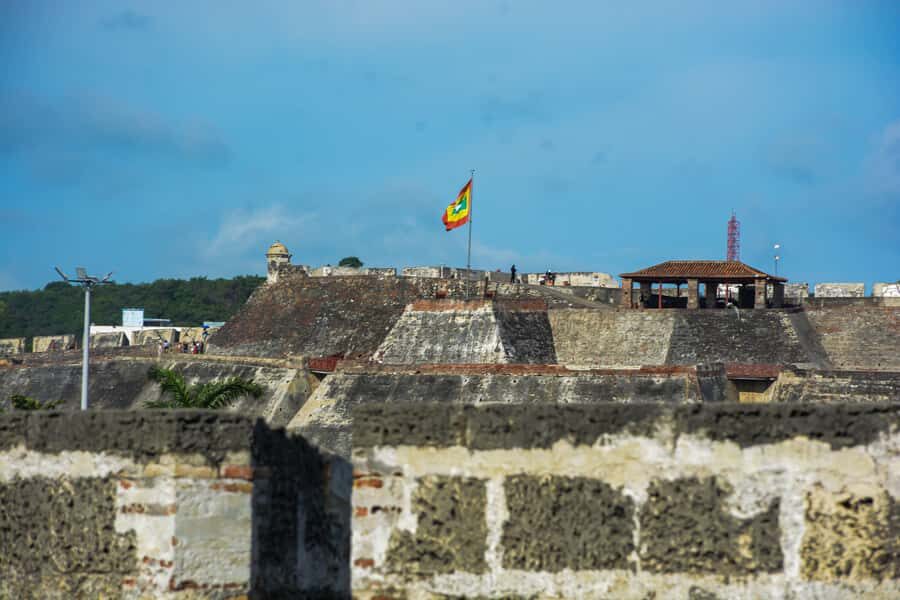
When you reach Castillo San Felipe de Barajas, the scale hits you. This is described as Cartagena’s largest fortress and military stronghold, and you can feel why it earned that reputation as you approach.
The tour’s most gripping pieces focus on what the fortress was built to do. Pirates and foreign empires tried, and they failed. The fortress is often described as “impossible to take,” and the way the guide connects design choices to defense goals makes that statement feel earned rather than dramatic marketing.
Expect several key themes:
- Why the fortress’s layout supported surveillance and defense
- How the fortress tunnels helped soldiers monitor enemies above while keeping invaders from understanding what was happening inside
- The idea that sound became a weapon, used for advantage rather than random noise
- The famous mismatch of forces during a major battle: a Spanish force of about 3,000 men defeating over 25,000 British soldiers
And yes, this is also where the day gives you a person to attach to the legend. Figures like Blas de Lezo come into the story as symbols of unbreakable resistance and smart defense. If you’re the type who remembers history best through character, that’s a win.
A key entrance note you should plan for
Once you arrive at the fortress entrance, each participant purchases their own castle entrance ticket at the official booth to continue inside and explore. The tour price doesn’t include that ticket, which is listed as 33,000 COP per person. If you want maximum time inside the monument, budget for that and don’t count on the guide’s part being the full ticket experience.


The Chocolate Museum stop: a small break that actually helps
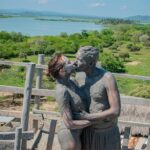
There’s a Chocolate Museum stop included, built in as a photo and tasting break. It’s not the centerpiece of the day, but it’s a smart tool for comfort and pacing. After time in the streets and walking toward the fortress, a short stop that refreshes your senses can keep the history from turning into a nonstop lecture.
This also helps if you’re traveling with people who want variety. Even if everyone is there for Cartagena’s military story, a quick chocolate moment gives the day a lighter note without straying off the Cartagena theme.
Price and value: paying $12 plus the 33,000 COP entrance fee
At $12 per person, the price is a bargain for the guided walking and interpretation—especially for a route that connects two very different parts of the city. What you’re paying for is the structure: a guided, safe walk between Getsemaní and the fortress area, explanations in Spanish, and local recommendations for lunch, coffee, and souvenirs.
On top of that, you get:
- A guided start and route with rest stops
- A guided Chocolate Museum stop (photo and tasting)
- Discounts and benefits with recommended local partners if you show the Free Tour Map Cartagena provided to participants
- Local help for what to eat and where to go next
The main “cost truth” is the castle entrance fee. Because it’s not included, you should treat this as a $12 tour plus the price of entry to San Felipe. If your goal is to spend real time inside the fortress, that extra ticket cost is not optional in your day-planning.
Is it still good value?
Yes, if you want the guided story. Without the guide, you might see impressive stone and tunnels, but you’d miss the specific links between Getsemaní resistance, Hill of San Lázaro views, and the fortress design logic. The day is priced for interpretation as much as for access.
Pace, comfort, and practical tips for a 150-minute shared walk
This is a 150-minute shared group tour, and the walking adds up to about 7 km with several stops. That’s not marathon territory, but it is long enough that your comfort choices matter.
Bring:
- Comfortable shoes (non-negotiable)
- Water (they specifically recommend it)
Avoid:
- Alcohol and drugs
- Audio recording (this is listed as not allowed)
One extra practical tip: I’d follow the common-sense advice from the experience itself—consider carrying a small snack. One guide-led day reviewer noted that having something to eat helped people make it through, and it makes sense on a long walk with stops and sun.
Also, keep your belongings secure. Some parts of the route include busy areas, so don’t treat it like a quiet country stroll. And since the tour is Spanish only, make sure that works for you. If you’re not comfortable in Spanish, this may feel like you’re missing key parts of the story.
Who should book this tour (and who might skip it)
This tour fits best if you:
- Want a guided connection between Getsemaní and San Felipe de Barajas, not just two separate sights
- Like military strategy explained in human terms—numbers, decisions, and design
- Enjoy viewpoints and understanding why they matter
- Can handle a longer walking day of about 7 km
It may be a less good match if you:
- Need wheelchair access (the tour is listed as not suitable)
- Are traveling with kids under 10
- Prefer very short walking routes or have mobility limits
- Need a non-Spanish guide
One more thing: people praise the guides by name for professionalism and clarity. Names that came up include Ronaldo, Luis Carlos, Luis Fernando, and John Serrato. If you book this, you’re more likely than average to get a guide who can explain complex defense ideas in a way that’s easy to follow.
Should you book the Compartido al Castillo San Felipe de Barajas?
I’d book it if you want Cartagena to make sense as a defended city. The Getsemaní-to-fortress flow is the big win, and the fortress details—especially the idea of tunnels and acoustic defense—turn the visit into a story you’ll remember.
I’d think twice if you’re on a tight budget and don’t want to add the 33,000 COP entrance ticket, or if you dislike longer walks. Also consider the language: since the guide is Spanish, your enjoyment depends on how comfortable you are following explanations that way.
If you’re ready for an active, story-driven day with a solid focus on real strategy (not just sweeping views), this is a strong choice.
FAQ
How long is the tour?
It lasts about 150 minutes.
Where do I meet the group?
Meet at Plaza de la Trinidad in Getsemaní, where the team uses red umbrellas.
What language is the guide?
The live guide speaks Spanish.
Is the Castillo San Felipe de Barajas entrance fee included?
No. The entrance fee is not included and is listed as 33,000 COP per person.
Do I buy tickets with the guide?
No. After you arrive at the fortress entrance, each participant buys their own ticket at the official booth to continue inside.
Is there a stop for chocolate?
Yes. There is a Chocolate Museum stop with a photo and tasting.
What should I bring?
Bring comfortable shoes and water (hydration is specifically recommended).
Can I record audio during the tour?
No. Audio recording is listed as not allowed.