REVIEW · CARTAGENA
Explore La Boquilla’s Mangrove Tunnels with Local Fishermen
Book on Viator →Operated by Impulse Travel · Bookable on Viator
Mangrove tunnels have a way of slowing your day down. This 3-hour canoe trip from Cartagena takes you into Ciénaga de la Virgen and onward to La Boquilla, where local fishermen mix paddling, wildlife, and real conservation lessons in the same ride.
I love that it’s built around the ecosystem—not just pretty scenery. I also like the human side: meeting community guides who can explain how their work protects the mangroves and keeps fish stocks alive.
One thing to consider: this is a rain or shine canoe experience, so you’ll want decent water shoes and sun protection, even if the weather changes fast around Cartagena.
In This Review
- Key Highlights You’ll Notice Right Away
- Mangrove Tunnels in La Boquilla: Why This Feels More Like Community Than Sightseeing
- The $159 Price: What You’re Actually Paying For
- Morning Pickup and the Ride Out of the City
- Ciénaga de la Virgen: Paddle Through Living Tunnels
- Ciénaga de Juan Polo: Birdlife and a Lagoon That Matters
- La Boquilla: Meet the Fishermen and See Culture With the Water
- What the Canoe Time Feels Like (and What to Wear)
- Food and Drinks: Coconut Water and a Taste of the End of the Day
- Who This Tour Suits Best
- Practical Tips Before You Go
- Should You Book This Mangrove Tunnels Tour?
- FAQ
- How long is the tour?
- Where does the tour start and does it include hotel pickup and drop-off?
- What’s included in the price?
- Do I need to pay admission tickets during the stops?
- Is the tour only in good weather?
- How big is the group?
- What should I bring for the canoe experience?
Key Highlights You’ll Notice Right Away
- Small group size (max 8) helps keep the pace calm and the guides engaged.
- Local bilingual guidance (Spanish/English) makes the conservation story easy to follow.
- Multiple water stops across Ciénaga de la Virgen, Ciénaga de Juan Polo, and La Boquilla means more than one kind of wildlife scene.
- Hands-on fishing learning with local fishermen, including net fishing and a fun, practical feel.
- Afro-Colombian village connection in La Boquilla ties environmental recovery to everyday life.
- Roundtrip pickup/drop-off in Cartagena keeps logistics simple and low-stress.
Mangrove Tunnels in La Boquilla: Why This Feels More Like Community Than Sightseeing
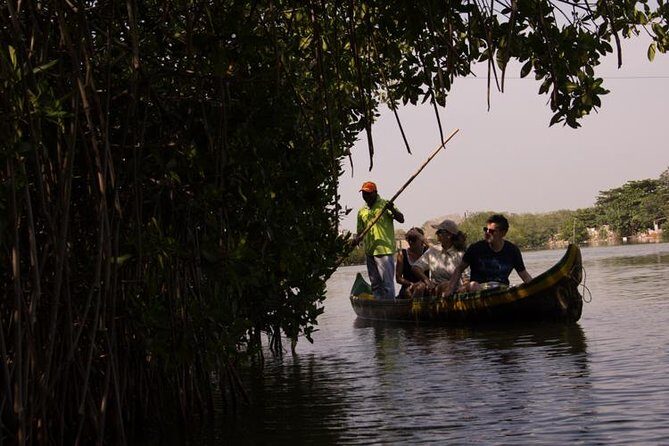
If you only know Cartagena for plazas, forts, and heat radiating off the streets, this tour is a reset button. You trade city noise for slow paddling under mangrove roots, with living tunnels overhead and birds working the waterline like they own the place. It’s not a theme-park version of nature. It’s local life happening right beside you.
I also like how the day is structured to teach you as you go. The stops build from mangrove forest to neighboring lagoon habitat, then finish in La Boquilla with fishermen who understand both the sea and the community that depends on it. You get context, not just captions.
And yes, the scenery is beautiful—but the real payoff is the way the ecosystem connects to livelihoods. The mangroves aren’t just scenery here; they’re a working system that supports birds, fish, and the people managing the water.
Other La Boquilla mangrove tours in Cartagena
The $159 Price: What You’re Actually Paying For
At $159 per person for about 3 hours, this isn’t the cheapest half-day option. But it’s also not overpriced in the usual “tourist surcharge” way.
Here’s what that price covers:
- Roundtrip transportation with hotel pickup and drop-off from Cartagena city center
- A bilingual guide (Spanish/English)
- A guided canoe tour with local fishermen
- A welcome drink (coconut water or bottled water)
- Environmental and cultural education during the route
What you get, in plain terms, is a guided experience that stays small (max 8) and includes real local expertise. When you compare that to tours that are just boat rides, the extra value is in the community-guided part—learning how locals clean and protect waterways and how mangroves help fish and birds return.
Morning Pickup and the Ride Out of the City
Your guide meets you at your accommodation in Cartagena at the scheduled time. During the drive toward La Boquilla, you get a quick introduction to the community you’ll visit and why mangroves matter here.
This preface matters more than you might think. In the city, mangroves can feel like a random natural feature. On the water, you’ll understand what you’re seeing: roots provide shelter, wetlands support feeding areas, and clean water helps rebuild fish life. The ride sets you up to notice details instead of just looking.
Ciénaga de la Virgen: Paddle Through Living Tunnels
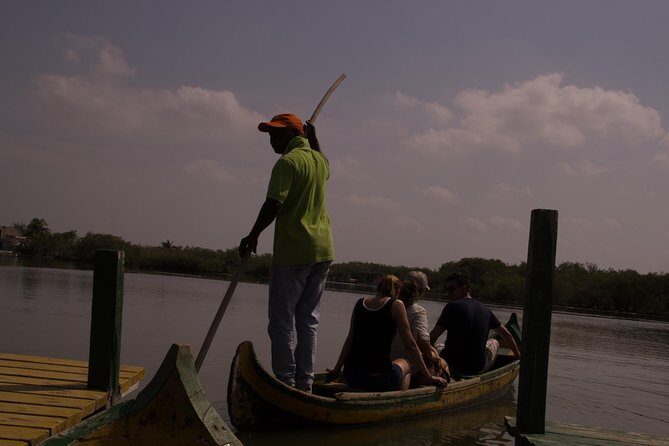
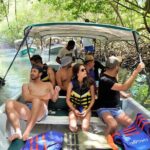
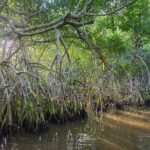
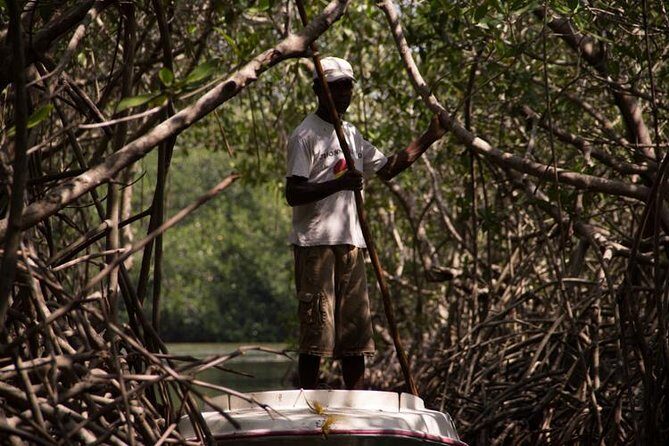
The first water stop is Ciénaga de la Virgen, where you paddle through natural tunnels and peaceful waterways. Mangrove roots form arches overhead, and the light under the canopy is softer than you expect.
This is the part of the day where you slow down. You’re not powering through a route. You’re drifting through a living corridor—watching how birds move along the edges and how fish activity shows up in small, subtle ways.
You’ll also hear how the community organized to clean and protect the waters. That restoration effort is the link between what used to be degraded and what you see now: a wetland that’s recovering, not just surviving.
Wildlife you can look for includes:
- egrets
- herons
- pelicans
- fish species tied to local livelihoods
Stop time here is about 30 minutes, but it doesn’t feel rushed. The calm pace gives you a chance to take in the “tunnel” effect properly.
Ciénaga de Juan Polo: Birdlife and a Lagoon That Matters
Next you head to Ciénaga de Juan Polo, a lagoon where conservation efforts have brought back native fish species. The birdlife is often the easiest sign that the ecosystem is doing better.
This stop is a shift from mangrove tunnels to a wider, more open water mood. You’re still in wetland territory, but the feeling changes. Expect more bird spotting and a sense of quiet water and shoreline rhythm.
The guide explains how this wetland supports both:
- biodiversity
- the village identity that grows around a healthy water source
This is one of the most valuable parts of the day for anyone who likes “why it works.” You’ll see how a community doesn’t treat the water as something separate from daily life. They treat it like their future food and future home.
Other mangrove and canoe eco tours in Cartagena

La Boquilla: Meet the Fishermen and See Culture With the Water
Then you arrive at La Boquilla, the fishing village where Afro-Colombian culture plays a central role. You’ll meet local guides and community leaders who turned environmental recovery into a community success story.
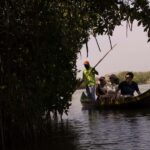
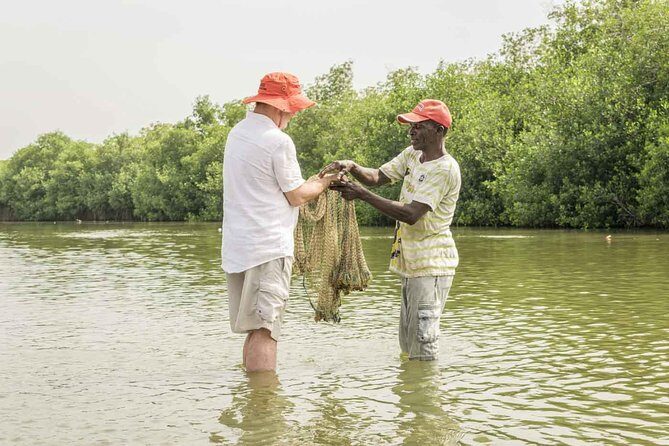
This is also where the day becomes more hands-on. You board your traditional canoe and set off to explore the mangrove-lined waters with local fishermen.
What stands out here is how practical the lesson feels. The fishermen don’t talk like academics. They talk like people who depend on the water every day. You’ll get real context on the fishing routines, what they look for, and what they’re trying to protect.
Based on the experience style and what people commonly highlight, you can expect learning around:
- net fishing techniques and how the fishermen work the water
- the fun challenge of trying for yourself (it’s harder than it looks)
- and, on some days, crabbing can be part of the activities, with the crab cooked afterward
Even if you’re not the best at catching anything, you’ll likely enjoy the process—because the focus stays on understanding, not just winning at fishing.
What the Canoe Time Feels Like (and What to Wear)
This tour is short on paper and long on comfort if you dress right.
You’ll want:
- sun protection (hat and sunscreen)
- comfortable clothing that can get damp
- water-suitable shoes (you’ll be near wet, uneven ground at times)
- a relaxed attitude about moving slowly
It’s rain or shine. Mangroves don’t care about plans, and the tour keeps going when weather allows. If it rains lightly, you’ll still be on the water and in the canoe atmosphere—so be prepared for a day that can shift from sunny to cloudy fast.
Also, the tour stays small (max 8 travelers), which helps because you’re not stuck in a big loud line. You can actually hear the guide and get questions answered.
Food and Drinks: Coconut Water and a Taste of the End of the Day
You’ll get a welcome drink—either coconut water or bottled water—which is a nice touch before you start paddling.
Some days include more food at the end. People often mention a meal and even the crab cooked after crabbing. The tour doesn’t list a full meal as a guaranteed item, so I treat it as a “likely extra” rather than something you should plan around—but it’s definitely part of the overall experience vibe.
If you’re hungry, bring your appetite. This is the kind of tour where your energy builds from the water time and the hands-on activity.
Who This Tour Suits Best
This tour is a strong fit if you like:
- nature that’s close to real human work
- wildlife sightings without crowds
- learning about conservation from people living the results
- gentle adventure (canoe paddling, not a strenuous hike)
It’s also a good choice if you want a Cartagena day that feels different from the historic-city circuit. You’ll still be near Cartagena, but you’ll leave with a new mental map of how the coast works.
Practical Tips Before You Go
A few things that help you get the most out of the day:
- Pack for water: shoes you can trust on wet ground and near the canoe
- Wear sun protection even if mornings look calm
- Bring a curious mindset for the conservation story (the guides connect it to what you’re seeing)
- If you’re hoping to spot birds, look for still moments—birds react to movement more than you think
- Go in expecting teamwork: hands-on fishing can be tricky, and that’s part of the learning
And if you can, ask your guide questions about how the community organizes clean-up and protection of the waters. That’s where the day becomes more meaningful than just scenery.
Should You Book This Mangrove Tunnels Tour?
Book it if you want the most authentic side of Cartagena that doesn’t require leaving the region. This experience pairs canoe time in mangrove ecosystems with a community-based conservation story and a real connection to fishing life in La Boquilla. The small group size and bilingual guide support make it easy to follow what’s happening and why.
Skip it if:
- you hate being in the water environment (even light dampness and wet ground)
- you’re only interested in fast, big-action sightseeing
- you need a purely indoor, climate-controlled tour
For most people, this is a smart value choice—not because it’s cheap, but because the day includes transport, guide help, conservation education, and a genuine local-led canoe experience.
FAQ
How long is the tour?
The tour lasts about 3 hours.
Where does the tour start and does it include hotel pickup and drop-off?
It includes roundtrip transportation from Cartagena city center, with pickup from your accommodation and drop-off back at the end.
What’s included in the price?
Included are expert bilingual guidance (Spanish/English), a guided canoe tour with local fishermen, a welcome drink (coconut water or bottled water), and environmental/cultural education. Transportation is also included.
Do I need to pay admission tickets during the stops?
Admission tickets are included for the Centro Histórico de Cartagena start and for the La Boquilla part. The Ciénaga de la Virgen and Ciénaga de Juan Polo stops list admission ticket as free.
Is the tour only in good weather?
It’s a rain or shine experience.
How big is the group?
The tour has a maximum of 8 travelers.
What should I bring for the canoe experience?
Bring sun protection like a hat and comfortable clothing and shoes suitable for water adventures.