REVIEW · CARTAGENA
Shared Coffee and Tobacco Tour of Cartagena
Book on Viator →Operated by Ronny Tours Cartagena · Bookable on Viator
Tobacco and coffee in Cartagena? You’ll feel it fast. This tour connects the dots between trade, social life, and what locals still do today, moving plaza to plaza through the city’s old business heart. You’ll also taste Colombian coffee and learn how tobacco went from shipping cargo to a cultural ritual.
I especially liked how the guide ties each square to a specific role in Cartagena’s economy, not just generic sightseeing. You get two real payoff moments: a stop at JHAZ Café Shop for a coffee cup experience, and a final visit to an artisan tobacco shop where you sample premium cigars and learn about pairing.
One thing to consider: the focus stays tightly on tobacco and the aromas around it. If you strongly dislike smoke smells or want a purely coffee-only tour, this may not feel like the best match.
In This Review
- Key highlights you shouldn’t miss
- Price, timing, and what $28 buys you
- Plaza de la Aduana: the port economy you can see
- Plaza de Los Coches: trade, slavery, and the road from ritual to habit
- Plaza de la Proclamación: when smoking and coffee signaled status
- JHAZ Café Shop: a coffee tasting built around process, not hype
- Tobacco Street and Plaza Santo Domingo: from storage to late-day life
- The artisan tobacco shop: sampling cigars and learning pairings
- Is this tour the right fit for you?
- Should you book Shared Coffee and Tobacco Tour of Cartagena?
- FAQ
- How much does the Shared Coffee and Tobacco Tour of Cartagena cost?
- How long is the tour?
- What time does the tour start?
- Where do I meet the guide?
- Where does the tour end?
- Is the tour offered in English?
- What’s included in the price?
- Are there any admission tickets required for the stops?
- Are tips included?
- What is the cancellation policy?
Key highlights you shouldn’t miss
- Plazas with clear trade stories tied to Cartagena’s port and colonial economy
- JHAZ Café Shop coffee tasting with explanations of growing, selection, and preparation
- Coffee and tobacco social customs shown through historic public squares
- Artisan cigar sampling plus pairing ideas with coffee or even rum
- Small group format (max 25) that makes questions easier
Price, timing, and what $28 buys you
This is a $28 tour in English that runs about 2 hours 30 minutes. It starts at 4:00 pm, which is a smart time in Cartagena: you get daylight to read the buildings, then you transition toward evening energy around the old center.
For the money, you’re paying for more than a walk. You also get a professional guide, coffee and/or tea, and tastings, plus the tour design includes multiple stops where admission is listed as free. The group is capped at 25 people, so you’re not stuck behind a crowd for the whole experience.
The guide energy is a big part of the value. People highlight Ronald (spelled Ronald or Ronaldo) for good spirits and enthusiasm, and also mention Gustavo Sanzo García as an excellent guide who makes Cartagena’s story easy to enjoy. In other words, this tour isn’t just facts on repeat.
A few more Cartagena tours and experiences worth a look

Plaza de la Aduana: the port economy you can see

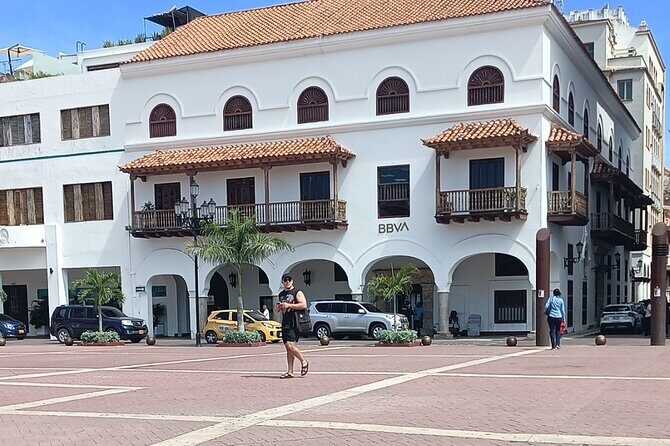
Your tour begins in Plaza de la Aduana, described as the largest square in Cartagena’s Historic Center. In colonial times, this was the control center for trade—ships arrived, goods were handled, and it was all managed through systems linked to the port.
The tobacco angle here matters. You’ll learn how tobacco was one of the major exported products, bringing real wealth to the Spanish Crown and reinforcing Cartagena’s importance as a shipping hub. The guide’s job is to help you understand why a place that looks like a square today was effectively an economic engine back then.
If you like history that feels practical, this first stop sets the tone well. You get a mental map for the rest of the tour: tobacco isn’t just a product, it’s tied to routes, power, and money.
Plaza de Los Coches: trade, slavery, and the road from ritual to habit
Next is Plaza De Los Coches, right at the main entrance of the walled city. The square has layers: it’s described as a car square and also tied to the slave market that worked for a long time, while still functioning as a trading point.
Here’s where the tobacco story shifts from pure export cargo to a more human social picture. You’ll hear how local products were sold around the portals, and how tobacco circulated in a way that moved beyond indigenous ritual into something more widely adopted as a social habit.
This stop is also a reminder to slow down. Cartagena’s old trading zones come with painful history, and this tour doesn’t scrub that part away by focusing only on pleasant details. It’s handled through context, not avoidance.
Plaza de la Proclamación: when smoking and coffee signaled status

Plaza de la Proclamacion (also referred to as Cathedral Square) is next. The square served official celebrations in the past and acted as a meeting point for the Creole elite, which is a useful clue for how public space worked in colonial Cartagena.
This is where the tour starts connecting tobacco directly to coffee in a social way. The guide explains how gentlemen smoked tobacco and paired it with talks over coffee, and how those customs became prestige markers and signals of social life.
I like this section because it’s not just “what happened.” It helps you picture everyday behavior: who would have been here, why they came, and what those habits meant in a society where status mattered.
JHAZ Café Shop: a coffee tasting built around process, not hype
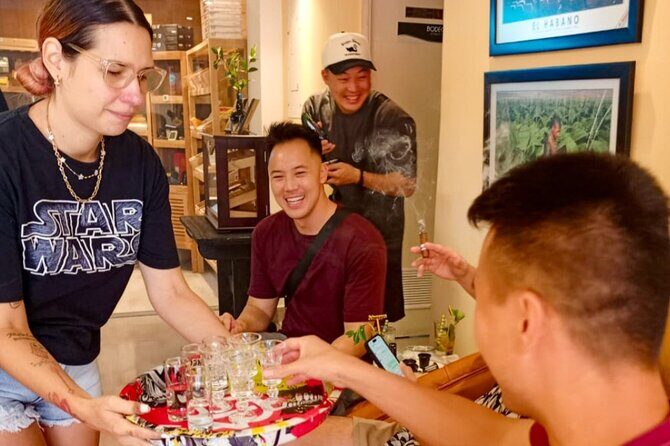
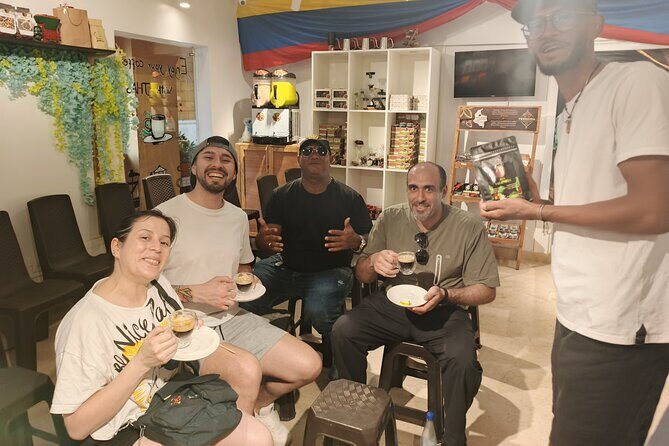
After the plaza circuit, you’ll stop at JHAZ Café Shop, one of Cartagena’s renowned cafes, for a special Colombian coffee cup. This is your clearest break from history into taste, and it’s timed nicely to reset your senses.
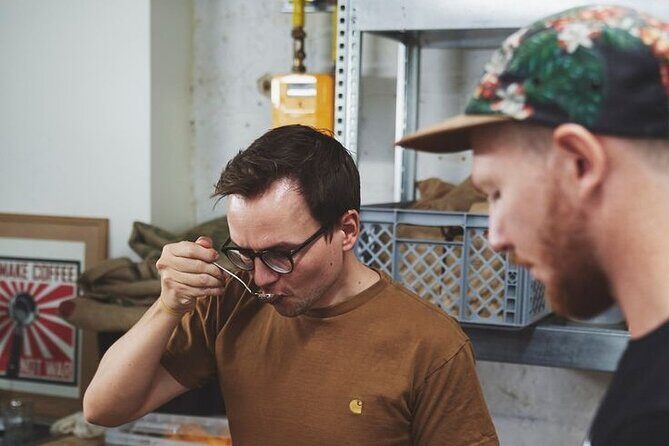
You should expect an explanation of how coffee is grown, selected, and prepared. The goal is understanding the chain of choices that turns beans into the cup you’re holding, plus why coffee became a point of national pride and cultural identity.
This stop is a strong value moment because it gives you a framework you can use after the tour. When you later buy coffee in Cartagena, you’ll know to ask about preparation and selection instead of just chasing strength.
If you’re a coffee person, this is likely the part you’ll remember most clearly because you’re tasting while the guide is teaching the method.



Tobacco Street and Plaza Santo Domingo: from storage to late-day life
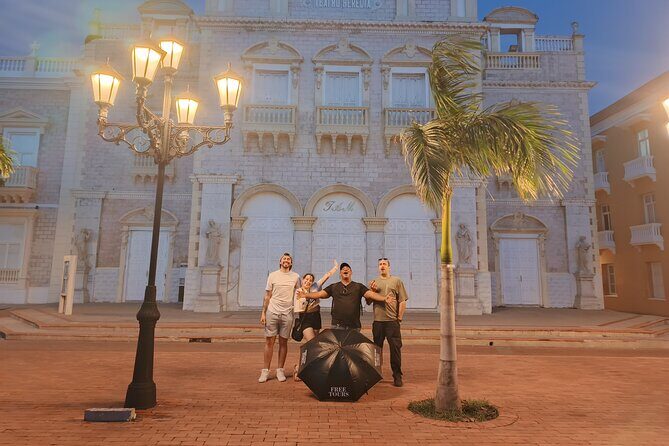
The middle of the tour leans back into tobacco, starting with Tobacco Street. The name is explained as connected to where tobacco leaving Cartagena for the Caribbean and Europe was stored and traded. That means you’re seeing the logistics side of the product’s journey, not only the drinking-and-smoking social side.
Then you reach Plaza Santo Domingo, one of the liveliest squares in the old center. Historically, it was a meeting point for merchants, travelers, and locals, where long chats and tobacco smoking were part of the scene. Over time, coffee also joined the mix, creating the kind of casual hangout atmosphere that still exists—now with restaurants, bars, and more evening energy.
I like how this stop ties everything together without pretending the present is the same as the past. You get an emotional sense of continuity: people have always gathered, talked, and shared rituals in public spaces, even as the exact details evolve.
Also worth noting for your own sightseeing: this plaza is connected to the famous Botero sculpture, La Gorda Gertrude, and it’s near the imposing church of Santo Domingo, described as the oldest in the city. Even if you don’t focus on art, it helps you anchor the story to real landmarks.
The artisan tobacco shop: sampling cigars and learning pairings
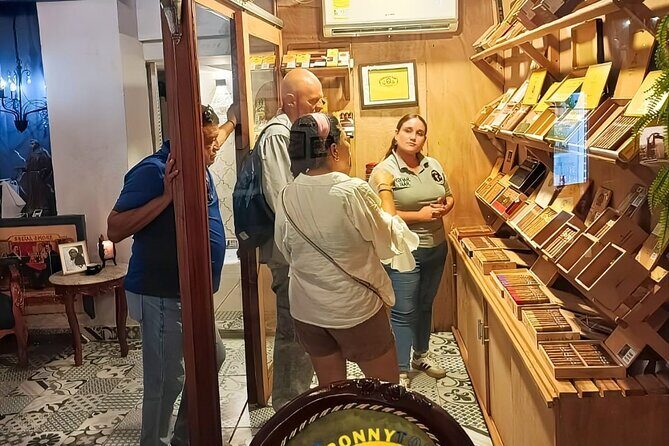
To close, you enter a store specializing in artisan tobacco for a final experience: you can sample premium cigars and learn more about Caribbean tobacco history. The tour also adds a practical twist by talking about how tobacco can be paired with coffee or even rum.
This final stop is where the tour turns from storytelling into sensory memory. After learning how tobacco moved through the city, you get to experience it as an aroma and flavor you can judge for yourself. It’s also a neat way to connect the tour’s two themes, since the coffee tasting earlier gives you something to compare with.
One consideration: tasting cigars means you’re dealing with smoke and strong smells. If you’re sensitive, you may prefer to keep your expectations light and focus on the pairing explanation rather than heavy sampling.
Is this tour the right fit for you?
This tour is a great match if you want a small-group, guided walk that ties culture to commerce. You’ll enjoy it most if you like history that’s tied to how people lived—where they traded, how they gathered, and what rituals meant socially.
It’s also a good fit if you’re a coffee lover. The JHAZ tasting isn’t just a sip; it’s paired with an explanation of growing, selection, and preparation, plus you’ll get a chance to think about pairings again at the end.
Consider skipping or adjusting expectations if tobacco-focused experiences aren’t your thing. The storyline keeps returning to tobacco as a central character, and the final shop stop is designed around cigars.
Should you book Shared Coffee and Tobacco Tour of Cartagena?
I’d book it if you want your Cartagena evening to feel like a story with taste, not just photos and plaques. At $28 for a 2.5-hour guided route with coffee/tea included and tastings built into the plan, the value is solid, especially with English commentary and a group size of 25.
I’d also feel good about booking if you care about guide energy. With strong mentions of Ronald (Ronaldo) and Gustavo Sanzo García for enthusiasm and clear explanations, this is the kind of tour where the guide can genuinely change how the city feels.
If you’re the type who wants coffee only, or you strongly dislike cigar smoke smells, you might choose something else. Otherwise, this is a fun, practical way to understand why Cartagena’s squares still connect people through coffee and tobacco—even centuries later.
FAQ
How much does the Shared Coffee and Tobacco Tour of Cartagena cost?
It costs $28.00 per person.
How long is the tour?
The duration is about 2 hours 30 minutes.
What time does the tour start?
The tour start time is 4:00 pm.
Where do I meet the guide?
You start at Plaza de la Aduana (Cl. 32 #130, El Centro, Cartagena de Indias).
Where does the tour end?
The tour ends at Plaza Santo Domingo (Cl. 35, El Centro, Cartagena de Indias).
Is the tour offered in English?
Yes, it is offered in English.
What’s included in the price?
The price includes coffee and/or tea, a professional guide, and a tasting of pure.
Are there any admission tickets required for the stops?
No. The stops listed include Admission Ticket Free.
Are tips included?
No. Tips are not included.
What is the cancellation policy?
You can cancel for free up to 24 hours in advance for a full refund. If you cancel less than 24 hours before the start time, the amount paid is not refunded.