REVIEW · CARTAGENA
Cooking Classes with All the Palenquero Flavor
Book on Viator →Operated by Restaurante Don Gustazo · Bookable on Viator
Bijao leaves and a four-century recipe. That’s the heart of this Cartagena cooking class: you learn a Palenquero-style pastel technique used for generations, then you sit down for the lunch you helped prepare. What makes it extra interesting is that the cooking lesson comes tied to Afro-Colombian culture, told by the women leading the class.
Two things I like a lot: first, the format is hands-on and doesn’t waste time, thanks to careful prep by your hosts. Second, the class has practical diet options, including vegan/vegetarian and gluten-free, so more people can actually join without guessing.
One consideration: it runs in a morning window, with the main session scheduled until about 12:30 PM, so if you like late starts or afternoons for activities, you’ll need to plan the rest of your day around it.
In This Review
- Key Things to Know Before You Go
- A Small-Group Palenquero Pastry Lesson in Cartagena
- Pickup, Transport, and the Morning Time Window
- What You Actually Cook: The Bijao-Leaf Wrap Method
- Step-by-Step Learning with Afro-Colombian Chefs
- The Cultural Story Behind Palenque Food
- Lunch: What You Eat and Why It’s a Real Meal
- Diet Options: Vegan/Vegetarian and Gluten-Free
- Price and Value: Is $102 Worth It?
- Who Should Book This Cooking Class (and Who Might Skip It)
- Quick Tips to Get the Most Out of Your Class
- Should You Book This Cooking Class?
- FAQ
- What is the duration of the cooking class?
- Is pickup from my hotel included?
- What’s included in the price?
- Is there a vegan/vegetarian or gluten-free option?
- What language is the class offered in?
- What time does the class run?
Key Things to Know Before You Go
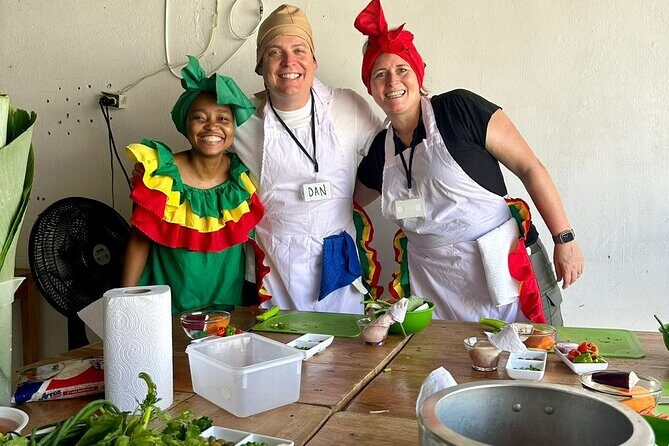
- Bijao leaves + natural fique fiber: you wrap and tie the filling the traditional way before cooking and serving.
- Small group (max 10): easier conversation with the chefs and better attention during the steps.
- Afro-Colombian culinary roots: you learn the cultural background behind the recipe while you cook.
- Lunch you make: you get a full meal experience, not just tasting bites.
- Diet options are built in: vegan/vegetarian and gluten-free options are available.
- English-guided: the class is offered in English, with guides accompanying you.
A Small-Group Palenquero Pastry Lesson in Cartagena
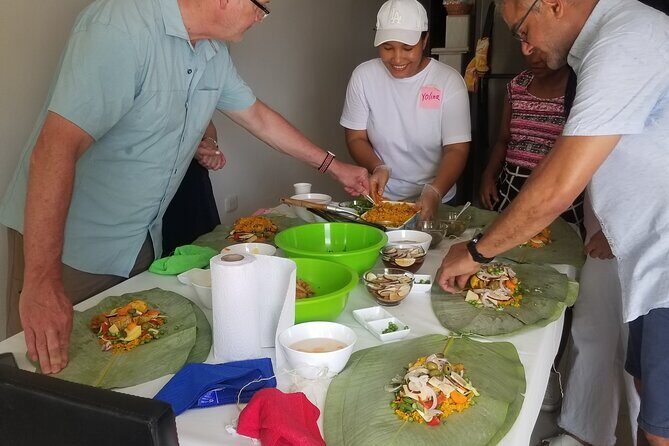
This is the kind of Cartagena activity that feels like part cooking class, part cultural visit, and part neighborhood life. You’re not just watching someone assemble food; you’re participating in a method tied to the Palenque region, shaped by Afro-Colombian community history and carried forward through family-style pastry traditions.
The small group size matters more than you’d think. With up to 10 people, you’re more likely to get clear guidance at each step and fewer bottlenecks around tools, ingredients, and the wrapping process.
Other Colombian cooking classes in Cartagena
Pickup, Transport, and the Morning Time Window
A big practical win is the included air-conditioned vehicle pickup. When you book, they coordinate pickup right away with your hotel so you can get to the cooking area without figuring out the “how do I get there” problem. That’s especially helpful in Cartagena, where the streets can be a maze and heat makes transit less fun.
The class is scheduled Monday through Sunday, and the working hours run from 9:00 AM to 12:30 PM. Since the overall duration is about 3 hours 30 minutes, the timing can feel like a half-day morning slot. If you like to sleep in, this one might mean rearranging your plans for the day.
You’ll also get a mobile ticket, which keeps things simple on the check-in side, and the activity is noted as being near public transportation if you’re meeting without pickup.
What You Actually Cook: The Bijao-Leaf Wrap Method
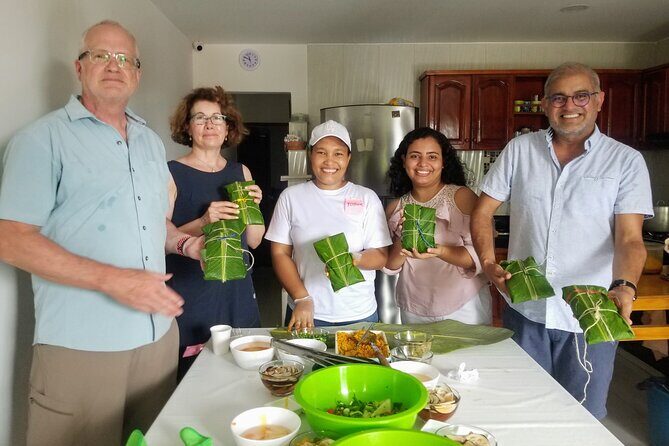
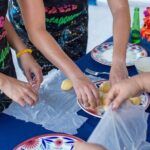
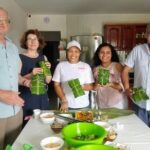
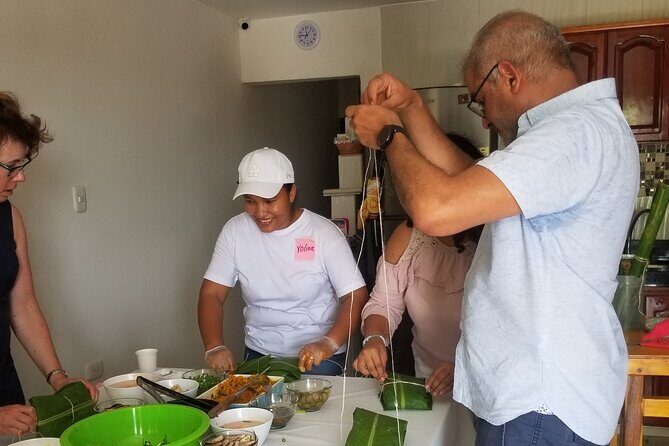
The core “wow” moment here is the wrapping technique. You’ll follow steps used for centuries to prepare a Palenquero-style recipe where everything goes into bijao leaves, then the parcels are tied with natural fique (fibers). That’s not just theatre. The leaf wrapper and natural tie are part of how the meal is cooked and how the flavors stay together.
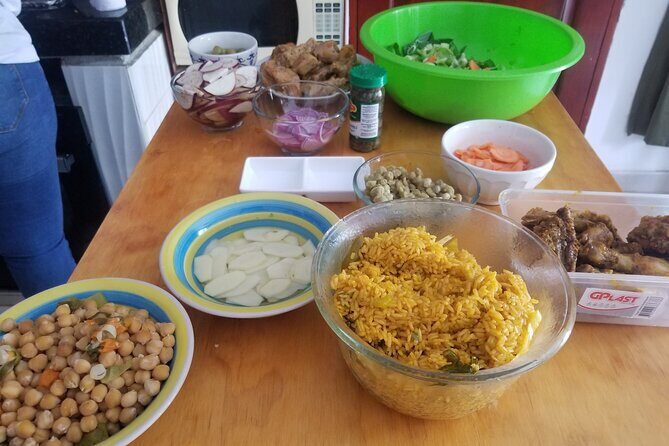
In the kitchen, you’ll be working with a filling that includes meat and vegetables and rice, plus subtle local spices. The menu also describes a rice element that includes thistle, which is one of those ingredients you may not see in most tourist food. You’ll learn how the seasoning is built into the process rather than added at the end.
For the vegetarian option, expect a vegetable-forward filling with choices like chickpeas, broccoli, and mushrooms. Even if you normally think of “vegetarian” as a compromise, this format is designed to make the wrapped pastel-style dish feel like the main event, not a side alteration.
Step-by-Step Learning with Afro-Colombian Chefs
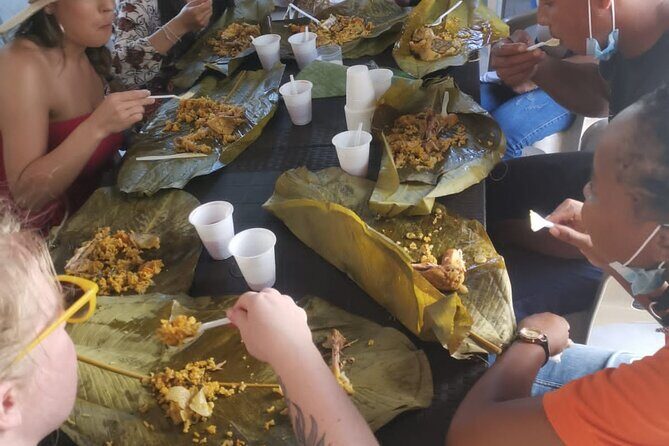
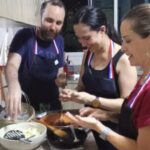
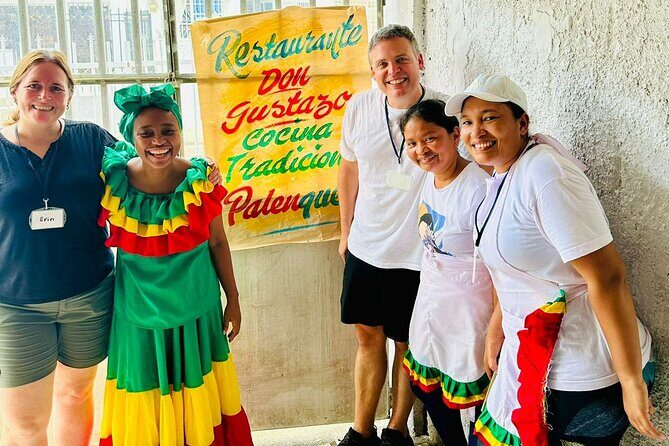
One reason people rate this class so highly is the teaching style. You’ll learn with guidance from two expert Afro-Colombian women, and that matters: they’re not just describing the steps, they’re running the room while you do the work. The class also includes advance preparation by the hosts, which means the session moves along at a good pace without you standing around waiting for everything to be ready.
In the guiding team, names that come up include Marcy and Yolina, with additional support from Orika and Dilia. Having multiple women involved also helps the experience feel more like a community kitchen than a classroom, and it gives you more chances to ask questions without feeling rushed.
During the cooking time, you’re not left idle. While the lunch is being prepared, you’ll have a refreshing drink and a snack. At the same time, you’ll get more context about the Afro-Colombian traditions behind the recipe—how a community formed, how food practices moved through generations, and why these dishes became a way of staying connected.
The Cultural Story Behind Palenque Food
The “history lesson” here doesn’t sit off to the side. It’s woven into what you’re cooking. You learn about Afro-Colombian culture and the traditions carried by chefs who settled in the Palenque region, and you hear how the community formed through the story of escaped enslaved people who created places of safety and culture.
In my view, this is the best kind of cultural explanation: practical and tied to real food habits. When someone tells you why a method exists—why the leaf wrapper, why the tied parcels, why the seasoning approach—the meal stops being just tasty and becomes meaningful.
And it’s not just heavy talk. The story shares space with activity, so it lands better. You get facts while your hands are busy, which also makes the three-and-a-half hours feel focused rather than stretched.
Other cooking classes in Cartagena
Lunch: What You Eat and Why It’s a Real Meal
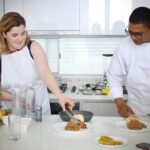
After the work, you eat what you made. The sample menu includes a main centered on a Palenquero-flavored pastel style dish (meat, chicken, rice, vegetables, and local spices), plus a vegetarian version with chickpeas, broccoli, and mushrooms.
You’ll also see Cartagena cake with palenquero flavor listed as part of the menu. That’s a nice touch because it broadens the experience beyond one savory dish. You’re not leaving with only one flavor memory; you get a fuller sense of the Palenque-influenced pastry world.
Expect lunch to be included, along with bottled water and snacks. That combination is part of the value. At $102 per person, you’re not paying like it’s only a “class.” You’re paying for instruction, cooking time, and an actual meal in the end.
One small note for planning: alcoholic beverages and soda/pop aren’t included. If that matters to your budget or taste, decide ahead of time what you want and whether you’ll buy drinks separately.
Diet Options: Vegan/Vegetarian and Gluten-Free
This is one of the most practical parts of the whole offering. The class says it has vegan/vegetarian options and gluten-free options. That’s rare enough in cooking classes that it’s worth taking seriously.
What I like about how they frame it: instead of saying “we can adjust,” they specify vegetarian fillings such as chickpeas, broccoli, and mushrooms. That suggests your plate won’t be an afterthought.
If you’re gluten-free, this is also the kind of activity where you’ll want to communicate your needs at booking, so the kitchen can plan accordingly. With the session designed for different versions, you’re more likely to feel taken care of rather than squeezed into a last-minute workaround.
Price and Value: Is $102 Worth It?
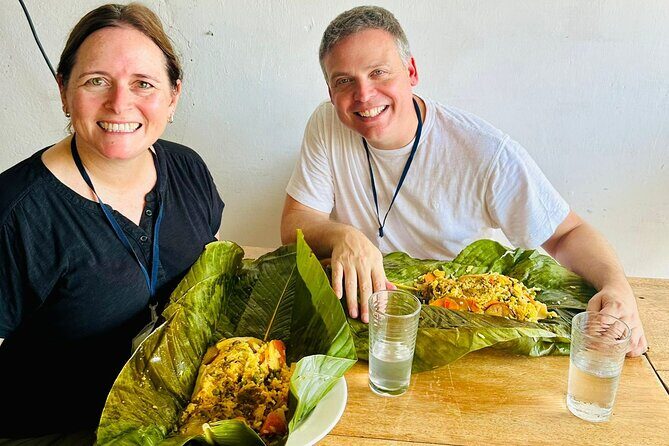
At $102 per person for about 3 hours 30 minutes, this isn’t a bargain-basement cooking class. But the package adds up in ways that travel budgets actually care about.
You’re getting:
- Air-conditioned vehicle transport with pickup
- Lunch included (not just tasting samples)
- Bottled water and snacks
- Small-group instruction led by Afro-Colombian chefs
- English guidance
When you compare it to the cost of a good guided food experience plus the meal you’d buy anyway, the math gets more reasonable. The key value is that you’re paying for both the food and the meaning: you’re learning a technique (leaf wrapping and fique tying), plus you’re hearing how the community and tradition connect to the recipe.
If you’re the type of traveler who enjoys cooking methods and wants a story to go with the food, this price can feel fair. If you only want a quick bite and don’t care about technique, you might feel like it’s more than you need.
Who Should Book This Cooking Class (and Who Might Skip It)
This fits best if you want:
- A hands-on food activity in Cartagena, not just eating out
- Cultural context taught by people connected to the tradition
- A class format that supports vegetarian/vegan and gluten-free
- A morning plan that leaves you free to explore the city afterward with a full stomach
It might not be your best match if you:
- Prefer afternoon activities and don’t want to start early
- Want a super-fast “taste and leave” food stop
- Are looking for a class focused more on technique like bread-making chemistry rather than a traditional wrapped pastel method
The sweet spot is someone who likes practical learning and appreciates local, community-rooted food.
Quick Tips to Get the Most Out of Your Class
A few simple moves will make this more fun:
- Come hungry. You’ll work through the steps, then you’ll eat your lunch.
- If you’re vegetarian/vegan or gluten-free, double-check your request at booking so the kitchen can plan.
- Ask questions while you cook. This format works best when you treat it like a conversation, not a lecture.
- Wear comfortable clothing. You’ll be active in a kitchen setting and handling ingredients.
Should You Book This Cooking Class?
I’d book it if your idea of a great Cartagena day includes real instruction, a traditional method you can remember (bijao leaves and natural fique tying), and a meal that feels like more than a snack. The small group size, English guidance, and included lunch and drinks make the experience easier to say yes to.
Skip it if your schedule only works in the afternoon or if you don’t want a hands-on food lesson. For the rest of us, this is a solid, culturally grounded way to spend half a morning and walk away with both a recipe you understand and a story you’ll remember.
FAQ
What is the duration of the cooking class?
The class lasts about 3 hours 30 minutes.
Is pickup from my hotel included?
Yes. Pickup is offered, and they coordinate transfer from your hotel to the area where the class takes place in an air-conditioned vehicle.
What’s included in the price?
The price includes lunch, bottled water, snacks, and transportation by air-conditioned vehicle.
Is there a vegan/vegetarian or gluten-free option?
Yes. Vegan/vegetarian options are available, and the class also offers gluten-free options.
What language is the class offered in?
It is offered in English.
What time does the class run?
The scheduled hours are from 9:00 AM to 12:30 PM, and it runs Monday through Sunday.