REVIEW · CARTAGENA
Cartagena Real : neighborhood, mangrove, fishing, typical lunch and culture
Book on Viator →Operated by EXPERIENCES CARTAGENA · Bookable on Viator
Mangroves meet everyday Cartagena. This tour takes you into the mangrove tunnels of La Boquilla, guided by local narrators, then shifts to fishing and culture before winding down at the quiet Playa de la Boquilla. It’s a rare way to see Cartagena that feels close to real coastal life, not just postcards.
Two things I like a lot are the hands-on fishing (crab cages and fishing practice, plus time on the water) and the culture stop with drumming and dance on Fisherman’s Island. Guides such as Jamie and Shay are praised for making the day feel organized, friendly, and easy to follow.
One thing to consider: this is a water-and-sun day, and it depends on good weather, so plan for humidity, bring sun protection, and expect the pace to follow the sea.
In This Review
- Key reasons this tour works
- Boquilla Mangroves: Natural Tunnels With Local Narration
- Fishing in La Boquilla: Crab Cages and Net-Casting Practice
- Fisherman’s Island: Drumming, Dance, and Coastal Community Culture
- Playa de la Boquilla: Quiet Swimming Time Away From the Hustle
- Lunch and Local Food: A Typical Colombian Meal After Being on the Water
- Small Group Day, Clear Hosting, and How the Morning Moves
- Value Check: Getting Mangroves, Fishing, Culture, Beach, and Lunch for $45
- Who should book Cartagena Real, and who might skip it
- Should you book this tour?
- FAQ
- How long is the Cartagena Real tour?
- How much does it cost?
- Where does the tour start?
- What is the group size limit?
- What do you do during the mangrove part?
- Do you fish or just watch?
- Is there beach time?
- Is lunch included?
- Is it suitable for kids or most people?
- Are service animals allowed, and does weather matter?
Key reasons this tour works
- Mangrove canoe through natural tunnels with native storytelling
- Real fishing participation rather than just watching
- Fisherman’s Island culture: drums and dance with locals
- Quiet, safer beach time at Playa de la Boquilla
- Lunch as part of the local day (often a mojarra-style meal)
Boquilla Mangroves: Natural Tunnels With Local Narration
Cartagena’s Old City gets most of the attention. This experience takes you sideways to La Boquilla, where the coast is braided with mangroves and working-water traditions.
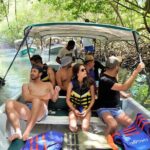
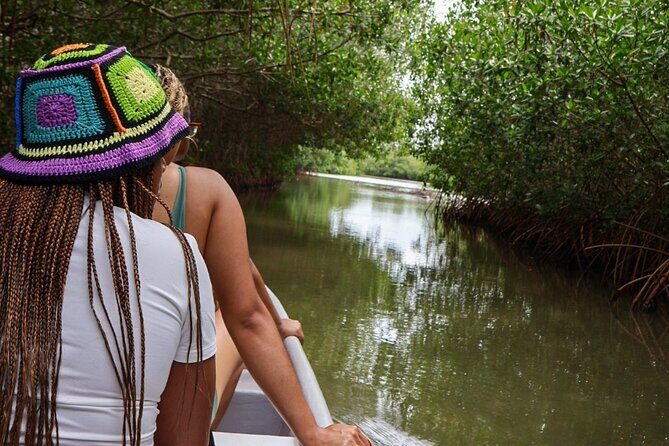
The heart of the day is the mangrove eco portion: you head through natural tunnels formed by mangrove roots and channels. The guiding focus is not just scenery. You’ll hear about how the ecosystem works and the way local people relate to it, with narration provided by natives.
What I like about this structure is that the mangroves don’t get treated like a museum exhibit. You’re moving through the environment. That movement helps you connect what you’re seeing—crabs on the surface, termite mounds/nests, the way the roots shape the water—with how people live nearby and rely on the coast.
A couple practical notes for this part of the day:
- Bring footwear that can get wet and still grip on boat steps.
- If you’re prone to motion sensitivity, take it easy early and keep your eyes on the horizon.
Other mangrove and canoe eco tours in Cartagena
Fishing in La Boquilla: Crab Cages and Net-Casting Practice
This tour isn’t a sit-and-snap “nature walk.” You get involved in fishing, which is a big reason the reviews are so consistently positive.
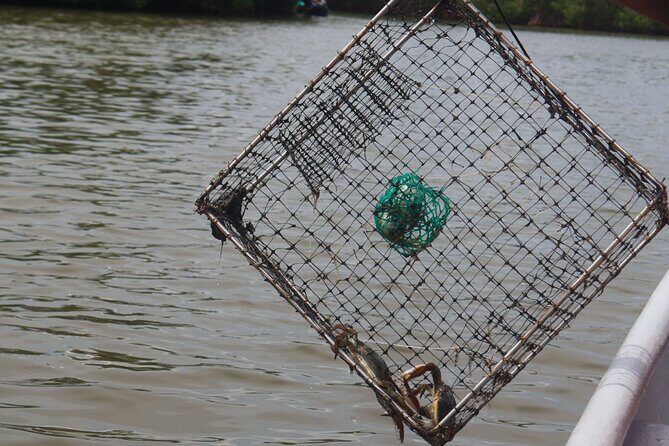
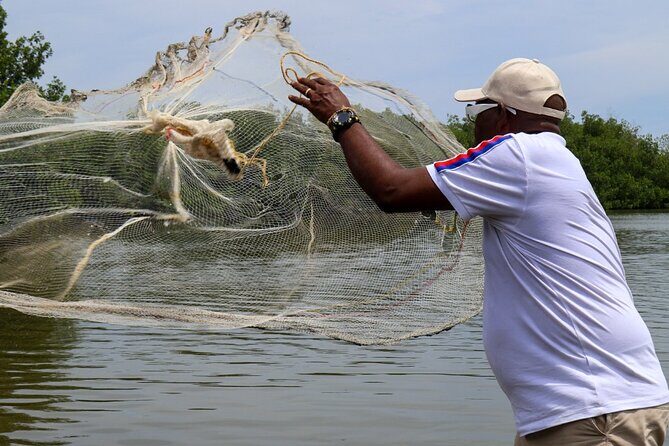
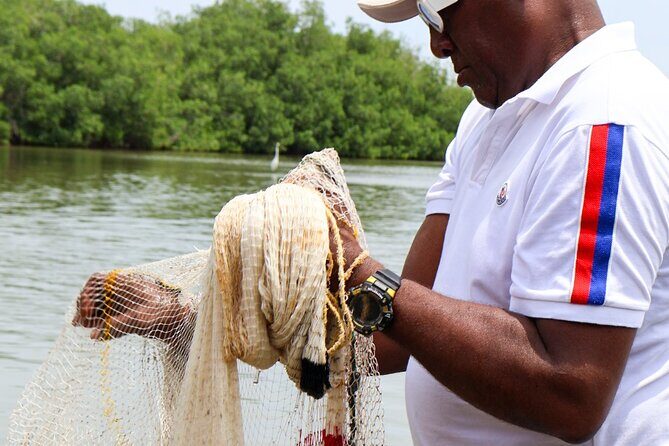
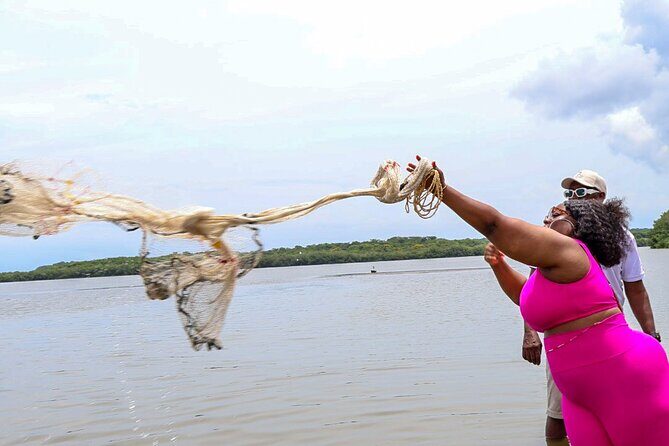
Once you’re out, you’ll learn and practice techniques. People describe crab fishing where they help with crab cages, plus time fishing with nets (including attempts at different catches). The best part is the instruction feels practical and doable, even if you’ve never held a fishing net in your life.
One standout detail from the experience notes: you don’t just get a lesson and move on. You actually participate—dropping cages, trying casting, and generally getting a feel for what “working with the water” means. That also gives you a better appreciation for why the mangroves matter. These roots are not just scenery; they’re part of the fishing ecosystem.
If you want the day to feel fun (not like a chore), go in with the right mindset:
- Expect to get wet and to repeat steps a few times.
- Think of it as learning by doing, not performance.
- Ask questions. Guides like Jamie and Shay are repeatedly mentioned for answering them clearly and patiently, and for keeping the mood light while still being serious about safety.
Fisherman’s Island: Drumming, Dance, and Coastal Community Culture

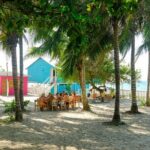
After the fishing time, the tour shifts gears to culture on Fisherman’s Island. This is where the day stops being only “nature and hands-on activity” and becomes a glimpse of how community life shows up in music and movement.
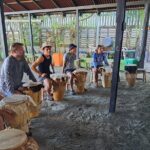
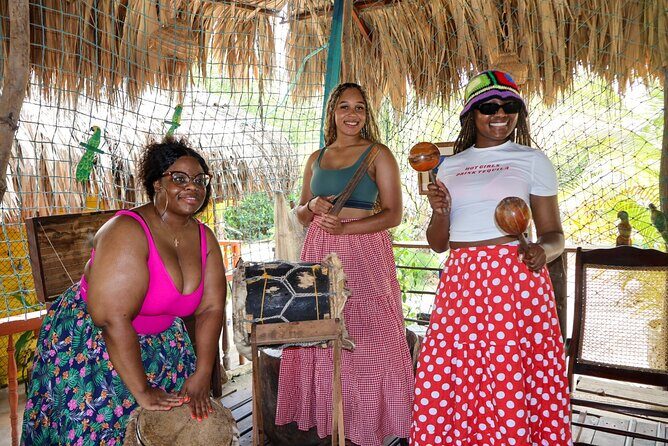
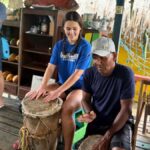
You’ll see and take part in drumming and dance. People also describe the experience as welcoming and energetic, with family ties and local hosting felt directly in the flow of the program. It’s not staged from a distance. The vibe comes from locals sharing what they do and how they celebrate.
There’s also an animal-nature angle mentioned by multiple people, including time focused on what’s living around the mangroves and channels. The key is that this doesn’t replace the ecosystem education from earlier—it adds another layer, showing how the community reads the coast as both livelihood and home.
If you’re traveling with kids, this part often lands well because it’s interactive and easy to join. Adults usually like it too, because it connects the dots between “why mangroves” and “how people live.”
Playa de la Boquilla: Quiet Swimming Time Away From the Hustle
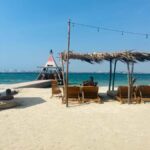
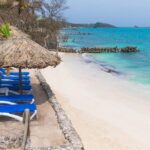
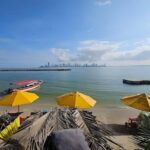
Once you’re back on land, the tour includes beach time at Playa de la Boquilla. This segment is described as the quietest and safest beach option in the city, with guidance from bilingual natives.
The practical value here is simple: Cartagena’s coastline can be loud, vendor-heavy, and crowded in some areas. This beach stop is positioned as a calmer break, so you can swim without constantly negotiating for space or attention.
You also get time to cool down after time in sun and water. Some folks even call out that coconut water is served, which is exactly what you want after being in the heat. Even if you skip the coconut water, do plan to hydrate well.
For this part of the day, I suggest:
- Bring a small towel and a dry shirt if you have one.
- Use water-friendly sunscreen and reapply.
- Give yourself a little time to decompress. This beach break works best when you don’t rush it.
Lunch and Local Food: A Typical Colombian Meal After Being on the Water
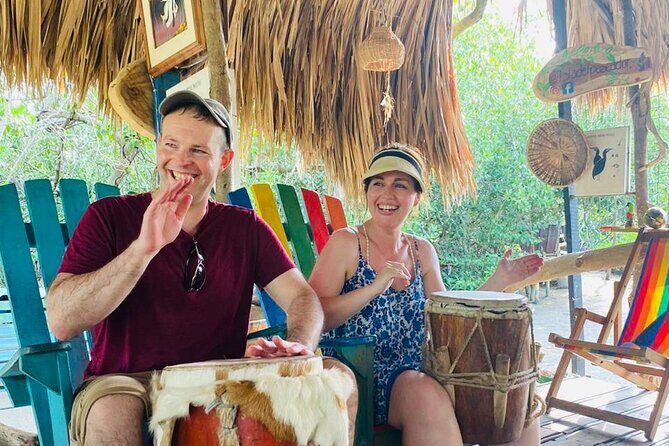
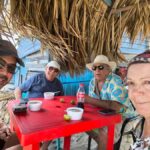
Food is part of the reason this tour feels like a full day, not just a half-day excursion. Multiple people describe a Colombian lunch served after the activities, and mojarra is specifically mentioned.
One review note that stands out: if you skip the lunch option, you’ll likely be hungry by the end. That’s believable when you spend hours on boats, then get into water, then finish at a beach.
What I think is smart about including food here is timing. Lunch comes when you’re naturally ready for it, and it helps you refuel without having to find a restaurant on your own afterward.
To get the most out of it, treat lunch as part of the day’s pacing:
- Eat enough to reset your energy.
- Keep it lighter if you’re prone to stomach issues in heat.
- Then enjoy the beach time without dragging yourself through it.
Other fishing and crabbing tours in Cartagena


Small Group Day, Clear Hosting, and How the Morning Moves
This experience caps at 20 travelers, which matters more than you might think. Smaller groups usually mean less waiting, more chances to ask questions, and a smoother shift between mangroves, fishing, culture, and beach.
The starting point is easy to locate: Plaza de la Aduana, Cl. 32 #130, in El Centro. The tour also notes it’s near public transportation, which is helpful if you’re not using a taxi for every hop.
Pick-up rules can vary by booking, but at least one person reports that hotel pick-up can be arranged and described it as well organized. If you’re staying near the historic center, you might still find it simpler to meet at Plaza de la Aduana, then let the hosts handle the rest.
Booking and confirmation are handled quickly, since confirmation is sent at the time of booking. And because the day is weather dependent, it’s smart to book with flexibility if your schedule has some wiggle room.
Finally, English support is a real point in the reviews. One person specifically mentions impeccable English, and the beach portion is described as guided by bilingual locals. That combination makes it much easier to get real explanations, not just generic commentary.
Value Check: Getting Mangroves, Fishing, Culture, Beach, and Lunch for $45
At $45 per person for about four hours, this tour is priced in a range that usually buys you either a short guided activity or one themed stop. Here, you get several parts in one flow: mangrove tunnels, fishing participation, culture on Fisherman’s Island, beach time, and a local lunch option.
The biggest value isn’t just the number of activities. It’s the fact that the day is built around local hosting and participation. When you’re allowed to try fishing (not just observe it) and join the cultural moment with drumming and dance, the time feels less like a checklist and more like a shared day.
You’re also getting admission coverage for the mangrove eco portion, while the beach segment is noted as admission free. Even if you ignore that detail, the broader value stands: you’re paying for transportation and guided access to places that aren’t simply “grab a map and go.”
If you want the highest satisfaction per dollar, do this:
- Show up ready to get wet and be active.
- Choose the lunch option so you don’t end the day hungry.
- Ask your guide about what you’re seeing as you go. That turns the day from fun into understanding.
Who should book Cartagena Real, and who might skip it
I’d point this tour to you if you want something beyond Cartagena’s old walls and plazas. It’s a good match if you like nature that’s close to the city, if you enjoy hands-on activity, and if you’re open to seeing La Boquilla as a working neighborhood with a strong local identity.
It’s also a solid pick if you’re traveling with kids, since the program includes interactive moments like fishing practice and dance/drumming.
You might consider a different plan if:
- You’re not comfortable with water, boats, or getting sun exposure.
- You have a tight schedule and four hours plus weather uncertainty is risky.
- You mainly want purely relaxed sightseeing with minimal participation.
Should you book this tour?
If you want a true side of Cartagena—mangroves, fishing culture, music, and a quiet beach—you should book Cartagena Real. The small group size, the chance to participate, and the way guides like Jamie and Shay are praised for clear hosting make it an easy yes for active travelers.
Just go prepared: good sun protection, wet-ready clothes, and a lunch plan. If the weather cooperates, this is the kind of tour that leaves you with stories that don’t sound like the usual checklist.
FAQ
How long is the Cartagena Real tour?
The experience runs for about 4 hours.
How much does it cost?
It costs $45.00 per person.
Where does the tour start?
You meet at Plaza de la Aduana, Cl. 32 #130, El Centro, Cartagena de Indias, Bolívar, Colombia.
What is the group size limit?
The tour has a maximum of 20 travelers.
What do you do during the mangrove part?
You go on an eco tour through natural tunnels covered by mangroves, and you learn about the ecosystem’s history narrated by natives.
Do you fish or just watch?
You do more than watch. The experience includes getting in the water and participating in fishing activities such as crab fishing and fishing with nets.
Is there beach time?
Yes. The tour includes Playa de la Boquilla, described as quiet and safe, with time to enjoy the sea away from vendors and heavy crowds.
Is lunch included?
A typical Colombian lunch is part of the experience, and mojarra-style lunch is mentioned. There’s also an option for lunch, so plan for it if you don’t want to go without food.
Is it suitable for kids or most people?
Many people describe it as kid friendly, and it notes that most travelers can participate.
Are service animals allowed, and does weather matter?
Service animals are allowed. The experience requires good weather, and if it’s canceled due to poor weather you’re offered a different date or a full refund.