REVIEW · CARTAGENA
Tour Compartido de Gabriel García Marquez en Cartagena
Book on GetYourGuide →Operated by Beyond Colombia · Bookable on GetYourGuide
Gabo’s Cartagena feels like a backstory you can walk into. In San Diego, you trace the colonial streets tied to Gabriel García Márquez and hear how the city’s everyday life fed his magical realism. It’s a literature walk that treats the neighborhood like a living book.
I like two things a lot. First, the guide explains Gabo’s life and novels in clear, practical storytelling (not a lecture). Second, the tour points out real architectural details—balconies, houses, and street corners—that make the stories feel grounded.
One drawback: this is a serious walking tour. You’re on your feet for about 8 km, with stops, so comfortable shoes and stamina matter.
In This Review
- Key highlights worth showing up for
- San Diego District: why this neighborhood fits García Márquez so well
- Starting near Botero’s Gertrudis: the easiest way to get oriented
- Plaza de San Diego: where Cartagena’s “golden era” turns into story fuel
- Colonial streets and house fronts: spotting the details that shaped his imagination
- Power, faith, and “secrets” in the old neighborhood
- Gabo’s legacy on the move: connecting Nobel work to real places
- Walking logistics: 2 hours (or about 2.5) plus the 8 km factor
- Value check: does $12 buy a real experience?
- Who this tour is best for (and who should think twice)
- The practical “don’t get caught off guard” list
- Should you book the Gabriel García Márquez San Diego tour?
- FAQ
- How much does the Tour Compartido de Gabriel García Marquez cost?
- Where does the tour start?
- How long is the tour?
- What language is the guide?
- Is it a walking tour?
- What should I bring?
- Is it wheelchair accessible?
- Who might not be suited for this tour?
- What’s included in the price?
- What is not included?
Key highlights worth showing up for
- San Diego District on full display: colonial streets tied to Gabo’s early inspirations
- Plaza de San Diego: a literary-feeling stop where the city’s golden era comes into focus
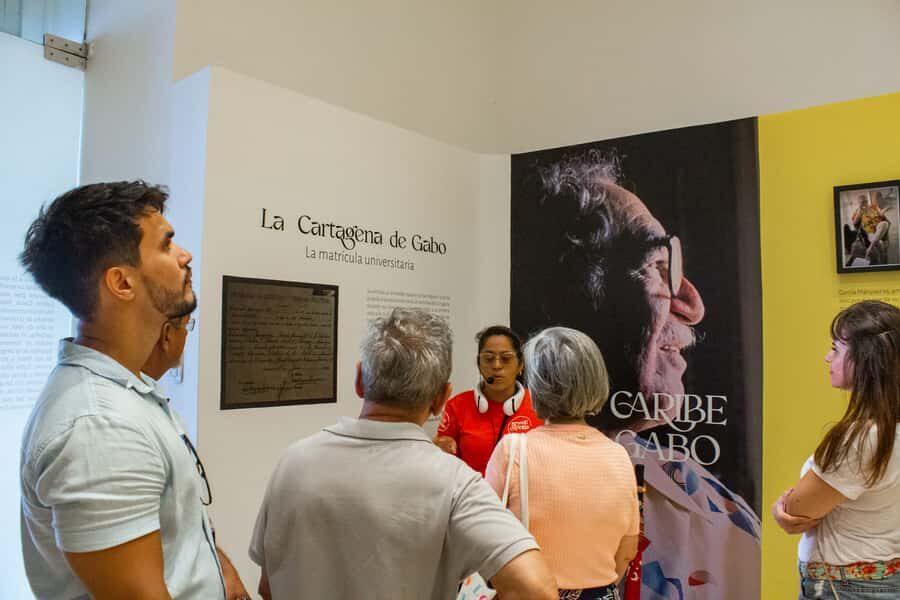
- García Márquez legacy, explained simply: life details and Nobel context connected to Cartagena places
- Colonial balconies and house fronts: architecture as an engine for imagination and status
- Magical realism as a local mood: the tour frames it as something Cartagena created, not something invented
San Diego District: why this neighborhood fits García Márquez so well

Cartagena has a lot of charming corners, but San Diego is different. It’s one of the older neighborhoods within the walled city, and the tour leans hard into how it functioned as the area where power and spirituality mixed. That matters, because García Márquez didn’t just write about love and demons—he wrote about societies, beliefs, politics, and memory.
This tour treats the district like a stage. You’re not only seeing pretty streets; you’re learning why these streets could plausibly become the settings behind novels like Love in the Time of Cholera and Of Love and Other Demons. The pitch is literary, but the method is physical: walk the lanes, watch the balconies, notice the entrances, and connect the “real Cartagena” to the “universal literature.”
If you're still narrowing it down, here are other tours in Cartagena we've reviewed.



Starting near Botero’s Gertrudis: the easiest way to get oriented
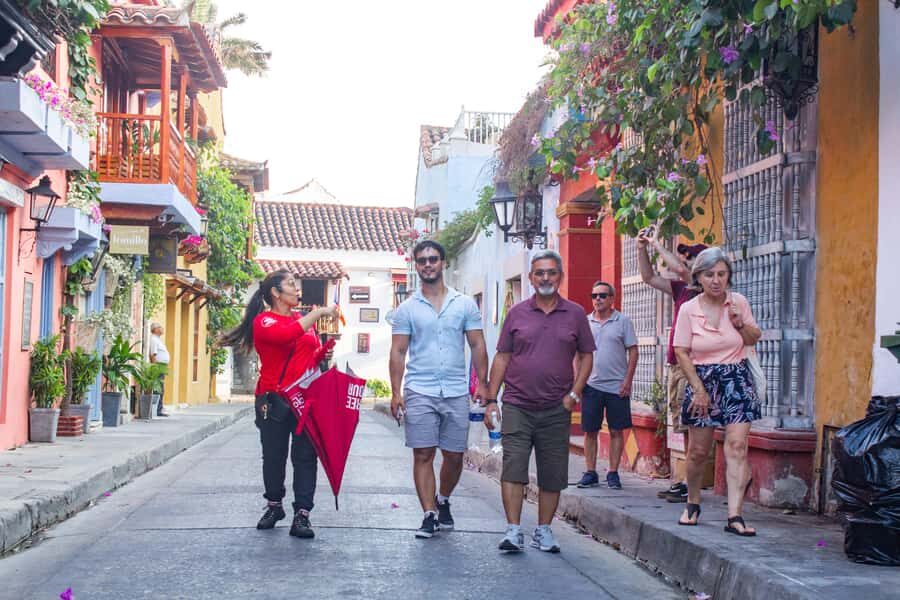
You meet in Santo Domingo Square at the Botero sculpture named Gertrudiz, with the Red Beyond Colombia team. This is a smart starting point because Santo Domingo Square is a recognizable anchor, and it’s easy to find compared to meeting on a side street.
From there, you move into San Diego on foot. The guide sets the tone early—this isn’t a quick photo stop route. Expect a narrative that keeps blending daily life with faith, politics, and the kind of atmosphere that makes magical realism feel possible on the street you’re standing on.
Plaza de San Diego: where Cartagena’s “golden era” turns into story fuel
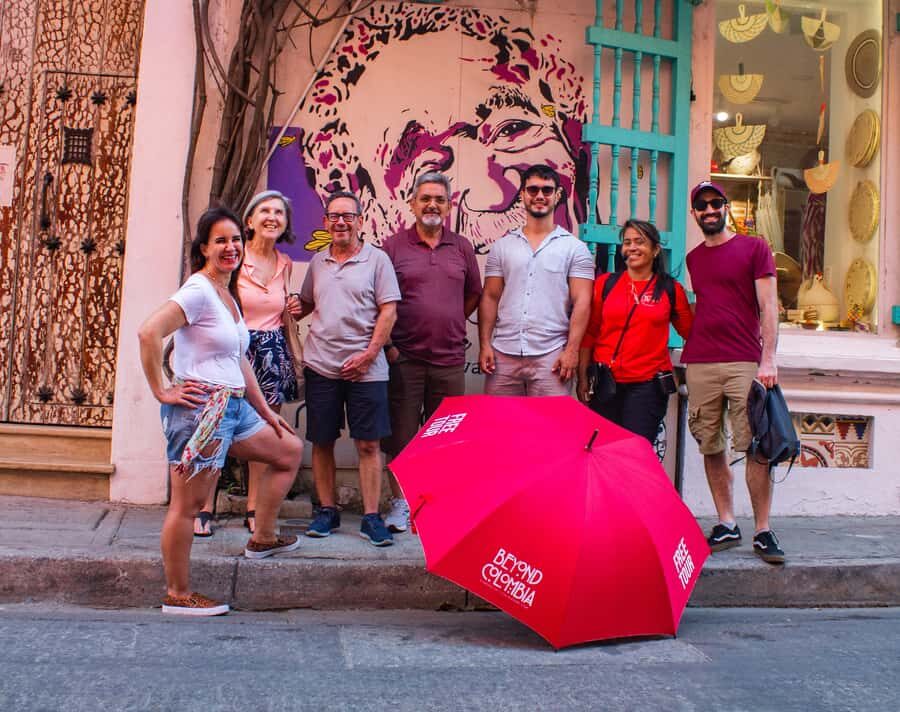
One of the most targeted stops is Plaza de San Diego. The tour frames it as more than a square; it’s a setting that echoes Cartagena’s “golden era” and the literary mood of that time.
Here’s what makes it valuable: you’re given the “why” behind the mood. You learn how Cartagena—its rhythms, beliefs, and social structure—helped shape Gabo’s emotional world. If you like understanding the atmosphere behind a book (not only the plot), this is a highlight you won’t rush.
Colonial streets and house fronts: spotting the details that shaped his imagination
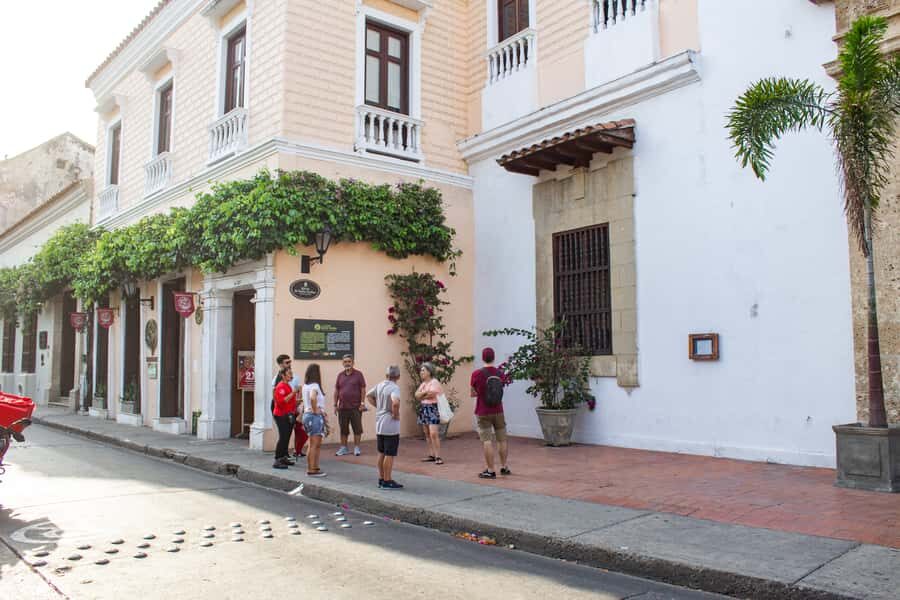
San Diego’s colonial architecture isn’t decorative here—it’s evidence. The guide points out features like colonial balconies and house fronts that helped shape what Gabo imagined on the page. If you’ve ever wondered how a writer’s setting becomes a character, this is where it starts making sense.
A few details the tour emphasizes:
- Balconies as symbols: not just pretty, but tied to status and family pride
- Colonial houses as memory: the idea that every doorway and facade carries social meaning
- Hidden movement: some houses historically used internal corridors so people could move unseen
Even if you only catch a few of these cues while walking, the tour helps you train your eye. You start looking past “old buildings” and toward social clues—who had visibility, who had privacy, and how public life and private life could overlap in the same neighborhood.
Power, faith, and “secrets” in the old neighborhood
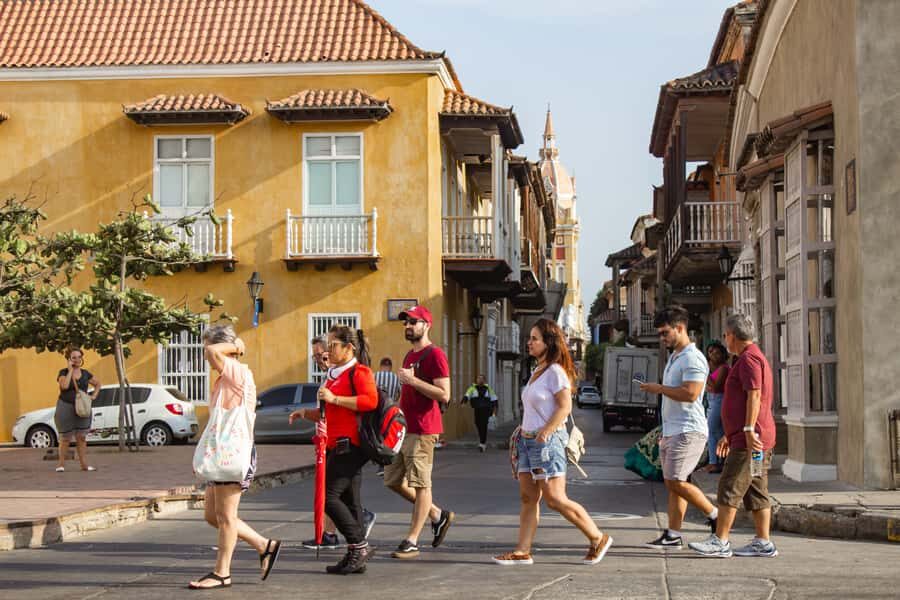
San Diego is presented as the district where faith and politics often walked together. That theme shows up in the way the guide talks about the neighborhood’s past role and the religious orders that once held influence there.
This is also where the tour gets at the darker, more mysterious side of Cartagena’s past—without turning it into spooky theater. The text explains that convents managed part of the colonial economy and that some bells date back to the 17th century. You don’t just hear facts; you get a sense of continuity, like the neighborhood still rings with older rhythms even after centuries.
And yes, you’ll hear the “everything has a secret” framing. Just treat it as a lens, not a promise of something dramatic at every corner. The payoff is understanding how a writer could turn everyday power structures and religious life into story magic.






Gabo’s legacy on the move: connecting Nobel work to real places
The center of the experience is the idea that many characters weren’t pulled from thin air. The tour explains that some characters were inspired by people and types who once walked these streets. That’s a huge shift in how you read his work—less distant “literary invention,” more observation filtered through memory.
The guide ties together several threads:
- Gabo’s life and Nobel legacy
- how Cartagena shaped his writing
- which neighborhood settings appear in his stories
- why San Diego is described as an emotional laboratory where reality could turn into magical realism
One practical benefit: if you only know a couple Gabo titles, don’t panic. The tour language is set up for people who want the context without needing a literature degree. Past bookings highlight that the guide explains with simple, clear words, and that style makes the references feel less intimidating.
Also, the tour includes Gabo’s house in Cartagena as one of the essential places. Even if you don’t memorize every detail, it helps connect the human scale of his life to the larger literary scale of his work.
Walking logistics: 2 hours (or about 2.5) plus the 8 km factor
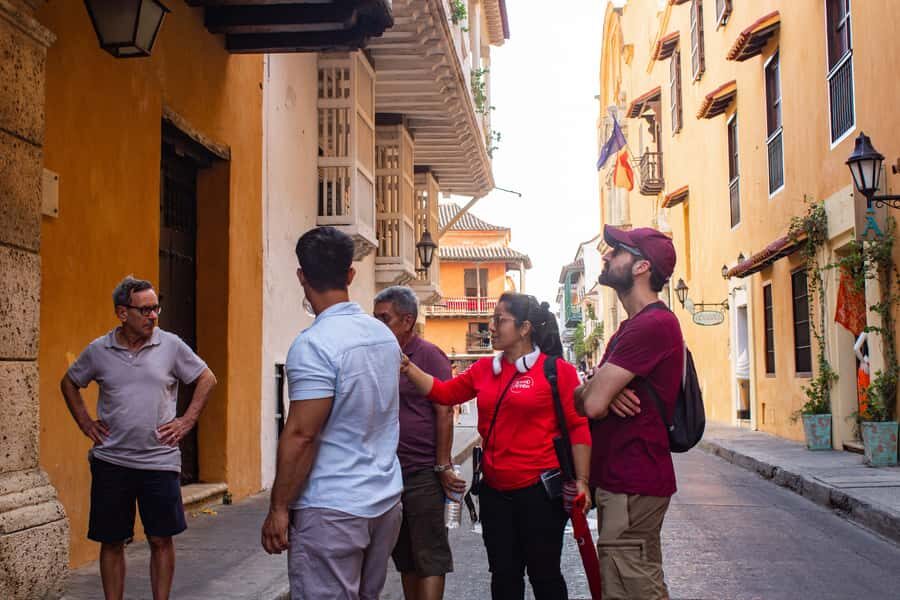
Here’s the thing to plan around: the tour is listed as 2 hours, but the experience description says it runs about 2 hours and 30 minutes. On top of that, you’ll walk roughly 8 km with rest stops for listening.
So what should you do with this info?
- Wear comfortable shoes. This isn’t a flip-flop afternoon.
- Bring water or your preferred hydration. Thirst happens on hot, sunlit streets.
- Use breaks strategically. The stops aren’t filler; they’re when the guide connects the dots between architecture and literature.
Also note the tour is shared, and you’re on a walking route rather than riding between viewpoints. That’s great for atmosphere, but it also means the pace won’t be “stop whenever you want.” You’ll be part of the group flow.
Value check: does $12 buy a real experience?
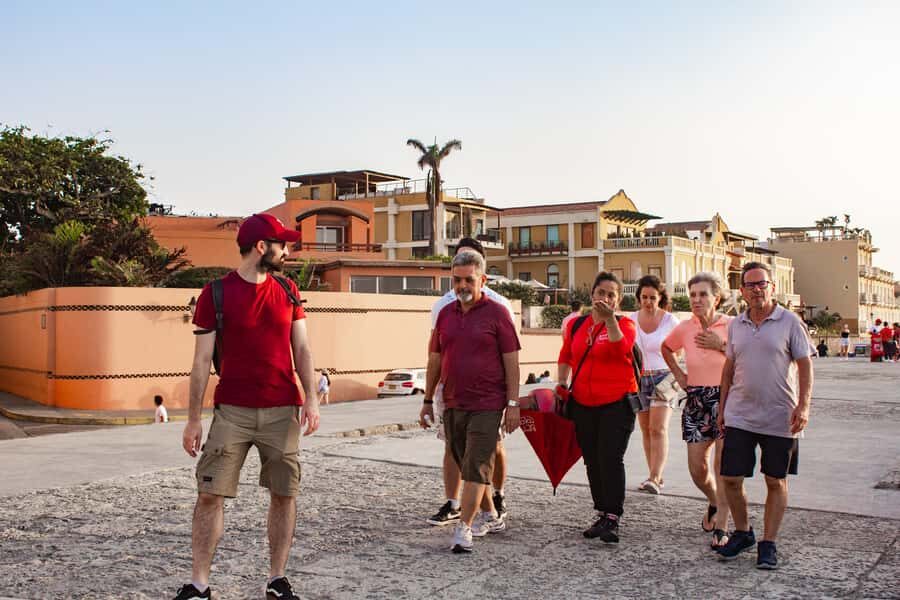
At $12 per person, this is priced like a budget-friendly story walk, but the inclusion list matters. You get:
- an expert Gabo guide in Spanish
- a tour of essential places in the San Diego neighborhood
- precise, objective knowledge of Gabo’s literature and life
- recommendations for lunch, coffee, souvenirs, and more
There are also benefits and discounts with recommended friends if you show the Beyond handle they provide at the end. That’s the kind of small add-on that can turn a “nice walk” into a good day.
What’s not included is equally important. You bring your own drinks and food, and there’s no transport from or to your hotel. The tour is walking-only, so you’re responsible for how you get to Santo Domingo Square.
Who this tour is best for (and who should think twice)
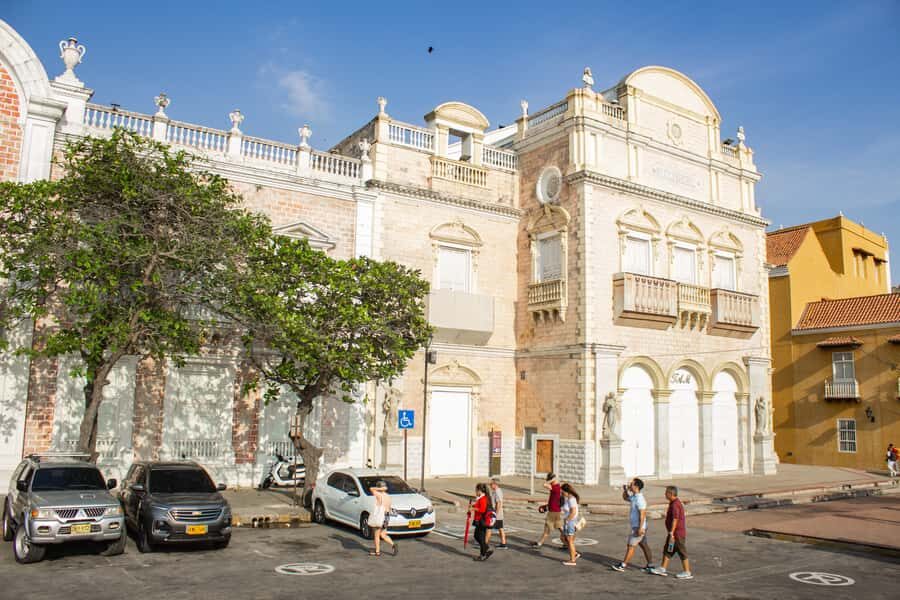
This is a great match if you:
- like literature that feels connected to real places
- enjoy walking city neighborhoods and noticing details
- want Gabo’s context without it becoming dry
It may be less ideal if you’re sensitive to long walking days. The activity also notes it’s not suitable for people over 65, so use your comfort and mobility as the main filter.
Language is another filter. The live guide is Spanish, so plan around that. If you’re not comfortable in Spanish, this may feel slower than you want.
The practical “don’t get caught off guard” list
To keep the tour enjoyable, follow the guidance on what to bring and what not to do.
Bring:
- comfortable shoes
- comfortable clothes
- water or hydration
Not allowed:
- alcohol and drugs
- audio recording
- party groups
Keep your stuff secure and close. Some areas get busy, and it’s a walking tour, so you don’t want valuables becoming your day’s project.
Should you book the Gabriel García Márquez San Diego tour?
I think you should book if you want Cartagena with a brain and a heartbeat—literature connected to streets, balconies, and the social life behind magical realism. The $12 price, Spanish guide, and the focus on essential San Diego places make it good value, especially if you enjoy learning how a famous writer is tied to a specific neighborhood mood.
I’d skip (or choose a different format) if you can’t handle about 8 km of walking, or if Spanish-guided history isn’t your thing. Otherwise, this is a smart pick for a day when you want more than photos—you want meaning.
FAQ
How much does the Tour Compartido de Gabriel García Marquez cost?
It costs $12 per person.
Where does the tour start?
You meet in Santo Domingo Square, at the Botero sculpture Gertrudiz, with the Red Beyond Colombia team.
How long is the tour?
It’s listed as 2 hours, and the description also says about 2 hours and 30 minutes depending on the pace and stops.
What language is the guide?
The tour has a live guide in Spanish.
Is it a walking tour?
Yes. The tour notes you will walk about 8 km, with rest stops.
What should I bring?
Bring comfortable shoes and comfortable clothes, plus water or your preferred hydration.
Is it wheelchair accessible?
Yes, it says wheelchair accessible.
Who might not be suited for this tour?
It specifically says it is not suitable for people over 65.
What’s included in the price?
Included are an expert Gabo guide in Spanish, a tour of essential San Diego places, precise and objective knowledge about Gabo, and recommendations for lunch, coffee, souvenirs, and more. There may also be discounts with recommended friends if you show the handle they give you at the end of the tour.
What is not included?
Drinks, food, and souvenirs are not included, and there is no transport from or to your hotel and no transport on the tour.