REVIEW · CARTAGENA
Bean to Bar Chocolate Making Experience – by Lunático Experience
Book on Viator →Operated by Lunático Experience · Bookable on Viator
Cacao becomes chocolate in front of you. This hands-on bean-to-bar workshop uses authentic Colombian cacao and walks you through the real work behind flavor. You roast, grind, temper, pour, and finish your own bars, then taste how different strengths behave on your palate.
I love the step-by-step guidance and the calm, welcoming vibe. Explanations stay clear, and questions feel welcome while you’re working. It also ends with a satisfying payoff: you leave with chocolate you actually made, not just samples.
One thing to consider: the experience requires good weather, so plan for possible rescheduling if conditions are rough. If you prefer sightseeing with minimal mess, this hands-on format may feel more active than you expect.
In This Review
- Key highlights you’ll care about
- Bean to bar in Cartagena: what this workshop really teaches
- The process, step-by-step: roasting to your finished bar
- 1) Cacao basics: harvesting, fermentation, and drying
- 2) Roast, crack, and winnow: getting from bean to nib-like material
- 3) Grind and refine: turning cacao into a smooth paste
- 4) Tempering: the shine-and-snap lesson
- 5) Molds and toppings: make it yours
- Tasting Colombian chocolate by cacao % (and why it’s not boring)
- Wine pairing with both red and white: a smart contrast
- Timing and location in Getsemaní: plan your afternoon
- Group size: small enough to matter
- Price and value: what $99 buys you in the real world
- Who should book this workshop, and who might skip
- Final call: should you book Lunático’s bean-to-bar in Cartagena?
- FAQ
- Where does the experience start?
- What time does it run, and how long is it?
- Is the workshop offered in English?
- How big is the group?
- What’s included besides making chocolate?
- Do I take anything home?
- Does it depend on weather or have cancellation terms?
Key highlights you’ll care about
- From farm processing to flavor: You learn how harvesting, fermentation, and drying change what ends up in your bar.
- You do the heavy steps: Roast, crack, winnow, grind, and refine are part of the process, not just a demo.
- Tempering is the star: You’ll practice tempering to get that shine and snap people crave.
- Molds and toppings: You pour chocolate into molds and finish your bars with different toppings.
- Single-origin tasting by cacao %: You compare chocolates with different cacao percentages to learn your preferences.
- Red and white wine pairing: You taste how wine can shift the way chocolate flavors show up.
Bean to bar in Cartagena: what this workshop really teaches
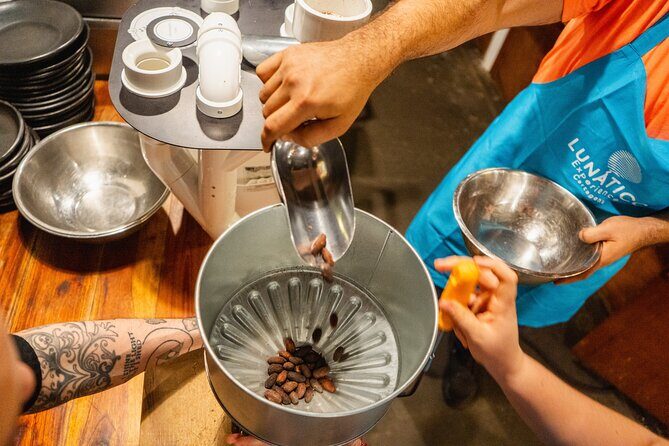
There’s a big difference between tasting chocolate and understanding it. Here, you learn the full chain—from cacao processing to tempering—so the flavor doesn’t feel like a mystery afterward. Cartagena is a lively place, but this workshop keeps the focus where it belongs: on cacao, on technique, and on why small choices matter.
The workshop starts by grounding you in origin. You’ll talk about where the cacao comes from and how it’s handled on the farm, including harvesting, fermentation, and drying. That part matters more than you might think. When cacao is fermented and dried a certain way, you get different flavor notes later. Even before you touch any equipment, you’re building a map for what you’ll taste next.
Then you move into making. This isn’t about sprinkling chocolate chips and pretending it counts. You’ll handle beans, grind them down, refine the mix, and learn tempering, which is what turns melted cacao into a finished bar with the right texture. If you’ve ever wondered why some chocolate snaps cleanly and looks glossy while other chocolate feels soft or dull, tempering is the reason.
Other chocolate workshops in Cartagena

The process, step-by-step: roasting to your finished bar
The best part of a bean-to-bar experience is that you get your hands involved. You learn by doing, and the workshop is structured so you don’t just watch someone else work. Every stage links to a flavor concept, so it feels practical instead of purely theatrical.
1) Cacao basics: harvesting, fermentation, and drying
Before the kitchen work, you’ll learn how cacao is harvested and how it’s processed after picking. Fermentation and drying are key steps. In plain terms: they shape how the beans develop flavor and aroma compounds. Without those steps, the final chocolate can taste flat or off, even if the later technique is perfect.
You’ll also hear why each stage influences what ends up in your cup or bar. This is the workshop’s “why.” It helps you taste with attention instead of just tasting quickly.
2) Roast, crack, and winnow: getting from bean to nib-like material
Once you’re ready for active work, you’ll roast the cacao beans. Roasting is where aromas start showing up strongly, but it can also affect bitterness and overall character. You crack the beans and winnow to separate the shells from the usable parts. It’s more physical than people expect, and that’s part of the charm.
This stage also teaches you something subtle: chocolate flavor starts long before mixing. If the beans aren’t treated well, tempering won’t save a weak base.
3) Grind and refine: turning cacao into a smooth paste
Next comes grinding. You’ll grind the cacao into a paste and then learn about refining the mixture. Refining is about texture as much as flavor. A smoother cacao mass can taste more integrated and balanced. It also sets you up for tempering, because the final method depends on the right cocoa butter behavior.
Other drinking tours in Cartagena






4) Tempering: the shine-and-snap lesson
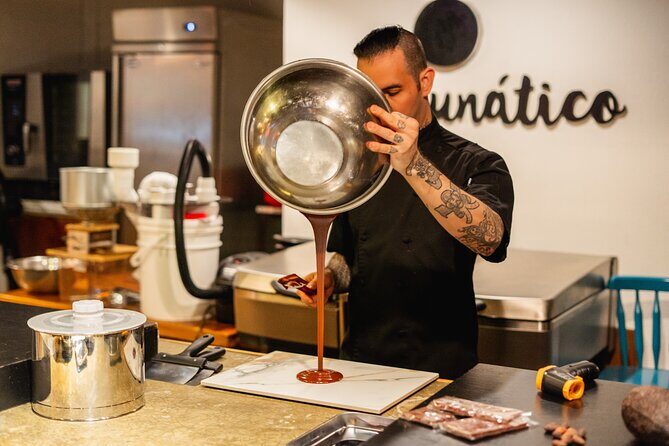
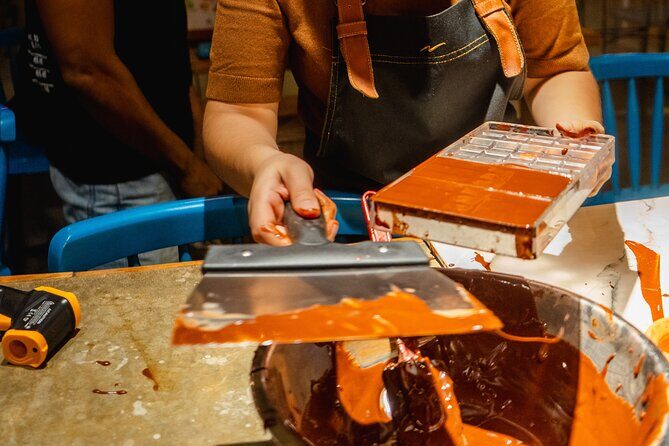
Tempering is where technique becomes visible. You’ll learn the art of tempering to achieve the perfect shine and snap. In practical terms, tempering helps cocoa butter crystallize properly so your bar sets correctly.
This is also where your bar moves from “still soft and melted” to “finished chocolate.” Watching the chocolate change and then testing the result makes the concept stick fast.
5) Molds and toppings: make it yours
After tempering, you pour into molds. Then you decorate with different toppings. This part is fun for anyone, including people who usually feel awkward in cooking classes. You’re not performing; you’re customizing.
You’ll leave with your handcrafted bars made from start to finish. That take-home piece is a big reason this feels worth the money. You’re not just learning; you’re producing.
Tasting Colombian chocolate by cacao % (and why it’s not boring)
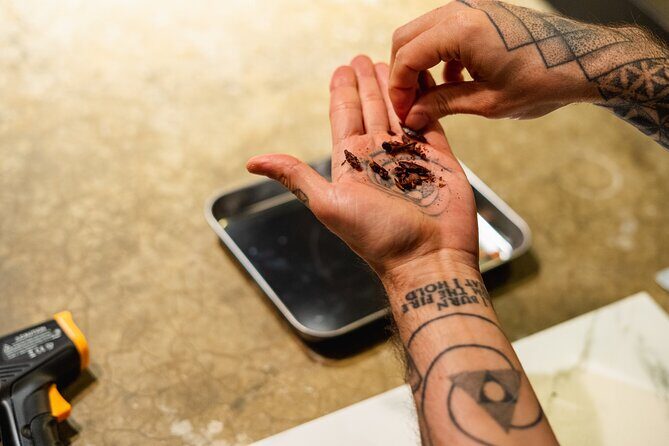
The workshop includes a guided tasting of single-origin Colombian chocolates with different cacao percentages. This is one of those activities that sounds simple, but it’s actually a useful way to train your palate.
Here’s what you can expect: tasting across cacao levels helps you notice how sweetness, bitterness, and intensity shift. Lower cacao percentages often taste smoother or sweeter, while higher percentages lean more bitter and intense. The goal isn’t to say one is best. It’s to understand what you like so you can choose better chocolate later.
You’ll also be learning what to look for beyond the obvious. You’re taught to notice aroma and flavor changes rather than just ranking chocolate like it’s a sports score.
The tasting also gives context for everything you made. When you’ve done roasting, grinding, and tempering, the tasting stops being passive. You taste with memory.
Wine pairing with both red and white: a smart contrast
To round things out, the experience includes a wine pairing session with both red and white wines. That combination matters because red and white wines interact with chocolate differently.
Red wine often brings more body and fruit-forward tones, which can make certain cocoa flavors feel warmer or more rounded. White wine can highlight different acidity and aromatic qualities, sometimes making chocolate notes feel brighter or more defined. The pairing is meant to spotlight flavor notes you might miss if you only taste chocolate on its own.
Even if you don’t drink much wine, you’ll still get value. It’s less about becoming a wine expert and more about learning how flavors interact. You’ll probably start noticing that chocolate doesn’t taste the same in every environment.
Timing and location in Getsemaní: plan your afternoon
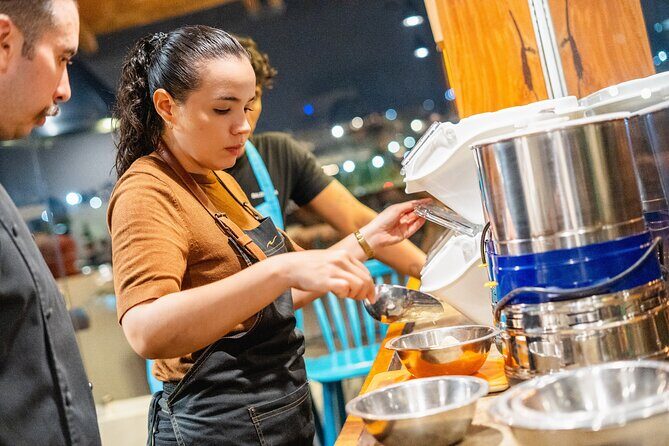
The start time is 2:00 pm, and the workshop runs about 2 hours 30 minutes. It ends back at the meeting point, so you’re not sent across town at the end with half a melted chocolate bar in your head.
The meeting point is Lunático Experience – Cooking Classes & Rum Tasting, Av. Pedregal #29-225, Getsemaní, Cartagena de Indias, Bolívar, Colombia. Getsemaní is a good base for walking and for connecting to the rest of Cartagena, so arriving a little early makes sense.
Also note: the experience uses a mobile ticket, and it’s offered in English. If you’re traveling with someone who’s more comfortable with Spanish, keep that in mind, but the workshop is specifically set up for English speakers.
Practical tip: show up a bit rested. Your brain will want to pay attention during tempering and tasting, and those parts move at a steady pace.
Group size: small enough to matter
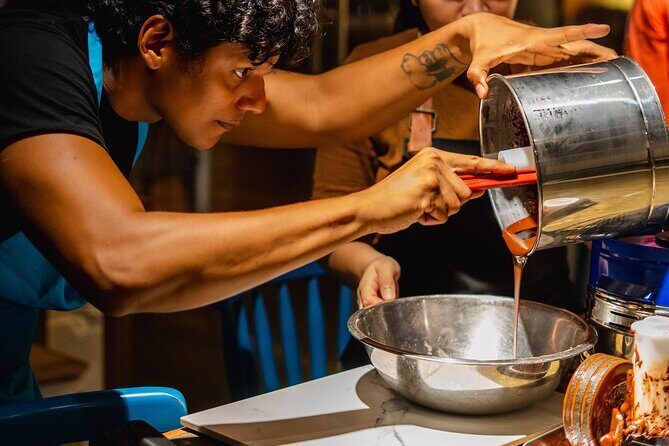
The experience caps at a maximum of 12 travelers. That matters for two reasons.
First, smaller groups usually mean more direct help when you’re learning technique. Tempering can be tricky, and when you have an instructor nearby, you’re less likely to feel lost.
Second, it keeps the workshop calm and manageable. You’re not competing for space, and you can ask questions without the class turning into a loud production line.
If you like learning in a kitchen setting, that group size feels right for hands-on work.
Price and value: what $99 buys you in the real world
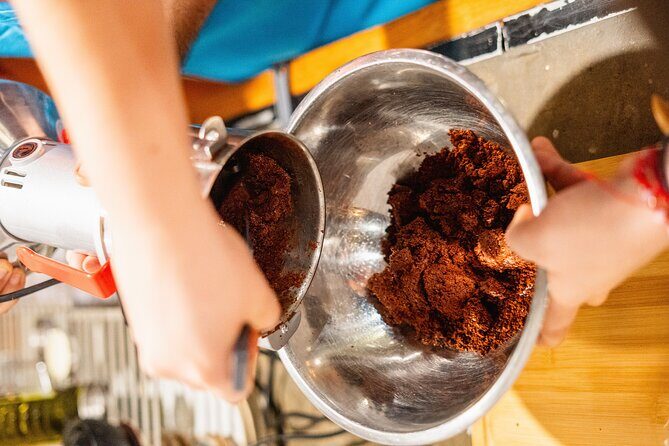
At $99 per person, this workshop sits in the category of paid experiences that should come with real inclusion. The good news is that it does.
You’re not only making chocolate. You’re also getting:
- a guided bean-to-bar process using authentic Colombian cacao
- a tasting of single-origin chocolates with different cacao percentages
- wine pairing with both red and white wines
- take-home bars made entirely by you
That combination is the value engine. Many chocolate activities focus on tasting. This one focuses on technique, then uses tasting and wine to help you interpret what you made.
You also get a clear “time equals work equals output” situation. Two and a half hours with a take-home result feels different from a short demo or a basic guided walk. If you’re a chocolate person, it’s easier to justify because you’re leaving with something you’ll actually eat.
Who should book this workshop, and who might skip
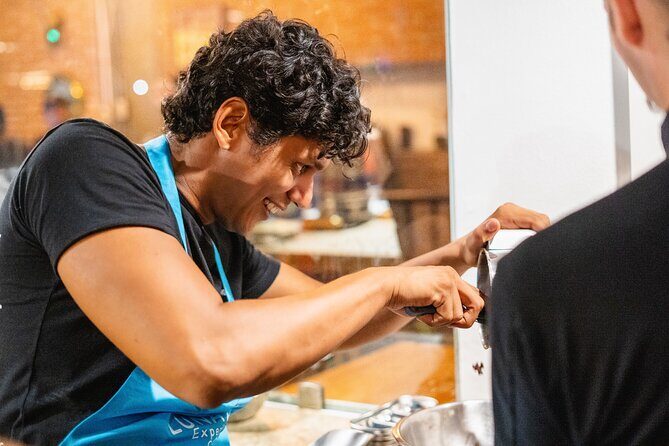
I think this is a great fit if you:
- want to learn chocolate making for real, not just sample sweets
- love hands-on classes where you leave with edible results
- enjoy tasting and comparing flavors, especially by cacao percentage
- like pairing food with wine and want to understand why it works
It might be less ideal if you:
- prefer low-touch activities and hate mess or food prep
- are hoping for a mostly sightseeing afternoon rather than a focused workshop
- need a flexible schedule due to weather sensitivity, since the experience requires good weather
If you’re going as a couple, the size and guided format tend to work well. You’re building shared memories while making something tangible.
Final call: should you book Lunático’s bean-to-bar in Cartagena?
If you want more than a chocolate tasting, this is the right kind of experience. The workshop connects cacao origin and farm processing to the steps that create a finished bar, especially tempering. Then it reinforces learning with tasting across cacao percentages and a red-and-white wine pairing.
Book it if you’re curious, hands-on, and ready to spend your afternoon learning how chocolate actually becomes chocolate. Skip it if you’re mainly looking for a relaxed sit-down activity or if you can’t risk scheduling due to possible weather issues.
Either way, it’s the kind of Cartagena activity that turns into a skill—and a bar you can share back home.
FAQ
Where does the experience start?
It starts at Lunático Experience – Cooking Classes & Rum Tasting, Av. Pedregal #29-225, Getsemaní, Cartagena de Indias, Bolívar, Colombia.
What time does it run, and how long is it?
The start time is 2:00 pm, and the duration is approximately 2 hours 30 minutes. It ends back at the meeting point.
Is the workshop offered in English?
Yes. The experience is offered in English.
How big is the group?
The group has a maximum of 12 travelers.
What’s included besides making chocolate?
In addition to making your own bars, you get a guided tasting of single-origin Colombian chocolates with different cacao percentages, plus a wine pairing session featuring both red and white wines.
Do I take anything home?
Yes. You leave with your handcrafted chocolate bars made entirely by you from bean to bar.
Does it depend on weather or have cancellation terms?
Yes, the experience requires good weather. If it’s canceled due to poor weather, you’ll be offered a different date or a full refund. Free cancellation is available up to 24 hours in advance for a full refund. Service animals are allowed.