REVIEW · CARTAGENA
Bean to Bar: Cocoa and Chocolate Workshop
Book on GetYourGuide →Operated by Local Colombia · Bookable on GetYourGuide
Chocolate starts as a humble bean.
This bean-to-bar workshop in Bolívar turns that idea into a very practical, smell-your-way lesson: you’ll see a fully equipped chocolaterie, learn the cocoa process from bean to bar, and then make your own treats. I love the hands-on part where you create chocolate—bonbons, truffles, or chocolate bars—rather than just watching from the sidelines.
My second favorite piece is the access to the cocoa production area and the way the instructor ties flavor to process. In at least one Sunday class, some steps were already done ahead of time, so you should expect a bit less active machinery at certain moments than you might hope for. Still, the chocolate-making focus and tastings stay front and center.
In This Review
- Bean-to-bar highlights in 30 seconds
- Why this workshop works well in Bolívar
- Inside the chocolaterie: machinery, smells, and the real workflow
- Cocoa varieties and roasting: how flavor starts before mixing
- The hands-on chocolate workshop: bonbons, truffles, or a bar
- Tastings you can actually use: percentages and what they mean
- Meet the instructor: Alejandra’s question-driven style
- Duration, group setup, and what that means for your schedule
- Where to meet on Arsenal Street (so you don’t waste time)
- What to wear and who should book this workshop
- Price and value: is $101 worth it?
- A quick practical checklist before you go
- Should you book this bean-to-bar workshop?
- FAQ
- How long is the Bean to Bar Cocoa and Chocolate Workshop?
- Where is the meeting point in Bolívar?
- Is this workshop private?
- What languages are used during the workshop?
- What chocolate is included?
- Is it suitable for people with food allergies?
- Can I cancel or book without paying right away?
Bean-to-bar highlights in 30 seconds
- Roasting and separation: you learn how beans change on the way to chocolate
- A working chocolaterie setup with real production machinery
- Cacao variety matters: you’ll hear how different cacao varieties affect what ends up in your bar
- Make-your-own desserts like bonbons or truffles, or shape a chocolate bar
- Tasting across percentages including 40% white, 46% milk, 80% dark, and 100% pure cocoa
Why this workshop works well in Bolívar
This is the kind of activity that feels smart on multiple levels. First, it’s inside. If Cartagena-area weather (or your own plans) throws a curveball, a 105-minute cocoa workshop keeps you moving without losing the chance to do something hands-on.
Second, it’s not a “chocolate museum” experience. You’re in a fully equipped chocolaterie, and you’re taught the real steps that turn cocoa beans into chocolate—roasting, separation, and the thinking behind how cacao varieties show up in the final taste. That makes it a lot more than a tasting session with a nice story.
Third, it’s built for a small, private group. That matters because you can actually ask questions and get answers, instead of racing through your curiosity. The instructor-led style is part lecture, part workshop, and it keeps you busy the whole time.
Other chocolate workshops in Cartagena

Inside the chocolaterie: machinery, smells, and the real workflow
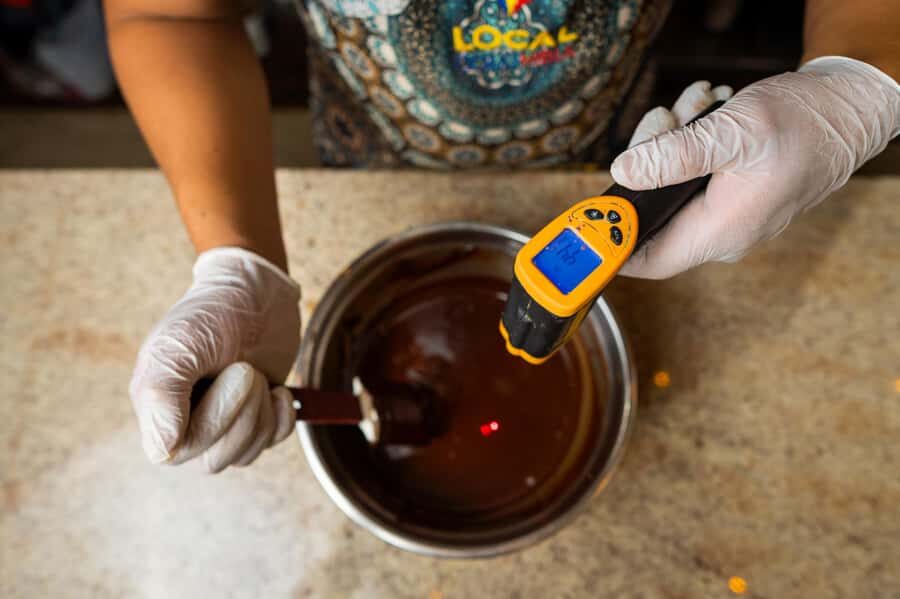
When you arrive, you’re not just handed a chair and a sample tray. You step into a working chocolaterie environment with state-of-the-art machinery and expert artisans ready to explain what’s happening. Even if some parts are done ahead of time, you still get to see how the setup functions and how cocoa moves through stages.
Here’s what you can expect to understand during the process:
- Cocoa roasting: this is where the bean flavor shifts dramatically
- Separation steps: how parts are separated to prepare for making chocolate
- The role of cacao varieties: why two chocolates with different origins and percentages can taste very different
The best part is that you learn by watching and then making. You get to connect what you see with what you taste, which is the fastest way to understand why chocolate tastes the way it does.
If you like food as science, this is a nice fit. You’ll also learn it in a way that doesn’t feel overly technical. The goal is to leave you with a “now I get it” mental map, not a spreadsheet of flavors.
Cocoa varieties and roasting: how flavor starts before mixing
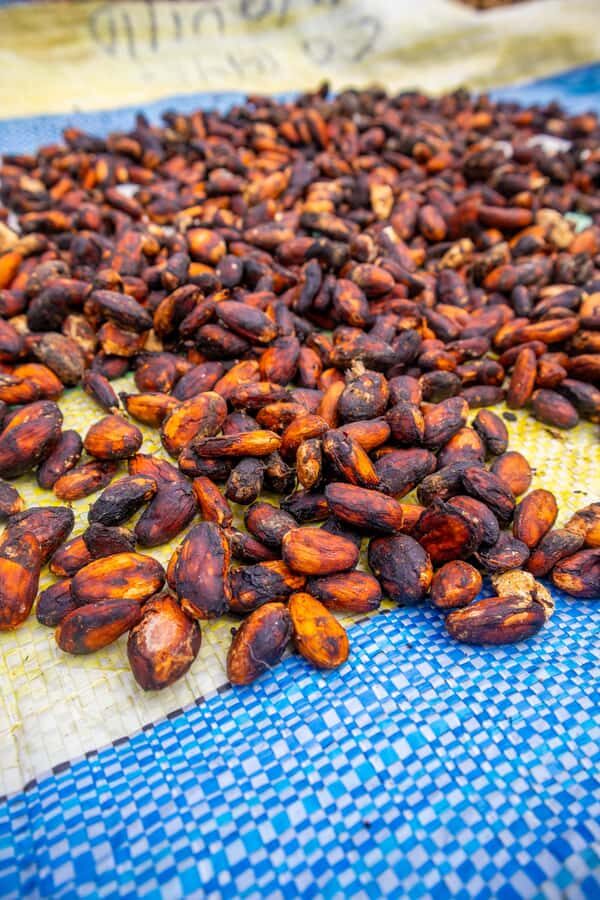
One of the key lessons is the idea that cocoa isn’t one flavor. You’re taught about cacao varieties at a national level and how that influences what happens once beans are roasted and processed. This is useful because it gives you a way to read chocolate labels and tasting notes later.
Roasting is the turning point you’ll focus on most. Roasts can be lighter or darker in effect, and that changes aroma, bitterness, and overall character. Separation steps matter too, because they influence how cocoa gets prepared for the next stages.
You’ll leave with a simple framework:
- Start with the raw material (cacao variety and origin)
- Transform it with processing (especially roasting)
- Finish by shaping texture and sweetness (through the chocolate-making choices you make)
Even if you’ve tasted chocolate for years, that framework tends to sharpen your palate in a hurry.
The hands-on chocolate workshop: bonbons, truffles, or a bar
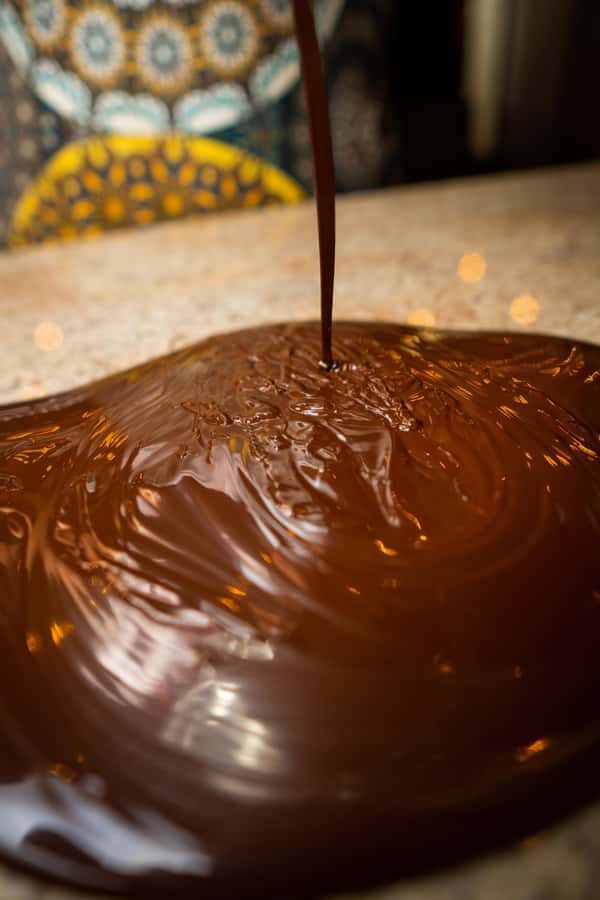
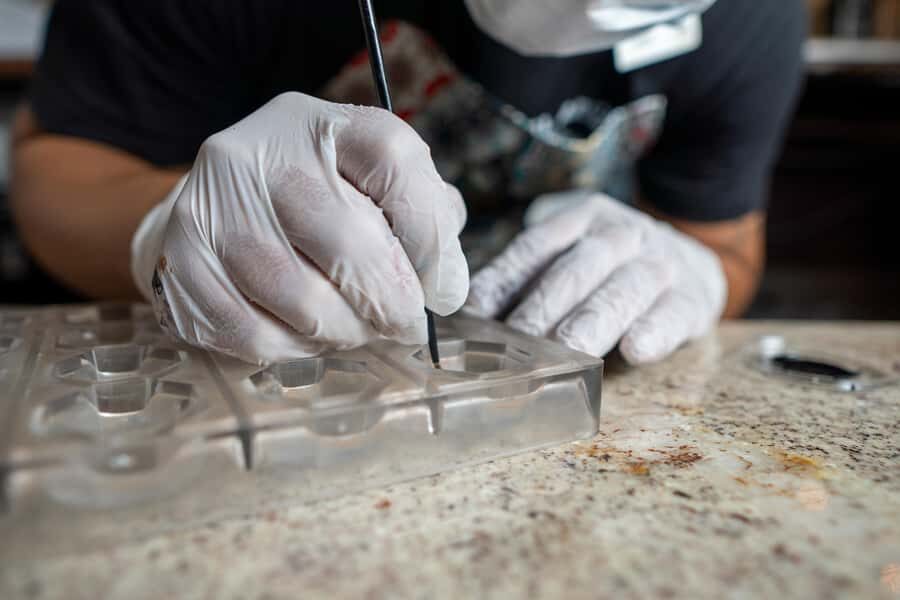
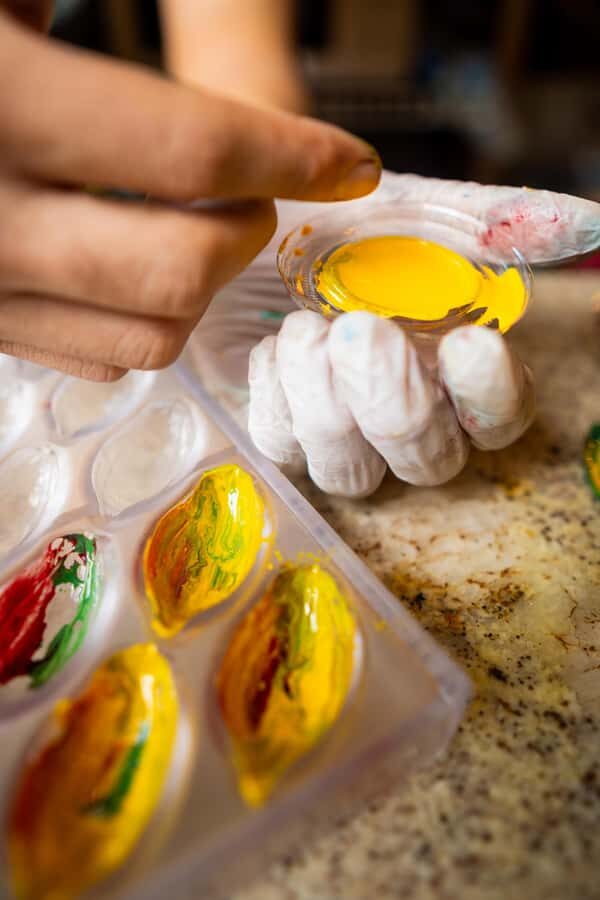
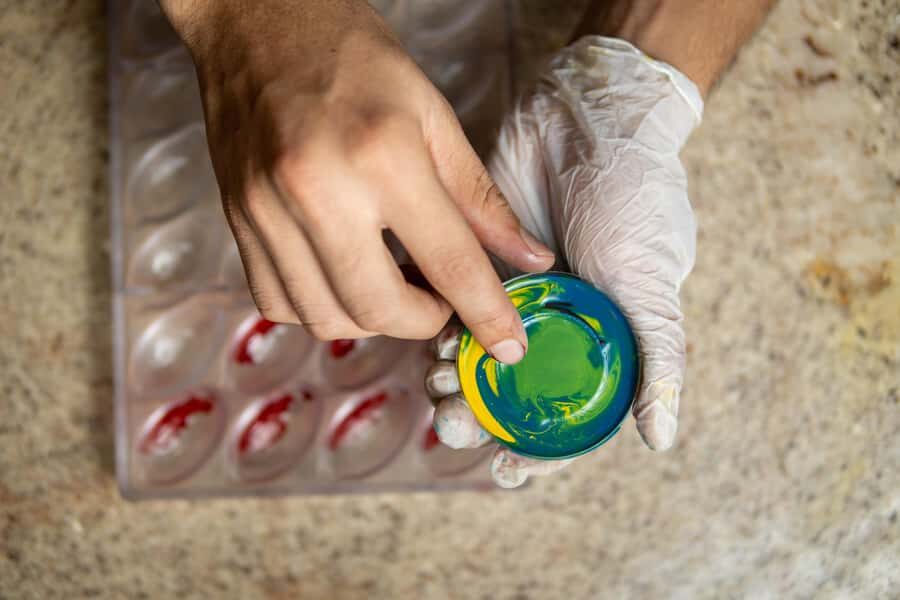
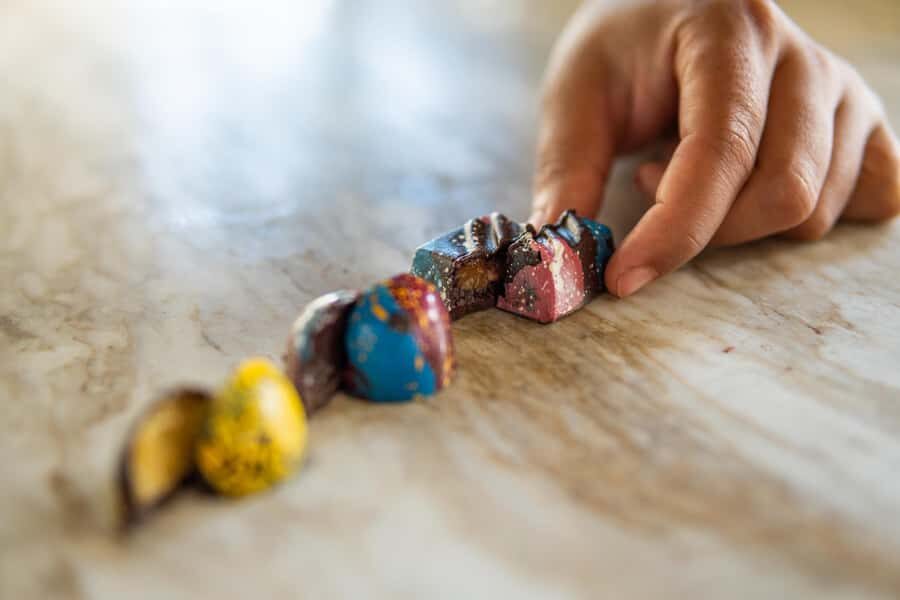
Now for the fun part. You’ll put on your apron and get guided through chocolate-making with choices for what you create. Depending on how the session runs, you’ll have the opportunity to craft:
- bonbons
- truffles
- or a chocolate bar
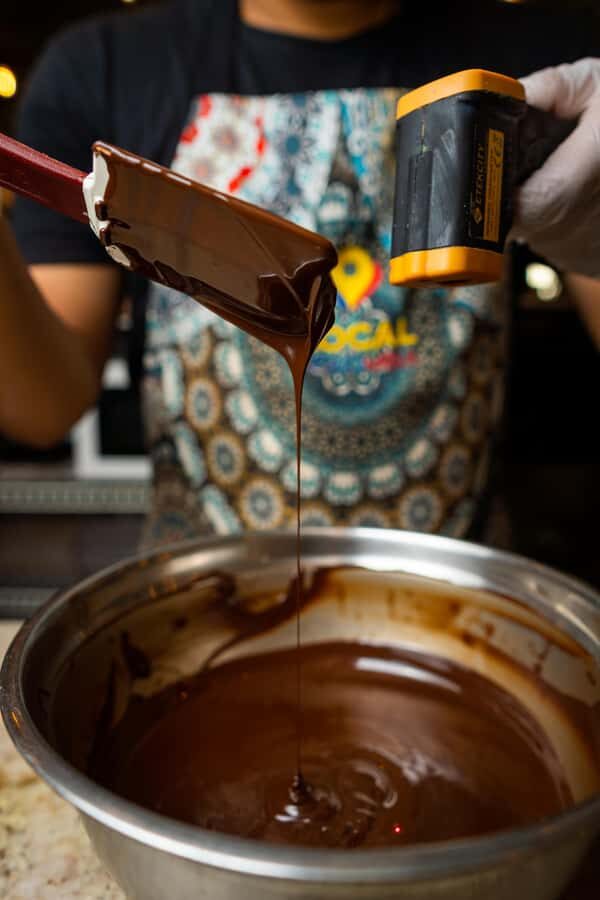
What I like about the structure is that it encourages creativity without making you feel lost. A good instructor keeps you from guessing and guessing, but you’re still doing real work. You’re not just stirring for show.
This part is especially good if you like tactile activities—scent, texture, and small steps matter. Chocolate is sensitive. The way it’s handled affects how it sets and how it tastes, so you get a realistic sense of what chocolatier skills mean in practice.
If you’re traveling with someone who’s more into cooking than sightseeing, this class is a strong compromise. You still get a local food story, but you also get something you can hold, share, and taste.
Tastings you can actually use: percentages and what they mean
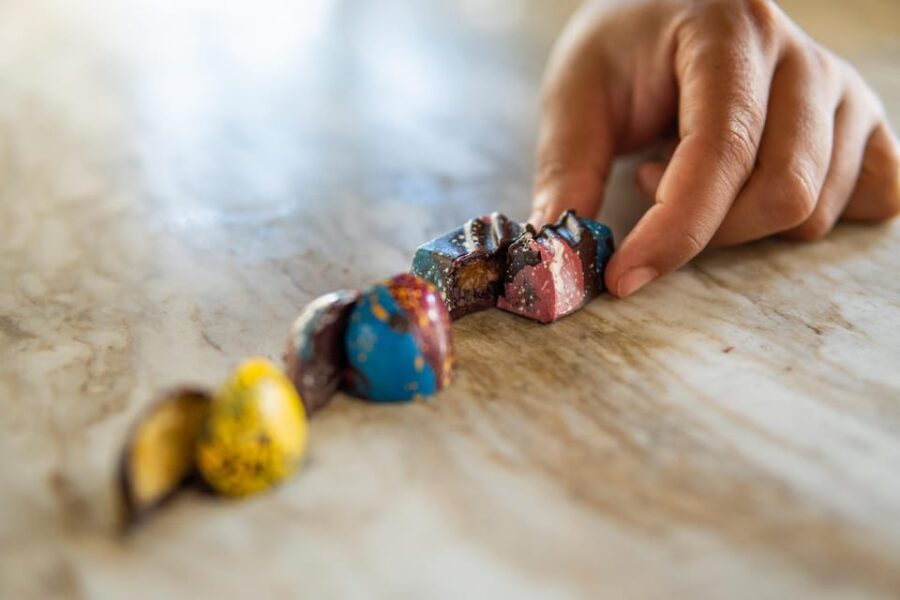
The included tastings are built around percentages and styles, so you can learn to recognize the differences instead of just collecting flavors. You’ll have chocolate of various percentages and origins, including:
- white chocolate (40%)
- milk chocolate (46%)
- dark chocolate (80%)
- pure cocoa (100%)
- plus blends
Here’s why that’s valuable. If you taste only one chocolate, your brain anchors on that one experience. Taste across several styles and percentages, and you start to notice patterns:
- Higher percentages often bring more cocoa bitterness and deeper aroma
- Lower percentages often add more sweetness and a creamier profile
- The jump to pure cocoa (100%) helps you understand what cacao’s baseline character really is
You’ll also get a clearer sense of how “dark” doesn’t always mean the same thing, because percentage and origin can shift flavor.
And yes, chocolate is also just enjoyable. The tasting portion isn’t just educational; it’s a reward that keeps you engaged during the process.
Other drinking tours in Cartagena





Meet the instructor: Alejandra’s question-driven style
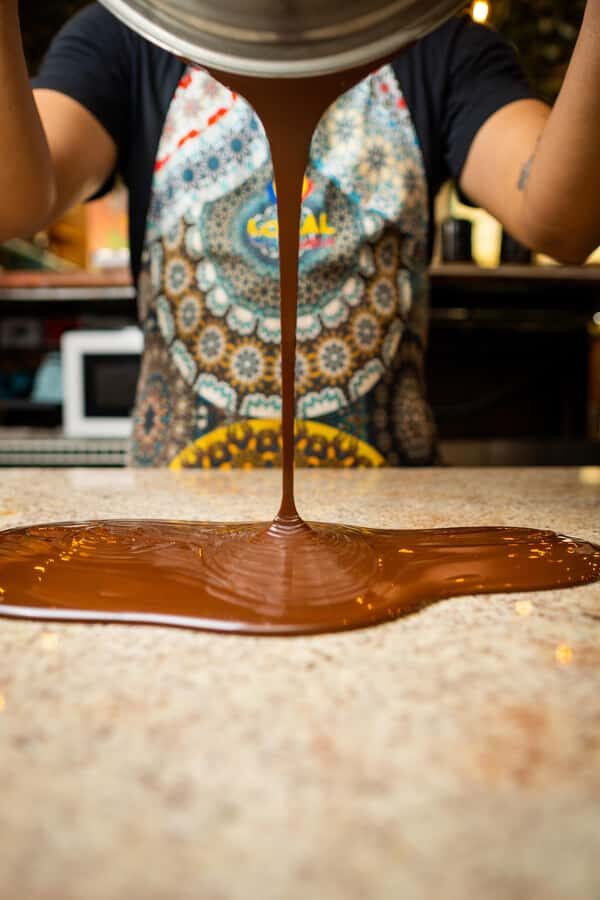
The tone of the class matters, and it seems to land well. One highlight from the experience is the guide Alejandra (often called Ale), described as passionate and energetic, with a knack for answering questions.
That doesn’t sound like a big deal until you’re in the moment. When you’re tasting different chocolates and learning why roasting and varieties matter, questions come fast. A guide who gives clear answers helps you connect what you’re learning to what you’re tasting.
If you want a lesson with momentum—where you don’t feel talked at—look for an instructor-led format like this one.
Duration, group setup, and what that means for your schedule
The workshop runs about 105 minutes. That’s long enough to learn the steps, taste, and make something, without eating an entire afternoon.
It’s also listed as a private group. In practice, that usually means:
- more time for questions
- less waiting around
- a smoother rhythm while you’re hands-on
You’ll also be able to choose sessions by checking availability for starting times. So if you like planning tightly, you can pick a time that fits your day.
Timing tip: treat it like a meal-adjacent activity. Plan it close to when you normally would eat, but don’t show up starving or overly full. The tastings are part of the lesson, and your palate works best when you’re comfortable.
Where to meet on Arsenal Street (so you don’t waste time)
Meeting point is straightforward. At the beginning of the busy Arsenal Street area, look for a two-story pink building with wooden barrels outside, across from the convention center. There’s also promotion outside featuring free hugs.
When you arrive, the host will guide you to the exact spot for the experience. This is one of those details that sounds minor until you’re on foot in a new neighborhood, so I’d rather you have a clear visual than keep scanning.
What to wear and who should book this workshop
Wear comfortable, stain-friendly clothing. Chocolate is delicious, but it has a way of making spills possible. If you’re wearing your best outfit, you might regret it.
Language is English and Spanish with an instructor. If you’re comfortable with either, you’ll be able to follow the process and ask questions.
Food allergies: this is listed as not suitable for people with food allergies. If that applies to you or your travel partner, skip it or contact the provider for clarity before booking.
Who it suits best:
- Couples who want one ticket to both learn and create
- Food lovers who like process more than just presentation
- Families or friends who enjoy hands-on activities (within allergy limits)
- Anyone stuck doing an indoor plan in Bolívar and wants something local
Price and value: is $101 worth it?
At $101 per person for 105 minutes, the real question is what you get besides chocolate flavor.
You get:
- tastings across multiple percentages and styles, including 40%, 46%, 80%, and 100% cocoa
- a guided look at roasting and separation steps
- hands-on creation of bonbons, truffles, or a chocolate bar
- access to a production-ready chocolaterie environment
If you compare that to a standard chocolate tasting, the value sits in the making. You’re paying for instruction plus materials plus the time in a working space. That’s why the class format feels worth it even if you’re not a lifelong chocolate nerd. You leave with both knowledge and a tangible result.
Also, the private-group vibe adds value. More personal attention usually means you get more out of the tastings and the Q&A.
A quick practical checklist before you go
Bring:
- comfortable, stain-friendly clothes
- your questions (about roasting, percentages, or cacao varieties)
Also, you’ll receive a confirmation email and a calendar app invitation as reminders. You’ll need to provide an email and a phone number with an area code.
For weather planning: since it’s indoors, it’s a safe bet when plans get cloudy.
Should you book this bean-to-bar workshop?
I think you should book if you want chocolate education that actually sticks. The combination of roasting and separation instruction, tastings across key percentages, and the chance to make bonbons, truffles, or a bar creates a clear learning loop.
Skip it if food allergies are in the picture, because it’s listed as not suitable. And temper expectations if you’re hoping for nonstop machine action at every moment—some steps can be completed ahead of time depending on how the session runs.
If you’re looking for an indoor, hands-on, genuinely local way to spend an afternoon in the Bolívar area, this is one of the better bets for your time and money.
FAQ
How long is the Bean to Bar Cocoa and Chocolate Workshop?
It lasts about 105 minutes.
Where is the meeting point in Bolívar?
Meet at the beginning of Arsenal Street, near the convention center. Look for a two-story pink building with wooden barrels outside, across from the convention center.
Is this workshop private?
Yes, it’s listed as a private group.
What languages are used during the workshop?
The instructor offers English and Spanish.
What chocolate is included?
You’ll receive chocolate tastings and ingredients across different percentages and origins, including white (40%), dark (80%), milk (46%), pure cocoa (100%), and blends.
Is it suitable for people with food allergies?
No, it’s not suitable for people with food allergies.
Can I cancel or book without paying right away?
You can cancel up to 24 hours in advance for a full refund. You can also reserve and pay later, meaning you can book now and pay nothing today.