REVIEW · CARTAGENA
Cartagena Sunset Walking Tour
Book on Viator →Operated by Cartagena Experiences · Bookable on Viator
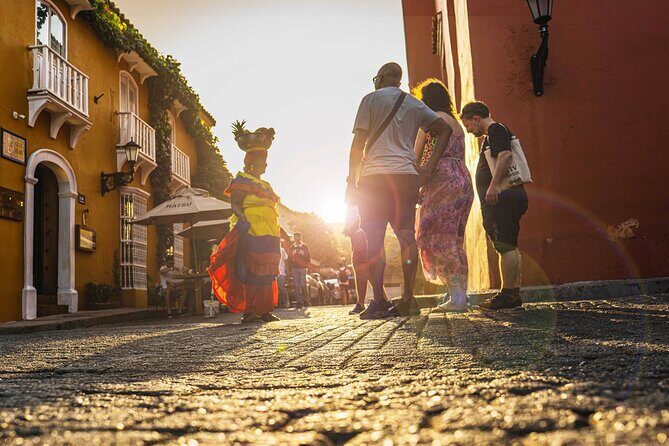
Cartagena feels different when the light goes warm and the streets cool down. This 2.5-hour sunset walking tour strings together eight plazas and alleys, linking everyday corners to the big moments that shaped Colombia’s independence and Cartagena’s colonial past.
I like the small group size (max 10) and the way the route keeps moving, so you’re not stuck waiting around. I also like that the focus stays on what you see in front of you—old squares, colonial buildings, and the Getsemaní lanes—while the guide explains how the city’s past connects to what you notice today.
The main catch: it’s a lot of walking on cobblestones and there are stairs. If you’re not comfortable with that pace, this probably isn’t the tour for you.
In This Review
- Key takeaways before you go
- Why Cartagena sunsets work so well on foot
- Price and what $15 actually covers
- The route from Plaza de San Diego to Callejón Angosto
- Plaza de San Diego: merchants, nuns, and the stuff myths are made of
- Plaza Fernandez Madrid: independence dreams and the shadow of betrayal
- Plaza de la Proclamación: the cry for autonomy you can almost hear
- Plaza de la Aduana: where colonial wealth hid the cost
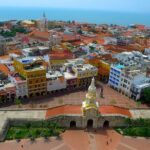
- Camellón de los Mártires: the Clock Tower Gate and the price of rebellion
- Arsenal Hotel break at Socialtel Cartagena: cool drink and Getsemaní energy
- Plaza de La Trinidad and Callejón Ancho: independence meets street art
- Group size, timing, and walkability (the practical stuff)
- Who should book this Cartagena sunset walk
- Should you book the Cartagena Sunset Walking Tour?
- FAQ
- What time does the Cartagena Sunset Walking Tour start?
- How long is the tour?
- How much does it cost?
- What language is the tour offered in?
- How many people are on the tour?
- What is included in the price?
- Is the tour ticketed at each stop?
- Where does the tour start and end?
- Is this tour suitable for people with mobility issues?
- What if the rooftop drink spot changes?
Key takeaways before you go
- Start at 5:00 pm, so you catch the shift from daylight to streetlight and ocean breeze.
- Eight stops across historic plazas and Getsemaní, with short stops timed to keep the energy up.
- An included cold drink stop at Socialtel Cartagena (rooftop spot can vary based on hotel availability).
- Bottled water and a guide are included, and all the guided sights in the route are ticket-free.
- Small group, max 10, which makes it easier to ask questions without getting lost in a crowd.
- Not for limited mobility: plan for 2+ hours on uneven stone and some stair climbing.
Why Cartagena sunsets work so well on foot

There’s a reason Cartagena’s best memories tend to start after late afternoon. Daytime is bright, hot, and crowded. At sunset, the air cools, shadows stretch across the plazas, and those stone buildings stop feeling like a backdrop and start feeling like a set for real stories.
This tour uses that timing on purpose. You’re walking from one plaza to the next, with each stop giving you a new angle on the city—wealth, religion, rebellion, and independence—before the group moves on again. It’s a smart way to experience the walled city energy and then flow into Getsemaní for the ending mood.
Also, the pace is designed to match a real sunset walk: short segments at each place, then a moving rhythm through the old streets instead of a long lecture at one spot.
Other walking tours we've reviewed in Cartagena

Price and what $15 actually covers
At $15 per person for about 2 hours 30 minutes, you’re paying mostly for two things: an experienced guide and a route that’s planned so you don’t waste time trying to figure out what each plaza is telling you.
The good part is that you don’t get hit with add-on admissions. The tour notes that the stops have free admission tickets (for the guided sights), and what’s included beyond the guide is straightforward: bottled water plus the guided pacing that keeps you from wandering.
What you should plan for separately is tips (propinas), since those aren’t included.
Bottom line: if you want context with your photos—what happened here, and why it still matters—this is strong value for the time you’ll spend.
The route from Plaza de San Diego to Callejón Angosto

The tour starts at Plaza de San Diego (Cl. 39 #809, San Diego). It runs until the Getsemaní area, ending around Callejón Angosto in the Calle del Pozo area.
You’ll feel the route shift in two phases:
- Historic plazas and colonial-era sites (more open space, more “big story” moments).
- Getsemaní streets at sunset (narrow lanes, street art energy, and a more lived-in feel).
The meeting and end points matter because Cartagena isn’t laid out like a grid. You’ll save time by letting someone else handle the “where do we go next” part.
The tour also caps at 10 people, so the walk doesn’t turn into a stampede. Still, it’s a walking tour, so wear shoes you trust on uneven stone.
Plaza de San Diego: merchants, nuns, and the stuff myths are made of
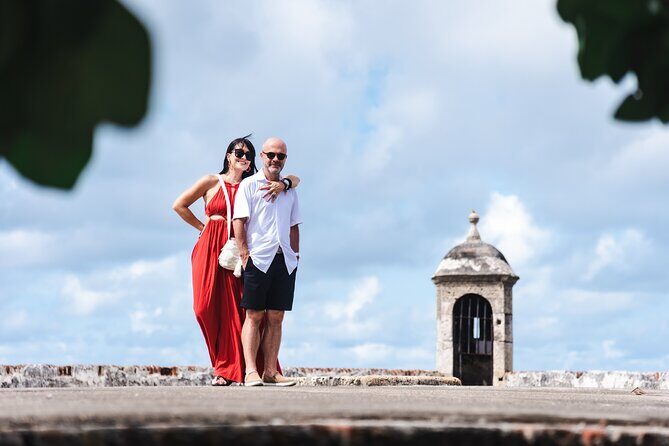
The tour opens at Plaza de San Diego, once tied to Cartagena’s wealthy merchants. That sets the tone fast: you’re not just looking at pretty stone; you’re standing where power and money shaped the city.
Right nearby is the story connection to the Santa Clara Hotel, described as a former convent tied to legend—ideas like forbidden love stories and eerie rumors that have echoed through popular culture. Even if you take legends with a grain of salt, the point of the stop is clear: Cartagena’s religious buildings weren’t only spiritual centers. They were also part of how society controlled people, reputation, and access.
What to watch for: look around the area like you’re mapping how influential families would have moved through space. It helps the later independence stories land harder.
Plaza Fernandez Madrid: independence dreams and the shadow of betrayal
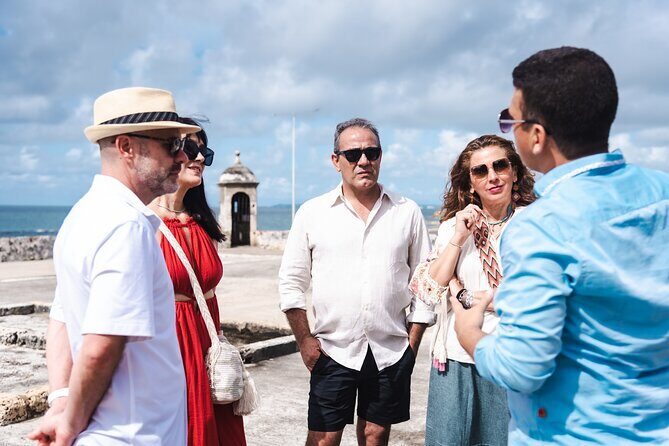
Next is Plaza Fernandez Madrid, a quieter square where the tour connects the idea of freedom with the life of José Fernández de Madrid—a poet and independence leader.
This stop adds a more human side to “independence.” It’s not just flags and slogans. The guide frames dreams of a liberated Cartagena alongside the darker reality that betrayal and unfair outcomes were part of the struggle.
Why it works on a sunset walk: plazas like this are calm visually, so you can actually hear the explanation without fighting street noise. It’s a good pace reset before the next proclamation moment.
Other evening experiences in Cartagena






Plaza de la Proclamación: the cry for autonomy you can almost hear
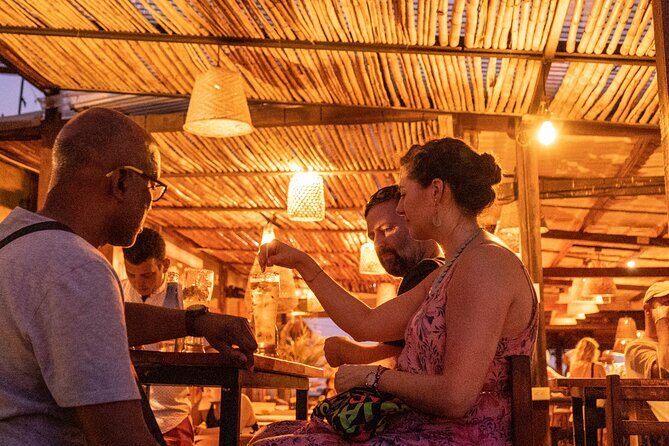
At Plaza de la Proclamación, you’re placed at a moment tied to the proclamation of independence—speeches, celebrations, and that rush of political change.
The lesson here is about sound and space. The cobblestones and the shape of the plaza help you imagine gatherings. When you see the physical layout, the story stops being abstract.
Tip for your photos: this is a great spot for wide shots that show the plaza shape, not just close-ups. The frame helps you remember the “why” later.
Plaza de la Aduana: where colonial wealth hid the cost
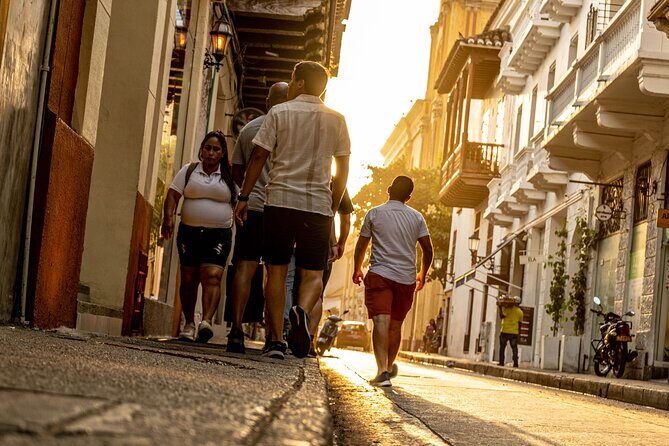
Then comes Plaza de la Aduana, one of the heavier stops. The tour points out that colonial governors celebrated victories here—while enslaved people were treated as auctionable property in the shadows.
This is the kind of history that can feel uncomfortable, but it’s also the kind that makes a city more understandable. Cartagena’s beauty has an economic story behind it, and this stop ties the wealth you see to the human cost behind it.
How to handle it: if you’re sensitive to moral weight, take it slow here. You don’t have to rush through the moment just to keep up with the group’s pace. The tour’s whole flow will still make sense.
Camellón de los Mártires: the Clock Tower Gate and the price of rebellion
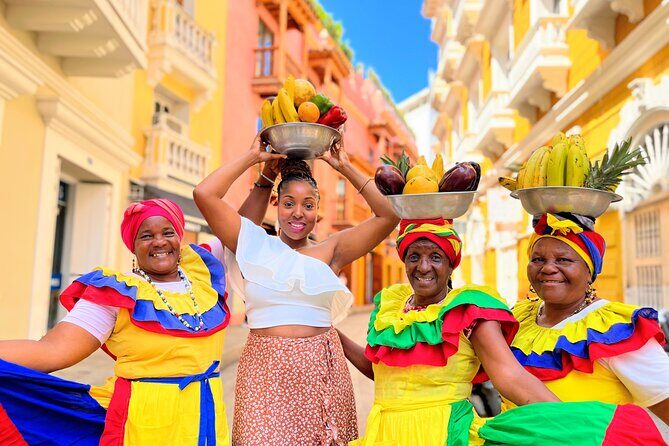
At Camellón de los Mártires, the tour connects the Clock Tower Gate—the grand entrance tied to merchants, travelers, and prisoners—with the fate of revolutionaries executed during the independence fight.
This is one of those stops where the guide’s job is crucial. The physical space sets up the contrast: a “gate” sounds like movement and commerce, but history turns it into a point of consequence.
What you’ll likely remember: names etched in Cartagena’s history, and the sense that rebellion had a cost that went beyond speeches.
Arsenal Hotel break at Socialtel Cartagena: cool drink and Getsemaní energy
Around sunset, the tour takes a refreshment stop at Socialtel Cartagena on Getsemaní’s Calle Larga, linked to the Arsenal Hotel area.
You get a cold, revitalizing drink and a breather—about 20 minutes. The rooftop location can vary depending on availability, but you’ll still get a nice spot to enjoy the sunset.
This pause is smart for two reasons:
- It keeps the tour from feeling like nonstop walking.
- It transitions you from “historic explanations” into “this is what the neighborhood feels like right now.”
What to do during the break: step back from taking photos and just watch people move through the street. Getsemaní changes how you read Cartagena—less official, more creative, more personal.
Plaza de La Trinidad and Callejón Ancho: independence meets street art
The tour finishes in Getsemaní, starting at Plaza de La Trinidad. The explanation here centers on the idea that Cartagena declared its independence before the rest of Colombia, and it ties that moment to what Getsemaní is today: music, art, and a rebellious spirit.
From there, you end at Callejón Ancho, described as the soul of Getsemaní. The walls and murals carry the energy of rebellion, resilience, and local culture. It’s the kind of ending that makes the earlier plazas feel more connected—because the city’s identity isn’t only in monuments. It’s also on walls where art records memory.
When you leave, you’ve got more than locations. You’ve got themes:
- who had power,
- who paid the price,
- and how the city kept expressing itself anyway.
Group size, timing, and walkability (the practical stuff)
This tour runs for about 2 hours 30 minutes and starts at 5:00 pm. It’s also near public transportation, which helps if you’re staying somewhere central.
The group is limited to 10 travelers, which is great for a walking route. Fewer people means you can actually hear the guide and move at a human pace.
The big practical limitation is walking and stairs. The tour requires walking for over two hours on cobblestone streets and climbing stairs, so it’s not a fit for babies, children under 14, or anyone with reduced mobility.
If you’re in the “comfortable shoes + basic stamina” category, you should be fine.
Who should book this Cartagena sunset walk
I’d point this tour toward you if:
- You want a story-driven route through Cartagena’s plazas, not just photos.
- You like small groups and a guide who keeps the pace moving.
- You want the sunset shift: historic city center into Getsemaní.
It’s also a good choice if you’re traveling solo and don’t want to figure things out by yourself. In at least some runs, guides like Miguel or Michael are noted for being friendly and very ready with explanations, and one guide even spent extra time and pointed out street food during the walk. That kind of added attention is exactly what small-group tours can do well.
Should you book the Cartagena Sunset Walking Tour?
If you’re deciding between wandering on your own and paying for a guide, I’d usually steer you toward a guide for Cartagena’s independence-and-colonial story. The city’s layout can look straightforward until you realize how much meaning is tied to each corner.
Book this tour if:
- You can handle cobblestones and some stairs.
- You’ll enjoy history that includes the uncomfortable parts (enslavement, executions, betrayal).
- You want a sunset ending in Getsemaní instead of stopping at the first set of tourist sights.
Skip it if:
- You need step-free access.
- You get worn down by long walking stretches on uneven ground.
For the money, this is a smart way to get “why this place matters” right while the light is changing and the streets are at their best.
FAQ
What time does the Cartagena Sunset Walking Tour start?
The tour starts at 5:00 pm.
How long is the tour?
It’s about 2 hours 30 minutes (approx.).
How much does it cost?
It costs $15.00 per person.
What language is the tour offered in?
The tour is offered in English.
How many people are on the tour?
The tour has a maximum group size of 10.
What is included in the price?
The tour includes a guide and bottled water.
Is the tour ticketed at each stop?
The tour notes that admission tickets for the stops are free.
Where does the tour start and end?
It starts at Plaza de San Diego and ends in the Getsemaní area near Callejón Angosto / Calle del Pozo.
Is this tour suitable for people with mobility issues?
The tour requires walking for over two hours on cobblestones and climbing stairs, so it’s not suitable for babies, children under 14, or individuals with reduced mobility.
What if the rooftop drink spot changes?
The rooftop location may vary depending on Socialtel’s options and GHL Arsenal Hotel availability, but the tour says you will always be provided with a beautiful spot to enjoy the sunset.