REVIEW · CARTAGENA
Isla Barú: Beach Club Access and Tour of the National Aviary
Book on GetYourGuide →Operated by Nexxttours s.a.s · Bookable on GetYourGuide
A day with birds and sea usually beats a standard beach loop. This one pairs a guided visit to the National Aviary of Colombia with beach-club time at Playa Blanca, and the pacing works well if you want both nature and sun. I love the chance to see an impressive range of birds up close, and I like that lunch is handled with a 30,000 COP voucher. The main drawback to keep in mind is that beach time can feel tight if traffic runs late on the return.
The Aviary part is the brainy highlight: you’ll attend the 11:30 AM presentation and then walk through major habitat zones filled with birds, often flying right overhead. After that, the payoff is pure relaxation, from a welcome drink to swimming in clear water and lounging on the beds. Still, the beach side can be loud and crowded, so plan to bring your patience (and your best swimsuit) for the peak-day energy.
In terms of value, you’re paying $70 for round-trip transport plus key entrances, not just a transfer. That’s a solid deal if you actually care about the bird exhibits instead of treating the Aviary as a quick stop. It’s also not a great fit if you have mobility limits, because you’ll be walking and moving through the sites for hours.
In This Review
- Barú Bridge, the Aviary at 11:30, and Playa Blanca in One Day
- Key Things to Know Before You Go
- Getting From Cartagena to Barú: Pickup Points and the Air-Conditioned Reality
- The Aviary of Colombia Visit: What the 11:30 Presentation Feels Like
- More Than 2,000 Birds: The Fun Part Isn’t Just the Numbers
- How the Conservation Message Lands (Without Feeling Like a Lecture)
- Playa Blanca, Barú: Lunch by the Sea and the Trade-Off of Crowds
- Timing, Traffic, and Why the Return Matters
- Price and Value: Is $70 Actually a Good Deal?
- Who This Tour Is Best For (and Who Should Skip)
- Practical Tips That Make the Day Smoother
- Should You Book Isla Barú with Aviary Access?
- FAQ
- How long is the tour?
- How much does it cost?
- Where are the pickup and drop-off locations in Cartagena?
- Is there a guide during the National Aviary visit?
- What time is the main presentation at the Aviary?
- What language is the Aviary presentation/show in?
- What’s included for lunch and how much is the voucher?
- What should I bring, and are towels included?
Barú Bridge, the Aviary at 11:30, and Playa Blanca in One Day
If you like a day-trip that has a real “why” behind it, this is it. You start in Cartagena, cross the water-heavy landscape via the Canal del Dique and the Barú Bridge, then shift from city streets to a conservation-focused bird center, and finally end at a classic Cartagena-area beach.
Here’s the simplest way to think about it: the Aviary makes the day feel worth it beyond just lying on sand. Playa Blanca then gives you the reward—swim time, lunch by the sea, and a beach club setup you can use without hunting for details on arrival.
Key Things to Know Before You Go
- Crossing Canal del Dique via Barú Bridge: you’ll pass through a part of the region with a raft-crossing history that changed in 2014.
- 11:30 AM Aviary presentation: plan for a structured show-style stop, then walking time afterward.
- 22 exhibits across different habitats: you move through several habitat types, not one generic room.
- Playa Blanca lunch voucher (30,000 COP): lunch is included via a voucher you spend on the menu.
- Beach club comfort costs extra if you want the best spots: beds aren’t all included, and shower access can have an additional charge.
- The day can run long: traffic can shorten the relaxed feeling on either end.
Other Baru Island tours we've reviewed in Cartagena
Getting From Cartagena to Barú: Pickup Points and the Air-Conditioned Reality
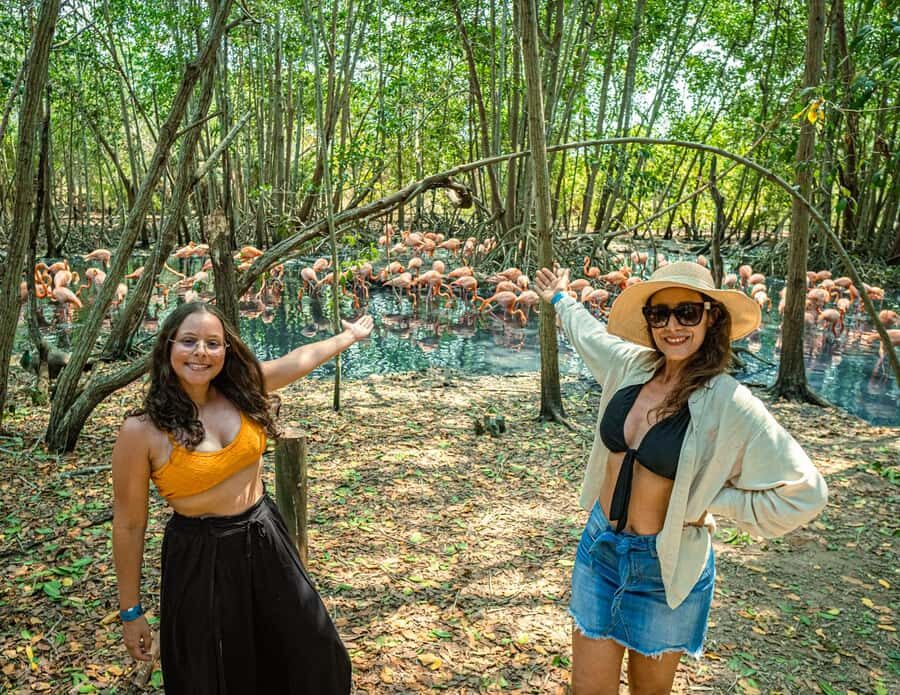
This tour is set up as a proper day run, not a slow wander. You get picked up in Cartagena from one of three spots: Clock Tower Monument (Centro), Bocagrande, or the Centro area. You wait in the lobby or the agreed pickup point area, and the guide wears a uniform so you can spot them.
Once you’re on the road, the big comfort point is that you travel in an air-conditioned vehicle. That matters because the region isn’t a cool, breezy fantasy during the ride—your body will appreciate the break. One thing to keep in mind: vehicle quality can vary, and on some days people have mentioned seating and cooling issues. If you’re sensitive to that, arrive with a light layer you can throw on in case the AC feels weak.
The drive itself is part of the experience. You’re not just moving from A to B—you’re moving across Cartagena’s landscape, then out toward the Barú Peninsula. The route also includes a key photo-and-visual moment at the Barú Bridge, where you cross the Canal del Dique.
Why this matters: that bridge crossing is one of those rare travel moments that quickly explains why “Barú day” feels different from a normal beach day. The geography is front and center before you even reach the sand.
The Aviary of Colombia Visit: What the 11:30 Presentation Feels Like
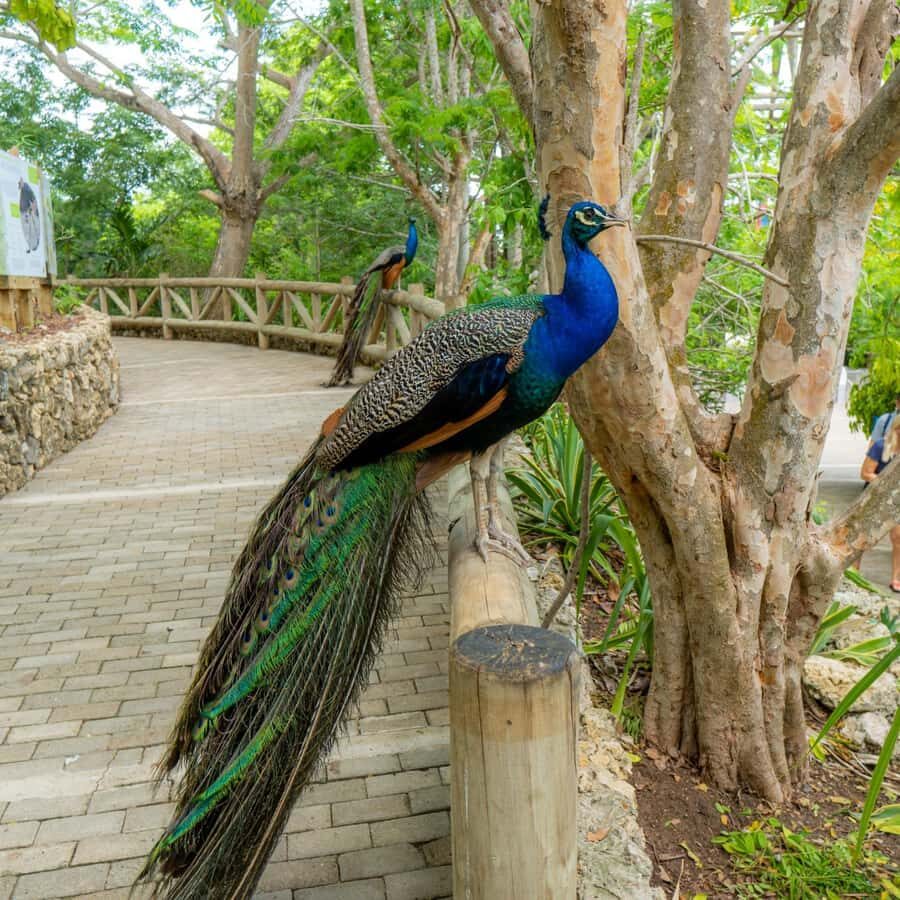
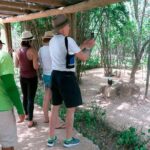
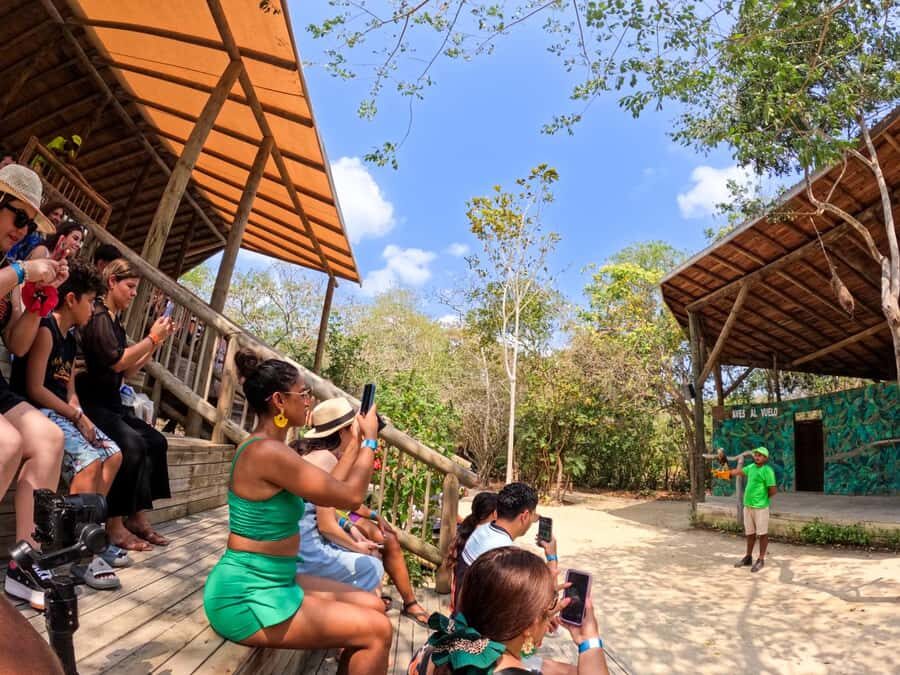
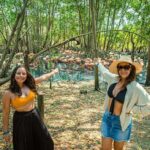
The Aviary experience is the centerpiece, especially if you love birds or you’re the sort of traveler who enjoys learning in a practical way. You arrive, take a photo stop, and then you’re led through the visit area with a guided tour format.
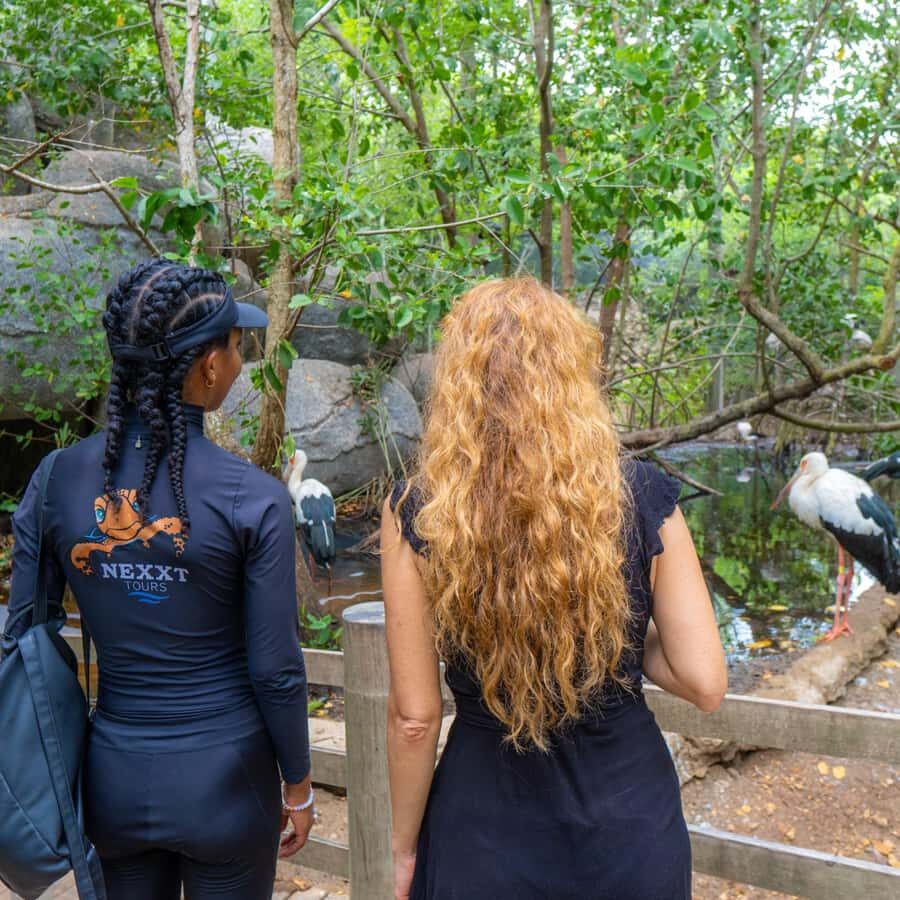
At 11:30 AM, you attend the main presentation. It’s built around three ecosystem environments and 22 exhibits, arranged across large flight-style aviaries, radial aviaries, plus water-focused areas like estuaries and lakes. The idea is that you don’t just look at birds—you connect them to habitat and behavior.
A practical tip: go with the mindset that this is partly a science center and partly a show. You’ll get the story of why conservation matters, and then you’ll see the birds in the environments that make their needs visible. If you’re there for photos, it’s especially helpful because the setup often puts you in the right place to watch birds move through their space.
One important language note: the presentation/show is Spanish-language only. If you don’t speak Spanish, you can still enjoy the exhibits, but the spoken part may not land fully. The good news is that the visuals and animal behavior do a lot of the talking.
More Than 2,000 Birds: The Fun Part Isn’t Just the Numbers
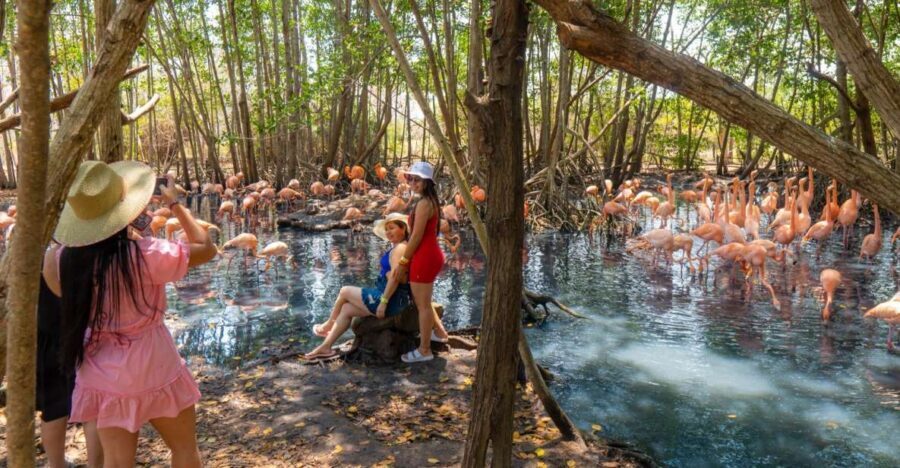
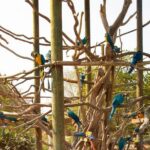
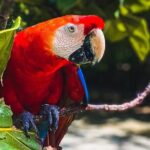
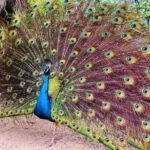
The Aviary’s reputation is justified: you’re dealing with more than 2,000 species of birds, and the scale shows. Even if you’re not a hardcore birder, you’ll likely recognize some species and still be surprised by others.
This is where the day gets exciting fast. As you move through the habitats, you’re often close enough to see how birds behave—how they perch, move, feed, and react to their environment. That’s what turns a “look and leave” attraction into a place you actually remember.
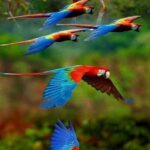
From what’s highlighted by bird lovers, the birds people tend to name include toucan-type birds, spoonbilled rosarios, flamingos, and larger raptors like the harpy eagle. You may also see falcons and woodpeckers depending on the aviary zones and how the day’s layout flows. Even when you don’t catch every species, the variety keeps the pace lively.
And yes—photography can be excellent here. The environment is set up so you aren’t watching birds from a far-off angle. You’ll have a real chance to capture motion and close views, not just a distant dot in the sky.
How the Conservation Message Lands (Without Feeling Like a Lecture)
Birds don’t live in a vacuum. One reason the Aviary adds value to this tour is that it connects species to preservation efforts in Colombia. You learn about biology and behavior, and then you get the conservation angle tied back to nature protection and habitat needs.
This matters for you because it changes how you experience the animals. Instead of just thinking, wow, that’s a bird, you start thinking about why these birds thrive (or struggle) and what protection can look like on the ground.
A smart way to use this portion of the day: don’t treat it as a checklist. Slow down for a few minutes at each habitat zone and watch how the birds use the space. Even if you don’t catch every bit of narration, the habitat layout tells the story.
Other National Aviary tours in Cartagena
Playa Blanca, Barú: Lunch by the Sea and the Trade-Off of Crowds
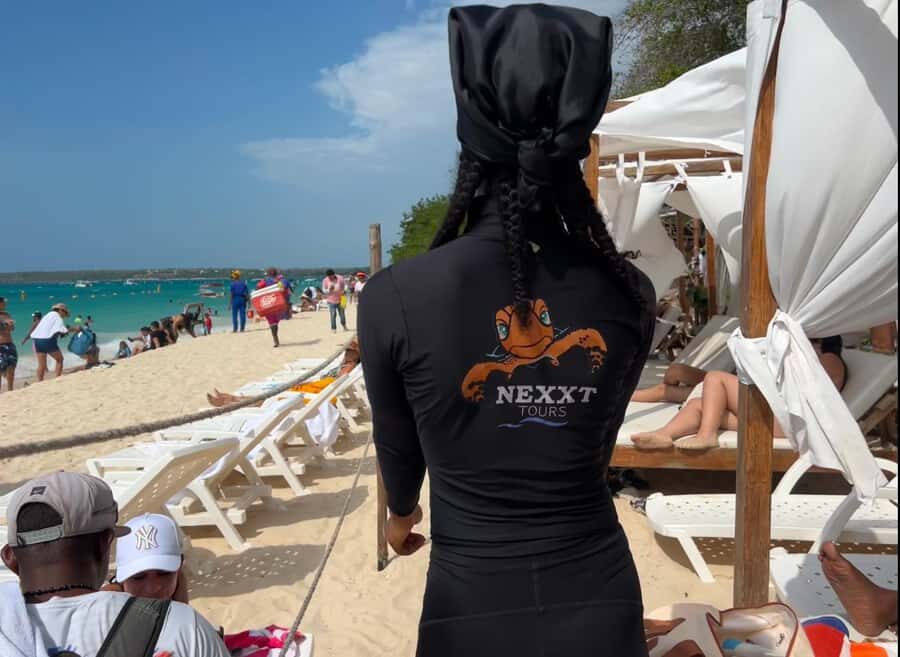
After the Aviary, you head to Playa Blanca on Barú Island. This is your decompression phase: photo stop, then three hours of beach time that includes lunch.
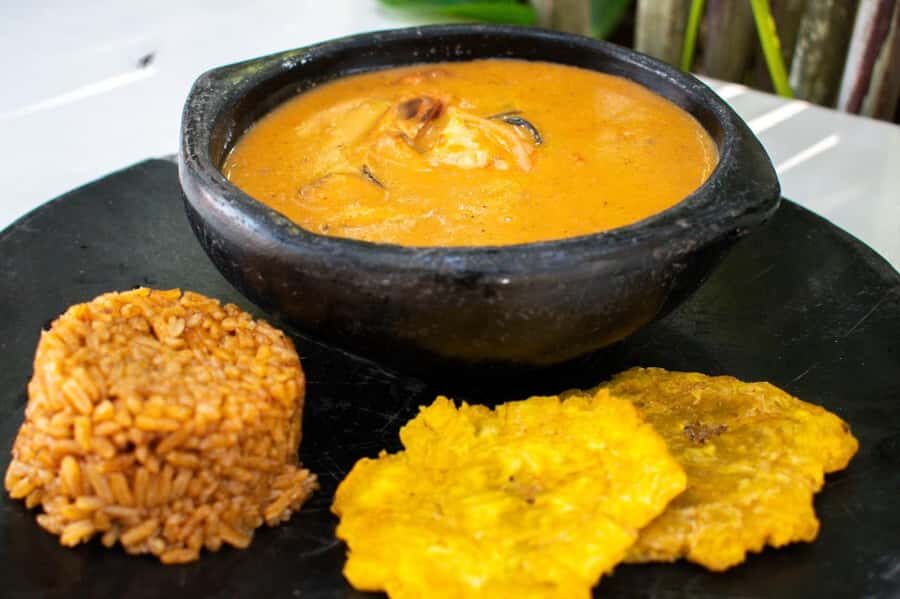
Lunch is handled through your voucher: 30,000 COP, redeemable on the menu. Translation for your planning: eat what you want up to that value, and be ready that drinks aren’t included. If you want coffee or sodas, bring extra cash or plan to pay on-site.
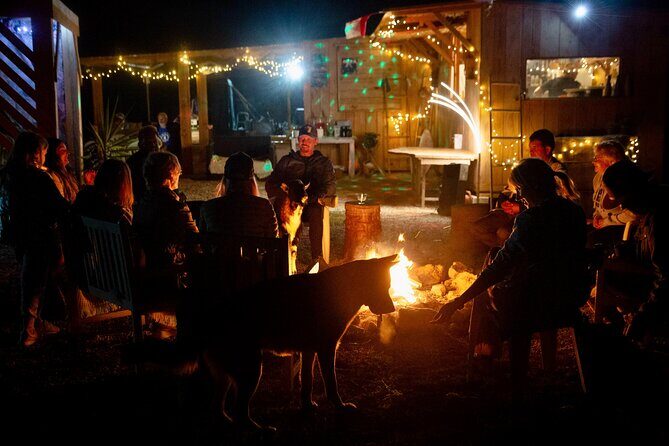
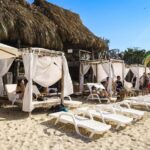
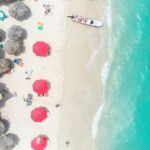
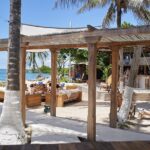
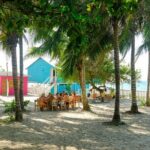
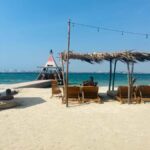
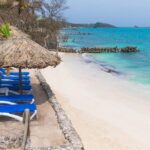
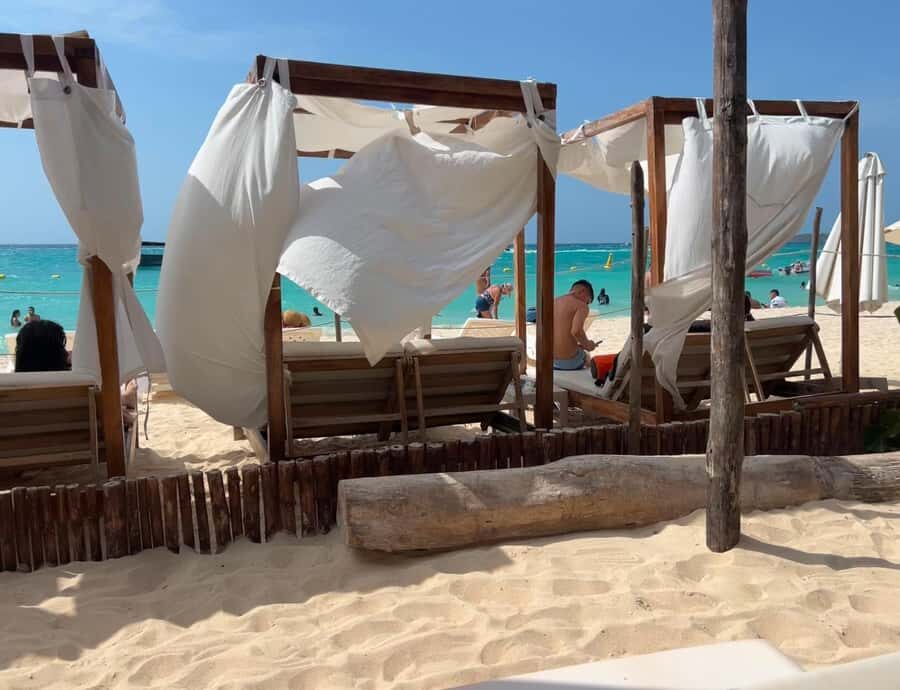
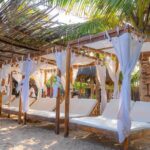
The beach club setup is practical. You can use huts, lounge chairs, a bathroom, and social areas without extra cost. The “beds” detail is important: beds in the first row aren’t included, and that can affect what spot you end up with if you arrive and settle in as a group.
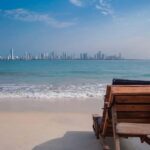
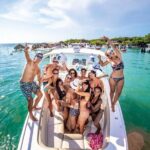
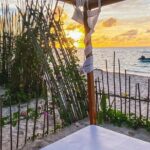
What the water is like: people come for the white sand and turquoise look, and you’ll have time to swim in clear water and lie on the beach loungers. This is also the moment you’ll likely appreciate the morning’s structured learning—because you can go from birds to beach without feeling like the day lost its plot.
Now the honest drawback: Playa Blanca can be touristy and loud. If you’re seeking quiet, this may feel like a busy beach day with sellers nearby and music-level energy. The best strategy is to arrive ready to enjoy the scene but still carve out your own calm—bring a towel, pick a spot slightly away from the loudest zone, and use swim time as your reset button.
Timing, Traffic, and Why the Return Matters
This type of day trip lives or dies on timing. Your day moves by scheduled segments: pickup, travel to the Aviary, the Aviary visit and presentation, then transfer to Playa Blanca, then the drive back.
On paper it’s smooth. In real life, traffic can happen, and it can change the feel of the day. There have been cases where groups waited at the Aviary area and then lost time before heading to the beach. If you’re the kind of traveler who gets stressed by delays, build in flexibility—this is a coastal region route, and road timing isn’t always predictable.
The takeaway: don’t plan a strict dinner reservation right after this. If you want to keep the day relaxed, leave your evening open or plan for a slower night.
Price and Value: Is $70 Actually a Good Deal?
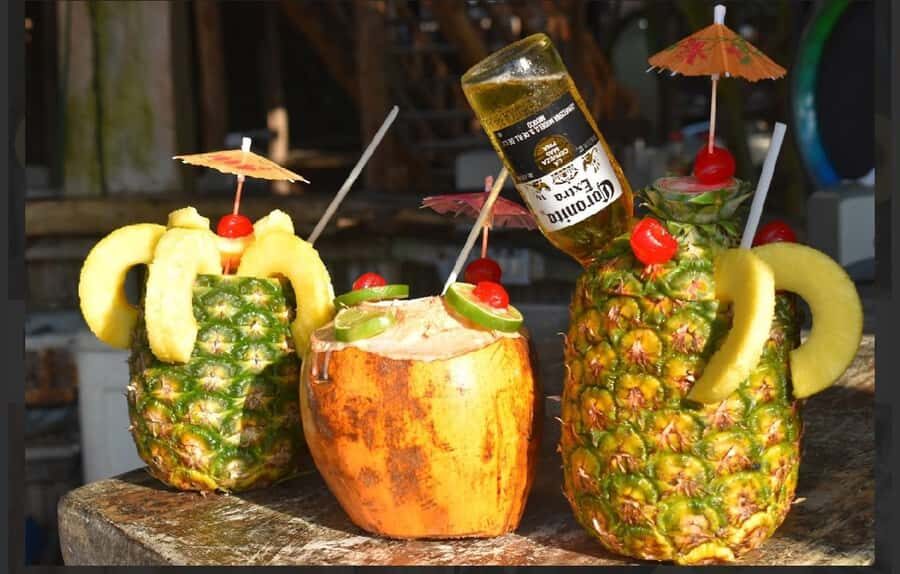
At $70 per person, you’re not just buying a beach day. You’re paying for:
- Round-trip transportation
- An air-conditioned vehicle
- A bilingual guide (English and Spanish)
- Entrance to the National Aviary
- Entrance to the White Beach / beach club area
- A welcome drink
- A lunch voucher worth 30,000 COP
What you should expect to pay for separately:
- Beds in the first row (extra)
- Additional drinks
- Towels
- Shower access (available for an additional cost)
Value test for you: if you care about seeing birds in a real conservation setting, the Aviary entrance and guided visit are doing real work for the price. If you only want beach time, then the day might feel like the beach is the main event and the Aviary is the detour.
Also think about comfort. Air-conditioning and organized pickup reduce hassle compared to trying to arrange separate transport and tickets yourself. You’re paying for structure.
Who This Tour Is Best For (and Who Should Skip)
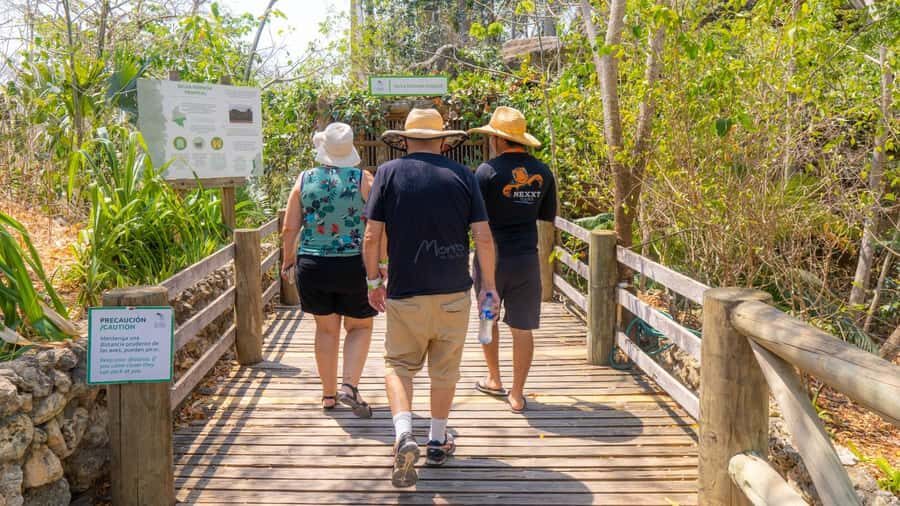
This day trip is a strong match for:
- Nature lovers who want more than beach scenery
- Bird fans who like close-up viewing and learning
- Travelers who prefer one guided plan instead of piecing together transport
It’s a weaker match if:
- You need step-free access or have mobility concerns (this is not suitable for people with mobility impairments)
- You’re traveling with very limited walking ability, because the Aviary and beach area involve walking
- You’re over 95 years (the tour isn’t suitable)
If you’re traveling as a couple, it can be a good balance: one shared “wow” in the Aviary, then shared downtime at Playa Blanca. If you’re traveling solo, you’ll likely appreciate the guide for both timing and translation.
Practical Tips That Make the Day Smoother
These are the small things that help you enjoy the day instead of managing it:
- Bring a towel. It’s not included, and you’ll want one for beach time right away.
- Bring passport or ID card. Plan for ID checks.
- Wear swim-ready clothes under something you can remove quickly. You’ll switch from Aviary walking to beach lounging fast.
- If you’re Spanish-speaking, the Aviary presentation will land better since the show is Spanish-language only. If not, focus on the habitat zones and bird behavior; that part still works.
- For beach beds: if you care about the front-row setup, assume you may need to pay extra or accept whatever placement the group timing allows.
- Keep your plans flexible for the return. Traffic can stretch the ride, and that can make the beach feel shorter than you hoped.
And one more tip: the Aviary is the right place to take your time. The beach is for the reset. Let the two halves do their jobs.
Should You Book Isla Barú with Aviary Access?
Book it if you want a day trip that includes a real attraction, not just a transfer to sand. The Aviary portion gives the day meaning through conservation and habitat-based learning, and the bird variety keeps it interesting even if you aren’t a full-time birder. Then Playa Blanca gives you the payoff—swimming, loungers, and lunch by the sea with a welcome drink.
Skip it if your priority is quiet beach time above all else. Playa Blanca can feel loud and crowded, and the schedule leaves limited room for long, slow wandering. Also, if you have mobility concerns, this isn’t the right fit.
If you’re on the fence, I’d make your decision on one question: do you want to spend your money and time seeing birds up close in a conservation-focused setting? If yes, this day is good value for your day in the Cartagena area.
FAQ
How long is the tour?
The tour duration is 8 hours.
How much does it cost?
The price is $70 per person.
Where are the pickup and drop-off locations in Cartagena?
Pickups and drop-offs include Clock Tower Monument (Centro), Centro, and Bocagrande.
Is there a guide during the National Aviary visit?
Yes. The tour includes a live bilingual guide (English and Spanish) and includes a guided tour at the National Aviary.
What time is the main presentation at the Aviary?
The presentation is at 11:30 AM.
What language is the Aviary presentation/show in?
The presentation/show is Spanish-language only.
What’s included for lunch and how much is the voucher?
Lunch is included via a voucher worth 30,000 Colombian pesos to use on the menu.
What should I bring, and are towels included?
Bring a passport or ID card and a towel. Towels are not included. Shower access is available for an additional cost.